REVIEW · TAMARINDO
Half-Day Snorkeling Experience in Tamarindo
Book on Viator →Operated by Tamarindo Diving · Bookable on Viator
Two snorkel stops, one unforgettable morning. I like this trip for the two guided snorkeling sessions in top local waters, plus the way the crew keeps things organized from the 6:40 am start to the ride back by noon. I also appreciate the snacks and water onboard, which makes it easier to stay focused on the sea. The main drawback is that this can be a bouncy ride when it’s windy, and a few people report feeling rough out at sea.
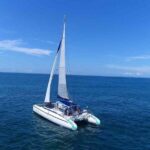
Here’s the deal: you meet at the operator’s Tamarindo center, get fitted with gear, then hop from a smaller boat onto a bigger catamaran. After about 45 minutes of navigating, you snorkel around Catalina’s Archipelago (or a closer spot like Cabo Velas if conditions are too windy), then you’re back around 12 MD.
In This Review
- Key highlights you’ll care about
- Your morning begins at 6:40 am (and why that matters)
- Catalina’s Archipelago vs. Cabo Velas: where your two swims happen
- What “guided snorkeling” actually feels like on this boat
- Names worth noting
- Wildlife odds: whales, manta rays, turtles, and more
- The boat ride reality: comfort, shade, and choppy mornings
- Motion sickness: what to do if you’re sensitive
- Price and value: what $95 buys you (and what it doesn’t)
- Packing list: the items that keep your morning pleasant
- Who should book this snorkeling trip from Tamarindo?
- When I’d think twice
- Should you book? My honest call
- FAQ
- How long is the snorkeling experience?
- Where do I meet, and what time does it start?
- What snorkeling spots do you visit?
- How many times will I snorkel?
- What’s included in the price?
- Is lunch included?
- What should I bring?
- Is this trip good for children?
- What if the weather is too rough?
- Can I bring motion sickness medication?
Key highlights you’ll care about
- 6:40 am start gives you an early shot at calmer water and better visibility.
- Two snorkeling sessions mean more time in the water, not just one quick stop.
- Small groups (max 15 people) keep the instruction and safety more personal.
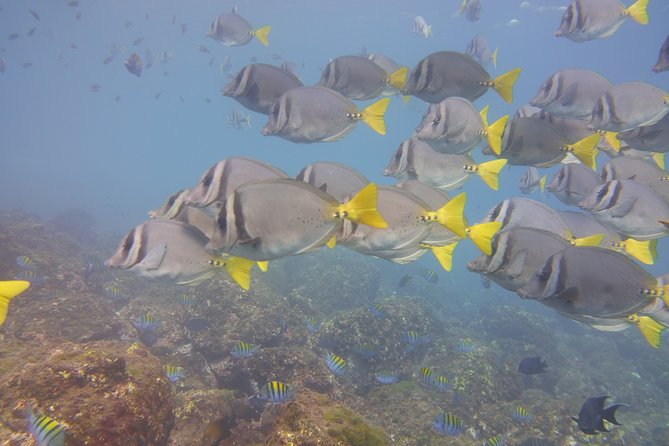
- Chance of whales while cruising during migration season, depending on the day.
- Pool noodles and close guide support help snorkelers stay comfortable in choppier water.
- Good onboard fuel: snacks and water are included, but lunch is not.
Your morning begins at 6:40 am (and why that matters)
Plan to start early. You meet at the Tamarindo center around 6:40 am, and the first thing they do is set you up with the snorkeling equipment. That early gear fitting matters because it stops the usual scramble once you’re already on the water.
You’ll then move to the beach for a transfer by small boat to the main catamaran. The ride out is not just a flat cruise. It’s part of the experience, and part of the reason people bring motion-sickness meds “just in case.” If you’re prone to feeling queasy, I’d treat the open-water ride seriously, even if the weather looks decent from shore.
From the reviews, the crew does a solid job with basic comfort and readiness. People mention good prep, patient help for less-experienced snorkelers, and a sense of safety once you’re in the routine.
You can also read our reviews of more tours and experiences in Tamarindo.


Catalina’s Archipelago vs. Cabo Velas: where your two swims happen
Your snorkeling is built around one main idea: hit the good spots, twice. After about 45 minutes cruising, you reach Catalina’s Archipelago. If it’s too windy, the plan can shift to Cabo Velas, so the route stays doable and safer.
This is important for your expectations. In Costa Rica, the ocean doesn’t always cooperate. When conditions are choppy, visibility may drop and the whole experience can feel more like a physical workout than a lazy swim. Still, the structure of two separate snorkeling sessions means you get at least one good window, even if the first stop isn’t perfect.
On many days, the guide keeps you together and handles the group pace. A common theme in the feedback: even when conditions were rough, the guide worked hard to find wildlife and get people oriented fast.
What “guided snorkeling” actually feels like on this boat
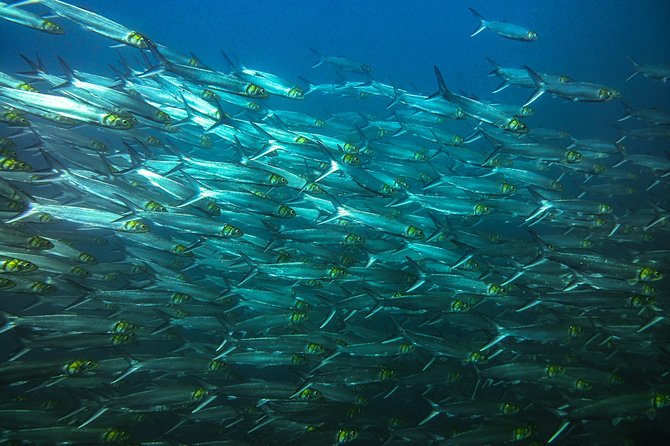
This is not a free-for-all. You snorkel with a snorkeling guide during each session, and the guides help with technique, positioning, and where to look. From the reviews, the guidance can be hands-on in the moment—especially for first-timers who struggle with masks or staying balanced.
A few specific ways this trip seems to work well:
- You get a steady rhythm: gear on, transit out, then guide-led swims.
- The guides keep groups managed. Some mornings the boat mixes scuba swimmers and snorkelers, but the snorkelers still tend to get their own attention and pacing.
- When water is rough, you’re more likely to get support tools. One consistent detail: pool noodles are provided so snorkelers can stay buoyant.
Names worth noting
Lily shows up again and again in the feedback, and Clara is mentioned for being responsive and helpful. You might also hear the name Lilli. Either way, the key pattern is the same: guides focus on safety first, then wildlife.
Wildlife odds: whales, manta rays, turtles, and more
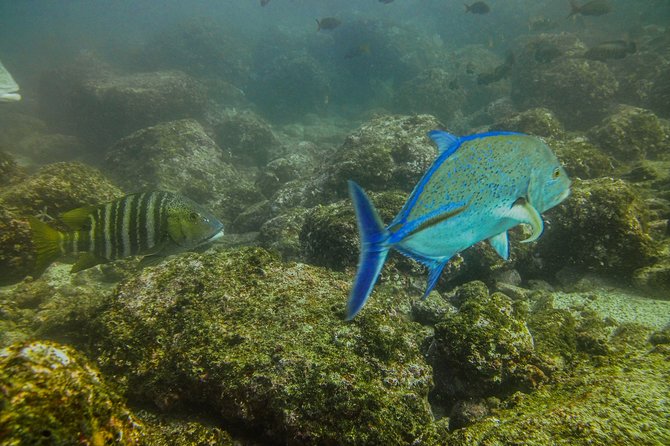
If you’re coming for wildlife, this trip has the right ingredients: real marine areas, multiple stops, and guides who actively scan and point things out.
Here’s what people report seeing often (and what you can hope for on your day):
- Manta rays (including jumping behavior in some reports)
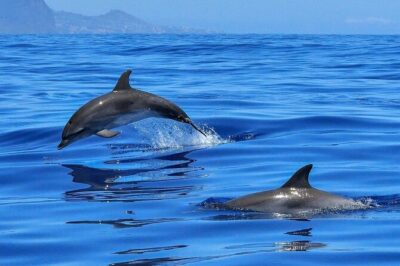
- Dolphins
- Turtles
- Eagle ray and other rays
- Sharks, including white-tipped reef sharks in some accounts
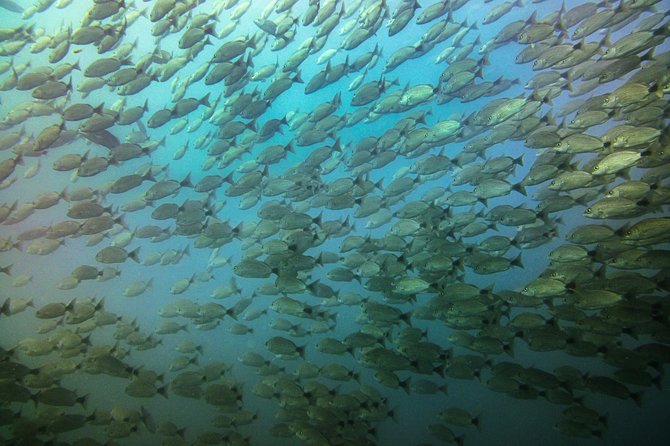
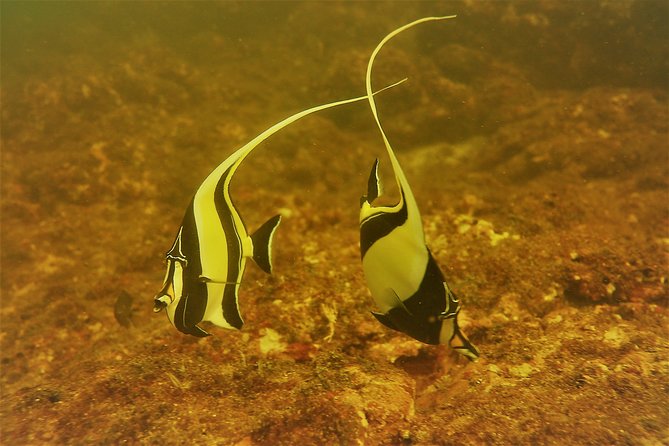
- Eels, octopus, and colorful reef fish
- Even whales while cruising back and forth (the chance depends on migration timing and the day’s luck)
A practical tip: whales and big animals can appear at the surface during transit, so don’t just park your eyes on the snorkel spot. When you’re on the boat, keep your attention forward and ask the crew what they’re seeing.
Also know this: visibility can vary. Some reviews call out murkiness due to plankton. That doesn’t automatically ruin the day—big animals can still show up—but it changes how crisp the water looks when you first put your face in.

The boat ride reality: comfort, shade, and choppy mornings
Let’s talk about the part you can’t control. Costa Rica’s Pacific can turn rough quickly, especially during the windy months. Several reviews mention swells, bumpy movement, and a need to plan for motion sickness.
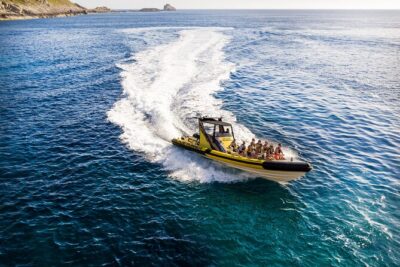
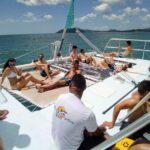
On the positive side, the boat itself gets good marks. One person describes a 36-foot catamaran with shade and two engines. That shade is more than luxury in the tropics. It helps you cool down while you wait for the next snorkeling moment.
Motion sickness: what to do if you’re sensitive
If you’ve ever felt queasy on boats, I’d treat this trip as a “plan ahead” day. Advice from the reviews includes:
- bringing or taking motion-sickness medication beforehand
- paying attention to how you hold buoyancy aids (one snorkeler felt better when they held the noodle rather than keeping it tucked under the arms)
And if you start feeling sick during snorkeling, don’t try to tough it out in silence. Tell the guide early. The best outcomes in the feedback come from being honest about how you’re feeling.
Price and value: what $95 buys you (and what it doesn’t)
At $95 per person for about 5 hours, this is a straightforward half-day adventure. The best value comes from what’s included:
- Professional guide(s)
- Snorkeling equipment
- Snacks and water onboard
What’s not included is lunch. That matters because you’ll be out during the late-morning-to-noon window. If you’re hungry after snorkeling, plan to eat as soon as you’re back. I’d also consider grabbing a light breakfast before you go, since you’re meeting at 6:40 am.
One more value angle: smaller groups. With a maximum of 15 people, you’re less likely to feel lost in a giant crowd. Several reviews also mention the trip feeling like actual snorkeling, not a “ride plus a quick stop” situation. If you want real time in the water with real instruction, this structure fits.
Packing list: the items that keep your morning pleasant
Bring the basics the operator recommends: towel, sunscreen, hat, and a jacket. That last one surprises first-timers. Early mornings can feel cooler, especially when the wind picks up and you’re on deck.
Also consider practical add-ons based on real-world feedback:
- If you’re prone to motion sickness, bring meds and follow the label guidance.
- Protect your phone if you want photos while cruising. People talk about phone cases you can secure to your body.
- If you wear contact lenses, bring a plan for rinsing and re-wetting. (This isn’t stated as a rule, but rough water makes it easier to irritate eyes.)
If you’re a new snorkeler, focus on comfort over perfection. A mask that seals well and a calm breathing rhythm matter more than anything you could buy locally at the last second.
Who should book this snorkeling trip from Tamarindo?
This one fits best if you’re:
- a moderate physical fitness level person (the ocean conditions can turn the swim into a workout)
- comfortable being out in open water for about 45 minutes each way
- excited about wildlife and okay with day-to-day variability in visibility
It’s also suitable for families with the right ages. The minimum age is 8, and kids must be with an adult. Many parents in the feedback specifically highlight how the crew supported first-timers.
When I’d think twice
If you know you get very seasick, this is a big factor. Some feedback includes strong negative experiences where people couldn’t snorkel because conditions were too rough for them. You can still go if you’re prepared, but I’d match your decision to your personal tolerance for choppy water.
Also, if you’re expecting crystal-clear, postcard-level visibility every minute, temper that. Some days are clear; some are murky. The upside is wildlife can still appear even when the water looks less than perfect.
Should you book? My honest call
Book this trip if you want guided snorkeling with two chances in the water, plus a real shot at marine life like manta rays, dolphins, turtles, and occasional whales during migration season. The guides (Lily and Clara are repeatedly mentioned) and the included snacks/water make mornings smoother, especially when you’re handling gear and timing for the second session.
I’d hesitate if you’re highly seasick, because windy days can mean big swells and tough riding. If you’re in that category, do the smart prep: meds, jacket, and tell the crew immediately if you feel off.
If you’re a capable swimmer who can handle a bumpy boat ride now and then, this is a strong way to spend a half day in Tamarindo without turning it into a rushed “check the box” outing.
FAQ
How long is the snorkeling experience?
It runs for about 5 hours, and you’ll be back around 12 MD.
Where do I meet, and what time does it start?
You meet at the Tamarindo center around 6:40 am. The start time is 6:40 am.
What snorkeling spots do you visit?
You go to Catalina’s Archipelago, or to Cabo Velas if it’s too windy.
How many times will I snorkel?
You’ll have two snorkeling sessions.
What’s included in the price?
Snacks and water are included, along with a professional guide and the use of snorkeling equipment.
Is lunch included?
No, lunch is not included.
What should I bring?
It’s recommended to bring a towel, sunscreen, hat, and a jacket.
Is this trip good for children?
The minimum age is 8, and children must be accompanied by an adult.
What if the weather is too rough?
The experience requires good weather. If it’s canceled due to poor weather, you’ll be offered a different date or a full refund.
Can I bring motion sickness medication?
The tour data doesn’t list medication, but reviews suggest taking motion-sickness medication beforehand if you’re prone to it, especially because windy conditions can make the ride choppy.