REVIEW · TAMARINDO
Traditional Cooking Class In Tamarindo
Book on Viator →Operated by DaviannaXperience · Bookable on Viator
That first sniff of wood-smoke means dinner is coming.
A Traditional Cooking Class in Tamarindo is all about Guanacaste comfort food made at home, not in a showroom. You’ll learn favorites like tortillas and chorreadas, hear stories behind the recipes, and sit down to a three-course meal you made together.
Two things I really like: you can choose what you want to cook (or let the chef steer you toward a seasonal pick), and the group stays small—max 8—so you’re not lost in the crowd. One thing to consider is timing: while the tour is listed at about 2 hours 45 minutes, some evenings run much longer due to prep and hands-on participation levels.
In This Review
- Key Highlights to Know Before You Go
- Tamarindo Meeting Point and the Real-Life “Where Is It?” Factor
- The Menu You Can Choose: Tortillas, Chorreadas, Patacones, and Olla de Carne
- What Happens Before Cooking: Stories, Ingredients, and the Hands-On Spectrum
- The Cooking Flow: From Prep to Wood-Fire Techniques
- The Three-Course Meal: When the Work Turns Into Dinner
- Time, Hunger, and Why Some Evenings Run Long
- Price and Value: $99 Per Person in the Real World
- Practical Tips to Make Your Evening Smoother
- Should You Book This Tamarindo Cooking Class?
- FAQ
- FAQ
- What dishes will I learn to make?
- How long is the cooking class?
- What is the group size?
- Where does the tour meet?
- Do I choose what to eat or does the chef choose?
- Is the meal included?
- What’s the cancellation policy?
Key Highlights to Know Before You Go
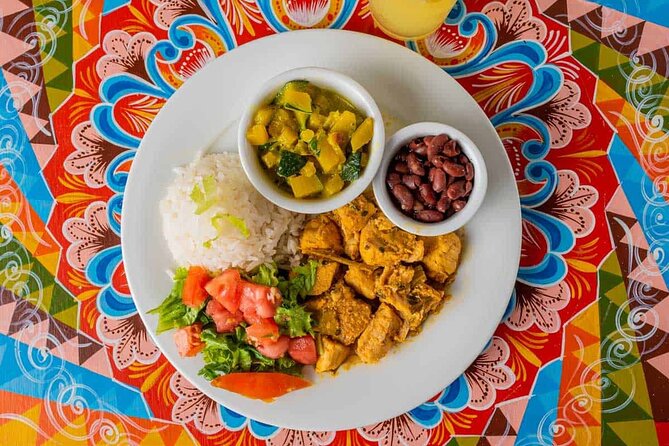
- Chef-led, home-kitchen format in Tamarindo with stories tied to each recipe
- Pick-from-several-dishes menu, including tortillas, chorreadas, patacones, and Olla de Carne
- Traditional techniques mentioned like wood-fire cooking and the pilón
- Small group size (max 8) that makes it easier to ask questions and share the work
- Three-course meal served right after the cooking work, plus recipes to take home
Tamarindo Meeting Point and the Real-Life “Where Is It?” Factor
The location is described as easy to reach near the center of Tamarindo, with the activity starting at 855R+8V4 and ending back where you met. That said, Tamarindo has its own geography, and some homes are tucked in and not obvious at first glance. So my advice: use your confirmation details, and don’t wait until you’re standing there hungry and confused.
One review experience that shows up repeatedly is this: the cooking happens in a real home, not a storefront. That’s part of the charm. It’s also why a “no signage” situation can catch you off guard. If you’re arriving on your own, give yourself buffer time and keep directions handy on your phone.
Also note the tour’s small-group nature. With up to 8 people, the host can’t magically turn a kitchen into a classroom. That affects pacing, noise level, and how much coaching you get at the stove.
You can also read our reviews of more tours and experiences in Tamarindo.



The Menu You Can Choose: Tortillas, Chorreadas, Patacones, and Olla de Carne
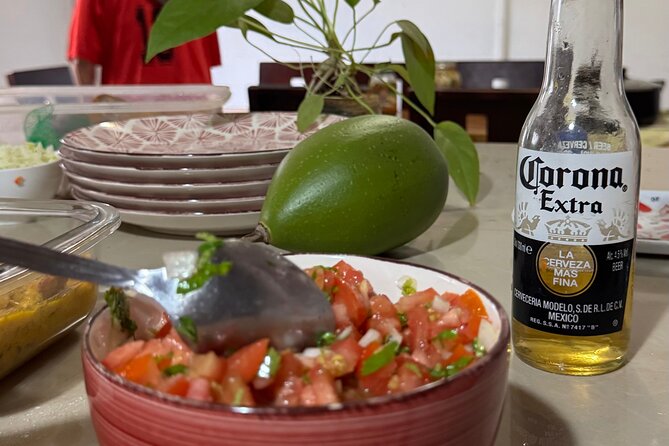
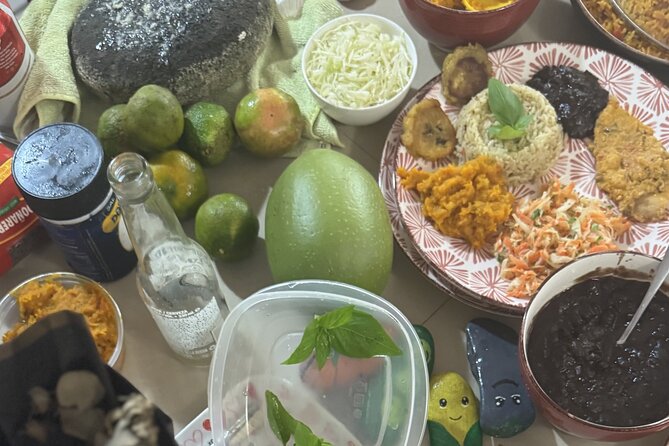
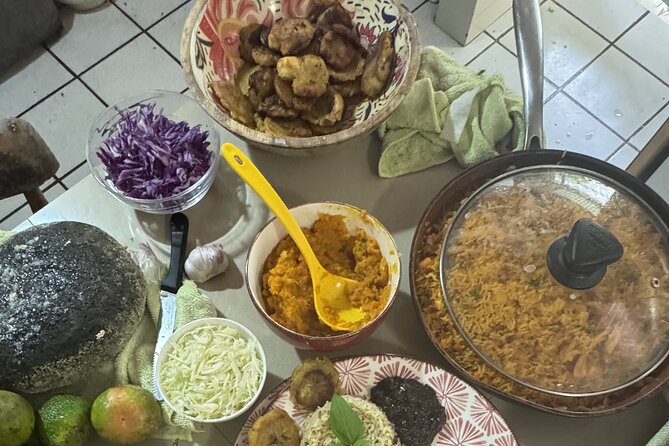
This is not a generic cooking demo. You’re meant to learn traditional Costa Rican dishes associated with the region around Guanacaste. The class highlights include making tortillas and items like chorreadas, patacones fritos (fried plantains), and Olla de Carne, plus arroz de maíz. The exact combination can shift based on what you choose and what’s seasonal.
Here’s why that menu approach matters for you:
- If you’re a foodie who loves one specific dish, you can aim your effort. You’re not stuck making whatever the chef planned on Tuesday.
- If you’re more curious than picky, letting the chef recommend a seasonal selection makes it feel local. You’re eating what the chef actually wants to serve from the market.
From the way the class is described, you’ll also run into different cooking styles. Expect things like curing plantains with lime for a plantain ceviche-style preparation (lime doing the work instead of heat), and the class framework includes traditional methods such as wood-fire cooking and using the pilón (the stone mortar technique). Even if you don’t become a pilón expert in one night, you’ll understand why these tools are used and what they change about flavor and texture.
What Happens Before Cooking: Stories, Ingredients, and the Hands-On Spectrum
A big part of this experience is the cultural backstory. The chef shares stories behind each recipe, and you’ll ask questions as you cook. That storytelling is genuinely one of the most praised parts of the evening—guests mention learning about life in Costa Rica and getting the context that makes food stick in your memory.
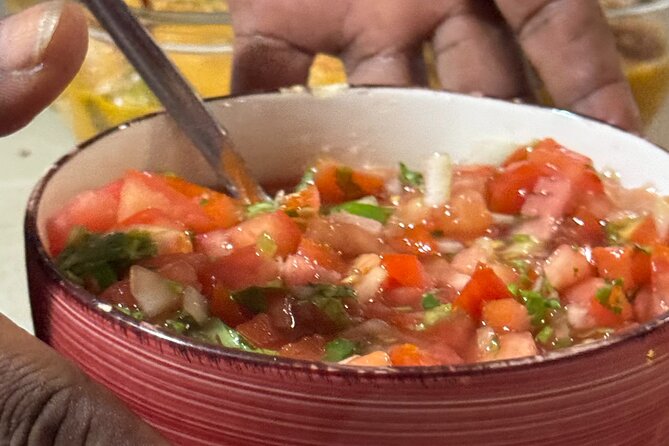
But the “hands-on” part is where expectations can clash. The best outcome is what most people want: you cut, you cook, you taste, and you leave with a few real skills you can repeat at home.
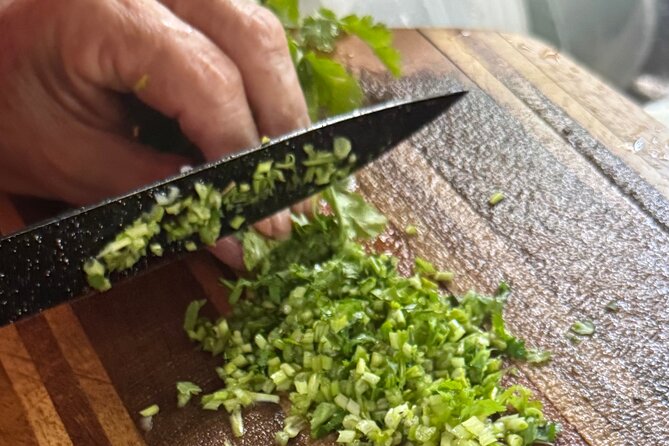
The not-so-great outcome (and it shows up in a minority of experiences) is spending more time chopping and prepping than actively cooking. Some diners reported long sessions where they did lots of vegetable prep but didn’t cook full dishes start-to-finish themselves. There’s also mention that knives can be basic (sometimes serrated or dull), which can make prep feel slower and more tedious than it should.
So go in with the right mindset:
- You’re participating in the work of a meal, not only watching technique.
- Your role may be heavier on prep, depending on how the chef is pacing your table and how many ingredients are moving at once.
If you want the most active stove time, bring that preference into the conversation early. A small group works in your favor here—you’re more likely to get directed to the tasks the chef needs you to do.
The Cooking Flow: From Prep to Wood-Fire Techniques
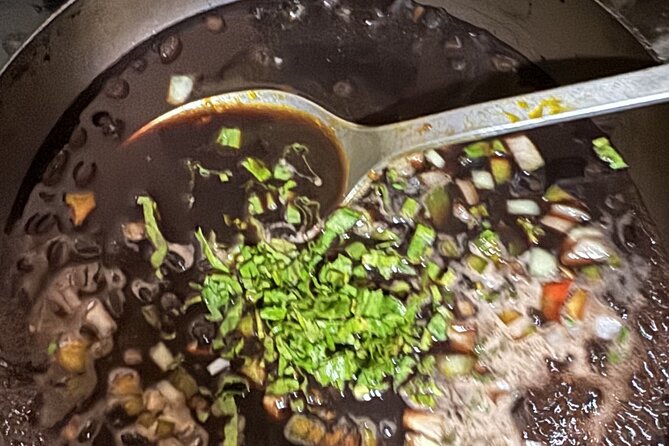
Because this is a home-kitchen class, the “it runs like a restaurant kitchen” expectation doesn’t always fit. You’re watching and helping inside one working space, where timing matters and where one pot or pan can hold up everything else.
Here’s the practical flow you can expect, based on what’s described:
- Start with the menu direction (choose dishes or let the chef decide a seasonal set).
- Prep work begins: chopping, assembling components, and getting ingredients ready for cooking.
- Traditional elements show up as the dishes come together—things like wood-fire cooking and working with the pilón.
- The chef coordinates cooking at the stove (for safety and speed), while you actively participate in the steps you can handle.
The value here is that you’re not just learning recipes. You’re learning how these dishes fit together. Costa Rican cooking relies on intuition and timing more than precise measuring. That’s part of the charm, but it also means you might not see measuring cups everywhere.
One practical implication: if you’re the type who wants exact grams and milliliters, plan to rely on the recipes you’re given afterward and your own judgment while cooking at home.
The Three-Course Meal: When the Work Turns Into Dinner
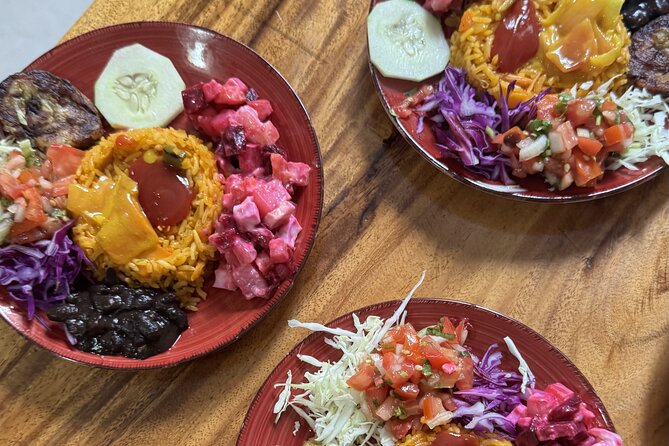
After the cooking time, you relax and enjoy a freshly prepared meal with the group. The menu is built from the dishes you worked on, and it’s described as a three-course meal.
This is what most people remember most: sitting down to food that’s clearly made from scratch and served as a full evening dinner. Multiple experiences highlight that it’s delicious and filling, and you should treat it like a real meal event, not a quick bite-and-go.
A helpful tip from the way timing is described by people who had different experiences: arrive hungry. Some nights stretch, and if you come late or with a snack-sized appetite, you’ll feel it. Even the “shorter” interpretation of the time means you likely won’t be eating until well into the evening.
Also watch for dietary surprises. One experience reported ceviche being banana instead of fish, which points to a key truth: these dishes are often regional and ingredient-flexible, and the menu you get is the chef’s choice plus your selection. If you have allergies or strict dietary limits, ask early and be direct.




Time, Hunger, and Why Some Evenings Run Long
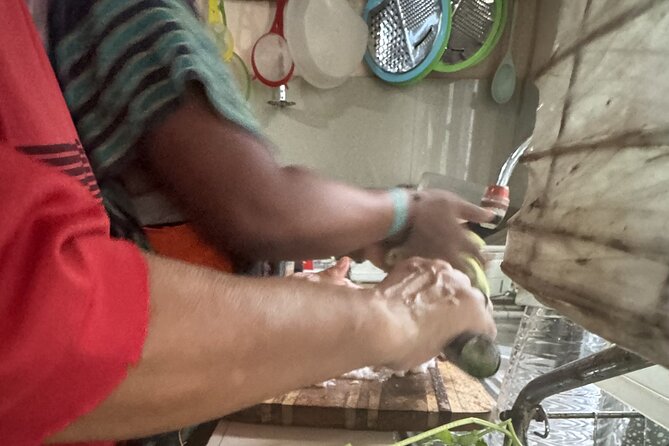
Let’s talk about the elephant in the kitchen: the listed duration is about 2 hours 45 minutes, but some experiences ran closer to 4 hours (even later in one family report). There are a few reasons this can happen in a home setting:
- Prep and chopping take time—especially when everyone is participating.
- If the chef has limited pre-prep, the class slows down.
- Cooking in one kitchen with several dishes can create bottlenecks.
So your decision should be based on your schedule. If you have a hard dinner reservation elsewhere, this might not fit. If you don’t, it can be a relaxed, social evening with cooking, conversation, and a meal that feels like you were invited in.
If you’re traveling with kids or teenagers, consider that not everyone felt the experience was kid-friendly due to the time and the amount of prep. For adults, it’s usually fine if you come prepared for a longer evening.
Price and Value: $99 Per Person in the Real World
At $99 per person, this class is positioned as a premium, cultural dinner experience. Here’s how to judge the value without getting lost in marketing language.
Where the value tends to shine
- You’re paying for a chef-led night in a real home, not a big group show.
- You get traditional dishes, a three-course meal, and recipes to take home.
- The stories and the small-group feel are meaningful. People often remember the host’s personality and explanations as much as the food.
Where the value can disappoint
- If your expectation is that you’ll cook most dishes start-to-finish, some evenings may not deliver that level of stove instruction.
- If your knife/tools feel worn or basic, you may feel like you’re doing more grunt work than learning technique.
- If the timing stretches, the class can start to feel like a long meal-prep session rather than an instructional cooking class.
My practical takeaway: if you want a warm cultural experience and you’re excited to help prep and learn by doing, this can feel worth it. If you’re specifically chasing an intensive “cook the whole dish yourself” course with strong knife skills coaching, you should go in with lower expectations and be ready to ask for more active cooking roles.
Practical Tips to Make Your Evening Smoother
A few small things can change your night from slightly stressful to genuinely fun.
- Bring your appetite. Plan on eating later than you think, especially if the session runs long.
- Expect a home setting. This can mean fewer signs, tighter space, and a more informal feel.
- Bring a hand towel if you’re picky. One experience noted the bathroom had only a tiny towel and that napkins weren’t always provided unless requested.
- Arrive with basic patience. If the evening turns into more prep than stove coaching, it’s still part of how the meal is made.
- Set your expectations about tools. Some guests noticed knives that weren’t ideal. If you’ve cooked with good knives before, don’t assume you’ll get a chef-grade setup.
One more note: some online photos may not match the exact reality of the space. I’d treat the description as direction rather than a precise preview. Your best information is the fact that it’s a small home kitchen experience with a chef and a communal meal.
Should You Book This Tamarindo Cooking Class?
I’d book it if you want a traditional Costa Rican food night with storytelling, a small group, and the chance to leave with recipes and a better sense of how dishes are put together in Guanacaste cooking.
I’d hesitate if:
- Your schedule is tight and you can’t handle a longer evening.
- You need a strict, step-by-step cooking lesson where you personally cook every dish start-to-finish.
- You’re expecting top-tier tools and lots of focused technique coaching.
If you do book, your best move is simple: arrive hungry, ask early what you’ll be doing at the stove, and treat it as a home-style cultural meal workshop—because that’s what it is at its best.
FAQ
FAQ
What dishes will I learn to make?
You can expect Costa Rican dishes such as tortillas, chorreadas, patacones fritos, Olla de Carne, and arroz de maíz, with additional options depending on season and what you choose.
How long is the cooking class?
The experience is listed at about 2 hours 45 minutes, but some evenings may run longer depending on how the prep and cooking pace goes.
What is the group size?
This activity is capped at a maximum of 8 travelers, which keeps it fairly intimate.
Where does the tour meet?
It starts at 855R+8V4 in Tamarindo and ends back at the same meeting point.
Do I choose what to eat or does the chef choose?
You can choose from several dish options, or you can let the chef recommend a seasonal selection sourced from local markets.
Is the meal included?
Yes. After cooking, you’ll sit down to enjoy a freshly prepared three-course meal together.
What’s the cancellation policy?
Free cancellation is available up to 24 hours before the experience start time for a full refund. If you cancel less than 24 hours before, the amount paid is not refundable.