REVIEW · TAMARINDO
Night Turtle Nesting Tour from Tamarindo
Book on Viator →Operated by Native's Way Costa Rica · Bookable on Viator
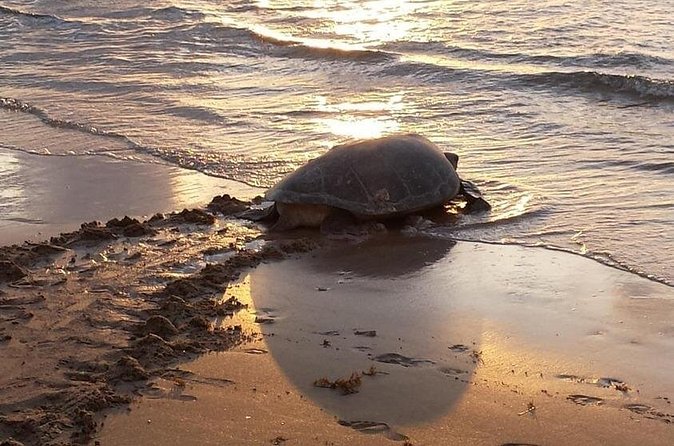
Green turtle night on the beach sounds unreal. On this Tamarindo tour you’ll head to Playa Grande after sunset and watch turtles lay eggs, with a real chance to see hatchlings too. I love that the guide provides a special red light so you can see the action without blinding the animals, and I love how many guides go the extra mile to find the right turtle and explain what you’re seeing (names like Ivan and Esmeralda show up often). One drawback to know upfront: it’s not a walk-through show. You’ll wait in the dark, move between spots, and the turtles are never guaranteed.
Most nights, you’re looking at Green Pacific and Olive Ridley sea turtles nesting on protected beaches near Playa Grande, usually from October to April (with turtle season often running mid-November to mid-April). Guides often manage multiple phases of nesting you can actually watch, from digging to laying, and if timing lines up you may see eggs hatch and baby turtles make their run to the ocean. Still, a handful of reviews raise concerns about crowding and how people behave when excitement kicks in, so your best outcome comes from following the rules and staying patient.
In This Review
- Key Highlights That Make This Tour Worth Your Night
- How the Night Turtle Tour Works in Tamarindo
- Price and What You Actually Get for $46.16
- Stop 1 at Native’s Way: Briefing, Then a 30-Minute Drive to Quiet Beach Time
- Playa Grande and Playa Mina: The Main Event for Olive Ridley and Green Turtles
- The Red Light Rule: Why It Changes Everything
- Ethics and Crowds: What to Watch For on a Shared Night
- Waiting, Walking, and Night-Sky Rewards
- Season Timing: When You Have the Best Shot at Nesting and Hatching
- Who This Tour Suits (and Who Should Skip It)
- Should You Book This Night Turtle Nesting Tour?
- FAQ
- What time does the Night Turtle Nesting Tour start?
- Where do I meet for the tour in Tamarindo?
- Is pickup and drop-off included?
- How much does the tour cost?
- What can I expect to see on the beach?
- Are flash photos or flashlights allowed?
- Are turtles guaranteed?
- What’s the best time of year for turtle nesting?
- Is the tour physically difficult?
- Can small children attend?
- How many people are in a group?
Key Highlights That Make This Tour Worth Your Night
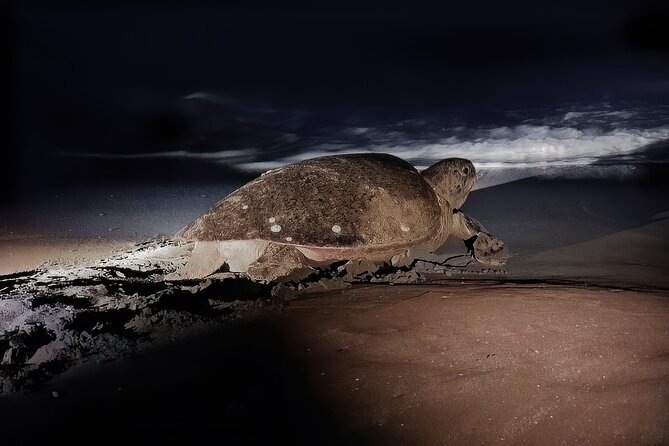
- Red light viewing: you see without using flash that can disturb turtles
- Real nesting behavior: digging, egg-laying, and sometimes hatching in the same evening
- Small-group vibe (up to 20): designed for quiet, observation-style watching
- Guides who hunt for turtles: many reviews credit guides like Ivan with good spotting skills
- Stargazing happens naturally: waiting time can turn into a night-sky moment
- Seasonal timing matters: late season can mean fewer nestings
How the Night Turtle Tour Works in Tamarindo
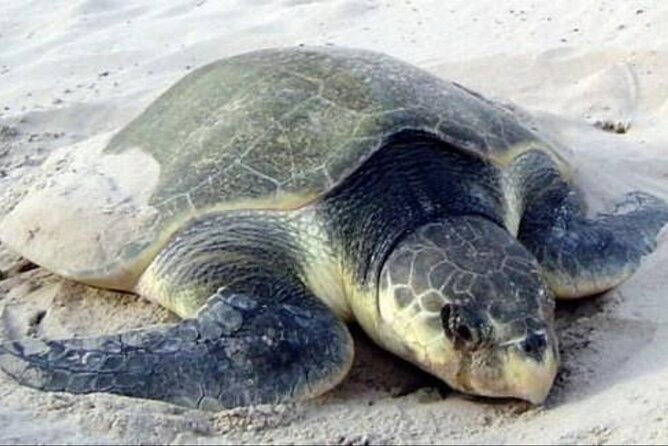
This is a dusk-to-night nature tour built around one goal: observe sea turtles doing their nesting business as respectfully as possible. The tour starts at 5:30 pm, after sunset, and runs about 4 hours. You’ll meet at the Native’s Way tour office, right in downtown Tamarindo in front of La Oveja Negra Hostel, just west of Banco Nacional.
Then you drive toward the protected beach area near Playa Grande. Once you’re there, the “schedule” turns into a waiting game. Your guide finds the nesting turtles (or relocates the group to a better viewing point if none are active yet), and you watch from the right distance while the turtle finishes its work.
If you like wildlife tours where the animals set the pace, this format makes sense. If you hate unpredictability, it may feel like standing around in the dark. The good news is that part of the magic here is the night itself: waves, stars, and the slow, intense focus of nature.
You can also read our reviews of more tours and experiences in Tamarindo.


Price and What You Actually Get for $46.16
At $46.16 per person, this tour sits in the “reasonable for a specialized night experience” zone, especially because it includes essentials that other tours often nickel-and-dime. Your cost includes local taxes, bottled water, and a driver/guide.
Pickup works a bit differently depending on whether you’re on the shared or private format. For the shared tour, you use the Native’s Way office area as the meetup hub for pickup and drop-off. For private tours, pickup can include areas like Pinilla, JW Marriott, Tamarindo, Langosta, Conchal, Flamingo, and Grande.
There’s also a $20 fee per booking tied to pickup/drop-off for some shared arrangements (for example, Tamarindo/Langosta hotels and private residences). So if you’re staying in a hotel outside the immediate office area, check which pickup option matches your location before you book. That small detail can be the difference between “great value” and “why am I paying extra.”
Stop 1 at Native’s Way: Briefing, Then a 30-Minute Drive to Quiet Beach Time
Your evening begins at Native’s Way, right in Tamarindo. Meeting is just after sunset, so you’re already in “night mode” while you get briefed. After that, the group heads toward the protected nesting beaches, roughly 30 minutes away.
Stop time here is short, but what matters is the tone. You’re not just going for a stroll. This tour is built around quiet viewing, and you’ll get instructions that are basically the difference between seeing nature and messing with it. You’ll also hear about photo limits: flashlights and flash photography are prohibited, and you’ll rely on the guide’s red light for viewing.
This matters because sea turtles nest slowly and deliberately. The more you treat the situation like a controlled wildlife observation, the more likely you’ll get a full sequence rather than a quick glimpse and a turtle that shuts down.
Playa Grande and Playa Mina: The Main Event for Olive Ridley and Green Turtles
Once you reach the nesting area, you’ll go from “waiting in a meeting point” to watching the beach do its real work. The main viewing centers around Playa Grande and nearby secluded beaches near Playa Grande (often described as a series of spots around Playa Mina).
Here’s what you’re hoping to see:
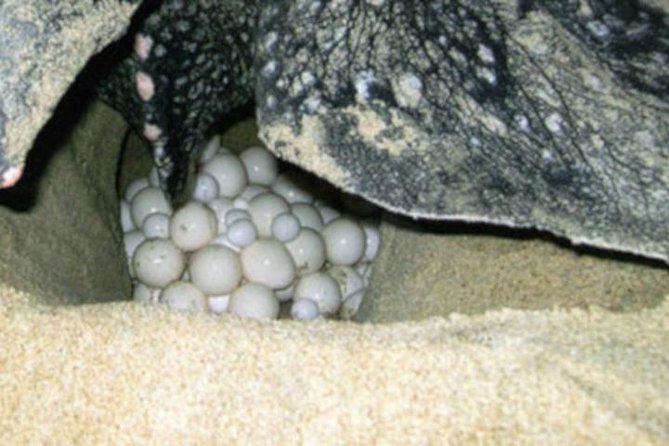
- Green Pacific and Olive Ridley turtles laying eggs
- The full process elements like digging and nest-building
- Possibly Leatherback turtles, but they’re described as very rare
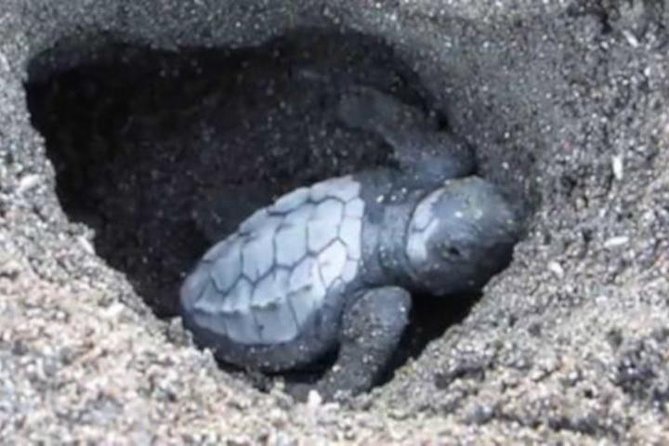
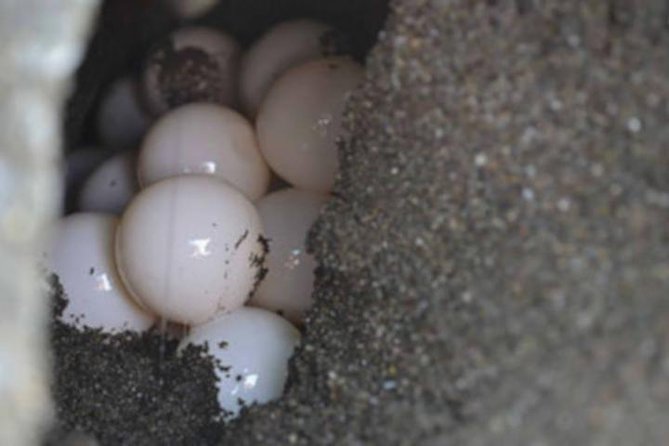
- If timing works out, eggs hatching and baby turtles moving toward the sea
The tour also includes the idea of moving between beaches or viewing points. It’s not a long hike, but you might walk in the dark and you may relocate if the first spot doesn’t deliver. Several reviews mention mild hiking and rugged beach access, so bring shoes that can handle sand, rocks, and night footing.
One reviewer with a great night described multiple stages in one evening: nesting, laying eggs, and hatchlings. That’s the dream scenario, but it’s not something you can count on. The best way to think about this: you’re buying access to the right kind of time and guidance, and then Mother Nature decides how much she gives.
The Red Light Rule: Why It Changes Everything
The tour’s defining tool is the red light your guide provides. Regular phone flashes and camera flashes are out, and flashlights by guests are also prohibited.
Why red light matters: it lets you see what you came for without blasting the animals with bright light. Turtle nests aren’t a stage spotlight. They’re sensitive, and even well-meaning tourists can accidentally disrupt nesting if they try to grab the moment with a beam.
The red-light rule is clearly enforced, and when guides do their job well, the beach feels calm even when people are excited. In the best experiences shared, guides used red light and actively managed the group’s behavior.
In the lower-rated reviews, the common thread is that some participants ignored instructions—phones lighting up, flashlights appearing, and crowding getting too close. That can turn a respectful observation into stress for the turtle and chaos for the whole group.
So, if you book this, do yourself a favor: commit to the rules. Quiet. No flash. Follow your guide’s spacing requests even if it means you don’t get the closest shot.




Ethics and Crowds: What to Watch For on a Shared Night
Even with a small maximum size (up to 20 travelers), crowd issues can still happen when multiple groups are active on similar beaches the same night. Some reviews praised respectful groups and guides who kept control. Other reviews felt too many people clustered around a turtle, with behavior like getting too close or turning on lights despite warnings.
There are also ethics debates in the reviews around how guides handle situations to make the process visible. Some accounts mention the guide using tools (like sticks) to prop open a view at a nest. Other accounts mention guides taking steps such as exposing eggs or clearing sand. Those details aren’t presented as guaranteed for every tour, but they show that you might feel differently about how hands-on some observation methods can be.
If you’re ethically strict about wildlife viewing, here’s the practical approach:
- Choose the tour format that best fits your comfort level, and follow the exact guide instructions every time
- Stay behind the spacing your guide requests
- Don’t assume that because it’s a “turtle tour,” every moment is stress-free for the animal
This tour can be incredible in the way it connects you to real nesting behavior. It can also be frustrating if the group vibe turns into a photo frenzy.
Waiting, Walking, and Night-Sky Rewards
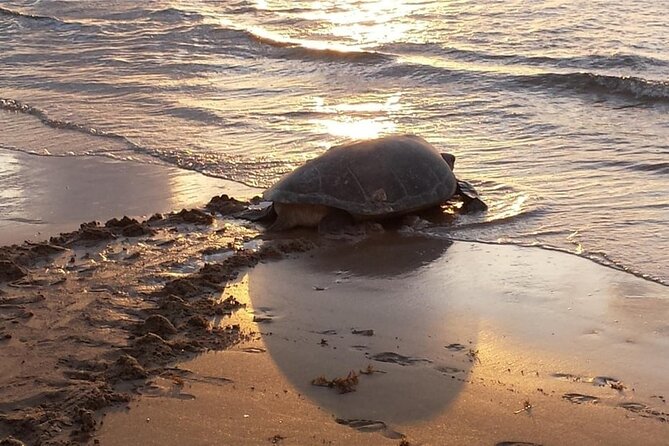
A lot of this tour is not constant action. It’s patience in the dark, and you’ll likely stand around while your guide scans the beach. Multiple reviews talk about long wait periods and describe how the waiting turns into something enjoyable: stars overhead, waves nearby, and a sense that you’re part of a living ecosystem, not a theme park.
There can be movement between viewing points. Some reviews mention a hike to a second beach. It sounds manageable for many people, but it’s still dark hiking, so it’s not a tour for flip-flops and comfort-only ambitions.
Fitness guidance is clear: travelers should have moderate physical fitness, and the guide notes there isn’t a long hike, but there are stretches of waiting and observation. Also, this is not a good option if you have trouble seeing at night, recent surgery, an injury, or mobility limitations.
If your idea of fun is nonstop activity, this might test you. If you can handle stillness and you’re excited to see something rare and real, it’s the kind of night that sticks with you.
Season Timing: When You Have the Best Shot at Nesting and Hatching
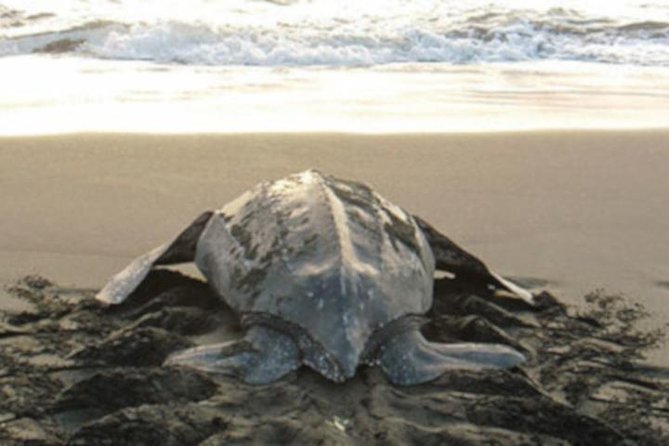
Turtles can be seen year-round, but nesting peaks between October to April. The tour notes that turtle season often extends from mid-November to mid-April, and it can start, slow down, or end without a perfect calendar rule.
That’s why your odds change with the month you go. One review called out that late-season timing limited results, with only one turtle seen. Another experience described seeing multiple turtles and even hatchlings, which can happen on the right night during peak activity.
Also, Leatherback sightings are described as very rare and not something to bank on. The tour can show you the nesting of Green Pacific and Olive Ridley more reliably than the specific, iconic Leatherback moment.
Bottom line for planning: if you want the best chance of eggs and hatchlings, aim for the core season window and be flexible if one night doesn’t deliver everything.
Who This Tour Suits (and Who Should Skip It)
This is best for adults and kids who can follow instructions, stay quiet, and handle waiting. Reviews include families and couples who enjoyed the experience when they embraced the slow rhythm of turtle nesting. It’s also a strong fit if you care about learning—many guides are praised for spotting skills and for explaining what’s happening during nesting phases.
Not a fit if:
- You need bright-light visibility the whole time
- You dislike rugged beach access or walking in the dark
- You want guaranteed hatchlings
- You have mobility issues, recent surgery, current injuries, or can’t stand/wait for stretches
Children under 5 years old are not permitted. That restriction makes sense because the tour asks for quiet and long observation periods.
Should You Book This Night Turtle Nesting Tour?
I’d book this if you want a night wildlife experience that can include turtle nesting, and possibly hatchlings, guided by teams like Native’s Way that use red light for viewing. The price is fair for what you get, especially with the included taxes and bottled water, plus the guidance component that helps you find turtles and understand their behavior.
I would pause before booking if you’re very sensitive to crowds or if you expect a perfectly managed, hands-off viewing style every single moment. Some reviews describe crowding and rule-breaking behavior, and a few raise ethical discomfort with how visibility is managed.
So here’s the call: if you can follow the rules calmly, bring good shoes, and accept that Mother Nature runs the show, this can be a once-a-year type night. If you need control, guaranteed sightings, or nonstop action, look for a different wildlife option and save this one for when you’re ready for patience in the dark.
FAQ
What time does the Night Turtle Nesting Tour start?
The tour start time is 5:30 pm, and it typically runs about 4 hours.
Where do I meet for the tour in Tamarindo?
Meet at the Native’s Way tour office, in front of La Oveja Negra Hostel, just west of Banco Nacional in downtown Tamarindo.
Is pickup and drop-off included?
For the shared tour, pickup and drop-off are included from the Native’s Way office area. For private tours, pickup can be included from select locations such as Pinilla, JW Marriott, Tamarindo, Langosta, Conchal, Flamingo, and Grande. There’s also a $20 fee per booking noted for some shared pickup/drop-off options from hotels and private residences.
How much does the tour cost?
The price is $46.16 per person.
What can I expect to see on the beach?
You may see Green Pacific and Olive Ridley turtles laying eggs. There is also a chance to see Leatherback turtles (described as very rare). If timing works out, you might even see eggs hatching and baby turtles moving toward the sea.
Are flash photos or flashlights allowed?
No. Flash photography and flashlights are prohibited. The guide provides a special red light so you can see without disturbing the turtles.
Are turtles guaranteed?
No. Turtles are active at different times and nesting is a natural process, so sightings can vary night to night.
What’s the best time of year for turtle nesting?
The tour notes nesting can be seen year-round, with peak season roughly October to April and turtle season often described as mid-November to mid-April.
Is the tour physically difficult?
The tour asks for moderate physical fitness. It’s not a long hike, but you may walk in the dark and there can be extended waiting and periods of standing.
Can small children attend?
No. Children under 5 years old are not permitted on this tour.
How many people are in a group?
The tour has a maximum of 20 travelers. A minimum of 6 people is required to operate the tour. If the minimum isn’t met, you’ll be contacted 1 or 2 days before with options.