REVIEW · TAMARINDO
Turtle Nesting Tour
Book on Viator →Operated by Sol Eco Adventures · Bookable on Viator
Turtle nests beat any beach show. This Tamarindo sea turtle nesting tour takes you out at dusk to a remote beach where visitors can watch egg-laying while following conservation rules at every step.
I like that it’s run as a small group and that you spend real time on the sand, not just a quick glance and go. The drive is part of the adventure too, with a scenic trek to the tucked-away Playa Mina area.
Two things I especially like: you’ll get close, respectful viewing of turtles in the nesting process, and you’ll have about an hour searching and watching after a walk to the beach. One consideration: this is a wildlife night event, so seeing nesting turtles isn’t something you can plan around like a show.
In This Review
- Key Points at a Glance
- Sea turtles at dusk in Tamarindo: what makes this night tour special
- Pickup, the 25 km drive, and your reality check about the ride
- Playa Mina stop: how the walk and track-hunting actually work
- What you might see: ridley, leatherback, and the different stages of nesting
- Conservation rules: the quiet part that makes the whole thing ethical
- Gear and clothing: what to bring so you fit the night and protect the turtles
- Price and value: is $65 worth it in the real world?
- Timing, duration, and why your evening might run long
- The possible downsides: rough roads and the no-guarantee reality
- 1) The rough-road factor
- 2) No turtle sightings can happen
- Who this tour suits best (and who should think twice)
- Should you book this Turtle Nesting Tour from Tamarindo?
- FAQ
- What time does the Turtle Nesting Tour start in Tamarindo?
- How long is the tour?
- Where do you go during the tour?
- How big is the group?
- Is transportation included?
- What is included in the price?
- What should I wear or bring?
- Are turtles guaranteed to show up?
- What’s the cancellation policy?
- Who is this tour best for?
Key Points at a Glance
- Small group vibe (max 10 travelers) for quieter, more focused viewing at night
- Remote Playa Mina beach only reachable on foot, which keeps the nesting area darker and calmer
- Conservation-first rules so you don’t interfere with nesting behavior
- About one hour on the beach after the 10–15 minute walk from the parking area
- Good chance of multiple species like olive ridley, green, black, and possibly leatherback
- Included flashlight + snacks + water, so you’re not scrambling at pickup
Sea turtles at dusk in Tamarindo: what makes this night tour special
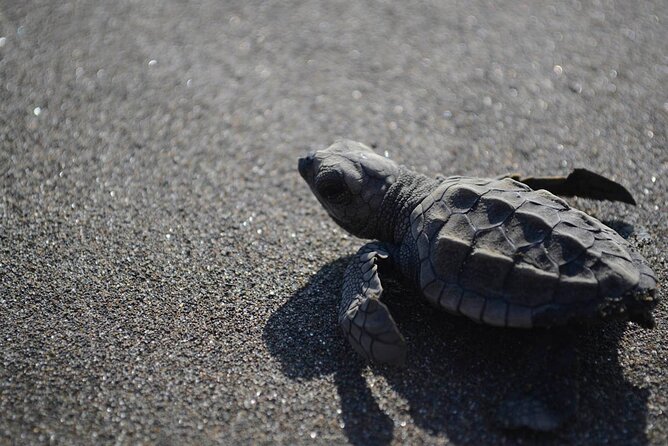
This tour is built around one simple idea: let the turtles do their thing. You’re not there to chase an animal. You’re there to find a nesting spot—by reading tracks—and then watch quietly from the right distance and direction. That’s why the timing matters. A 5:00 pm start puts you near sunset and deep into night, when nesting activity is most likely.
The other big reason it works is the location choice. The beach is described as hidden and only accessible by foot. That means the area stays darker and less disturbed, which fits what turtles need to nest. If you’re trying to see wildlife behavior rather than crowds and noise, this setup is a strong match.
And yes, it can be tense for the imagination, in a good way. You’re walking a dark beach, listening for what’s nearby, and slowly realizing you’re watching one of the most intense life-cycle moments in the ocean world—egg-laying and the careful work of covering the nest.
You can also read our reviews of more tours and experiences in Tamarindo.


Pickup, the 25 km drive, and your reality check about the ride
From Tamarindo, you’ll be picked up and driven roughly 17 miles / 25 km (about 40 minutes) over scenic tracks. Then you’ll park and walk 10–15 minutes to the nesting beach. The beach itself is not car-accessible, which is a big part of why it stays calm enough for nesting.
Now, here’s the practical point from real-world experience: some guests describe the road as rough and argue over comfort. If you get car sick easily, I’d treat that as a real factor. You’ll also be in a remote area at night, so don’t count on strong mobile service.
The good news: the tour operator includes round-trip transportation from Tamarindo, and the group size stays small (max 10). That matters because navigating the last-mile details on your own at night is not the kind of effort you want to add to a wildlife experience.
Playa Mina stop: how the walk and track-hunting actually work
The first stop is Playa Mina area. After parking, you’ll take a short walk to the beach—dark, quiet, and intentionally away from vehicle traffic. That walking portion might sound simple on paper, but it changes the whole feel of the night. This isn’t a boardwalk experience.
Once you’re on the sand, the guide’s job is to search for turtle signs. You’ll walk looking for turtle tracks, and those tracks lead to where the turtles are preparing nests. This is where the “small group” format helps: fewer people means easier spacing, less light spill, and a more natural hush.
Then comes the best part. You’ll wait facing the back of the turtle so the turtle can continue its nesting behavior with minimal disturbance. The tour description specifically notes you’ll observe the turtle as she deposits eggs and returns to the water. That viewpoint—watching without blocking or crowding—tends to be what turns a nature trip into a true memory.
What you might see: ridley, leatherback, and the different stages of nesting
The tour is focused on sea turtle nesting near Tamarindo, and the species list gives you a realistic sense of the possibilities. You could see green, black, olive ridley, and if you’re lucky leatherbacks too.
A key detail is that you’re not just scanning for one moment. You’re searching for turtles that are in different stages of the process. In practice, that can mean one turtle in the act of nesting, another simply investigating, or a night where nests and turtle activity occur in more than one wave.
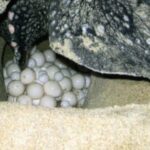
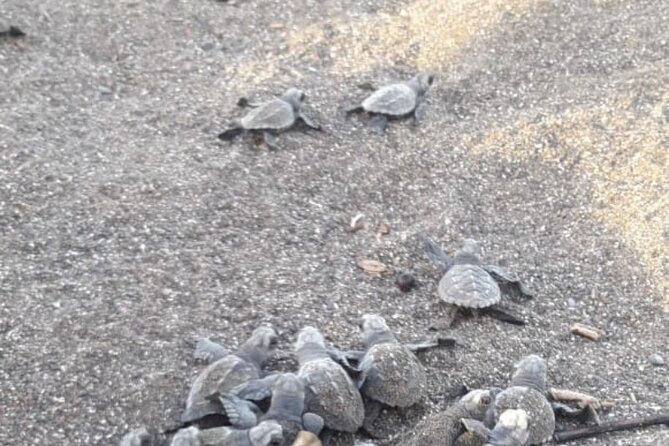
You may also see eggs and nests, sometimes with remnants after a hatch window. Several accounts describe seeing baby turtles reach the ocean as the “grand finale” moment. That said, the tour is still wildlife-based. Some nights are heavy on nesting activity; others are lighter, and you might mostly see signs like tracks and empty nest areas.
And that’s the honest way to think about it: you’re going to a place where turtles nest. You’re not ordering a guaranteed turtle.
Conservation rules: the quiet part that makes the whole thing ethical
This tour’s conservation focus isn’t marketing fluff. The description states the guide follows rules from government conservation authorities so turtles aren’t disturbed or noticed while nesting.
What you’ll feel in the moment is straightforward:
- you’ll keep to the guide’s instructions
- you’ll use lights in a controlled way
- you’ll wear dark clothing so you don’t create distractions
- you’ll keep your position and avoid blocking the turtle’s path and behavior
One of the most valuable parts of this kind of tour is the learning curve. You’ll get guidance on how nesting works—why turtles come ashore, how conditions have to align, and why time on the beach matters. That helps you watch with better context instead of just hoping for a sighting.
If you care about doing wildlife right, this is the kind of tour that makes sense. You’re not getting an experience by taking chances with animal stress. You’re getting it by following rules that protect nesting success.



Gear and clothing: what to bring so you fit the night and protect the turtles
The tour includes a few essentials, but you still need to prep. Here’s the list that actually affects your comfort and the turtle experience:
Included:
- Flashlight
- Bottled water
- Snacks
Not included (bring this stuff):
- Long sleeve top and trousers, must be dark clothing
- Comfortable shoes for the walk
- Mosquito repellent
Two practical reminders:
- Dark clothing isn’t just for style. The tour notes it must be dark so you don’t distract turtles.
- Comfortable shoes matter because you’re walking on sand at night. You want stability, not fashion sneakers with slick soles.
Also, since you’re out at night in a remote area, pack with the assumption you’ll need to be self-sufficient on basic comfort. Water and snacks are provided, but you don’t want to come under-prepared for warm/cool temperature swings and bugs.
Price and value: is $65 worth it in the real world?
At $65 per person, this tour isn’t priced like a basic beach outing, and it shouldn’t be. You’re paying for a few specific things:
- transportation from Tamarindo
- a guide-led night search
- flashlight support
- time spent on a remote beach that’s only reachable on foot
- a conservation-aware approach that keeps the experience controlled and quiet
When value is best is when you actually see more than one “moment.” That might mean multiple turtles at different nesting stages, or baby turtles reaching the ocean, or the full egg-laying sequence. Reviews often emphasize that the experience can turn into a once-in-a-lifetime watch when conditions line up.
But the balanced truth: because this is wildlife, your night can be lighter. If you’re unlucky, you may still leave with a better understanding of turtles and a meaningful night on a secluded beach—even if nesting activity doesn’t happen on your schedule.
If you’re coming for certainty, don’t book wildlife and expect a guaranteed outcome. If you’re coming for a respectful search and you can handle the uncertainty, the price starts to feel fair for what the tour is doing.
Timing, duration, and why your evening might run long
The tour is listed at 3 to 4 hours (approx.) and starts at 5:00 pm. In real life, the actual time can stretch. Some accounts mention longer beach time when turtles show up later or when the guide keeps searching for additional nesting opportunities.
Here’s why that flexibility matters: turtle behavior isn’t a clock. If a turtle comes on shore, the guide will manage the waiting so you can watch the nesting process properly while still respecting conservation rules. That can mean staying longer on the sand rather than rushing everyone out.
Plan your night with a little cushion. If you have tight dinner reservations or a hard curfew, build in slack.
The possible downsides: rough roads and the no-guarantee reality
This tour has two real considerations.
1) The rough-road factor
Several guests bring up the condition of the drive and the darkness of the area. If you’re sensitive to motion or bumpiness, take that seriously. The distance itself isn’t huge, but the surface can feel rough on the way to a remote nesting beach.
2) No turtle sightings can happen
Even when the guide works hard, turtles still control the schedule. If conditions don’t produce nesting activity during your window, you might see no turtles at all. Some nights mean empty nest signs, tracks, crabs, or egg remnants instead of a full egg-laying show.
That’s not a failure of the guide; it’s wildlife. The best way to protect your expectations is to treat the tour as a guided chance at an incredible behavior, not an order you can guarantee.
Who this tour suits best (and who should think twice)
This is a great match if you:
- love nature watching at night and can handle dim walking conditions
- want a conservation-first experience with quiet rules
- enjoy learning what you’re seeing—tracks, nesting stages, and why turtles pick certain conditions
- prefer a small group over large crowds on the beach
You might want to consider skipping or choosing carefully if:
- you’re very prone to car sickness or motion discomfort from rough roads
- you need total predictability for your evening
- you don’t feel comfortable walking on a dark beach (even with flashlights and a guide)
Also, this is a good tour for families who can handle the walk and night setting. Some accounts include children enjoying it, but it does require patience and quiet.
Should you book this Turtle Nesting Tour from Tamarindo?
If you’re in Tamarindo with at least one flexible evening, I think this is worth serious consideration. The biggest strengths are the remote, foot-accessible beach (better nesting conditions), the small group size, and the fact the whole thing is run with conservation rules in mind. When turtles show up and the nesting sequence plays out, it can be an eye-opening experience that feels far more real than a typical animal exhibit.
Book it if you can handle two truths: the drive might be bumpy, and nature might not deliver the nesting moment on your exact night. If that’s okay with you, you’ll likely enjoy the night for what it is: a quiet search for a rare ocean behavior, done responsibly.
If you want a sure-thing wildlife experience, this isn’t that. But if you want authenticity and you respect the turtles enough to follow the rules, this tour is a strong choice.
FAQ
What time does the Turtle Nesting Tour start in Tamarindo?
The tour start time is 5:00 pm.
How long is the tour?
It runs about 3 to 4 hours (approx.).
Where do you go during the tour?
The main beach stop is near Playa Mina, after driving from Tamarindo and walking to the nesting beach.
How big is the group?
The tour has a maximum of 10 travelers, with a minimum of 2 bookings needed for the tour to operate.
Is transportation included?
Yes. The tour includes hassle-free round-trip transportation from Tamarindo.
What is included in the price?
You get a flashlight, bottled water, and snacks. The tour listing notes admission ticket is free.
What should I wear or bring?
Bring dark long sleeve clothing (top and trousers), comfortable shoes for walking, and mosquito repellent.
Are turtles guaranteed to show up?
No. This is a wildlife night event, and turtle nesting depends on conditions.
What’s the cancellation policy?
You can cancel up to 24 hours in advance for a full refund. If you cancel less than 24 hours before the start time, the amount paid is not refunded. The experience also requires good weather; if it’s canceled due to poor weather, you’ll be offered a different date or a full refund.
Who is this tour best for?
It’s suitable for most travelers, but it involves walking on a dark beach at night and requires appropriate clothing and comfort with the outdoor conditions.