REVIEW · TAMARINDO
Discover Scuba Diving
Book on Viator →Operated by Tamarindo Diving · Bookable on Viator
Tamarindo is a fast track to going underwater. This is a try-scuba option with hotel pickup and all the gear, so you can experience life below the surface without needing prior certification. One thing to plan for: on breezy or rougher days, the boat ride can feel a bit chaotic and the onboard setup may not be as comfy as you’d hope.
This activity runs about 5 hours and keeps groups small, with a maximum of 10 people. You’ll get fitted, get coached, then go out on the water for guided sessions, with an emphasis on comfort and safety.
Before you go, read the fine print on timing and health. Diving isn’t recommended if you’re flying within 18 hours, and you’ll complete a health questionnaire first; some conditions (like asthma or heart issues) can prevent you from participating.
In This Review
- Key Things I’d Watch Before You Book
- A Tamarindo Morning Built for First-Timers
- The 6:40 am Flow: Pickup, Fitting Up, and Getting to the Boats
- What Happens Underwater (Without Certification): Skills + Coaching
- Two Underwater Sessions and the Wildlife You Can Actually Hope For
- Safety, English Clarity, and When to Speak Up
- Seasickness and Choppy Water: Plan Like a Pro
- Price and Value: What $195 Buys You in Real Life
- Who This Experience Fits Best (and Who Might Wait)
- Potential Snags: Organization, Boat Comfort, and What to Expect
- Should You Book This Try-Scuba Experience in Tamarindo?
Key Things I’d Watch Before You Book
- No certification needed for the experience, so you can try it first before committing to training
- Two guided underwater sessions with close instructor support for first-timers
- Small group size (max 10), which helps you get attention and corrections fast
- Hotel pickup and drop-off included, plus snacks and equipment on the day
- Boat conditions can vary, especially around windy season, so motion sickness planning matters
A Tamarindo Morning Built for First-Timers
Tamarindo works well for a first attempt because you start early and keep the plan focused. The morning schedule helps you dodge more heat and gives you daylight for the full experience.
The biggest promise here is simple: you can get the feel of scuba equipment and controlled underwater coaching without needing certification. That’s a big deal if you’re curious but not ready to sign up for formal training.
The trade-off is that the ocean doesn’t care about your bucket list. Even when the crew is on point, water conditions can still be choppy, and that can affect comfort and how smooth the day feels.
You can also read our reviews of more tours and experiences in Tamarindo.


The 6:40 am Flow: Pickup, Fitting Up, and Getting to the Boats
Your day starts at 6:40 am. You’re met at Tamarindo’s scuba center area on C. Cruz (Davide Gabbi area), about 200 meters east of El Chiringuito, or you’re picked up from your hotel. That pickup matters in practice. It removes one more “how do we get there” puzzle on a tight morning.
You’ll head to the starting point, get signed up, and get fitted with the gear. Expect the usual basics: suits and fins that match your size, plus the scuba equipment you’ll use in the water. Then you’ll ride out—often first on a smaller boat, then to the main boat.
One practical note from experience with groups like this: pickup logistics can feel a little cramped if there are several stops. It can be uncomfortable in the car, but the good news is the starting point is close by.
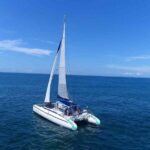
Once you’re on the water, the boat trip toward the diving area can be around 45 minutes, depending on tide and wind. That timing matters because it’s part of how long you’ll be in motion before your first underwater session.
What Happens Underwater (Without Certification): Skills + Coaching
This is not a certification course. It’s a try-it experience designed to let you experience scuba safely with guidance and structured practice.
If you’ve already dived before or you feel confident, you may do theory and confined-water practice on the same day as your sessions, either on and off the boat. That’s useful if you learn fast and you want to skip extra days.
For first-timers, the whole point is controlled skill building. You’ll get a briefing about how to use your gear—especially how to manage your regulator and breathe steadily. You’ll also learn basic safety practices and how to handle your equipment correctly so you can focus on breathing instead of fumbling with straps.
A few small details that matter more than you’d think:
- Your mask has to cover your nose, and breathing control is the whole game
- The first underwater session often starts with tighter instructor contact so you feel stable
- You should be ready for the first steps to feel a bit overwhelming, even if you’re excited
Two Underwater Sessions and the Wildlife You Can Actually Hope For
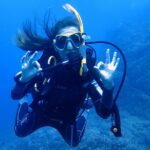
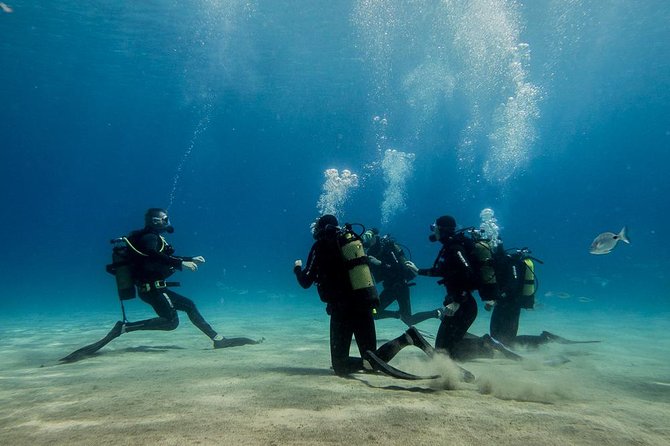
You’ll do two guided underwater sessions. In real terms, think of it as two chances to settle in, learn how your body reacts to scuba gear, and then explore with an instructor close by.
Expect the first session to be about assessment and comfort. Some instructors may escort you more closely underwater during the early part, using hands-on guidance to help you feel steady. That’s reassuring if you’re nervous and it’s also practical for keeping everyone calm and synchronized.
The second session is often where confidence grows. You may be allowed more roaming alongside your instructor once they judge you’re comfortable with breathing and buoyancy basics. That’s when you’ll usually get a better feel for exploring the ocean floor without panic.
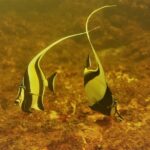
And yes—the wildlife can be excellent around this area. People commonly report seeing dolphins and a sea turtle while they’re out on the water. Underwater, sightings can include puffer fish, a leopard ray, and white-tip sharks. Other commonly reported sightings include turtles, sting rays, fish eels, and reef sharks (including white-tip reef sharks).
Wildlife results aren’t guaranteed, of course. But this is the kind of place where “we saw something” is more likely than “we saw nothing.”
Safety, English Clarity, and When to Speak Up
The best part of this kind of first-timer try-scuba experience is the coaching style. Many people describe instructors as upbeat, attentive, and focused on safety. The instructors typically track your gear and help correct issues fast, so you’re not figuring it out alone.
If you’re going with a group of mixed experience levels, you might see that play out in how the day is organized. In at least one example, some people went for deeper sessions while first-timers did controlled sessions with extra instructor pairing. That kind of structure helps everyone stay within their comfort zone.
Still, language can be a factor. If you’re sensitive to instructions delivered in less-than-perfect English, it’s worth taking a calm approach and asking for confirmation. You want to understand the safety briefing fully, not just nod along.
Also: comfort isn’t optional. If you feel dizzy, anxious, or seasick, tell your instructor early. One key message that shows up in real feedback is that your mindset matters. If anxiety takes over, you can spend oxygen faster than planned. If that happens, it can end your session sooner than you’d like.

Seasickness and Choppy Water: Plan Like a Pro
This is the part that can make or break your day, even when the crew is good.
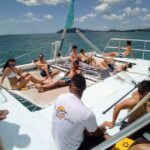
The ocean conditions can vary, and some feedback points to rough water during January (windy season). If you’re even slightly prone to motion sickness, assume you’ll feel it at some point. Boat rides plus underwater training is a combo your stomach may not love.
There’s also an important reality: medication isn’t something the staff can provide. So your best move is to come prepared—typically with seasickness pills you’ve cleared with your doctor or pharmacy.
If you’ve never felt seasick before, don’t assume you’ll be fine. Sudden movement can hit anyone, especially early in the day when your body hasn’t settled.
If you do get queasy, focus on slow breathing and keep communicating. Instructors are used to this situation and can help you reset and decide what’s safe for your next steps.
Price and Value: What $195 Buys You in Real Life
At $195 per person for an about-5 hour experience, this can feel like a splurge. But it’s not just a quick tour.
You’re paying for:
- All scuba equipment provided for your sessions
- Hotel pickup and drop-off
- Snacks during the day
- Trained coaching so you can try scuba without certification
Lunch isn’t included, so budget for food on your own after the trip. That small gap is easy to handle, but it’s still a real cost you should plan for.
The value angle depends on your goal:
- If you want to test the sport before committing to certification, this can be a smart first step. You’ll learn whether scuba equipment, breathing, and water time are actually your thing.
- If you already know you’ll get certified no matter what, you might wonder whether you should go straight to training. Still, trying first can reduce the “what if I hate it” risk.
And because the group can be as small as 10, you’re not paying just for scenery. You’re paying for attention, safety coaching, and time in the water.
Who This Experience Fits Best (and Who Might Wait)
This try-scuba setup is a great fit if you:
- Want to try scuba without certification
- Are comfortable following instructions and learning equipment basics quickly
- Prefer a structured, guided experience rather than going off on your own
It can also work well for families and groups with mixed experience. In one scenario, adults with certification and kids who were first-timers went together, and the instructors adjusted to help everyone feel comfortable.
I’d be more cautious if you:
- Are very sensitive to motion or get anxious easily in open water
- Have medical conditions that your doctor might say are a no-go
- Need to fly soon after. You’re specifically told not to dive within 18 hours of flying
Also, plan for moderate physical fitness. The day involves getting in and out of the boat and being in gear, so you should feel steady on your feet.
Potential Snags: Organization, Boat Comfort, and What to Expect
Not every part of the day has to be perfect for the experience to be worthwhile. But it helps to know what can go sideways.
Some feedback highlights a slightly chaotic feel during parts of the day and limited resources onboard the boat. If you’re the type who likes everything timed like a train schedule, you might find it less polished than a high-end resort operation.
Also watch for the boat ride conditions. Rough water can make you feel more motion sickness than you expect. It can also make it harder to stay focused during the initial briefing.
If English clarity matters to you, stick close to your instructor during the briefing and ask questions if something isn’t clear. You can also help yourself by going in rested and calm—no last-minute panic.
Finally, remember that your session success depends on safety and comfort, not just enthusiasm. If you’re seasick or overwhelmed, the smartest move is telling the staff immediately so they can adjust.
Should You Book This Try-Scuba Experience in Tamarindo?
I think you should book if your main goal is to experience the feeling of scuba gear and guided underwater sessions without committing to certification first. The combination of hotel pickup, provided equipment, small groups, and hands-on coaching makes it a strong way to test your comfort level.
Skip it, or at least delay until you feel ready, if motion sickness is a big issue for you, you’re flying soon, or your medical situation might be a concern. And if you need absolute smooth organization with zero waiting and zero rough-water bumps, this may not match your style.
If you go in prepared—especially with a seasickness plan—and you treat the day as a learning experience, you’ll likely leave with real confidence and a clearer sense of whether you want to pursue formal certification next.