REVIEW · SICILY
WalkingTour CATANIA – discovering the city of lava with a licensed guide
Book on Viator →Operated by GuidingSicily · Bookable on Viator
Catania’s lava story starts in the square. This walking tour is a great way to get local context fast with licensed guides like Titianna and Maria Luisa, and you also hit the daily fish market where Sicilian life feels real (not staged). One thing to plan for: it’s a few hours on your feet, and the tour needs good weather, so comfy shoes and sun protection matter.
Small groups (up to 15) make it easier to hear clear English and ask questions. I like that you walk between big highlights without feeling rushed, and most stops are free to enter, except Ursino Castle.
In This Review
- Key points worth knowing
- Starting at Piazza del Duomo: where your licensed guide takes over
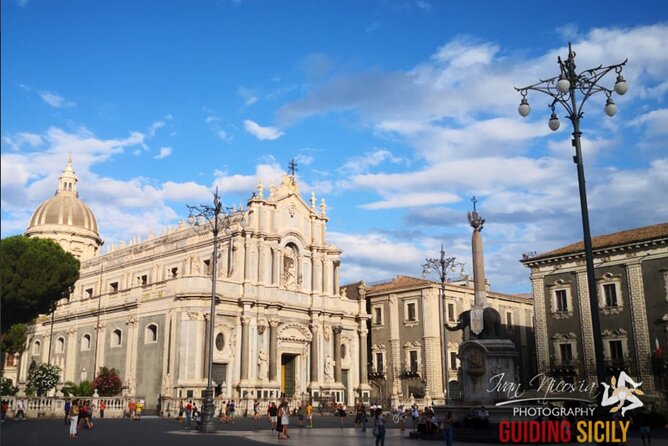
- Duomo Square, the Liotru fountain, and the lava identity of Catania
- Palazzo degli Elefanti: Catania’s Town Hall and its elephant story
- A’ Piscaria fish market: your best hit of real Catania
- Ursino Castle: the lava moat and black basalt you can actually see
- Via dei Crociferi: baroque facades after the 1693 earthquake
- Piazza Università: Sicily’s oldest university seat, with lava pebbles underfoot
- Price and pacing: what $24.19 really buys you
- Tips for enjoying the walk: comfort, heat, and hearing the guide
- Who should book this Catania lava walking tour?
- Should you book this tour?
- FAQ
- How long is the WalkingTour CATANIA experience?
- What language is the tour offered in?
- Where do I meet the guide?
- What time does the tour start?
- Is there a mobile ticket?
- What’s the group size limit?
- Are there any paid entries during the tour?
- Is the tour accessible by public transportation?
- Do you allow service animals?
- What happens if the weather is bad?
Key points worth knowing
- Licensed guides bring Catania to life with real stories and local culture
- Piazza del Duomo sets the tone with the Duomo, Town Hall, and the Liotru fountain
- A’ Piscaria fish market is a daily stop for local flavors and everyday rhythms
- Ursino Castle shows how lava literally reshaped the city’s landscape
- Via dei Crociferi explains why baroque facades came after the 1693 earthquake
- Piazza Università lets you connect Sicily’s oldest university to the city’s lava material
Starting at Piazza del Duomo: where your licensed guide takes over
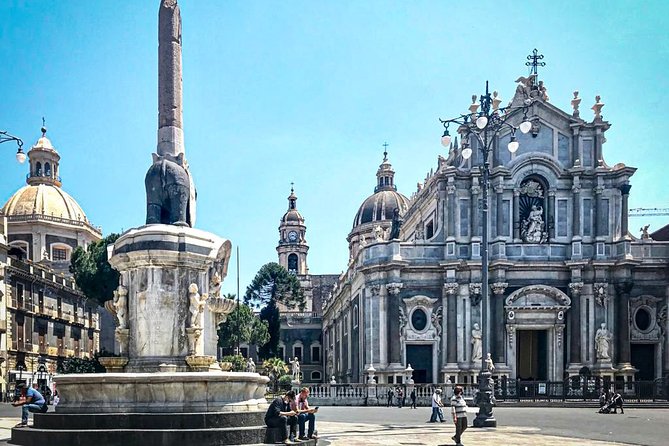
The tour starts where Catania feels most like itself: Piazza del Duomo. You meet your guide at the GS (GuidingSicily) infopoint in the square. These are authorized, licensed guides, and they set the pace from the beginning. I like that the meeting is straightforward and the plan is clear: you’ll walk a tight loop through the historic core and end back at the start.
What makes the start especially useful is that it’s not just a photo stop. The guide anchors you in the city’s identity: lava, architecture, and the way people live with all of it. In reviews, guides like Titianna, Maria Luisa, and Giuseppe get praise for clear explanations and friendly storytelling, so you’re not just walking past monuments—you’re learning how they fit together.
It’s offered in English, and the group max of 15 is big enough to feel social but small enough that you’re not lost in a crowd. That matters in older city streets where you can’t always see everything at once.
You can also read our reviews of more tours and experiences in Sicily.

Duomo Square, the Liotru fountain, and the lava identity of Catania
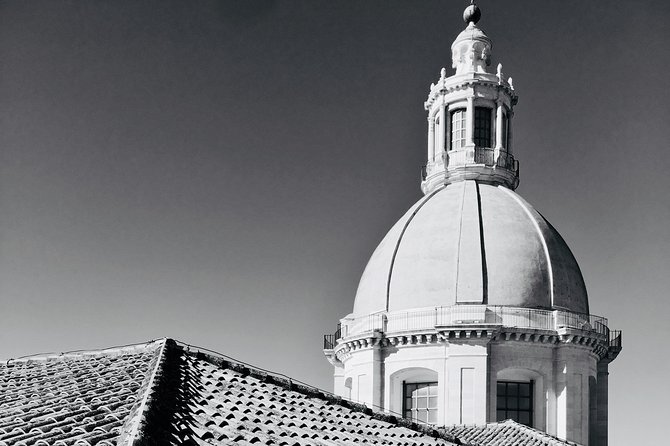
Right from the start, the tour puts you at the city’s power points. You’ll look at the Duomo, described as Norman in origin with a baroque look. Even if you’ve never studied medieval Sicily, the guide’s job here is to help you read the building like a timeline: older roots, later styles, and layers from different eras.
Then you get the other key symbol on the square: the Palazzo degli Elefanti (the Town Hall) and the fountain with the Liotru—an elephant in lava stone topped by an obelisk. This is one of those “wait, why an elephant?” details that turns into a fun city lesson. The elephant motif isn’t random; it ties into how Catania branding, civic identity, and local materials show up in public spaces.
If you’re the type who likes architecture, you’ll enjoy how the guide points out what to notice. If you’re more into everyday life, you’ll like how all these monuments connect back to real Sicilian habits—markets, street life, local food, and how people rebuild after disaster.
Palazzo degli Elefanti: Catania’s Town Hall and its elephant story
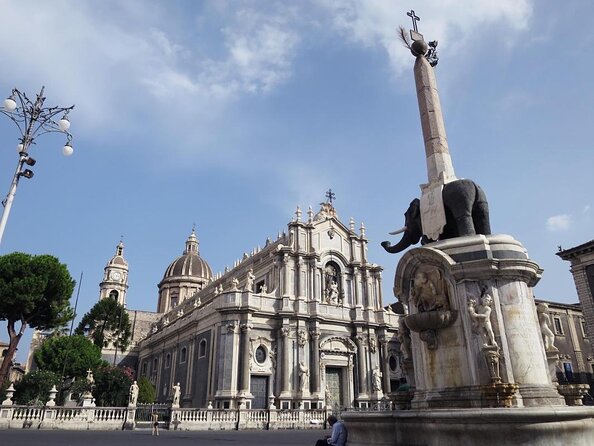
Next comes a short stop at Palazzo degli Elefanti, Catania’s Town Hall. The tour explains why it’s called that: you’ll see representations of the majestic mammal in the gables on the balconies on the noble floor.
This might sound like a “look at the building” moment, but it’s actually a good bridge between street-level Catania and the civic side of the city. You’ll understand how power and pride show up in stone—and why local symbolism feels normal here, not like a tourist gimmick.
The timing is also smart. It’s not dragged out. You get quick context, then you keep moving toward places where you can smell and see daily life.
A’ Piscaria fish market: your best hit of real Catania
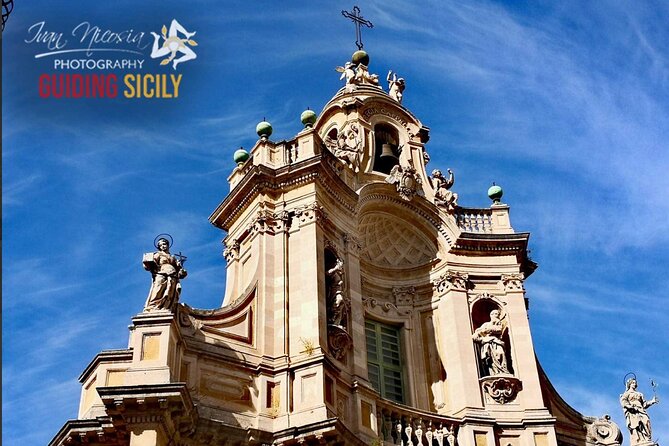
One of the most memorable parts is A’ Piscaria (Mercato del Pesce), the fish market right near Piazza del Duomo. It’s held every day, and the guide frames it as more than shopping. This is where local rhythms show up: vendors arranging the day’s supply, shoppers picking ingredients, and the whole square acting like a living calendar.
In the tour description, you’re encouraged not to miss it because you can find a wide range of local goods: fish, meat, cured meats, cheeses, fruit, and vegetables. That’s a big clue to how Sicilian markets work. They’re not only about seafood, and the guide’s explanations help you spot the patterns.
I also liked how the schedule supports variety. If you’re on a morning option, the historic fish market stop is emphasized. Either way, you’ll leave with a better sense of how Catania eats and why the city’s ingredients matter.
Practical note: markets are active, sometimes loud, and walking through them is part of the experience. If you’d rather keep your day calm, this could be a lot at first—but it’s also where the tour feels most “Sicily.”
Ursino Castle: the lava moat and black basalt you can actually see
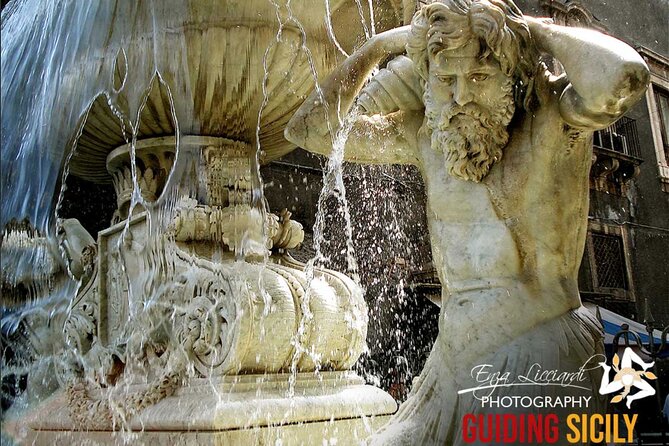
Ursino Castle is a big payoff stop because it shows lava in physical, visible terms. The guide points out the Swabian (noted as Swabian) castle that used to overlook the sea. Today it sits in the historic center, but the story stays sea-level in meaning: a powerful lava flow in the 17th century filled the moat and changed how the fortress sits in the city.
What you can look for during the stop is the black basalt that’s still visible. That’s the kind of detail that makes the whole trip click. Lava stops being a headline and becomes a building material and a landscape fact.
Admission here is the one catch: Ursino Castle admission is not included. The stop is still worth it for the exterior context and the lava explanation, but if you want to go inside, you’ll need to pay separately.
If you love seeing how natural forces shape architecture, this is your anchor moment.



Via dei Crociferi: baroque facades after the 1693 earthquake
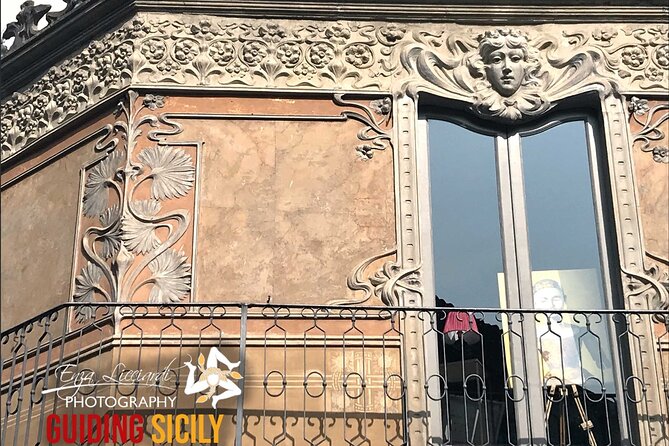
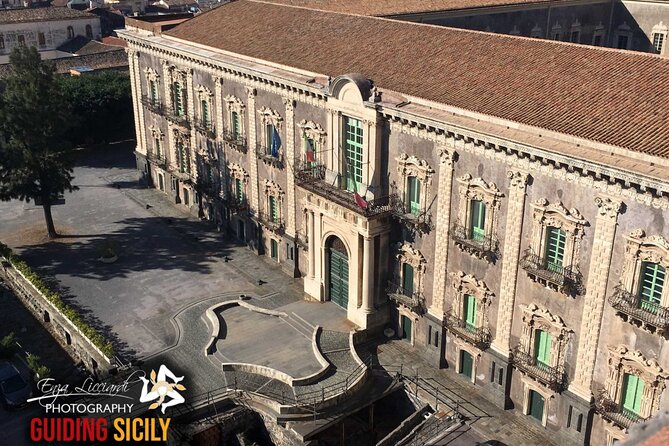
From the castle area, the tour moves to Via dei Crociferi, a famous baroque corridor filled with churches and monasteries. The key theme is what happened after the devastating 1693 earthquake. The guide connects the rebuilt street to that shock: the earthquake wasn’t just destruction, it influenced what rose next and how the city chose to represent itself.
You’ll walk past one church after another, with baroque facades lining the street. The tour keeps the pacing light enough that you can enjoy the architecture without feeling like you’re sprinting. And because your guide has the “why,” the facades make more sense. You start noticing not only what’s pretty, but what’s purposeful.
Drawback to consider: this kind of street can feel busy with foot traffic and activity. You’ll still enjoy it most if you keep your eyes up and let the guide point out details rather than trying to read everything on your own.
Piazza Università: Sicily’s oldest university seat, with lava pebbles underfoot
The last major landmark stop is Piazza Università, where you’ll find the Palazzo del Rettorato. This is described as the seat of the oldest university in Sicily, dating to 1434. The guide’s explanation helps you connect education and local building materials in a way most city tours never touch.
In the courtyard, the tour highlights lava pebbles—tens and tens of generations of students have walked there. It’s a simple idea, but it’s a strong feeling. You’re not just seeing a historic building; you’re stepping into a tradition of place.
You’ll also hear about Palazzo di San Giuliano, another university seat. It was formerly the home of one of the most powerful and richest families in Sicily, which gives you a glimpse of how money and influence were built into the city’s institutions.
This stop makes the tour feel bigger than “pretty old streets.” It ties the city’s identity to how people learned, governed, and lived.
Price and pacing: what $24.19 really buys you
The price is $24.19 per person, for about 2 to 3 hours of guided walking in the center of Catania. On paper, it’s easy to compare to museum tickets, but this is a different kind of value.
Here’s what you’re paying for, in plain terms:
- A licensed guide who explains why the city looks like it does (not just what it is)
- A planned route with multiple major stops, so you don’t waste time guessing
- Most stops have free admission, which keeps costs predictable
- A small group size (max 15), which improves the listening experience
The only stop where admission isn’t included is Ursino Castle, so if you plan to see inside, factor that extra cost into your day.
Reviews also back up the value side. The overall rating sits at 4.7 with 93% recommending the tour. The strongest praise focuses on education that stays fun, guides who tell stories well, and a real sense of Sicilian lifestyle rather than a checklist.
If you’re visiting Catania for the first time and want to understand what you’re looking at, this is a solid use of time.
Tips for enjoying the walk: comfort, heat, and hearing the guide
Catania’s historic center has uneven sidewalks and lots of street detail. One review notes the walk is easy overall, but a few sidewalks can be old or rough. That’s not a deal-breaker, but it’s a reason to wear comfortable shoes with grip.
Also, plan for the weather. The experience requires good weather, and heat can be real in open streets. In reviews, guides were mindful about taking shade breaks and keeping the group comfortable. Bring water and a hat if you’re visiting in warmer months.
For sound: this tour is in English and involves guided storytelling on busy streets. If you notice the guide is hard to hear from where you stand, consider using small hearing aids or earbuds if you already travel that way. One review specifically suggested using auricolari because the guide could be hard to hear at times.
And bring curiosity. The best part of this route is that it teaches you how lava shaped daily life, not only buildings.
Who should book this Catania lava walking tour?
Book it if:
- You want a smart first pass through central Catania
- You care about how history links to visible details like lava materials and architectural choices
- You like food culture and markets, not just monuments
- You prefer a small guided group with clear English
You might skip it or pair it with something else if:
- You hate walking for 2 to 3 hours
- You want lots of museum time inside buildings (since the route includes a castle stop where admission is extra)
- Weather isn’t cooperating, because the tour needs good conditions
This works well as a morning plan, since markets and streets feel lively early.
Should you book this tour?
I think it’s an easy yes for most first-timers in Catania. The route hits the city’s identity fast: Duomo Square and the Liotru, the Town Hall with elephant symbolism, the daily fish market, and the clearest lava lessons at Ursino Castle. Then you finish in Piazza Università with the university courtyard story that makes the city feel lived-in, not just photographed.
If you want to spend your time learning real context while still seeing major landmarks, this is a strong value at $24.19 and a friendly way to understand Catania in just a few hours.
FAQ
How long is the WalkingTour CATANIA experience?
It lasts about 2 to 3 hours.
What language is the tour offered in?
The tour is offered in English.
Where do I meet the guide?
Meet at Piazza del Duomo, 95100 Catania CT, Italy at the GS (GuidingSicily) infopoint in the square.
What time does the tour start?
The start time listed is 10:30 am.
Is there a mobile ticket?
Yes, the tour includes a mobile ticket.
What’s the group size limit?
The tour has a maximum of 15 travelers.
Are there any paid entries during the tour?
Most stops have free admission, but Ursino Castle admission is not included.
Is the tour accessible by public transportation?
Yes, it’s near public transportation.
Do you allow service animals?
Yes, service animals are allowed.
What happens if the weather is bad?
The experience requires good weather. If it’s canceled due to poor weather, you’ll be offered a different date or a full refund.