Palma feels friendlier with a local guide. This private 2.5-hour walk skips big-group friction and links together real Palma moments, from Placa de Cort to the cathedral terraces. I especially like the private tour format for undivided attention, and I love how guides like Alvaro and Cesar can shape what you focus on.
One thing to weigh first: most stops are view-from-the-street, so if you want lots of indoor ticketed attractions beyond the Arab Baths, you’ll need extra plans.
In This Review
- Key things I’d bank on before you go
- A private Palma walk that actually feels local
- Placa de Cort and Olivera de Cort’s face-tree moment
- Banys Arabs: the old hammams you can walk through
- Reial Convent de Sant Francesc and a beloved Mallorquin missionary
- Ca’n Oms: the snack break that keeps Palma energy up
- Placa Major: the main square you’ll want to circle back to
- Llotja de Palma: why the big empty-looking building is worth your time
- Palau de l’Almudaina gardens: royal feeling without the heavy crowd
- Parc de la Mar: where the sea used to be
- Terrazas de la Catedral de Palma: the view that finishes the story
- Price and value: $95.36 for a private host, Arab Baths, and local tastes
- How the guide changes the day (and why reviews keep pointing to it)
- Practical notes before you book
- Should you book this Palma private tour?
- FAQ
- How long is the private Palma tour?
- Is this tour private or shared with other groups?
- What does the tour cost per person?
- Where does the tour start?
- Where does the tour end?
- Are there tickets included for attractions?
- Do you get food or drink during the tour?
- Is the experience carbon neutral?
- Is pickup or drop-off included?
- What is the cancellation rule if I book and then change plans?
Key things I’d bank on before you go

- Private, your party only means no waiting for strangers and no awkward pace conflicts
- Olivera de Cort’s olive tree is the quick, weird, charming start that sets the tone for the walk
- Banys Arabs (Arab Baths) tickets included so you get one key interior experience built in
- Snack + local drink or tasting keeps you moving instead of hunting for food mid-walk
- Royal gardens at Palau de l’Almudaina give you that calm, palace-without-the-crowds feel
- Finish at the cathedral terraces for photos and that Palma skyline payoff
A private Palma walk that actually feels local
Palma de Mallorca can be easy to over-plan. You arrive, see a few famous facades, and end up spending more time figuring out where to go next than actually enjoying the city. This private format fixes that. You get a local host who can read the day and steer you toward the stories and street-level details you would probably miss on your own.
The value isn’t just “no big group.” It’s that your time stays connected. You start in the historic center, you work through landmarks that explain Palma’s layers, and you end with a viewpoint that makes the whole route click. If you want a first-day setup so your later choices feel informed, this kind of walk does that job fast.
The other big win: flexibility. Guides often adjust the route and pace to what fits your group, whether you’re traveling with teenagers who need a little extra engagement or you just want more time near the places that catch your eye.
You can also read our reviews of more tours and experiences in Mallorca.

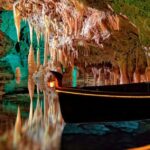
Placa de Cort and Olivera de Cort’s face-tree moment
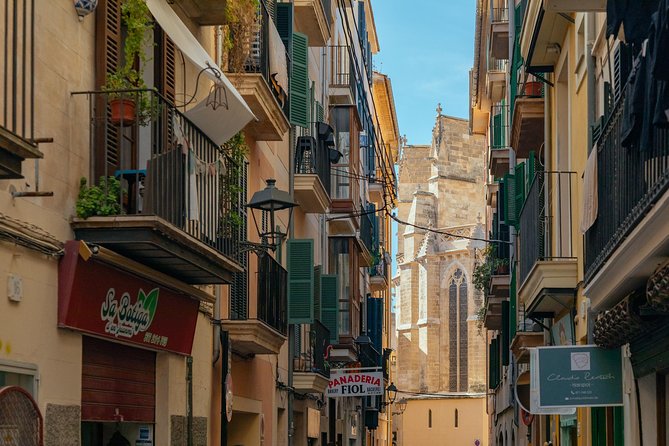
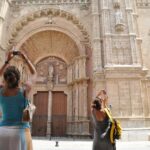
You begin at the Hotel Cort location on Placa de Cort, right in the historic center. This is a smart start because it grounds you immediately in Palma’s older urban core. You get oriented fast, and you also get one of the most memorable quirky details: Olivera de Cort, an ancient olive tree that people describe as having face-like features.
From there, you also get a look inside one of the oldest churches in Palma. The key word is look. This isn’t about racing through a museum. It’s about getting a sense of how long this city has been here and how the religious and civic story overlaps in the same small area.
Why it matters: This opening sets expectations. Palma is not just a resort city with a few monuments; it’s a layered old town where everyday streets sit next to centuries of meaning.
What to consider: If you’re traveling with a slow pace, this stop can still move quickly because it’s designed as a quick orientation-and-story kickoff. It helps to arrive ready to walk and listen.
Banys Arabs: the old hammams you can walk through
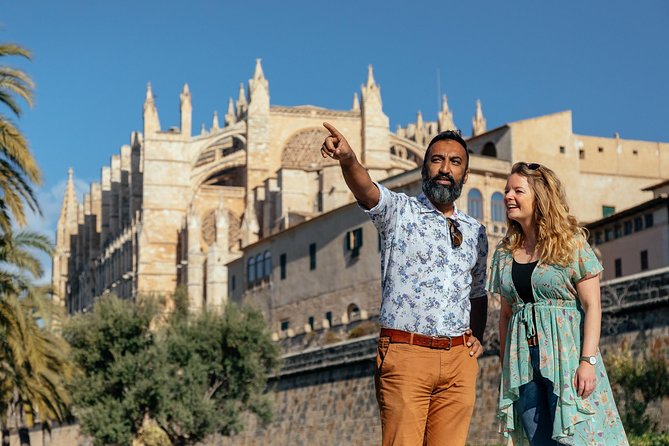
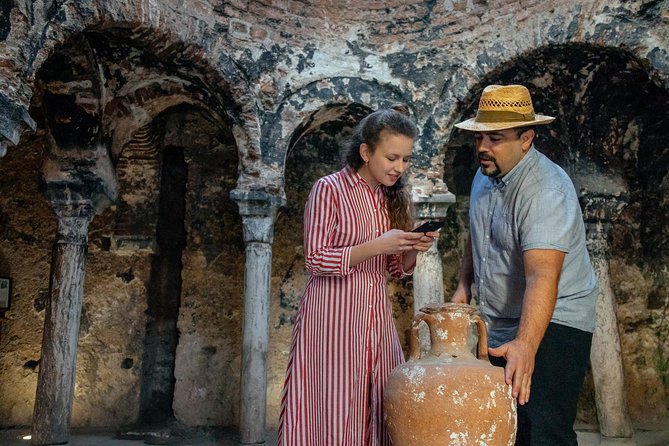
Next comes Banys Arabs, the Arab Baths area. Even when ruins or historic structures look quiet on the outside, a good guide helps you “read” them. You’ll wander around these old hammams and imagine what luxury and daily ritual looked like here in earlier times.
This is also where the tour’s ticket inclusion becomes a practical advantage. The Arab Baths tickets are included, so you don’t have to stop mid-planning and pay extra for the one interior experience that’s built into the route.
Why it matters: Palma’s history spans cultures, and the Arab Baths are a tangible piece of that story. You’re not just hearing dates and names; you’re standing in a space that makes the past feel physical.
What to consider: This portion is time-boxed, so it’s not the best choice if you want to linger for a long, slow architectural study. If you love deep detours, ask your guide for a suggestion on what to revisit afterward.
Reial Convent de Sant Francesc and a beloved Mallorquin missionary
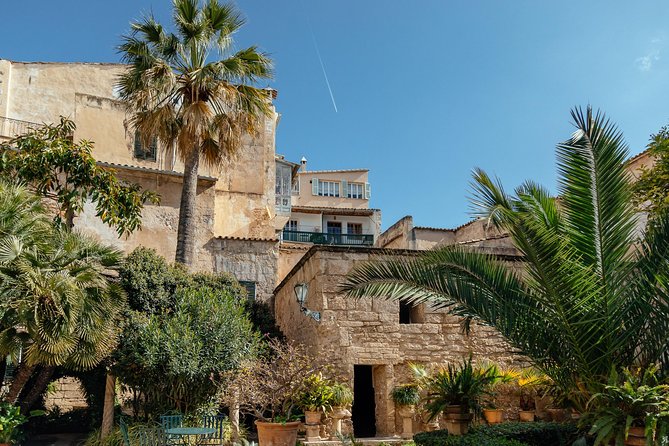
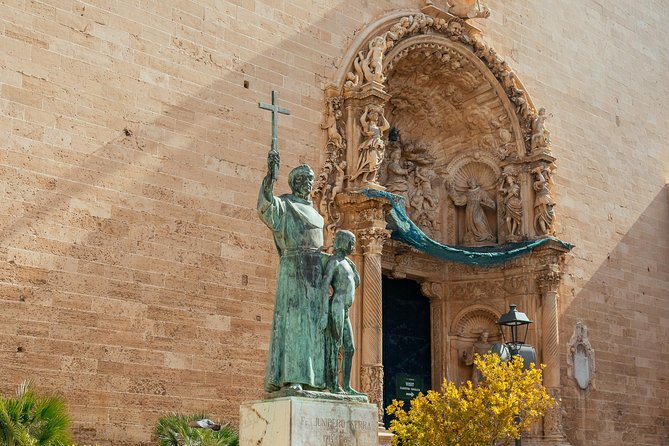
Then you move to Reial Covent de Sant Francesc, starting with the beautiful square nearby and the stories around a beloved Mallorquin missionary. This stop is less about big visual spectacles and more about context—how certain religious figures shaped local identity, and how that identity shows up in places you might otherwise treat like scenery.
If you like tours that connect people to place, this one works. Your host can help you connect the dots between what you see and why Palma keeps telling these particular stories.
What to consider: Since the focus is on outdoor viewpoints and passing by important areas, you may feel less satisfaction if you’re specifically chasing ticketed attractions at every stop. This tour is designed to prioritize flow and interpretation.
Ca’n Oms: the snack break that keeps Palma energy up
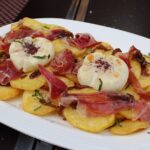
At Ca’n Oms, you get a quick stop aimed at food culture. You’ll try one of the locals’ favorite snacks on the go, plus you’ll also get your included local drink or local tasting per person somewhere during the experience.
This is one of my favorite parts of a walking tour because it prevents the common problem: you spend the day too focused on sightseeing and forget you need a real break. A snack stop also gives your guide a moment to switch from history mode to everyday-life mode, which makes the city feel more human.
What to consider: Food timing matters. If you have dietary needs, it’s smart to mention them early so the guide can steer you toward something suitable. The tour includes one drink or one tasting, so you won’t have unlimited extra spending built in.

Placa Major: the main square you’ll want to circle back to
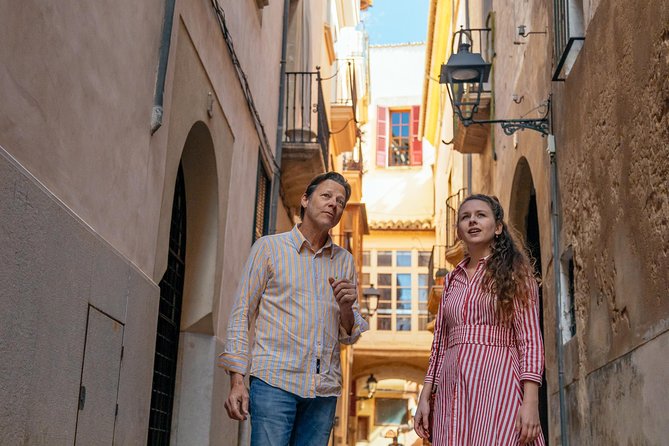
Placa Major is the kind of square Spanish cities do especially well. It’s a classic anchor point, a place where you can reset your bearings. Here, you get a quick but useful framing of what the square is in the life of Palma.
Why it matters: Ending one stop and starting another in the same kind of open space helps you absorb the city layout. You start noticing sight lines—how streets funnel you toward the next big landmark.
What to consider: This is a short pause by design. If you love street life and people watching, you may want to spend extra time later on your own, once the route has already given you the context.
Llotja de Palma: why the big empty-looking building is worth your time
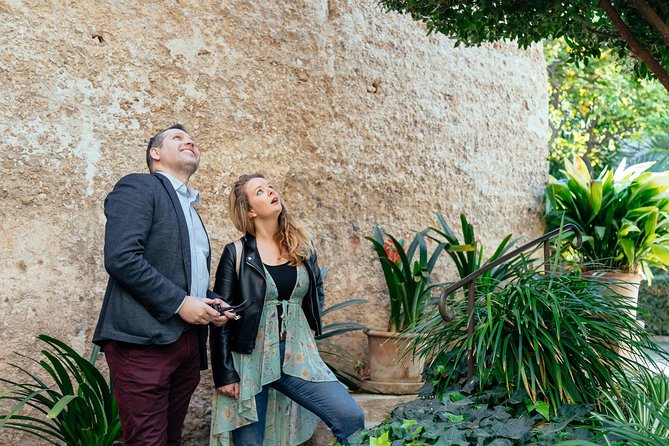
Llotja de Palma can look, at first glance, like a large structure with not much happening. That’s exactly why it’s a great walking-tour stop. A good guide shows you what makes the building significant and what you should look for while you’re nearby.
This is one of those places where interpretation helps. Without guidance, you might focus on what you don’t see. With a host, you notice the details that explain why it mattered.
What to consider: If you’re expecting constant interior access on every stop, this may feel more like an outside-and-story stop. Again, the tour is built for pacing and city orientation more than collecting multiple indoor tickets.
Palau de l’Almudaina gardens: royal feeling without the heavy crowd
Next, you stroll around the gardens of Palau de l’Almudaina. Even from the outside, the garden spaces bring a different rhythm to the walk—more open, more restful, and a reminder that Palma’s power and prestige were never far from the historic center.
You get the sense of royal scale, but in a way that still feels like part of the neighborhood fabric.
Why it matters: This helps break up the day. After more dense historic streets and bath-house storytelling, the gardens give you a visual reset.
What to consider: The tour doesn’t position itself as an all-access palace day. You’ll likely appreciate it most if you enjoy viewpoint moments and story-led wandering rather than full-blown museum time.
Parc de la Mar: where the sea used to be
Parc de la Mar gives you one of those “wait, what?” city facts that makes a walk stick in your memory. You’ll hear how the area you’re walking now used to be sea, which reframes everything around you. A small change in how you picture the ground makes the city feel fresh again.
Why it matters: It turns a park stop into a history lesson you can visualize. And parks are good mid-route breathers, so you also feel better for the final push.
What to consider: If the day is hot, this is a good time to hydrate and slow your steps. Even a short pause can make the final cathedral terrace more enjoyable.
Terrazas de la Catedral de Palma: the view that finishes the story
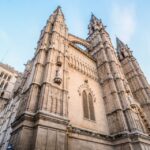
You end at the Terrazas de la Catedral de Palma. This is where the walk pays off. You get a stunning view of the cathedral, and your host can tie together the route themes—civic spaces, religious power, cultural layers, and how Palma’s geography shapes the city.
Why it matters: Ending with a viewpoint helps you remember the whole route as one arc. The cathedral becomes the visual summary of your afternoon.
What to consider: Bring what you’d want for photos—especially if you care about golden-hour light. The tour timing is about 2.5 hours, so you won’t control sunset, but you can still plan what kind of photos you want.
Price and value: $95.36 for a private host, Arab Baths, and local tastes
At $95.36 per person for about 2 hours 30 minutes, this isn’t a bargain in the cheapest sense. But it is strong value for a private Palma introduction because it bundles three things that usually cost extra when you DIY:
- Private local host time (so you don’t waste half the day figuring out routes)
- Arab Baths tickets included (a real paid component)
- One local drink or one local tasting per person (so you’re not hunting during the walk)
Also, the included carbon neutral approach means your tour’s emissions are offset. It doesn’t change the quality of the sights, but it matches the way lots of travelers want to travel now.
If you’re traveling as a couple or small group, private tours can start to make economic sense compared with splitting up between taxis, museum tickets you didn’t plan for, and the extra time you spend without a guide.
Who this price fits best: people who want a smart first day in Palma, history-minded travelers, and families who want a guide to keep attention moving without the chaos of a large group.
How the guide changes the day (and why reviews keep pointing to it)
The biggest recurring theme here is pace and personal attention. Guides are described as on time, flexible, and able to tailor the route to what the group cares about. Names that pop up with positive experiences include Alvaro, Suzanne, Andreas, Frank, Al, Cesar, and Natalia.
Some guides also share practical follow-up help. One common pattern is restaurant recommendations after the walk—exactly what you want when you’re hungry and don’t want to gamble on a random spot near your hotel.
If you’re traveling with kids or teens, you’ll likely appreciate how the best hosts adjust their storytelling so it stays interesting instead of turning into a lecture.
Practical notes before you book
A few details help you set expectations so the day goes smoothly:
- Plan on moderate walking. The tour is designed as a city walk through the historic center.
- Most attractions are outside viewing. Only the Arab Baths have tickets included, so you’re not getting full interior access at every stop.
- There’s no pickup or drop-off, so you’ll start at the meeting point near Hotel Cort (Placa de Cort) and return there.
- You’ll use a mobile ticket, which is usually easier than printed vouchers when you’re walking and moving phones around for photos.
Should you book this Palma private tour?
I’d book it if you want a smooth first taste of Palma de Mallorca and you’d rather spend your afternoon seeing and understanding than searching. The route makes sense for orientation, and the combination of key historic stops plus a snack/drink break helps the walk feel like a real day in the city, not a checklist.
I’d skip it or add extras if you know you’ll get restless without lots of indoor ticketed time. Since the tour mainly favors outside viewing, you’ll want a separate plan for any must-see interiors beyond the Arab Baths.
If you’re okay with walking and you like stories that connect buildings to the way Palma grew, this is a strong way to start your trip and end it with a great photo view from the cathedral terraces.
FAQ
How long is the private Palma tour?
It lasts about 2 hours 30 minutes.
Is this tour private or shared with other groups?
It’s private. Only your group and your local guide participate.
What does the tour cost per person?
The price is $95.36 per person.
Where does the tour start?
The meeting point is at Hotel Cort on Placa de Cort, Palma.
Where does the tour end?
The tour ends back at the same meeting point.
Are there tickets included for attractions?
Tickets for the Arab Baths are included. The other stops are described as being visited from the outside.
Do you get food or drink during the tour?
Yes. You receive 1 local drink or 1 local tasting per person.
Is the experience carbon neutral?
Yes. It’s described as a sustainable carbon neutral experience with emissions offset.
Is pickup or drop-off included?
No. Pickup and drop-off are not included.
What is the cancellation rule if I book and then change plans?
Free cancellation is available up to 24 hours in advance for a full refund. If you cancel less than 24 hours before the start time, the amount paid is not refunded.