REVIEW · MALLORCA
Private Tour: Palma de Mallorca Old Town
Book on Viator →Operated by Nofrills Excursions · Bookable on Viator
Palma’s old town layers click fast. This private, guide-led stroll is built for tailored stories and frequent photo stops as you move through Parc de la Mar, the 16th-century Jewish quarter, and major landmarks like Palma Cathedral and Almudaina Palace. You’ll get a walking pace that actually matches your interests, not a one-size-fits-all script.
My favorite parts are the way the guide customizes commentary on the spot (architecture, religion, food stops, or whatever you care about), and the fact that you spend real time in the lanes and courtyards instead of only peeking from big tour groups. One thing to plan for: there’s no hotel pickup, and if you’re arriving by cruise, the meeting point is about 5 miles from the port—so you’ll want to budget for taxi time (and make sure the cab fits a stroller if needed).
In This Review
- Key things to know before you go
- A private Palma Old Town walk that feels made for you
- Parc de la Mar: where you get oriented and start taking better pictures
- The 16th-century Jewish quarter: the story that connects the streets
- Palma Cathedral: outside photos first, then a smart inside upgrade
- Almudaina Palace: from Arabian fortress to Palma’s seat of power
- Santa Clara and the Arab Baths: historic spaces worth looking at twice
- Art Nouveau in Palma: how the city’s newer style fits the older streets
- Pacing and practical stuff for a 2.5-hour walk
- Price and value: is $165.19 per person worth it?
- Who this tour suits best
- Should you book this Palma Old Town private tour?
Key things to know before you go
- Private guide, tailored pace: you can steer the conversation and slow down for photos or questions
- Jewish heritage walk: guided exploration of Palma’s old Jewish quarter and its lasting influence
- Cathedral upgrade is optional: you can start with outside photos, then add entry if you want
- Old fortress to royal palace: Almudaina Palace connects Arabian roots with later Palma power
- Arab Baths and Santa Clara stop-throughs: your guide points out what to look for in these historic spaces
- Central meeting point: near public transport, but you should plan your arrival route
A private Palma Old Town walk that feels made for you
A good Old Town tour does one key thing: it turns a place you’ve seen on postcards into a place you understand. This one focuses on exactly that by using a private format. You’re not competing with a crowd for the guide’s attention, and the walk isn’t locked into only the most obvious stops.
What I like here is that the guide listens early and adjusts. If your interest is religious history, you’ll get the big picture of how different faiths and eras shaped Palma. If you’re more into architecture, you’ll get the names, styles, and details to look for as you pass façades and courtyards. Even better, the tour is paced around walking time on foot, so you see how the streets really work—small turns, sudden viewpoints, and the satisfying sense of getting your bearings.
The duration is about 2 hours 30 minutes, which is long enough to feel like you covered a meaningful chunk of Old Palma, but short enough that you still have energy left for lunch or a museum later. And yes, it’s designed for photo breaks, not nonstop motion.
You can also read our reviews of more tours and experiences in Mallorca.

Parc de la Mar: where you get oriented and start taking better pictures
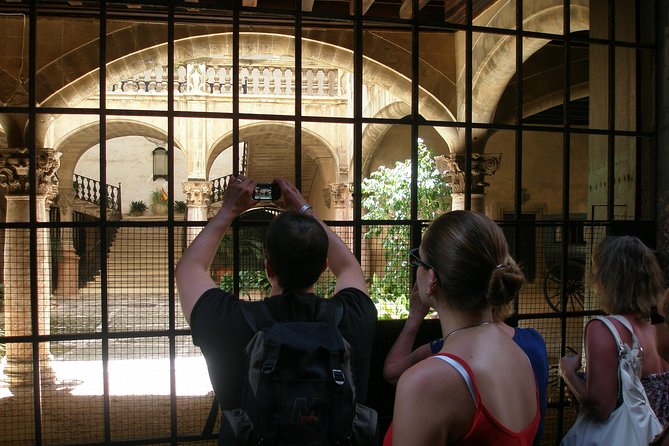
Your meeting point is in central Palma (Carrer del Moll, 1, near Parc de la Mar). From there, the first stretch is a gentle start: a walk toward the city’s so-called monumental area, built for easy sightseeing and questions.
This is a smart beginning for two reasons. First, it gets you moving without pressure. Second, it sets up the themes you’ll keep seeing later: how the city grew, how power and faith left their marks, and why some corners feel like they belong to different centuries at once.
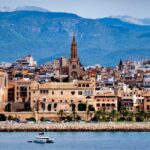
Expect plenty of chances to frame shots of the waterfront area and the Old Town skyline. If you like architecture, this is where your guide can point out what you’ll be seeing in the next parts—so the rest of the walk lands harder. The stop time here is brief (around 15 minutes), but it acts like a warm-up, not a “drive-by.”
The 16th-century Jewish quarter: the story that connects the streets
The core of this tour is a long, slow exploration of Palma’s old Jewish quarter—built around the island’s Jewish heritage and the community that lives in Mallorca today. You’ll spend about 3 hours in this area, which is the big clue that this isn’t meant to be a quick checkbox.
As you wander, you’ll hear how the quarter earned its reputation as a landmark area full of history in a compact space. This is where you notice what “Old Town” really means: winding lanes, courtyards, and small sightlines where a single doorway or stone detail can lead to a whole era of explanation.
If you care about history, this is the section that gives you context for why Palma looks the way it does—not just what to photograph. If you care about daily life, you’ll also start to see how centuries-old spaces still shape movement and atmosphere.
One practical tip: bring your curiosity. You can ask questions as you walk, and this is the kind of tour where the guide can tailor answers rather than just tossing out general facts. That’s also why a private guide matters here. In a group, you might get the story once. In private, you can get your story.
Palma Cathedral: outside photos first, then a smart inside upgrade
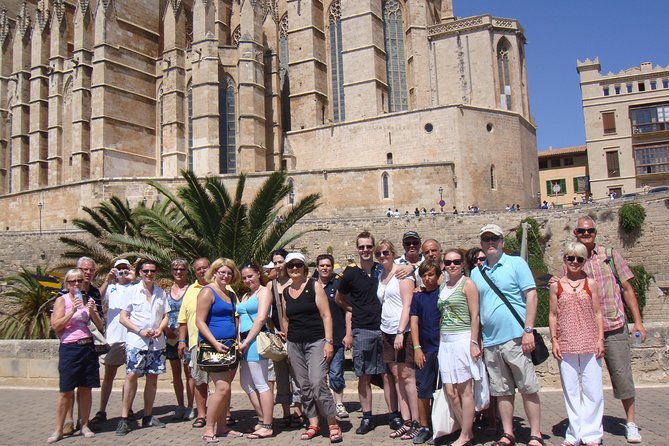
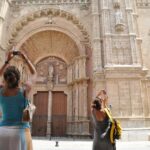
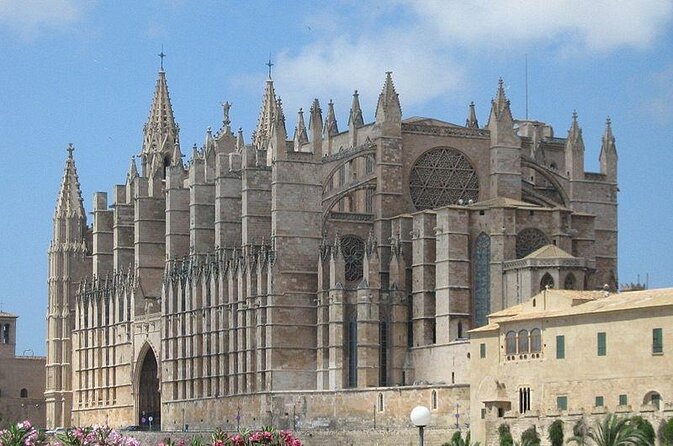
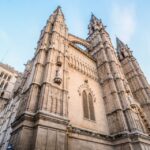
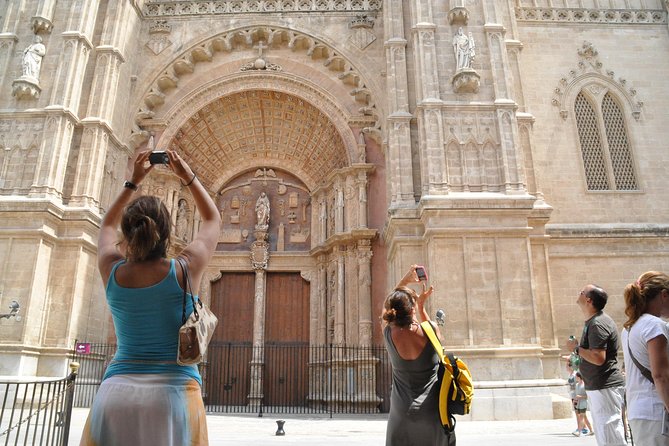
Next is Palma Cathedral (La Seu). The default approach is a photo stop outside, with commentary about the site’s deep layers.
You’ll hear how the Roman Catholic cathedral stands on a spot where an Arabian mosque once stood. That kind of overlap is what makes Palma feel like a historical palimpsest: not one clean timeline, but layers that keep talking to each other.
You also have an option to upgrade for entry. If you do, you’ll go inside to see the circular stained-glass windows and features designed by Gaudí, including the cathedral’s modernist standout: the altarpiece. Many people find this the highlight because it’s visually loud in the best way—color, scale, and detail all at once.
One consideration: inside time depends on your interests. If you’re the type who likes architecture but only wants a taste, outside might be enough. If you want to understand why the cathedral is a major modernist story as well as a religious one, add the entry upgrade.
Almudaina Palace: from Arabian fortress to Palma’s seat of power
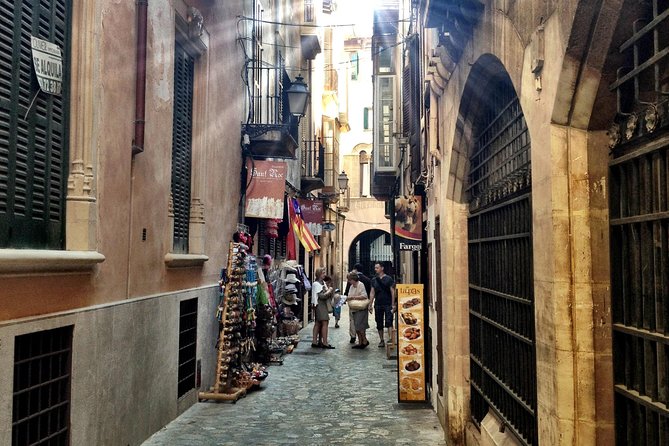
From the cathedral zone, the tour shifts into Old Town streets that feel like a maze—churches, small passages, and 16th-century courtyards with trees and fountains. A major anchor point here is Palau de l’Almudaina.
Almudaina Palace was originally built as an Arabian fortress, which gives you a direct thread back to the earlier discussion about religious layers. Then the walk connects it to Palma’s later identity as the seat of authority, with the palace acting like a physical summary of the city’s changing roles over time.
This part is shorter (about 10 minutes), but it’s placed well. It comes after you’ve already learned how Palma’s past stacks up, so you don’t just pass by a landmark—you read it.
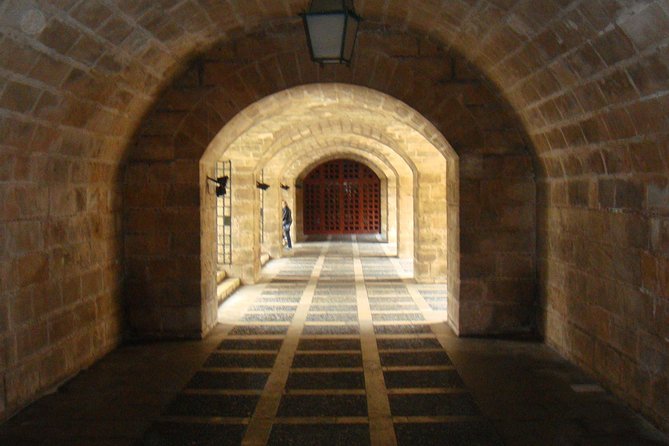
If you enjoy photo stops, this is also a good zone. Courtyards and shaded passages give you light that feels different from the open waterfront, and your guide can steer you toward angles worth the stop.


Santa Clara and the Arab Baths: historic spaces worth looking at twice
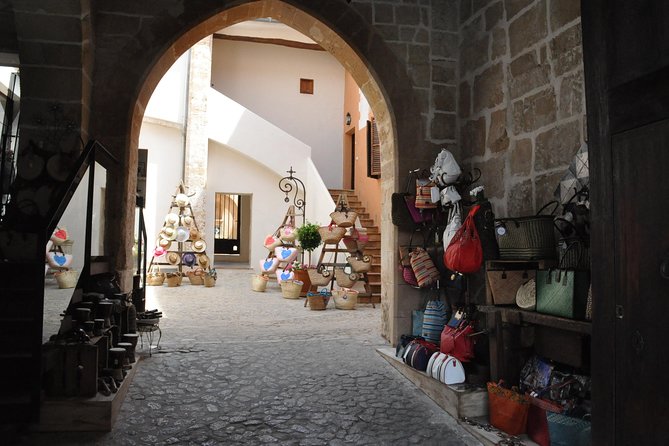
In the Old Town maze, your guide scouts out places like the Convent of Santa Clara and the Arab Baths. You’re not spending a long museum session in this portion, but the value here is the way someone local-trained helps you see what you’d miss if you were walking on your own.
Courtyards can be easy to underestimate. They look pretty from the street, but they’re also where you understand how buildings relate to climate, community life, and sacred or daily-purpose spaces. Santa Clara offers that kind of visual and interpretive payoff.
The Arab Baths (Baths of Palma) connect back to the city’s layered history again, not as a random fact but as a recurring theme: Mallorca’s cultural influences didn’t disappear; they were absorbed, reused, and reinterpreted through centuries.
Even if you don’t go inside during the tour, your guide can point out what to notice—where the design signals its purpose, and how the surrounding streets shape access. That “look for this” approach makes independent exploring afterward much more satisfying.
Art Nouveau in Palma: how the city’s newer style fits the older streets
Another strong element is the way the tour connects the older story with Palma’s modernist/Art Nouveau side. The guide will point out modernist architecture and developments as you move, so you’re not stuck in only medieval or religious viewpoints.
This matters because Palma isn’t just “old.” It also has a visible 19th–20th century identity that shapes how the city feels today. Once you’ve learned what the cathedral and palace represent, it’s easier to notice why Gaudí-style modernism grabs you emotionally. It’s the same city energy, just expressed in a different century’s language.
If you’re an architecture person, this is the part where you’ll feel the tour’s customization. A guide who leans into details will help you identify patterns in façades and design choices, turning random buildings into an actual route.
Pacing and practical stuff for a 2.5-hour walk
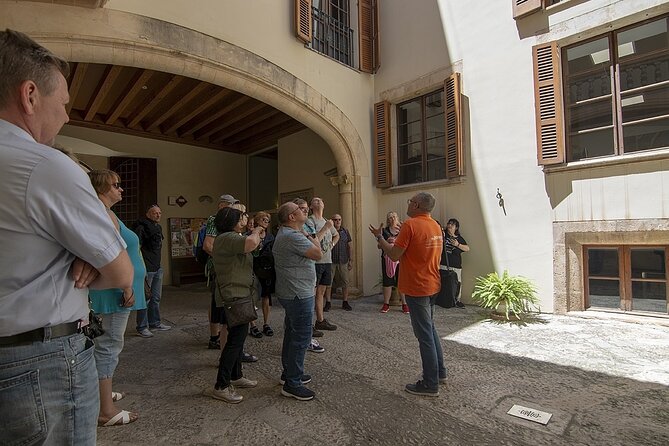
This is a walking tour with stops that total about 2.5 hours. That means you should think in terms of “steady walking with breaks,” not museum marathon.
Footwear matters. You’ll cover a mix of cobbled streets and narrow lanes, plus turning and stopping for photos. If you’re bringing kids, a stroller might be doable, but the streets and turns can slow you down. Plan for pauses.
Also plan your arrival. There’s no hotel pickup. You’re meeting at Carrer del Moll, 1, and the end is back at the same spot. That’s convenient for planning your afternoon, but it puts the work on you for getting there.
If you’re coming from a cruise ship, budget taxi time. One past experience noted the port is close to 5 miles from the meeting point, and it took two taxis depending on group size and stroller needs. Translation: don’t assume it’s an easy walk from the ship.
Price and value: is $165.19 per person worth it?
At $165.19 per person for about 2 hours 30 minutes, the value depends on what you want from Palma.
You’re paying for three things:
- A private guide (so your questions and interests can steer the tour)
- Time in the areas that matter (Jewish quarter focus, cathedral context, palace layers)
- Optional upgrades (notably cathedral entry, if you want to go inside)
If you only want a quick highlights loop, you might find cheaper group tours. But if you care about the why behind the buildings, a private guide can be cost-effective because you’ll get a better “decode” of what you’re seeing. The best guides don’t just list facts—they help you notice what’s important for the story you want to take home.
This is also a good price point when you’re traveling with a small group and can split the cost. The tour listing notes group discounts, which can make a private format feel a lot less premium.
Who this tour suits best
This private Palma Old Town walk is a great fit if you:
- Want a custom guide experience instead of a scripted group tour
- Like architecture and want explanations you can use immediately while looking at façades
- Care about cultural history, especially the Jewish heritage story in Palma
- Enjoy photography and want frequent pauses to get angles without sprinting
It’s also a good first-day tour. It helps you understand the city’s layers fast—waterfront to cathedral to fortress palace to courtyards—so the rest of your time feels easier.
If you prefer a strict museum-style schedule with lots of interior time, you might find the walking portions short. But the cathedral entry upgrade gives you a way to add more “inside” focus if that’s your priority.
Should you book this Palma Old Town private tour?
Book it if you want a thoughtful, guide-led walk through Palma that connects the dots between the Jewish quarter, the cathedral, and the fortress/palace story—plus modernist architecture as a bonus layer.
Skip it or consider a different format if you dislike walking, hate optional upgrades, or you’re arriving with limited mobility support and don’t want to manage meeting-point logistics on your own.
If you do book, I’d treat the cathedral entry upgrade as your main decision point. If the Gaudí-designed modernist interior details sound like what you came for, add it. If you mostly want photos and big-picture context, the outside stop may feel right.
And one last practical move: when you meet your guide, be direct about what you want—architecture, religious history, courtyards, or photo time. This tour works best when you steer it.