Mount Etna has a way of making you slow down. This morning trip from Catania mixes a guided hike up high slopes, inner craters, and a lava cave walk with helmet and headlamp gear. You also get story-driven geology and history from a guide who can explain what you’re seeing in plain language, even when the group is mixed.
What I love most is that it’s not just viewpoints from the bus. You’ll actually walk on Etna’s volcanic terrain, then step into a lava cave for a very different look at how eruptions shape the island. Second, the setup is thoughtful: free hotel pickup in Catania (with limits for ZTL areas), A/C transport, and included admission tickets mean you spend less time organizing and more time moving.
One thing to consider: Etna can be moody. The itinerary depends on conditions, so you may not reach the highest points in every season or weather window—and you should not count on seeing active eruptions.
In This Review
- Key highlights you’ll feel from the first stop
- From Catania pickup to Etna Est: the logistics that matter
- The hike toward 2000 meters: what you’re really paying for
- Inner craters and the moon-feel panorama
- Lava cave time: helmet, torch, and what to expect
- Valle del Bove: the big view after the hard parts
- Group size and guide style: why it can feel different tour to tour
- What’s included (and what you must bring)
- Clothing and gear checklist (based on what the terrain demands)
- Price and value: is €71.35 a fair deal?
- Weather reality: plan for all conditions
- So who should book this Etna morning trip?
- Should you book the Etna Morning Trip?
- FAQ
- FAQ
- How long is the Etna Morning Trip?
- What time does pickup happen from Catania?
- What’s the meeting point in the Catania area?
- Is food and drinks included?
- What gear do I get for the lava cave?
- Does the tour run in bad weather?
Key highlights you’ll feel from the first stop
- Free Catania pickup + A/C transport with a group capped at 20 for a more manageable pace
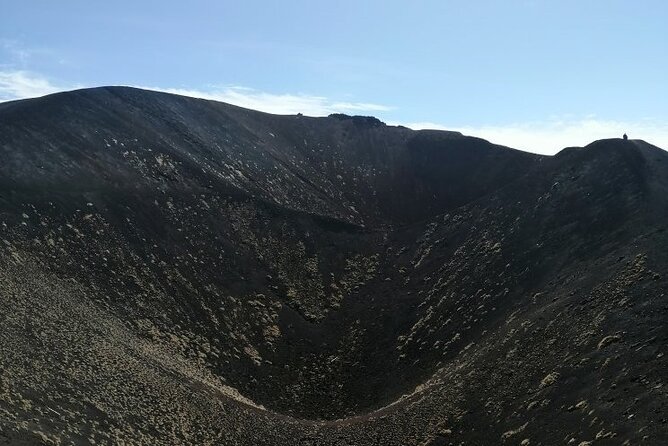
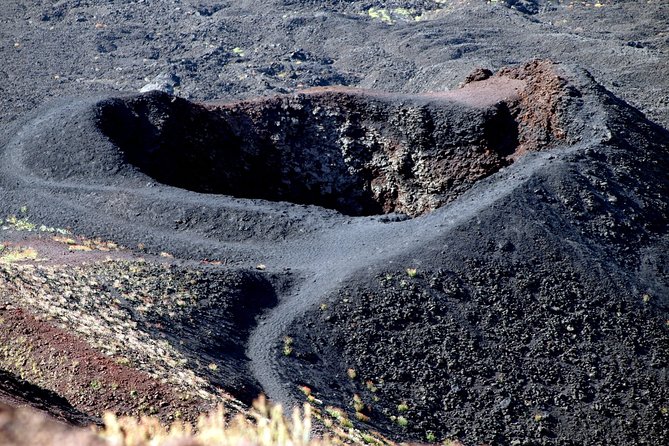
- Walk up to about 2000 meters and get crater views that feel like a different planet
- Inner craters on foot with guide talk about volcano formation, plus flora and fauna along the way
- Lava cave visit with helmet and headlamp/torch so you can explore safely in the dark
- Valle del Bove panorama as a major payoff after the hiking and cave time
- English offered, often through bilingual or multi-lingual guide support to keep explanations accessible
From Catania pickup to Etna Est: the logistics that matter
The day starts with pickup around 8:20–9:00am, with the tour set to begin at 9:00am. You’ll meet at Via Duca di Camastra, 95030 Gravina di Catania CT, Italy, and the activity ends back at that same meeting point.
If your hotel sits in a ZTL area (those restricted-traffic zones), you’ll use a meeting point reachable by about a 5-minute walk. This is one of those small details that can save stress. If you’re not sure about your hotel’s zone, check with your accommodation or ask me to help you look it up.
The transport is by A/C minivan/jeep/minibus, and admission tickets are included as part of the flow of the day. One practical heads-up: expect some time in the vehicle. Etna is worth it, but you are traveling, then hiking, then traveling again.
At the start, the tour runs from Etna Est. Think of Etna Est as your launchpad. It’s where the morning shifts from city routine into volcanic terrain.
You can also read our reviews of more tours and experiences in Sicily.

The hike toward 2000 meters: what you’re really paying for
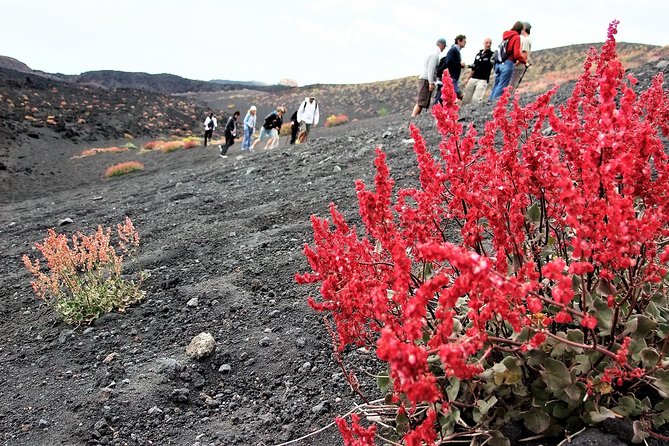
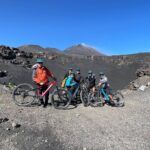
A big reason this tour works is that it’s built around guided movement. You go along the trail that takes you up to about 2000m above sea level, and your guide explains how Europe’s highest volcano was born, while also pointing out the plant and animal life that survives here.
This is where you get the real value versus doing Etna on your own. Left to your own devices, you might see lava and craters, but you might miss the meaning. With a guide, you learn to read the clues—old versus newer lava flows, how terrain changes over time, and why the mountain looks the way it does.
Pace and fitness level are usually manageable for many people, but it’s still a mountain walk. You’re dealing with altitude and uneven ground. In cold or windy conditions, that changes everything. One winter experience note was that weather can force shorter routes, including fewer crater stops if snow blocks the path.
So, if you want a smooth, low-effort day, this may not be the right fit. If you want a guided hike without having to plan the timing, gear, or safety steps yourself, this is the sweet spot.
A small but important detail: the day is designed so you don’t lug a backpack for every step. The schedule includes breaks and uses provided cave gear. Still, bring a basic layer system and whatever keeps you comfortable. In cooler months, your biggest enemy is often wind.
Inner craters and the moon-feel panorama
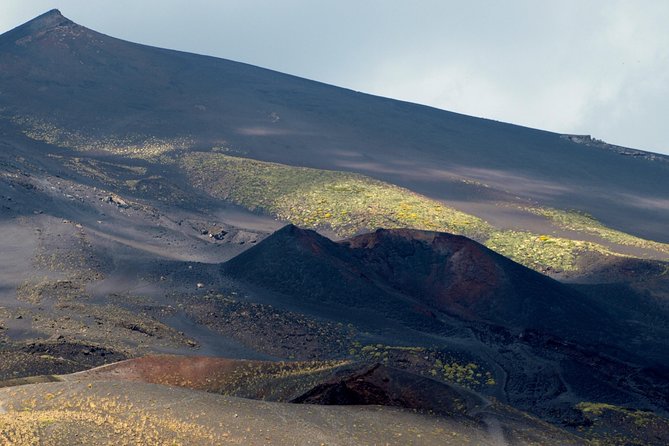
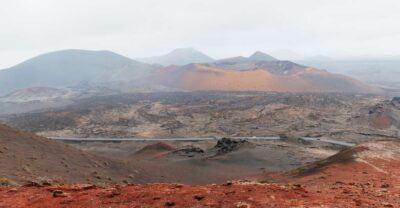
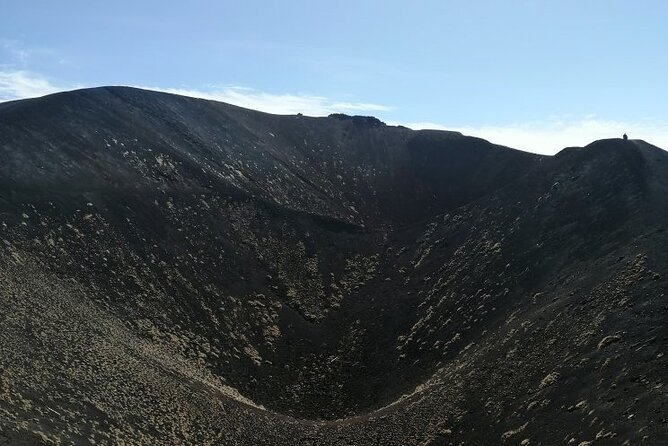
After taking in lava flows and viewpoints, the hike continues to the inner part of older craters. This is the stage where the mountain starts to feel like a movie set. You’re surrounded by volcanic shapes, and the views can look otherworldly—people describe a moon-like feeling when the crater panorama opens up.
This portion is also where the guidance tends to stand out. Names you may encounter in English support include Daphne, Leonardo, Daniel, and Iorga. The common thread in how these guides are described is clarity and energy—lots of talking that’s meant to help you understand what you’re seeing, not just point at rocks.
If you’re sensitive to group dynamics, here’s the honest note: it’s a shared group experience. Even when English is offered, you might have a mixed-language moment if the group composition changes. A bilingual guide usually helps keep information aligned, including switching between Italian and English so people aren’t left out.
Lava cave time: helmet, torch, and what to expect
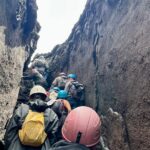
The highlight for many people is the lava cave visit. You’ll carry helmet and torch (the tour provides the safety gear), then walk into the cave to see a unique spectacle created by past lava activity.
This is one of the best “wow, I didn’t know that” experiences on Etna. A cave puts volcanic geology into a different category than craters and lava fields. Instead of looking at what’s on the surface, you’re seeing how molten rock moved and cooled underground.
Safety gear is included, which helps a lot. You don’t need to hunt down headlamps or figure out helmet sizes. Still, you may want to bring your own disposable gloves or mask if you prefer extra barrier protection—those are not included.
Comfort tip: wear shoes with real grip. Even if the cave walk sounds brief, you’re moving on surfaces that can be damp or slippery. Good tread matters more than fancy footwear.
Also, caves can feel cooler inside than outside. If the outside is windy and cold, you’ll likely appreciate a warm layer, even if you’re sweating a bit during the hike.
Valle del Bove: the big view after the hard parts
After the cave, you’ll move through lush-looking vegetation before reaching the Valle del Bove panorama. This is the kind of stop that makes the entire morning connect. You go from close-up geology—craters and cave—to a wider view that helps you understand the scale of the volcano.
If you’re lucky with timing and visibility, you might catch sweeping sights toward other parts of Sicily. One commonly mentioned angle is views in the direction of Taormina and the Italian mainland.
This stop also helps reset you. The day includes walking segments, so it’s a chance to breathe, take photos, and let the explanations make more sense in your head.



Group size and guide style: why it can feel different tour to tour
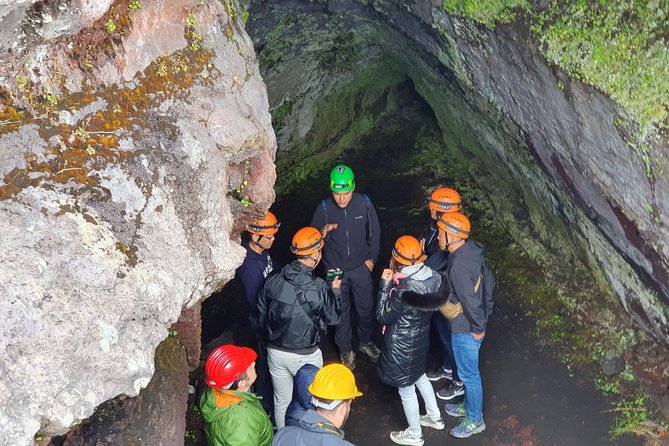
This is a group tour with a maximum of 20 travelers. In practice, that tends to be a good size for Etna. You’re not fighting crowds, and the guide can manage questions while still keeping the schedule moving.
Most guides are praised for being both friendly and knowledgeable, and the energy level is often described as positive. Some guides use humor to keep the mood light during a long day of talking and walking. That’s usually fun—but if you strongly prefer a more straightforward lecture style, you should know that the guide’s personality becomes part of the experience.
There’s also a practical reality: communication systems. One experience described difficulty hearing due to radio/static in a vehicle. If you rely on hearing every word, consider packing patience (and maybe downloading your own notes ahead of time, like a few quick Etna facts so you’re not lost if audio cuts in and out).
What’s included (and what you must bring)
Here’s the practical breakdown of what the tour covers and what you’re responsible for:
Included:
- Driver/guide and a professional guide
- Free hotel pickup and drop-off in Catania except ZTL areas
- Free transport by A/C minivan/jeep/minibus
- Mobile ticket
- Admission tickets included for the planned stops
- Helmet and torch/headlamp for the lava cave exploration
Not included:
- Food and drinks
- Disposable gloves and mask
- Clothes (you’ll need to dress for weather and altitude)
- Trikke use
So, plan your snack and hydration strategy. Food and drinks are your job, and you should be prepared for a day where you’re walking and then exploring. Even if some parts feel quick, you’re at altitude and it’s easy to underestimate how much energy you burn.
Clothing and gear checklist (based on what the terrain demands)
- Sturdy hiking shoes with grip
- Warm layer for wind (mountain mornings can feel much colder than Catania)
- A jacket with a hood or wind protection
- A light daypack for water/snacks
- Optional: gloves and mask if you want extra protection
Price and value: is €71.35 a fair deal?
The tour runs about $71.35 per person for roughly 6 hours. That price is competitive when you factor in what’s included: pickup, A/C transportation, admission tickets, and the safety gear needed for the lava cave.
The value angle is strongest if you want the guide’s explanation. If you’re comfortable researching Etna yourself, you could do parts independently—but then you’re also handling routes, timings, and safety questions. Here, you’re paying for structure.
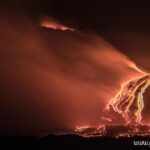
Where the price won’t feel like a bargain is if you’re expecting more time at the very top or guaranteed active eruption views. The tour is designed for crater walking and cave exploration, but volcanic activity is unpredictable. Expect the day to focus on the mountain’s shape and history, not on a promise of spectacle.
Weather reality: plan for all conditions
This tour operates in all weather conditions, but it also requires good weather. If poor weather cancels the experience, you’re offered a different date or a full refund.
In real terms, that means:
- You should dress for wind, cold, and sudden changes.
- If conditions are unsafe for a portion of the route, the hike can be shortened or altered.
That happened in at least one winter scenario where snow limited access and only one crater was reached. It’s not the tour’s fault—it’s Etna doing what Etna does. Just make sure your expectations match the reality: you’re visiting a working volcano, not a theme park.
So who should book this Etna morning trip?
Book it if you:
- Want a guided introduction to Etna’s geology without planning every step
- Like active days with walking, then a memorable cave moment
- Prefer a small group experience (20 max)
- Care about understanding what you’re seeing, not just taking photos
Consider another option if you:
- Want a long, uninterrupted hike at the highest elevations
- Need a quiet, low-talk experience (some guides use humor)
- Have current respiratory illness symptoms (the tour is not recommended for travelers with flu or cold)
- Are traveling with needs that don’t fit group logistics and shared timing
Should you book the Etna Morning Trip?
If you’re visiting Sicily and want one high-impact half-day with serious volcano education built into the schedule, I think this is a strong choice. The included admission, pickup, and cave gear reduce friction. And the combination of crater walking plus a lava cave visit gives you two types of Etna experiences in one morning.
My advice: go in ready for a hike, a bit of driving, and changing weather. Bring the right shoes and warm layers, and treat the day as guided geology on foot. If active eruption viewing is your top priority, manage expectations—this is about Etna’s landforms and process, not a guaranteed show.
FAQ
FAQ
How long is the Etna Morning Trip?
It’s about 6 hours, depending on conditions and how the day unfolds.
What time does pickup happen from Catania?
Pickup can be between 8:20 and 9:00am, with the tour start time listed as 9:00am.
What’s the meeting point in the Catania area?
The meeting point is Via Duca di Camastra, 95030 Gravina di Catania CT, Italy. If your accommodation is in a ZTL area, you’ll be given a meeting point you can reach on foot in about 5 minutes.
Is food and drinks included?
No. Food and drinks are not included, so plan to bring or buy what you need during breaks.
What gear do I get for the lava cave?
The tour provides helmet and torch/headlamp for exploring the lava cave. Disposable gloves and a mask are not included.
Does the tour run in bad weather?
It operates in all weather conditions, but it also depends on good weather. If canceled due to poor weather, you’ll be offered a different date or a full refund.