Etna feels like stepping into another planet. This Etna Sud tour takes you high on Mount Etna with cableway access to old craters and fresh lava country, then swings you toward Valle del Bove for big views. I love that the day mixes science you can see (lava bomb clues, extreme-weather plants) with real hiking effort, not just a photo stop.
My favorite part is the human side. In this small-group format (max 10), you get time to ask questions, and the guides running past tours include people like Claudio, Christian, Giuseppe, Gianpaolo, Rosi, and Sebastian, often with serious geology and botany talk. One drawback to plan around: you need moderate physical fitness, you’ll be at altitude (up to 2700 m), and access rules can affect what you’re allowed to hike.
In This Review
- Etna Sud in a nutshell: what you’ll actually do all day
- Quick hits before you go
- Meeting Nicolosi and getting set for 2700 m
- Mount Etna by cableway: craters, lava fields, and harsh-weather plants
- When the top areas aren’t reachable
- The view at Valle del Bove: where the scale sinks in
- How long it takes and how to pace yourself
- The people factor: guides who connect volcano science to real walking
- Price and value: is $271.76 per person worth it?
- Practical tips that matter on an Etna day
- Should you book the Etna Sud tour?
- FAQ
- How long is the Etna Sud tour?
- What does the ticket include?
- Where do we meet, and what time does it start?
- What is the maximum group size?
- Is the tour physically demanding?
- Are service animals allowed?
- What if the weather is bad?
- Can I get a full refund if I cancel?
Etna Sud in a nutshell: what you’ll actually do all day
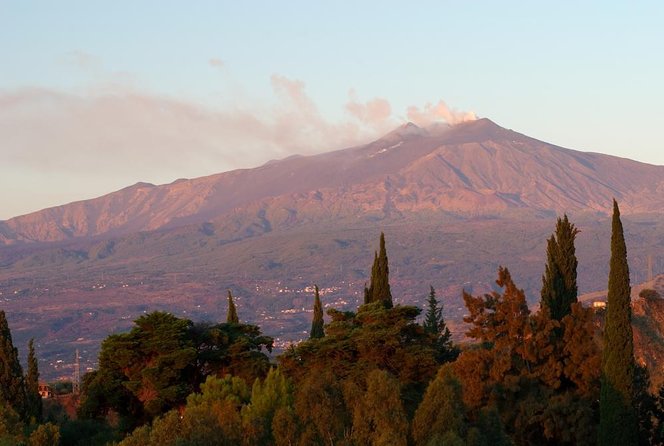
This is a full-day, volcano-focused outing based on the south side of Etna. You start in the Nicolosi area at Ristorante La Cantoniera Etna, then head uphill toward the Etna ski station. From there, you go up by cableway, so you trade some long climbing for altitude time where the volcano’s story is written in black, grey, and red rock.
Once you’re up high, the theme becomes survival: nearly no vegetation where lava keeps resetting the clock, and a few hardy plant species that manage to cling on at around 2000–2700 m despite extreme temperatures, dry soil, and strong wind. You also look for telltales like lava bombs, those rounded chunks that differ in color and density compared to surrounding rock.
Then the day shifts to a viewpoint phase with Valle del Bove. It’s about opening your eyes and letting the scale land. You get around an hour there, which is often exactly right if you’re visiting Etna as a day trip rather than a multi-day trek.
Quick hits before you go
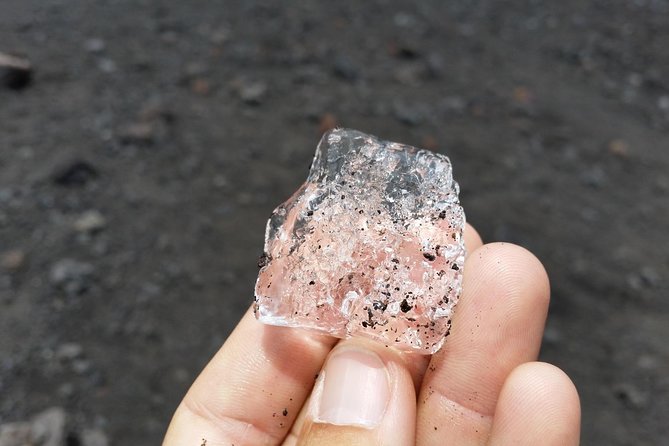
- Cableway to high altitude so you spend your energy on the good parts (not just long uphill shuffling).
- Lava bombs and layered eruption clues you can spot by color and texture in the rocky zones.
- Few-plant conditions explained clearly, including why only a small set of species survives at 2000–2700 m.
- Valle del Bove viewpoint time (about one hour) to take in Etna’s dramatic south-side structure.
- Small group cap (10 people) that keeps the day more hands-on and less crowded.
You can also read our reviews of more tours and experiences in Sicily.
Meeting Nicolosi and getting set for 2700 m
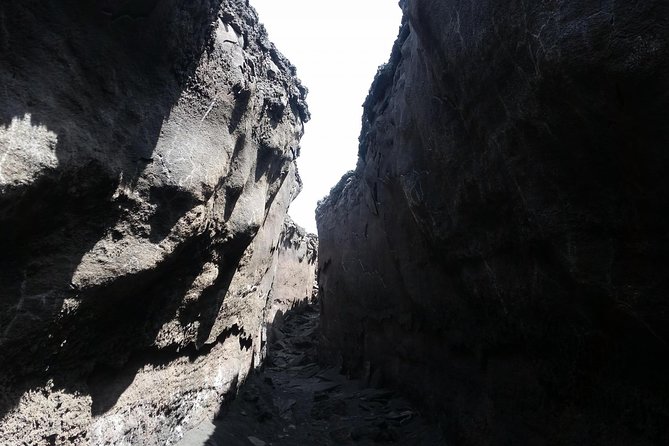
Your day begins at Ristorante La Cantoniera Etna, P.le Cantoniera, 95030 Nicolosi (CT). The tour window is set early, with departures between 9:00 AM and 9:30 AM. This matters because Etna’s top zones can feel like a different climate than the coast, and you want daylight and stable timing for getting up, looking around, and still having energy for the later viewpoint portion.
You’ll also want to think about clothing for the vertical swing. Even when the town feels warm, the upper slopes can be cold and windy. Reviews and responses tied to this experience consistently point people toward sunscreen, and that’s not a cliché on a volcano day: high altitude + sun + glare off rock can catch you fast.
Bring practical items:
- good grip shoes for uneven volcanic surfaces
- layers you can add or peel quickly
- water and a small snack for the slow moments
- sunscreen (seriously) and sunglasses
Mount Etna by cableway: craters, lava fields, and harsh-weather plants
This is the core of the Etna Sud tour, and it’s where the “south side day trip” turns into something you’ll remember for a long time.
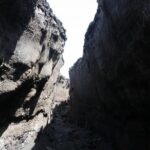
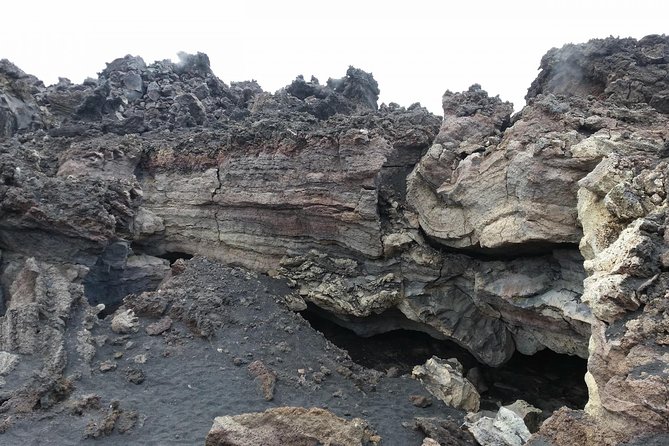
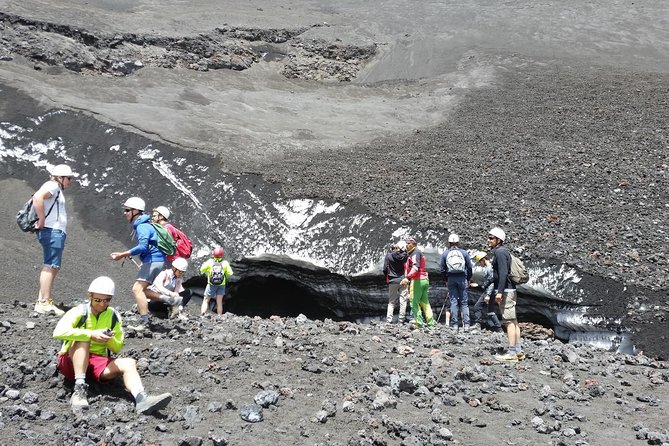
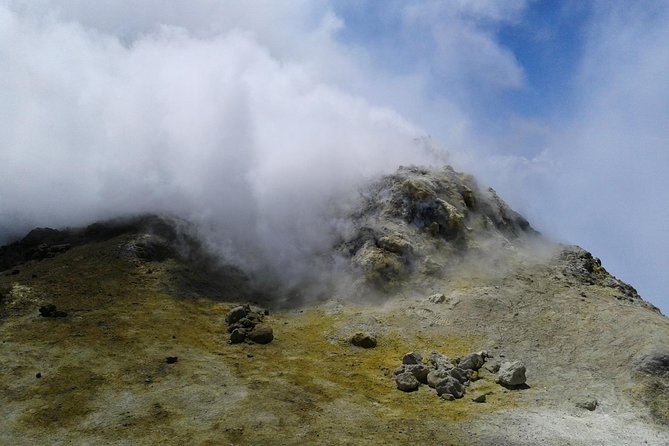
You go up toward the ski station by cableway, and you pass through areas marked by old extinct craters as well as lava fields from more recent eruptions. At roughly 2000 m and again around 2700 m, you’re in the zone where vegetation changes from sparse to almost absent, not because the mountain is “lifeless,” but because conditions are unforgiving.
Here’s what you can watch for as you go:
- Color and density shifts in rock. The tour highlights how you can notice round lava rocks that differ from the surrounding material—lava bombs. That’s your clue that molten material got thrown and cooled into chunks rather than just spreading as flat flows.
- Hardy survival plants. You’re told (and you can see) that only a very limited number of plant species tolerate extreme temperatures in winter and summer, dry soil, and strong winds.
- The absence of greenery as a timeline. When the volcano keeps active, vegetation has less time to establish itself. In other words, the lack of plants isn’t a mystery; it’s part of the pattern.
One more thing I like: this part of the day isn’t just “look at volcano.” It’s explanation with your eyes doing the confirming. When someone walks you through what you’re seeing, the volcano stops being a distant headline and becomes a physical place.
When the top areas aren’t reachable
Etna can be unpredictable. There’s at least one past experience where higher sections were closed due to current eruptive activity, and the guide still made the day work. You should plan for possible route adjustments and remember that safety rules can change what’s accessible. If your goal is a specific altitude or crater zone, have flexibility in your expectations.
The view at Valle del Bove: where the scale sinks in
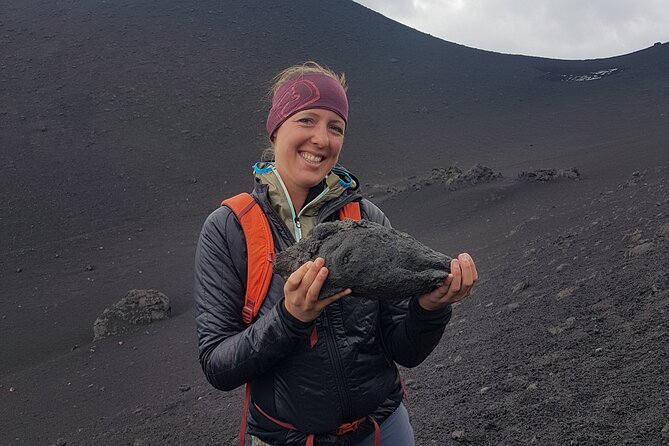
After the high-altitude volcanic portion, you shift to Valle del Bove. Expect an “amazing view” kind of stop, and it runs about one hour.
This portion is valuable even if you’re not into geology. The valley helps you understand Etna’s structure in three dimensions, not just as a peak on the horizon. You’ll likely have the best results if you slow down and actually look:
- trace ridges and rock edges
- notice how the valley opens and closes
- take in the contrast between barren zones and any remaining vegetation pockets
This is also a good moment to reset physically. If you were focused on walking at altitude, the Valley stop gives you controlled time to breathe, take photos, and rehydrate before the day winds down.



How long it takes and how to pace yourself
The experience runs about 6 to 7 hours. That’s a real commitment, but it’s also a nice fit if you’re trying to cover Etna in one go without turning it into an all-day endurance event with hours of transport.
Because you’re going up to 2700 m, pacing matters. Moderate physical fitness is required, and you should treat altitude as part of the “difficulty level,” not just the walking. If you feel winded quickly at elevation, plan to take short breaks, sip water, and avoid rushing between stops.
Also, the tour is capped at 10 people. In practice, that usually means less waiting and more efficient movement. You’ll still need patience at cableway segments and around viewpoints, but it should feel manageable.
The people factor: guides who connect volcano science to real walking
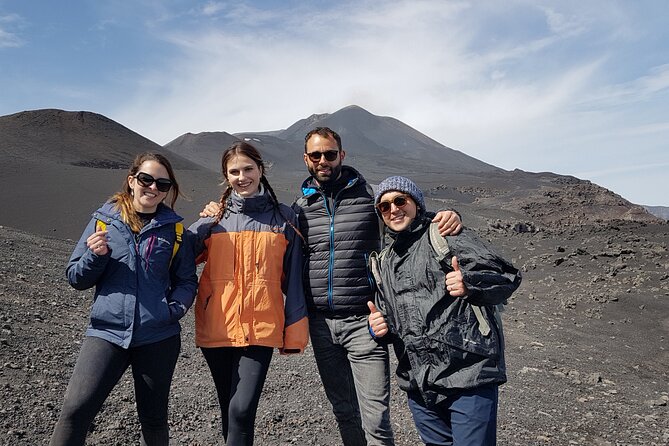
The Etna Sud tour is at its best when the guide makes the mountain readable.
Names that show up with strong praise in the guides associated with this style of outing include Claudio, Christian, Giuseppe, Gianpaolo, Rosi, and Sebastian. People are repeatedly thanked for being careful, organized, and deeply informed about geology, flora, and Etna’s broader story.
One useful takeaway for you: the guiding approach isn’t only about facts. It’s about safety and understanding. You’re told what you’re looking at, why plants survive or fail here, and what lava features mean. That turns the day into active learning, not passive sightseeing.
If you’re traveling solo or with friends, this matters. You can ask questions at the right time instead of waiting until the end, when you might forget what you wanted to know.
Price and value: is $271.76 per person worth it?
At $271.76 per person, this isn’t a bargain. But for a day on Etna’s south side with high-altitude access, it can be fair value, especially because the day includes an admission ticket for the Mount Etna portion.
That included entry is key. The tour isn’t just a “walk around a viewpoint.” You’re getting access to the higher zones (including cableway time) where the volcano features are visible and where you can realistically reach the 2000–2700 m band.
Add the small group cap (max 10) and the fact that the stops are timed to deliver both volcanic interpretation and a major south-side view, and the price starts to make sense as a guided, structured Etna day rather than an independent DIY outing.
Practical tips that matter on an Etna day
A volcano day punishes sloppy planning. Here are the things that will help you have a smoother experience.
- Sun protection is non-negotiable. Past feedback tied to this tour explicitly calls out sunscreen.
- Dress for wind. Even if it’s warm at the start, strong winds can make temperatures drop fast higher up.
- Shoes with grip help. Lava rock and uneven ground aren’t forgiving.
- Bring a snack you’ll actually eat. You’ll want quick energy for the climb segments and the altitude time.
- If you have health concerns, say so early. The tour asks you to tell them about special needs or health issues like allergies, heart disease, pressure problems, or walking difficulties so they can do their best to help.
And if you’re pregnant: hiking at this altitude is not permitted for women over 3 months pregnant. This is a real constraint, so confirm plans early.
Should you book the Etna Sud tour?
You should strongly consider booking if you want:
- a high-altitude Etna day that goes to the 2000–2700 m zone
- a structured itinerary that includes both volcanic areas and the Valle del Bove views
- a small group experience where a guide can explain what you’re seeing while you walk
You might think twice if:
- you’re not comfortable with altitude and moderate hiking
- you’re hoping for a fully relaxed, no-walking day
- you need very specific route access, since safety and activity conditions can affect what’s reachable
If you like learning by doing—watching lava features, spotting how extreme conditions shape plants, and then taking in Etna’s south-side structure—this is one of the more “all-in” ways to spend your time in Sicily.
FAQ
How long is the Etna Sud tour?
It runs about 6 to 7 hours.
What does the ticket include?
An admission ticket is included for the Mount Etna portion. The Valle del Bove stop is listed as admission ticket free.
Where do we meet, and what time does it start?
You meet at Ristorante La Cantoniera Etna, P.le Cantoniera, 95030 Nicolosi CT, Italy. The start time is between 9:00 AM and 9:30 AM.
What is the maximum group size?
This tour has a maximum of 10 travelers.
Is the tour physically demanding?
It’s for travelers with moderate physical fitness. Hiking at altitude is not permitted for women over 3 months pregnant.
Are service animals allowed?
Yes, service animals are allowed.
What if the weather is bad?
This experience requires good weather. If it’s canceled due to poor weather, you’ll be offered a different date or a full refund.
Can I get a full refund if I cancel?
Yes. You can cancel up to 24 hours in advance for a full refund. Canceling less than 24 hours before the start time is not refunded.