REVIEW · TENERIFE
From Tenerife: Tajogaite Volcano, La Cumbrecita and Casco Antiguo
Book on Viator →Operated by Get Holiday · Bookable on Viator
One day, and the volcano is up close. This Tenerife-to-La Palma day tour strings together Cumbre Vieja and Tajogaite eruption viewpoints, plus a fast walk through Santa Cruz de la Palma.
I like the way the pacing mixes big sights with short, clear stops. You get a free 30-minute window in the capital to orient yourself, plus an official government guide who ties what you see to what happened in 2021.
One possible drawback is that time is tight: Santa Cruz is brief, and lunch isn’t listed as included. Add a long ferry crossing each way, and it’s smart to keep your expectations realistic.
In This Review
- Key highlights you’ll feel right away
- Crossing to La Palma: the Fred. Olsen ferry rhythm
- Santa Cruz de la Palma in 30 minutes: Ship of the Virgin, Castle of Santa Catalina, and those balconies
- Caldera de Taburiente quick stop: seeing the capital from the La Caldereta crater
- Tacande de Arriba and Tazacorte: an exclusion-zone view, then the youngest lava in Spain
- Tajuya viewpoint and Cumbre Vieja’s September 19, 2021 eruption story
- Tajogaite and Cumbre Vieja on one day: why this route feels coherent
- Price and value from Tenerife: what $165.90 really covers
- Expect a long day: tips to make the schedule work for you
- Should you book this La Palma volcano tour from Tenerife?
- FAQ
- Where do I meet for the tour?
- What time does the tour start?
- How long is the tour?
- Does the price include the ferry?
- Is lunch included?
- What languages are offered?
- What do I need to carry for boarding?
- What happens if the weather is poor?
- How many people are on the tour?
Key highlights you’ll feel right away
- A full day structured around the 2021 eruption: viewpoints are timed so you see the story from multiple angles
- Real Santa Cruz de la Palma stops in a short window: the Ship of the Virgin, Castle of Santa Catalina, and classic balconies
- Crater-level perspective at Caldera de Taburiente for a quick but striking overview
- Tacande de Arriba and Tazacorte: you move from the exclusion zone lookouts to the youngest lava flows
- Tajuya viewpoint: built for that close, emotional look at Cumbre Vieja’s newer volcanic terrain
- Small-group feel with a max of 50 people and air-conditioned coach time between sights
Crossing to La Palma: the Fred. Olsen ferry rhythm
This tour runs like a day trip with a proper backbone: you take the ferry from Los Cristianos to Santa Cruz de La Palma first thing in the morning, then return late afternoon.
Plan around these fixed times. You’ll meet at 7:45 am at the Fred. Olsen Express area in Los Cristianos (Zona embarque B). The ferry departs at 8:30 am, and the crossing takes about 2 hours 15 minutes. Coming back, you leave Santa Cruz de la Palma at 5:00 pm, again about 2 hours 15 minutes on the water.
Why it matters: the ferry isn’t just transportation. It sets the tone. Once you’re on La Palma, you have just enough time to see key viewpoints and the capital without feeling like you rushed past everything.
One practical note: if you’re sensitive to a choppy sea, this is the part to prepare for. Some visitors have described the crossing as rough, so I’d treat that as a normal possibility rather than an emergency.
You can also read our reviews of more tours and experiences in Tenerife.
Santa Cruz de la Palma in 30 minutes: Ship of the Virgin, Castle of Santa Catalina, and those balconies
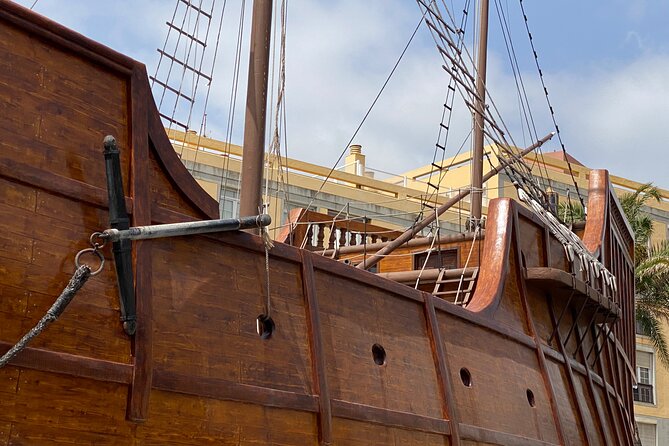
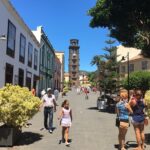
The capital stop is short by design, so you’ll want to move with purpose. You’ll have about 30 minutes of free time in Santa Cruz de la Palma, which is enough to see the highlights without getting lost in side streets.
Here’s what makes this stop worth it:
- The Ship of the Virgin: it’s a reproduction of the Santa María, built as a memorial to the palm sailors who left here. Inside is a naval museum with charts and ship reproductions connected to the island’s maritime past.
- The Castle of Santa Catalina: described as one of the most important fortifications on Spain’s route toward the Americas. It gives you a quick historical anchor for a place that otherwise feels like pure scenery and ports.
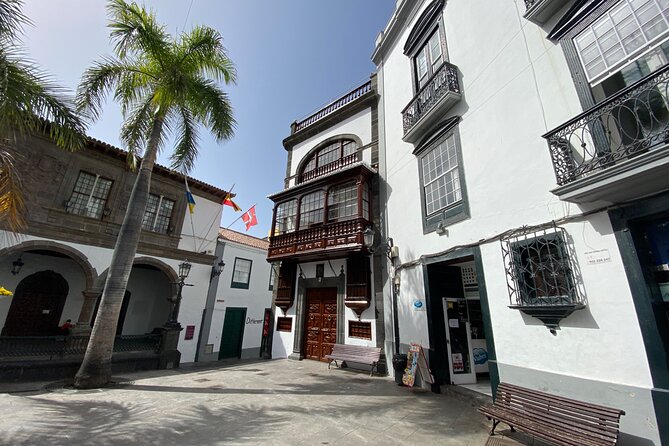
- Typical Balconies: this is where you spot a distinctly Canary Islands style. Look for the double balconies designed to ventilate houses, not just for looks.
Even in a half hour, you can get your bearings fast. You’ll also enjoy the contrast: the city pieces the world together, while the volcano stops later in the day explain what kind of forces keep changing this island.
Just don’t expect a long sit-down wander or heavy shopping time here. The schedule is built for the eruption viewpoints, and Santa Cruz is the “orientation chapter.”
Caldera de Taburiente quick stop: seeing the capital from the La Caldereta crater
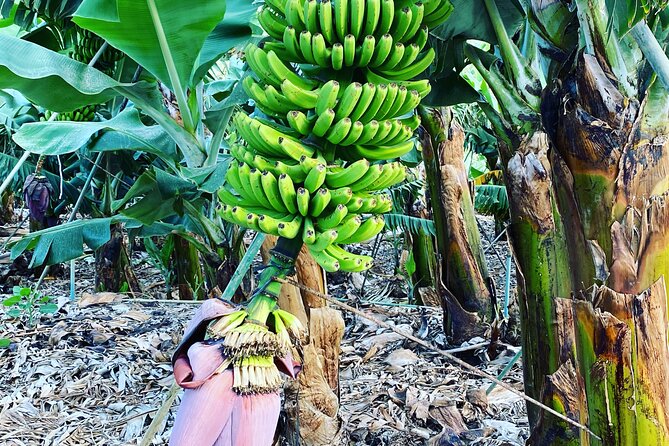
Next you head toward Caldera de Taburiente National Park for a short look at a protected area and then a view of the capital from a crater viewpoint linked to La Caldereta.
The time window is only about 15 minutes, so think of this as a “get the overview” moment rather than a hike day. The value is in perspective. From a crater-side lookout, you understand why La Palma looks the way it does on maps: it’s not flat, it’s shaped, folded, and carved by volcanic activity.
What you’ll likely enjoy most is the feeling of elevation and scale. In a short time, you’ll connect Santa Cruz on the ground with the volcanic terrain above it. That connection makes the later lava and eruption stops land harder.
Tacande de Arriba and Tazacorte: an exclusion-zone view, then the youngest lava in Spain
This part of the day is built for a specific kind of seeing: you go from broad volcanic views to the aftermath on the ground.
You’ll stop in Tacande de Arriba, described as being in the exclusion zone. That detail matters. You’re not just taking pretty pictures from a roadside pull-off. You’re looking from a place that used to be normal for residents and became part of the safety and impact area.
After that, the tour shifts toward Tazacorte. The stop there is tied to “young lava flows,” described as the youngest lava flows in Spain. The time here is around 20 minutes, which is enough to take in what’s new and what’s been covered, changed, and rebuilt around.
What to watch for (without overthinking it): look at how the terrain breaks the usual patterns of fields and paths. Even if you don’t know the geology, you’ll feel the difference between “living ground” and “ground that was laid down.”
Also, keep your voice and behavior respectful. In areas connected to the eruption aftermath, privacy and dignity matter.
Tajuya viewpoint and Cumbre Vieja’s September 19, 2021 eruption story
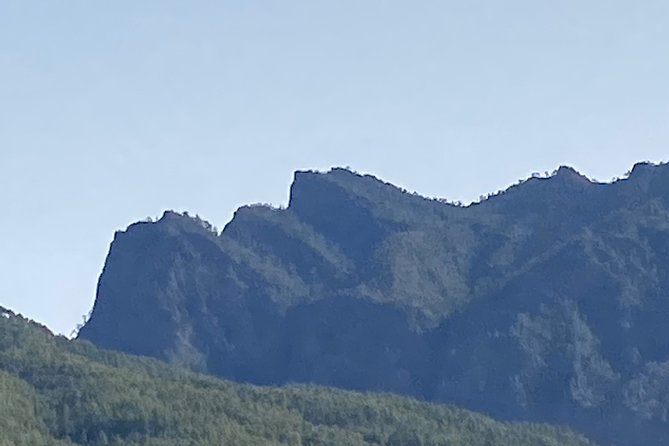
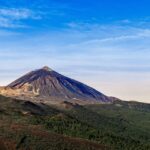
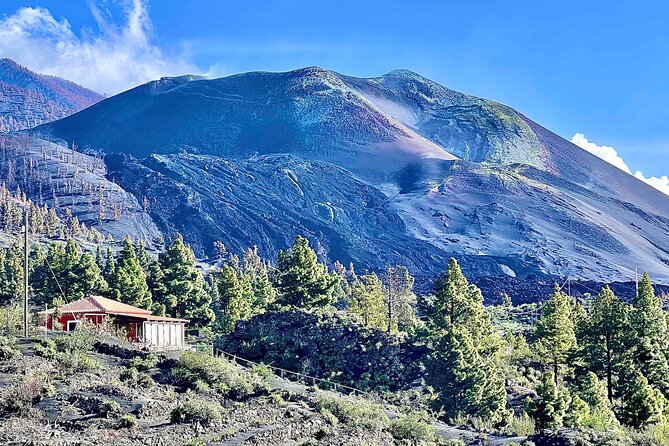
The emotional core of the day arrives at the Tajuya viewpoint. From here you observe Cumbre Vieja, and the tour frames it around the eruption that began September 19, 2021.
The eruption impact is spelled out as real and immediate: it destroyed more than 1,000 homes. This is also the kind of place international media used to record the eruption, so it has that rare mix of natural drama and public history.
You’ll get to see the eruption area close enough to make it feel personal. One of the repeated impressions from visitors is the sight of structures affected by the lava, including the surreal look of rooftops that seem to poke out from the volcanic terrain.
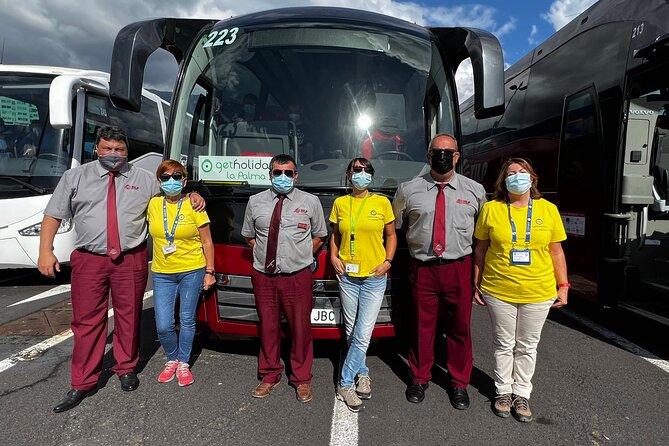
This is also where the guide quality can really change your day. Several guides highlighted in English-speaking service have been local women who explain what you’re looking at in a grounded way, tying the volcano’s power to how island life adapted. In particular, names like Rosa and Rosi/Rossi/Rosie show up as tour guides who explained with care and energy, sometimes across multiple languages.
What I like about this setup: the viewing points don’t feel random. Each one adds a piece—overview, capital relation, exclusion-zone context, then the eruption zone focus—so the story builds instead of just flashing by.
Time is still limited at each stop, but the framing helps you absorb more than you’d get if you drove yourself.
Tajogaite and Cumbre Vieja on one day: why this route feels coherent
The tour title mentions Tajogaite, while the day’s viewpoints focus on Cumbre Vieja. Either way, the heart of the experience is the same: you’re looking at a volcanic system that produced the 2021 eruption, and you’re watching the aftermath from multiple standpoints.
That’s a big reason this one-day format works. If you only see one viewpoint, you get an image. If you see several, you get understanding: you learn how the terrain and the town relate, where the exclusion area begins to make sense, and how the newest lava looks compared to older ground patterns.
It also gives you the La Palma “two worlds” feel:
- the island’s maritime and historical identity in Santa Cruz, then
- the raw, ongoing volcanic reality outside the city.
It’s not just a scenic drive. It’s a controlled way to see consequences.
Price and value from Tenerife: what $165.90 really covers
The price listed is $165.90 per person, and the big value is that it’s packaged around the ferry and local transport.
Included:
- air-conditioned vehicle
- official government guide
- all fees and taxes
- the ferry
Not included:
- lunch
When you compare this to doing the same day DIY, the ferry piece alone is often the hardest part to stitch together with timed viewpoints. Here, the day is planned as a single flow, including the return departure at 5:00 pm.
So what should you budget for? Plan for lunch on your own since it isn’t listed as included. Also, keep small spending flexible for snacks and drinks during the day. Even the ferry can have paid refreshments, so I’d bring water if you like controlling your costs.
Is $165.90 fair? For a full day that combines ferry, guide interpretation, and multiple eruption-linked viewpoints, yes—especially if you want the “why” behind what you’re seeing, not just the “what.”
Expect a long day: tips to make the schedule work for you
This trip runs about 11 hours total, so you’re trading deep downtime for high-impact sights.
Here’s how I’d make it easier on yourself:
- Arrive early: meeting point is 7:45 am, before the 8:30 am ferry departure.
- Bring your identity document or passport for boarding. Carry it with you; it’s mandatory.
- Dress for quick viewpoint moments: you’ll be stopping for short stretches, so comfortable shoes and a layer you can adjust quickly are smart.
- Don’t plan on heavy shopping: Santa Cruz is about 30 minutes, and the rest of the day is about volcano-related stops.
Also, weather matters here. The experience requires good weather. If conditions aren’t right, the tour may be moved or refunded rather than pushed through in poor visibility.
If you’re the type of traveler who hates strict timing, this might feel fast. If you like structured “see the right places” days, you’ll probably enjoy how it flows.
Should you book this La Palma volcano tour from Tenerife?
Book it if you want a strong, guided way to experience the 2021 volcanic impact without spending your whole trip planning ferries and routes. This works especially well for first-timers to La Palma who want both Santa Cruz highlights and the Cumbre Vieja eruption aftermath in one day.
Skip it (or think twice) if you:
- need lots of time in the city for wandering and shopping, because Santa Cruz is brief,
- dislike long ferry crossings, since you’ll spend hours on the water both ways,
- want lunch included as part of the deal, since lunch isn’t listed as included.
If you’re comfortable with a full-day pace and you care about understanding what the volcano did, this is a solid value for Tenerife-based travelers.
FAQ
Where do I meet for the tour?
You meet at Fred. Olsen Express | Los Cristianos, at Puerto de los Cristianos, Zona embarque B, in Los Cristianos, Santa Cruz de Tenerife, Spain.
What time does the tour start?
Start time is listed as 7:45 am. The ferry departure from Los Cristianos is at 8:30 am.
How long is the tour?
The duration is listed as about 11 hours.
Does the price include the ferry?
Yes. The ferry is included, with the ferry leaving Los Cristianos at 8:30 am and returning from Santa Cruz de La Palma at 5:00 pm.
Is lunch included?
No. Lunch is not included.
What languages are offered?
The tour is offered in English (mobile ticket is provided).
What do I need to carry for boarding?
It is mandatory to carry an identity document or passport for embarkation.
What happens if the weather is poor?
The tour requires good weather. If it’s canceled due to poor weather, you’ll be offered a different date or a full refund.
How many people are on the tour?
There is a maximum of 50 travelers.