REVIEW · TAMARINDO
Tamarindo Birdwatching Crocodiles and Monkey Tour
Book on Viator →Operated by Discover Tamarindo · Bookable on Viator
Mangroves in Tamarindo can feel like a hidden world. On this 2-hour Las Baulas National Marine Park tour, you cruise mangrove waterways in search of crocodiles, monkeys, and a stack of birds, with a local naturalist.
I like that it is a real wildlife-focused outing in the mangrove wetland, away from the most touristy feel. I also like that you get practical fuel for the day—bottled water and snacks, plus many guides toss in fresh pineapple along the way.
The main thing to keep in mind is that wildlife isn’t a guarantee, and if monkeys are quiet or tucked back from the river, you may do a small walk on land.
In This Review
- Key points worth knowing before you go
- Why Tamarindo’s mangroves beat the usual beach loop
- The 9:30 am flow: Las Baulas mangrove waterways in 2 hours
- Stop 1: Las Baulas National Marine Park and the boat-river hunt
- The small walk option
- Birdwatching targets: herons, hummingbirds, and a full ecosystem
- Crocodiles and monkeys: what affects sightings
- Snacks, water, and shoes: your comfort checklist
- Meet the guides: Juan Carlos, Moises, Luis, and the style to expect
- Price and value for a protected-estuary tour at $50
- Who should book this and who might want a different plan
- Should you book Tamarindo Birdwatching Crocodiles and Monkey Tour?
- FAQ
- What time does the tour start?
- How long is the tour?
- Where do we meet for the tour?
- How much does it cost?
- What’s included?
- What kinds of animals might I see?
- Is the tour only on a boat?
- How big is the group?
- What happens if the weather is bad?
- Can I cancel and get a refund?
Key points worth knowing before you go
- Small-group pace with a max of 20 people, so spotting wildlife feels calmer.
- Mangrove waterways with multiple routes, aimed at increasing your odds of seeing more species.
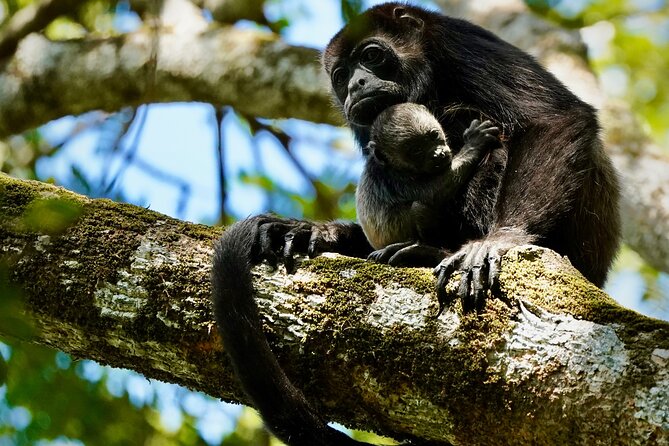
- Crocodiles and monkeys are on the plan, but conditions and animal behavior decide what you actually get.
- Birdwatching is the focus, with chances at everything from herons to hummingbirds.
- Short walk may happen depending on where monkeys are active near the riverside.
- Admission ticket included, plus snacks and bottled water so you’re not thirsty or hangry on the water.
Why Tamarindo’s mangroves beat the usual beach loop
This tour is the kind of Costa Rica that feels like you are reading a living book instead of just taking a photo stop. The mangrove estuary is a worksite for wildlife: roots shelter tiny creatures, birds hunt, and larger animals move through the channels.
I like that it stays focused on the ecosystem. You’re not bouncing between attractions; you’re out in the waterways long enough for the mangroves to start making sense.
You can also read our reviews of more tours and experiences in Tamarindo.

The 9:30 am flow: Las Baulas mangrove waterways in 2 hours
Most days start at 9:30 am at the Discover Tamarindo Travel Agency. The tour ends back at the same meeting point, which makes the rest of your day easy to plan.
It’s planned for about 2 hours, and that short time is part of the value. The operator aims to maximize time on the water and in the estuary branches, so you spend less time standing around and more time scanning for birds and movement.
One practical tip: arrive on time. A late start can quietly steal minutes from your wildlife window, and with animal spotting, minutes matter.
Stop 1: Las Baulas National Marine Park and the boat-river hunt
You’ll head into Las Baulas National Marine Park and focus on one of the larger mangrove wetlands in the area. From there, the guiding goal is simple: move through different parts of the estuary waterways to improve your odds.
That “different parts” detail is more important than it sounds. Mangroves aren’t uniform. Some channels are better for birds perched in branches, while other areas are where you might see movement closer to the roots—where land crabs and other small wildlife hang out.
The small walk option
If conditions don’t put monkeys close to the riverside that day, you might do a small walk. It’s not framed as an all-day hike, but you should still plan for uneven ground and a bit of effort.
If you’re traveling with kids, or anyone with limited mobility, I’d treat the walk option as a real possibility—not a far-off maybe.
Birdwatching targets: herons, hummingbirds, and a full ecosystem
Birdwatching here is not just point-and-shoot. The tour is built to help you spot birds by learning what to look for in mangroves: silhouettes in branches, movement near water edges, and hunting behavior.
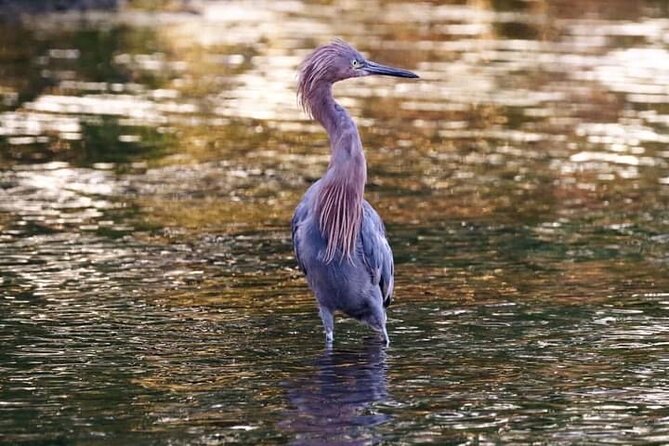
I especially like that this tour isn’t limited to one bird group. You might see a mix of species such as herons, land birds near the edges, and even chances at the mangrove ecosystem’s more special names—like the endangered Mangrove hummingbird mentioned in the route description. The word to remember is might. Hummingbirds are fast and small, and sightings depend on timing.
If you are the type who keeps a personal bird list, this tour is the kind that can deliver a satisfying morning because the guide is scanning for multiple species instead of locking onto a single target.
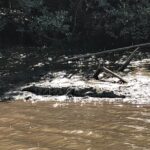
Crocodiles and monkeys: what affects sightings
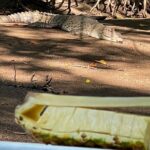
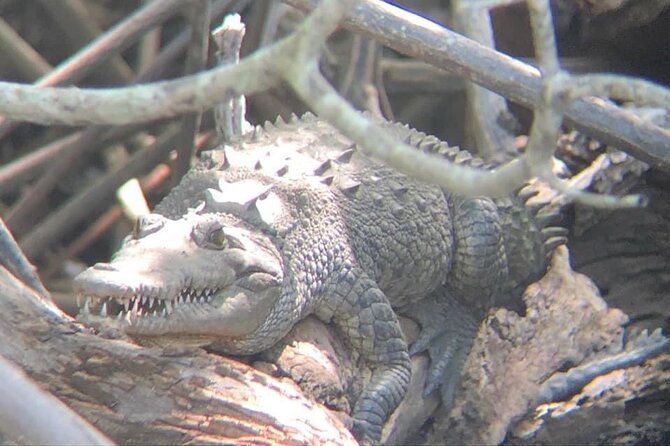
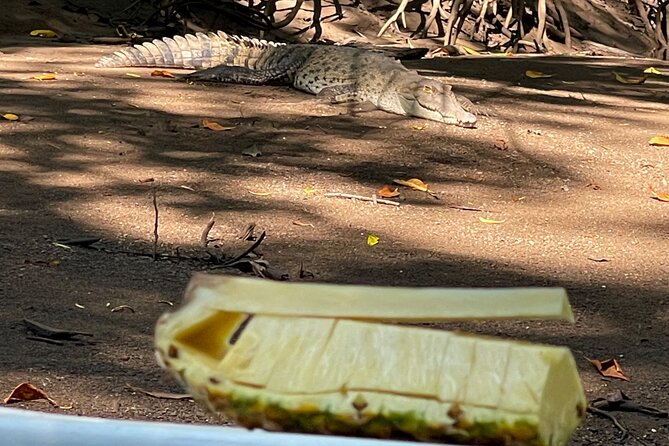
The tour explicitly sets expectations for American crocodiles and monkeys. That said, the mangrove world is not a zoo. Crocodiles can be shy, and monkeys can decide when they want to be seen.
A few things that can change what you get:
- Season and time of year: this affects where animals are active.
- Water clarity: muddy water can reduce visibility.
- Animal mood: crocodiles may stay still or sit low in the roots; monkeys may be higher, farther back, or resting.
Even with that, the tour is designed to keep searching during the cruise and, when needed, by adjusting plans with the small walk option. Some mornings are all action; other mornings are slower but still full of interesting sightings like iguanas, raccoons, and lots of bird activity.
If your personal priority is monkeys above everything else, give yourself a backup mindset. You may need the walk portion or you may just get glimpses depending on where they are that morning.
Snacks, water, and shoes: your comfort checklist
You get bottled water and snacks, and many people also note a fresh pineapple snack during the outing. That matters on mangrove tours because you’re often out in sun and humidity, and you’ll be staring at branches and water for extended stretches.
For footwear, bring something with grip. Even if you mostly stay on board, you might step onto uneven areas or take that small walk depending on monkey sightings. Reviews also point out that thicker-soled shoes help—especially for younger kids or older folks who may find the terrain a little challenging.
Other simple wins:
- Light layers help. Mangrove mornings can be warm fast.
- Have your phone charged. Birds can appear when you least expect it.
Meet the guides: Juan Carlos, Moises, Luis, and the style to expect
The human factor is huge on this tour. The guide is the difference between just seeing mangroves and understanding why the mangroves matter.
Names you may see include Juan Carlos, Moises, and Luis, with Juan Carlos frequently praised for humor and for explaining how wildlife connects to the ecosystem. People also talk about guides with strong eyes for spotting birds from distance, and guides who know how to read the mangrove environment quickly.
One style note I like: a good guide here doesn’t promise a guaranteed parade of animals. Instead, they work the channels, keep pointing out what’s happening, and help you learn even when a crocodile stays partly hidden.
If you have a particular animal goal—say, birds rather than monkeys—this is also the kind of tour where a guide may adjust attention so people in your group don’t feel like they’re missing their personal focus.
Price and value for a protected-estuary tour at $50
At $50 per person for about 2 hours, this is strong value when you factor in what’s included. You’re paying for:
- Boat time inside the estuary system
- Admission ticket included
- Bottled water and snacks
- A local naturalist guide focused on wildlife spotting
Most importantly, you’re not trying to do this on your own. Getting good sightings in mangroves takes patience and know-how—knowing where to look, when to shift channels, and how to interpret tiny signs like bird behavior near the roots.
Is it expensive for a casual cruise? Maybe, if you’re expecting the same payoff as a short, scenic ride with guaranteed stops. But as a wildlife-focused morning that includes entrance and basic refreshments, it’s a fair deal.
Who should book this and who might want a different plan
This tour is a good fit if you want:
- A birdwatching-friendly morning
- A wildlife outing that centers on mangroves and estuary life
- A small-group experience with enough time to search properly
It’s also a smart choice if you want something that feels different from Tamarindo’s usual beach rhythm. The mangrove world gives you that hands-on sense of place and a view of the ecosystem that you cannot get from the shoreline alone.
Consider another plan if:
- Your group hates the idea of uneven footing and the possibility of a short land walk
- You need guaranteed monkey or crocodile sightings, no questions asked
- You’re very sensitive to changes in departure timing, because delays can shorten the wildlife window
Should you book Tamarindo Birdwatching Crocodiles and Monkey Tour?
Book it if your ideal morning is quiet attention, wildlife spotting, and learning how a mangrove estuary functions. The best version of this tour is when the guide finds the right channels and the animals decide to show up—crocodiles, monkeys, birds, and little surprises all at once.
Don’t overthink it, but do set the right expectations. Wildlife depends on conditions and animal behavior. If water is muddy or animals are resting, you might get fewer obvious sightings, even with a great guide.
One more practical note: the experience needs good weather. If weather is poor, you’ll be offered a different date or a full refund.
If you want a nature morning that stays close to the real Costa Rica ecosystem, this one earns its high ratings.
FAQ
What time does the tour start?
The tour starts at 9:30 am.
How long is the tour?
It lasts about 2 hours (approx.).
Where do we meet for the tour?
You meet at Discover Tamarindo Travel Agency in Tamarindo, Costa Rica, and the tour ends back at the meeting point.
How much does it cost?
The price is $50.00 per person.
What’s included?
The tour includes an admission ticket, plus bottled water and snacks.
What kinds of animals might I see?
You may see American crocodiles, monkeys, iguanas, land crabs, and birds. Exact sightings vary by conditions and animal behavior.
Is the tour only on a boat?
Mostly, yes. Depending on the time of year and where monkeys are near the riverside, there might be a small walk.
How big is the group?
The tour has a maximum of 20 travelers/people.
What happens if the weather is bad?
The experience requires good weather. If it’s canceled due to poor weather, you’ll be offered a different date or a full refund.
Can I cancel and get a refund?
Yes. You can cancel for a full refund up to 24 hours before the experience’s start time.