REVIEW · TAMARINDO
Surf Lesson in Tamarindo: Private and Group
Book on Viator →Operated by Blue Wave Surf & Tours · Bookable on Viator
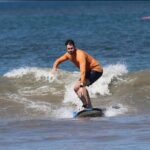
Surf lessons in Tamarindo can change your whole trip. This is a patient, hands-on lesson experience at Blue Wave Surf & Tours Tamarindo, built for all ages and skill levels, with coaching that focuses on progress fast and safely. You’ll see it in the details: clear instruction, plenty of time in the water, and instructors who adjust when you need a better board or a different approach.
What I like most is the instruction style. People learn by getting step-by-step guidance, practicing basics on land first, then getting constant feedback in the ocean. It’s also family-friendly in a real way, from kids and teens to adults, with instructors like Andric, Jonathan, Johnny, Pablo, Paulo, and Johanne showing up by name in standout sessions.
One thing to think about: this is weather-driven. Surf sessions require good conditions, so if conditions aren’t right you’ll be shifted or refunded, which can matter if you’re trying to lock in a tight schedule.
In This Review
- Key things that make this surf lesson worth your time
- Tamarindo surf lessons: why this area works so well for learning
- What the 2-hour session feels like: from shore drills to stand-up chances
- Private vs group coaching: getting attention without the chaos
- Instructors and teaching style: patient, step-by-step, and ready to adjust
- Waves, warm water, and safety: what you should plan for
- Cost and value: what $70 buys you in Tamarindo
- Who this surf lesson is best for (and who may want a different plan)
- Should you book this Tamarindo surf lesson?
- FAQ
- How long is the surf lesson in Tamarindo?
- How much does the surf lesson cost?
- Where do we meet for the lesson?
- Is surf equipment provided?
- Do you teach beginners and kids?
- Can I choose private lessons?
- What if the weather is poor?
- Are service animals allowed?
Key things that make this surf lesson worth your time
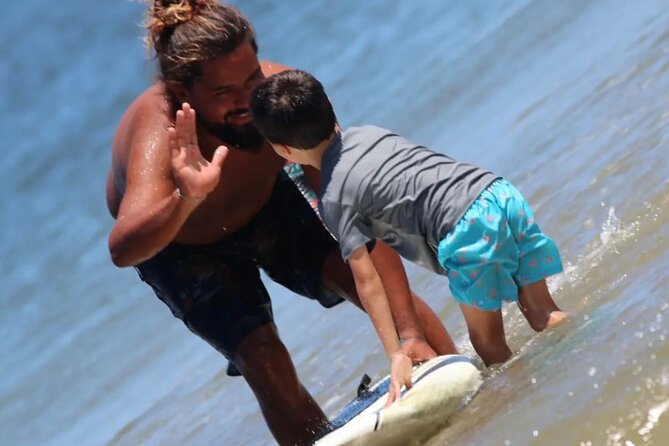
- Beginner-friendly coaching that actually sticks: you practice on land, then apply it right away in the water
- Private or group options with your own group participating, so you get attention without random mixing
- Equipment included, sized to your needs so you’re not fighting the wrong setup
- Safety-first approach, with constant guidance as you progress
- Quick wins: many first-timers are standing within the first session
- Beach-to-coconut vibes: lessons often end with coconut water or fresh drinks
Tamarindo surf lessons: why this area works so well for learning
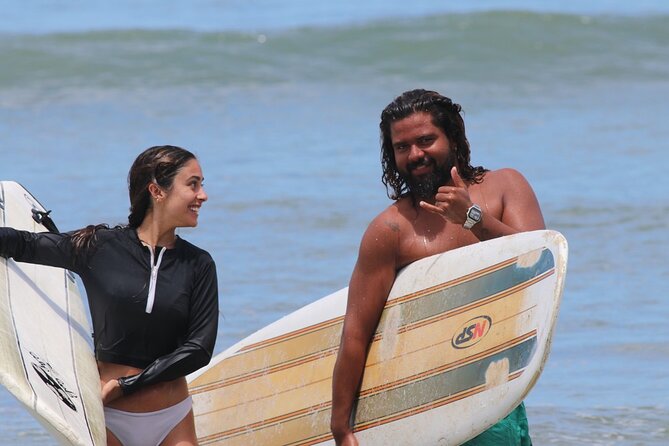
Tamarindo is one of the easier places in Costa Rica to start surfing, because the vibe is beginner-friendly and the basics are easy to practice. You’re not trying to figure everything out in one go—you’re learning fundamentals and building confidence while the ocean gives you usable chances to stand.
The big advantage here is that the lesson is built for different levels at the same time. You might be brand new. Your partner might have tried once or twice. A teen might learn quickly and then want shorter boards. The teaching approach is designed to meet each person where they are, instead of assuming everyone needs the same thing.
And yes, the water can be warm enough that you might skip a wetsuit on some days, based on what people experienced during their sessions. That makes a difference. Warmer water usually means less fuss, fewer distractions, and more time focused on technique.
You can also read our reviews of more tours and experiences in Tamarindo.


What the 2-hour session feels like: from shore drills to stand-up chances
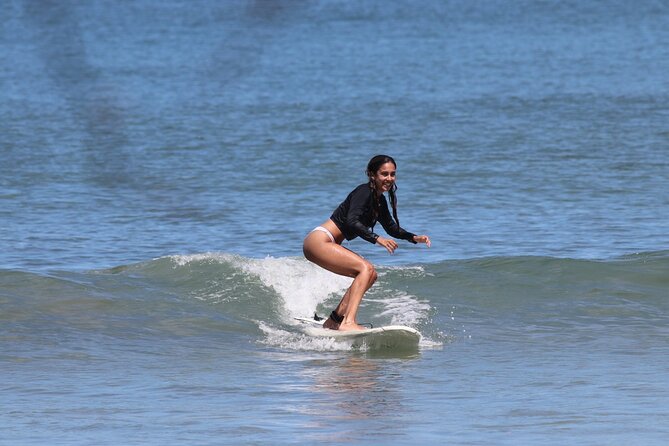
Even though the total time is about two hours, the structure is designed so you’re not just standing around waiting. You start at the Blue Wave Surf & Tours Tamarindo location and get set up with the right equipment. Then you get coaching that breaks surfing into pieces you can understand quickly.
A standout theme in how this lesson works is practice before you go. People talk about the value of working on technique on land, then using that same sequence immediately in the waves. That matters because surfing is physical. Your brain needs a script, and your body needs a routine. When those match, you progress faster.
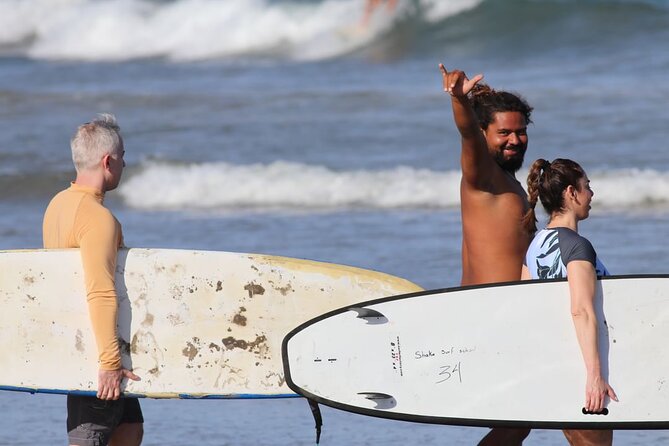
Once you’re out, the teaching stays active. You get constant feedback on what to do next—how to position yourself, how to approach the takeoff, and how to stay balanced long enough to ride. If something isn’t working, the instructors can adapt the setup. One common example: switching to a board that fits better, instead of forcing you to struggle with gear that’s not right for your current ability.
By the end, you’re not just hoping for a good ride. You’ve had multiple attempts, you’ve heard corrections, and you’ve built a feel for timing. Many first-timers come away with at least one real wave under their feet, and repeat riders often leave wanting another round the next day.
Private vs group coaching: getting attention without the chaos
You can choose private lessons, or you can do group-style learning. Either way, your session is kept to your group only, so you’re not stuck sharing instructor attention with a random crowd.
If you want the simplest path to progress, private instruction usually gives you faster feedback loops. In practice, that means an instructor can watch what your body is doing and correct it right away. People in private sessions also described getting right into the water quickly after learning the basics—so you’re not spending the whole lesson just explaining theory.
Group instruction can still work very well, especially if your group includes mixed ages and different skill levels. The key is that instructors tailor the lesson so the group isn’t a one-size-fits-all problem. If a teen is advancing quickly, that student can progress while younger surfers or first-timers get the attention they need.
Cost is $70 per person, and that’s where your decision matters. If you’re traveling as a family or a small group, you may feel like you’re paying for more than a ride—because you’re paying for coaching, equipment, and time in the water guided step-by-step.
Instructors and teaching style: patient, step-by-step, and ready to adjust
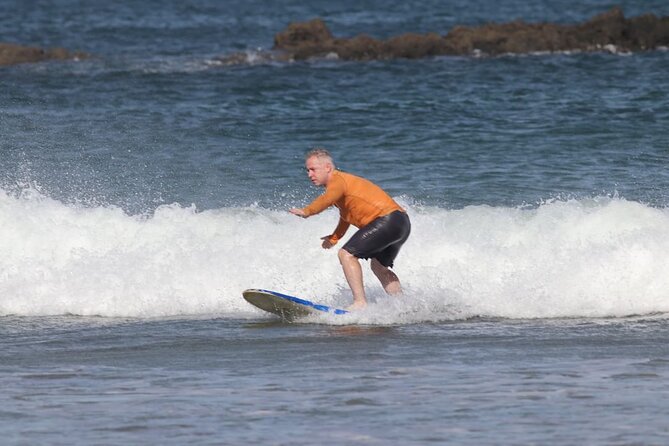
The name you’ll hear a lot is Andric, plus instructors like Jonathan, Johnny, Pablo, and Paulo. Different instructors, same theme: they’re patient and they teach in a way you can act on immediately.
Here’s what stands out in the teaching approach:
- They break things down into steps. Instead of vague advice, you get clear cues you can try on your next attempt.
- They stay encouraging while still correcting technique. That combination is what keeps beginners from getting frustrated.
- They adapt when your board or approach isn’t working. One lesson included getting a different board mid-session so the rider could actually start standing. That kind of adjustment can be the difference between a fun day and a frustrating one.
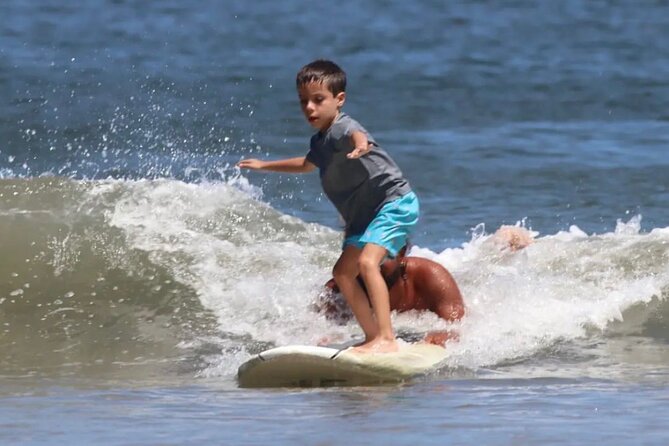
If you’re bringing kids or teens, this teaching style matters even more. People talked about instructors keeping energy positive and letting kids rest when needed—like sitting in the sand, hanging out, and then jumping back in when they’re ready. That keeps the whole experience from becoming a single long push.
Waves, warm water, and safety: what you should plan for
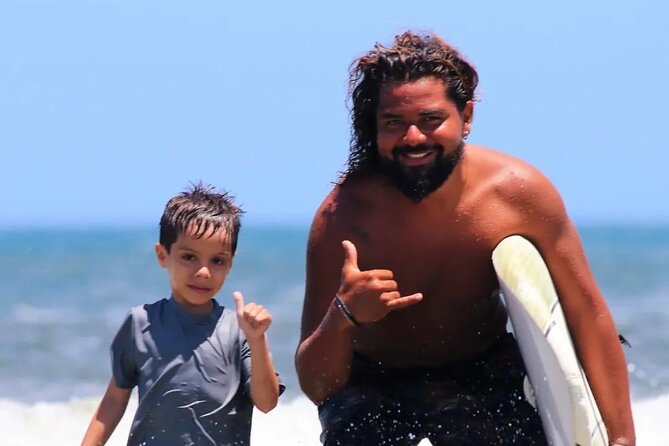
Safety is part of the lesson design. You’ll get constant guidance, and instructors follow strict safety protocols. That doesn’t mean the session is stiff—it means you’re learning in a controlled, coached environment, not figuring things out by trial and panic.
Waves at Tamarindo can be a good match for first-timers, and that tends to be the practical goal: give you enough manageable opportunities to practice standing and riding without overwhelming conditions. People also noted that the waves can feel consistently friendly for learning.
Water temperature is another real factor. At least one person experienced warm water without needing a wetsuit. Still, Costa Rica weather can shift, so you might want to bring a backup layer or ask locally what conditions look like that day.
Equipment is included, and the best part is that it’s matched to you, not to a generic beginner. When your board fits better, your body learns faster. When it doesn’t, you spend time fighting balance instead of building skills.


Cost and value: what $70 buys you in Tamarindo
$70 per person for about two hours sounds like a “just try it” price—until you look at what’s included and how the lesson is structured.
You’re not just buying board time. You’re buying:
- Expert instruction tailored to skill level
- Equipment matched to your needs
- Safety support and constant guidance
- Time in the water with feedback loops
- Often, refreshments afterward, like coconut water or fruit drinks, which can make the whole morning or afternoon feel complete
The value shows up when you compare outcomes. Many first-timers don’t just stand once—they catch multiple waves, and some riders progress quickly during repeat sessions. Even beginners who don’t ride every wave come away with technique they can practice again later.
One more value point: booking people tend to lock this in ahead of time. On average it’s booked about 10 days in advance, so if you’re traveling during busy seasons, you’ll want to reserve sooner rather than later.
Who this surf lesson is best for (and who may want a different plan)
This lesson is a great fit if:
- You’re a true beginner or a first-timer who wants clear coaching
- You’re traveling with kids, teens, or multiple ages and want everyone learning without stress
- You want private attention, especially if you’re older, nervous, or just want faster feedback
- You care about safety and guidance, not just trying to catch waves on your own
It may feel less ideal if:
- You already surf frequently and are hunting for a high-advanced, performance-focused training session (this format is more about learning fundamentals and building confidence)
- You only have a tiny window and can’t handle weather shifts, since surf depends on conditions
If you’re the type who likes structure—practice on land, then apply it in the water—this is your lane.
Should you book this Tamarindo surf lesson?
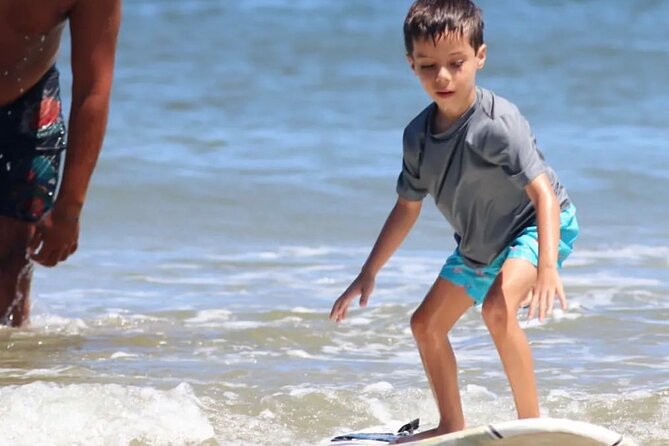
Yes, you should book it if you want a low-stress, instruction-heavy way to learn surfing in Costa Rica. The biggest reason is the teaching approach: patient, step-by-step coaching; equipment that fits; and instructors who adjust when you need help getting to the next level. For most people, that means you spend your time progressing instead of guessing.
If you’re on the fence, think about what matters most to you: fun quickly, safety, and clear instruction. This lesson is built for exactly that. Just plan a little flexibility for surf conditions, and you’ll be in great shape to have a satisfying first session.
FAQ
How long is the surf lesson in Tamarindo?
The lesson runs for about 2 hours. You should expect most of that time to be spent practicing and surfing, not just observing.
How much does the surf lesson cost?
The price is $70 per person. That cost covers instruction and the surf equipment used during the session.
Where do we meet for the lesson?
You start at Blue Wave Surf & Tours Tamarindo at 1018’11.1″ N, 8550’23 7″ W, Provincia de Guanacaste, Tamarindo, 50309, Costa Rica. The activity ends back at the meeting point.
Is surf equipment provided?
Yes. The lesson includes the necessary equipment tailored to your needs.
Do you teach beginners and kids?
Yes. The program is designed for all ages and skill levels, including complete beginners and families with children or teens.
Can I choose private lessons?
You can do private instruction, and the activity is set up so only your group participates. That means you won’t be mixed into an unrelated group session.
What if the weather is poor?
This experience requires good weather. If it’s canceled due to poor weather, you’ll be offered a different date or a full refund.
Are service animals allowed?
Yes, service animals are allowed.