REVIEW · SAO MIGUEL
Whale Watching Activity in North Coast
Book on Viator →Operated by Picos de Aventura - Animação e Lazer, S.A. · Bookable on Viator
Whales are the reason you come. This North Coast trip from Rabo de Peixe is built around that moment when a spotter gives the go-ahead and you head out in a small group, often looking specifically for sperm whales. It’s also one of the more authentic-feeling Azores experiences because the north side can be rough and you can feel the expedition vibe.
I really like the practical setup. Waterproof jackets and life vests are included, and the group size is capped at 16, so you’re not just drifting in a crowd. One review even described a tiny group of about 8 on a zodiac-like boat, which usually means more attention from the guide.
The one real drawback to plan for is the sea. The North Coast is known for unruly conditions, so if you get stressed by choppy water, you’ll want to think twice about whether a speed-boat style outing is your thing. Sea conditions can make or break the comfort.
In This Review
- Key Points I’d Highlight Before You Go
- Whale Watching on Sao Miguel’s North Coast: Rabo de Peixe Start
- Price and What You Actually Get for About $84
- Semi-Rigid Boat Comfort: Jackets, Vests, and What to Wear
- The Expedition Flow: Sea-Condition Checks and the Spotter Call
- Whale Time: Sperm Whales and Close-Up Viewing
- Learning the Ecosystem: Marine Species Beyond the Main Event
- Who Should Book This North Coast Whale Watch (and Who Should Skip It)
- Weather, Guaranteed Whales, and When Plans Change
- Tips to Make Your 8:30am Whale Hunt Worth It
- Should You Book This Whale Watch From Rabo de Peixe?
- FAQ
- How long is the whale watching tour?
- Where does the tour start?
- What time does it start?
- Is the tour offered in English?
- What’s included in the price?
- Is bottled water included?
- How big is the group?
- Is it suitable for children?
- Is the tour suitable for everyone physically?
- What if weather is bad?
- What if the tour doesn’t have enough people?
Key Points I’d Highlight Before You Go
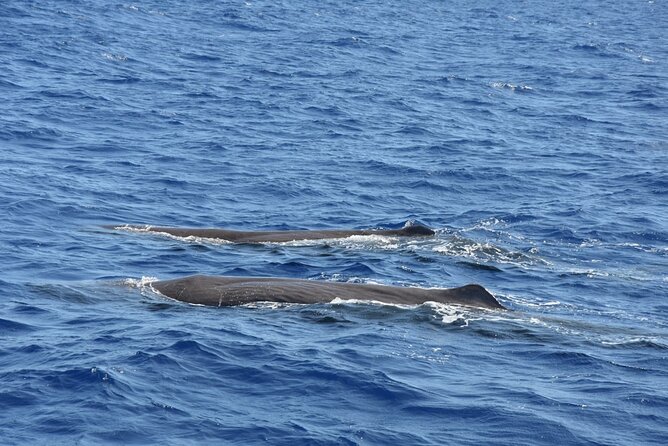
- Whales are the goal, and they’re guaranteed: the operator promises whale sightings.
- Small-group focus: maximum 16 passengers, with some trips running even smaller.
- North Coast expedition style: they check sea conditions and wait for the spotter order.
- You get the key safety gear: waterproof jacket and life vest included.
- Sperm whales show up: reviews repeatedly mention sperm whales being seen close to the boat.
- It’s 3 hours of real action: not a long travel day, but enough time to find whales.
Whale Watching on Sao Miguel’s North Coast: Rabo de Peixe Start
This tour runs out of Clube Naval Rabo Peixe in the fishing area of Rabo de Peixe, on Sao Miguel. Start time is 8:30am, and the outing loops back to the same meeting point when you’re done. So you’re not juggling buses or transfers across the island. You show up, suit up, and get on the water.
The North Coast angle matters. The Azores get famous for marine life, but the north side adds a real expedition feeling. Reviews and the tour description both point to tough conditions there, and that’s exactly why this trip can feel more memorable than a smooth, sightseeing-only cruise.
One detail I appreciate: the operation is set up like a search. There’s an active “wait for the call” moment—when conditions are judged and the lookout gives the order to leave. That creates focus. You’re not just passing time offshore hoping for luck.
You can also read our reviews of more tours and experiences in Sao Miguel.


Price and What You Actually Get for About $84
At $84.10 per person, this sits in a “pay for the experience” zone. You’re not getting a long scenic cruise. You’re paying for a semi-rigid boat ride, safety gear, a small-group format, and a crew whose job is to find whales.
What makes the value feel solid is the combination of:
- Whales guaranteed (the operator makes that promise)
- Safety gear included (you’re not stuck figuring out what to wear at the last second)
- A group cap of 16 (you spend time with the guide and spotters, not just existing next to strangers)
Also, the reviews are unusually consistent on the main point: sperm whales and close sightings. One standout review explicitly praised the fast run of sightings after they went out, and it called out that dolphins weren’t the main “win condition.” That matches the way the tour is framed: whales first. Dolphins are nice, but the target is the giants.
Semi-Rigid Boat Comfort: Jackets, Vests, and What to Wear
You’ll board on a semi-rigid boat (think zodiac style). That kind of boat is great for getting close and staying maneuverable when conditions change. But it also means you feel the sea. You’ll want your clothes and gear to do the heavy lifting.
Good news: waterproof jackets and life vests are included. That’s a big value point because it protects you from sea spray and reduces the headache of packing special outerwear.
What I’d still wear or plan for:
- Warm layers under the jacket (the water air can feel colder than you expect)
- Something comfortable that won’t become an anchor if it gets wet
- Closed-toe shoes that can handle a wet deck
No bottled water is included. You can bring your own or plan to buy something nearby before the tour. Don’t assume you’ll have a drink handed to you once you’re out on the sea.
The Expedition Flow: Sea-Condition Checks and the Spotter Call
The tour is about 3 hours on the water (approx.). In those hours, you’ll follow the expedition rhythm: check conditions, then go when the spotter says it’s time.
Here’s what that usually means in practice:
- You meet at Clube Naval Rabo Peixe at 8:30am.
- Safety gear gets sorted and you’re ready for the boat ride.
- Offshore, the crew watches conditions and communicates about what the sea is doing.
- When the lookout gives the order to depart, you head out to chase sightings.
This is where the North Coast reputation helps and hurts at the same time. It helps because the area can concentrate marine activity and make the search feel real. It hurts because the same “unruly seas” can mean the ride is bouncier than you’d prefer.
What you should take from the operation style is this: the crew is not treating this like a fixed route. They’re responding. That’s why the small group setup matters. Faster decisions and more attention to spotting whales makes a difference when you’re looking for animals that don’t follow a schedule.
Whale Time: Sperm Whales and Close-Up Viewing
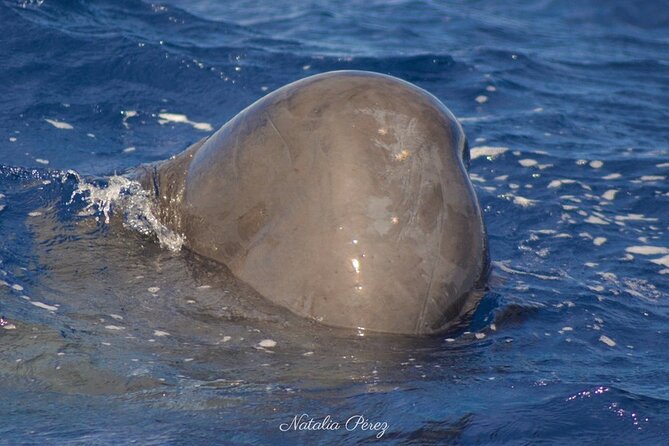
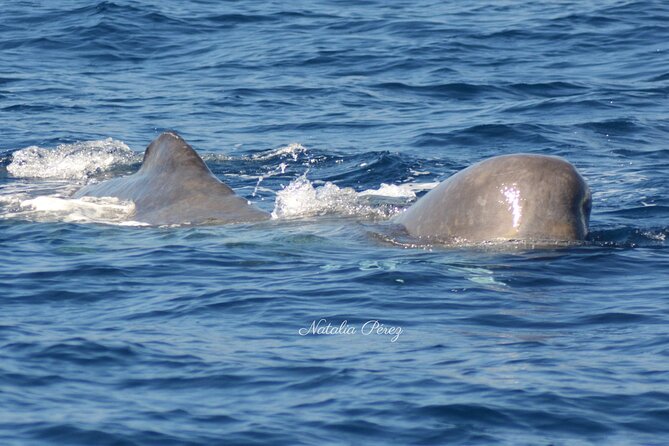
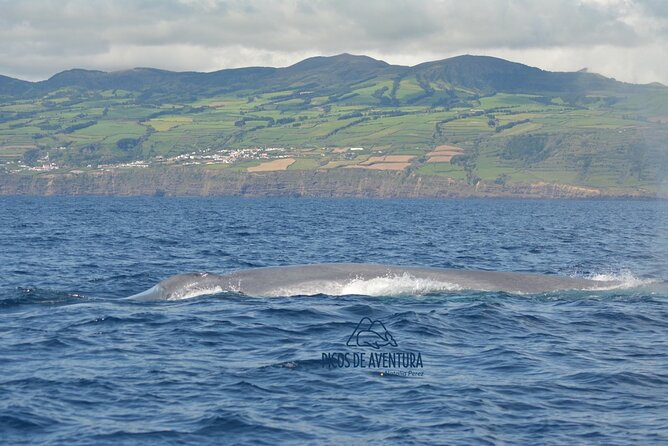
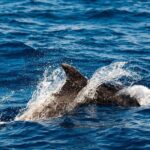
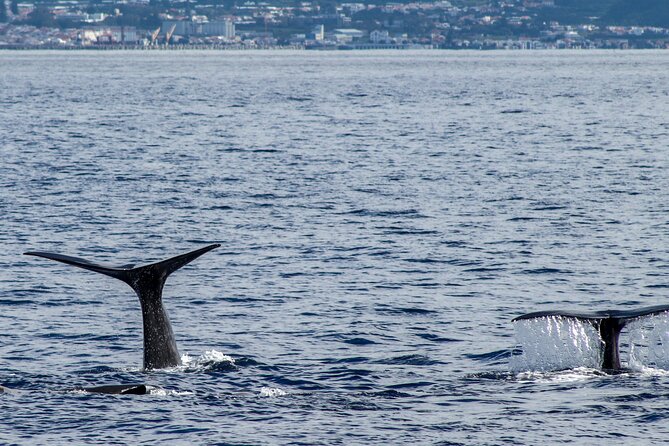
The tour’s whale focus is very clear: sperm whales are repeatedly highlighted, and reviews back that up strongly. One recent review described sperm whales as “on demand,” with the group seeing multiple sperm whales soon after going out. Another praised close approaches and the feeling of being right there with the animals.
Two important expectations to set:
- You might see other marine species, but the main target is whales.
- Close sightings depend on animal behavior and sea conditions, not just luck.
The tour description emphasizes learning and ecosystem awareness too. So when you spot something, it’s not just a quick photo moment. You should expect the guide to explain what you’re seeing and how it fits into the broader marine picture.
One practical point from the reviews: a small group can improve the viewing experience. If you’re not packed in, it’s easier to maintain sight lines and listen to the guide. Even if you never get a perfect “perfect close” moment, the experience usually feels more personal.

Learning the Ecosystem: Marine Species Beyond the Main Event
Whale watching sounds simple: find whales, see whales, cheer internally. This tour adds a layer by talking about the ecosystem and other marine species.
Why that matters: on the water, it’s easy to get tunnel vision—everyone stares, everyone points, and then you learn nothing. A good guide turns the sighting into context. You start noticing patterns: where the animals are relative to conditions, what other species appear around the same time, and why whales use the water the way they do.
The reviews suggest the guide actively answers questions and shares information during the tour. That’s a sign the trip is designed to be more than a wildlife drive-by. If you like learning while you watch, this is where the value shows.
Who Should Book This North Coast Whale Watch (and Who Should Skip It)
This experience has a few clear fit checks.
It’s best for you if:
- You’re okay with a moderate physical fitness level (the deck and boat movement are part of the deal)
- You want an action-focused 3-hour outing rather than a long, gentle cruise
- You specifically want a chance at sperm whales and not just “sometime might be cool marine life”
You should skip or reconsider if:
- You’re traveling with kids or teens under 16. The tour is not recommended for that age group.
- You’re extremely sensitive to choppy water. The North Coast reputation is real, and the ride can be part of the challenge.
Size-wise, keep it in mind: it’s max 16 travelers. That’s still a full group, but it’s not a floating zoo. Reviews even describe some departures with very small headcounts.
Weather, Guaranteed Whales, and When Plans Change
This is one of those tours where the ocean calls the shots. The experience requires good weather. If weather makes it unsafe or not suitable, the tour may be canceled. When that happens, you’ll be offered a different date or a full refund.
The tour also states whales are guaranteed. That’s not a casual promise. It’s the reason many people choose this operator instead of the cheaper “we hope for whales” style options.
In plain terms, here’s how I’d think about your odds:
- You can improve your experience quality by showing up flexible.
- You reduce stress by keeping your schedule open in the morning on Sao Miguel.
- You’ll likely get the best outing if the sea is cooperative enough for the crew to go out and search effectively.
Also note: it can depend on the minimum number of travelers. If the tour doesn’t meet the threshold, you may be moved to a different date or get a refund.
Tips to Make Your 8:30am Whale Hunt Worth It
This trip starts at 8:30am, so plan around an early start. On a boat tour, the morning is often when things feel calmer and more predictable—but the north coast can still be rough, so the main advice is to dress for water and wind.
A few practical tips that match the realities of this outing:
- Bring your own bottled water. None is included.
- Wear layers and expect spray. Even with a waterproof jacket, you can get wet.
- If you hate cold, don’t treat the jacket as a substitute for warmth.
- Expect to be out for about 3 hours. Don’t schedule something tight right after the return.
Booking wise, the average time is about 30 days in advance. That’s a good benchmark for planning. If you’re traveling in a busy season, I’d book earlier rather than later, especially since sea conditions determine whether you can go.
Should You Book This Whale Watch From Rabo de Peixe?
I’d book this if you want a real whale expedition on Sao Miguel’s North Coast, with a small group, safety gear included, and a crew that treats whale sightings as the mission. The reviews are strong on the main outcome: sperm whales, close sightings, and a guide who shares information while you’re watching.
I wouldn’t book it if you strongly dislike choppy water or you’re hoping for a calm, cruise-like experience. The north coast reputation isn’t marketing fluff. It’s part of the day, and your comfort will depend on conditions.
If you can handle the early start and dress for spray, this is one of the more focused Azores ways to chase whales—built around the moment they decide it’s time to go.
FAQ
How long is the whale watching tour?
It runs for about 3 hours (approx.).
Where does the tour start?
The tour starts at Clube Naval Rabo Peixe, Porto de Pescas, R. do Porto, 9600-118 Rabo de Peixe, Portugal.
What time does it start?
The start time is 8:30am.
Is the tour offered in English?
Yes, it’s offered in English.
What’s included in the price?
You get waterproof jackets and life vests.
Is bottled water included?
No. Bottled water is not included.
How big is the group?
The tour has a maximum of 16 travelers.
Is it suitable for children?
It’s not recommended for children and teenagers under 16 years old.
Is the tour suitable for everyone physically?
It requires a moderate physical fitness level.
What if weather is bad?
If the tour is canceled due to poor weather, you’ll be offered a different date or a full refund.
What if the tour doesn’t have enough people?
If the minimum number of travelers isn’t met, you’ll be offered a different date/experience or a full refund.