REVIEW · SAO MIGUEL ISLAND
Rabo de Peixe: Sperm Whale Sanctuary Expedition
Book on GetYourGuide →Operated by Futurismo Azores Whale Watching · Bookable on GetYourGuide
Big whales need calm and rules.
I love the way this trip pairs marine biologists with real sperm whale spotting, so you’re not just watching—you’re learning how to watch responsibly. One possible drawback: it runs only in good weather, and marina logistics can stretch the whole experience by 30–45 minutes.
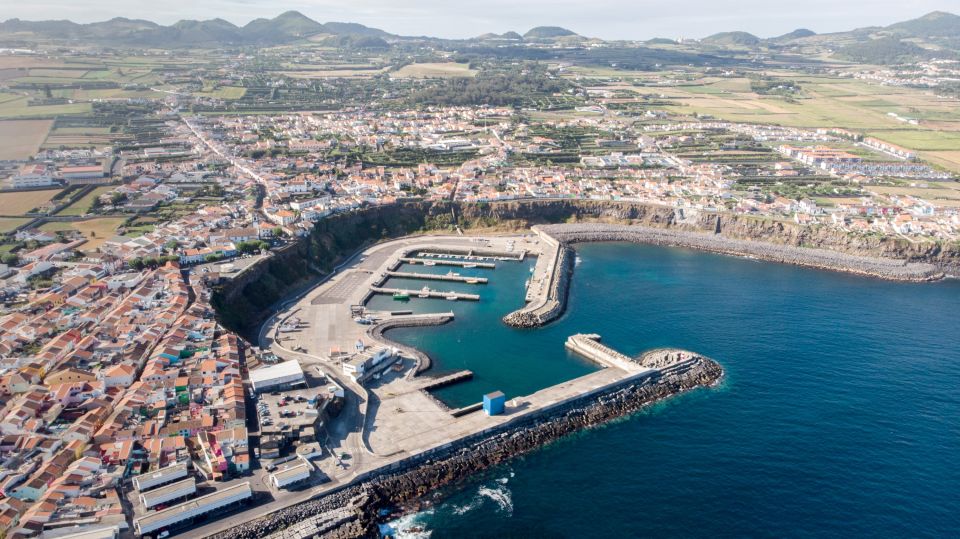
You start at Clube Naval Rabo Peixe on São Miguel’s northern side for a quick safety briefing and a grounded intro to what you might see. The live guide is there in English and Portuguese, which helps if you want to ask questions instead of guessing.
After the boat time in the Atlantic sanctuary, the team wraps up with more context on what you just encountered—habits, routes, and how conservation thinking shapes whale watching.
In This Review
- Key Things You’ll Notice On This Expedition
- From Clube Naval Rabo Peixe to Sea: Why the Start Matters
- Practical tip before you go
- The 3-Hour Atlantic Search: What the Boat Time Feels Like
- Weather reality check (the honest part)
- Species Spotting With Marine Biologists On Board
- Beyond Sperm Whales: The Coast Is Part of the Show
- How to watch better (without overthinking)
- Respect, Conservation, and the Rules That Protect the Animals
- What’s Included, What You Need to Bring, and What You’ll Pay For
- Quick packing checklist (based on what the day asks of you)
- Who This Tour Fits Best (And Who Should Skip It)
- Price and Logistics: Is $82 Good Value Here?
- Should You Book Rabo de Peixe’s Sperm Whale Sanctuary Expedition?
- FAQ
- FAQ
- How long is the sperm whale expedition?
- Where does the tour start?
- What’s included in the price?
- Is hotel pickup included?
- Do I need to bring a raincoat and food?
- What languages are offered during the tour?
Key Things You’ll Notice On This Expedition
- Marine biologist pre-briefing at Clube Naval Rabo Peixe so you know what you’re hunting for.
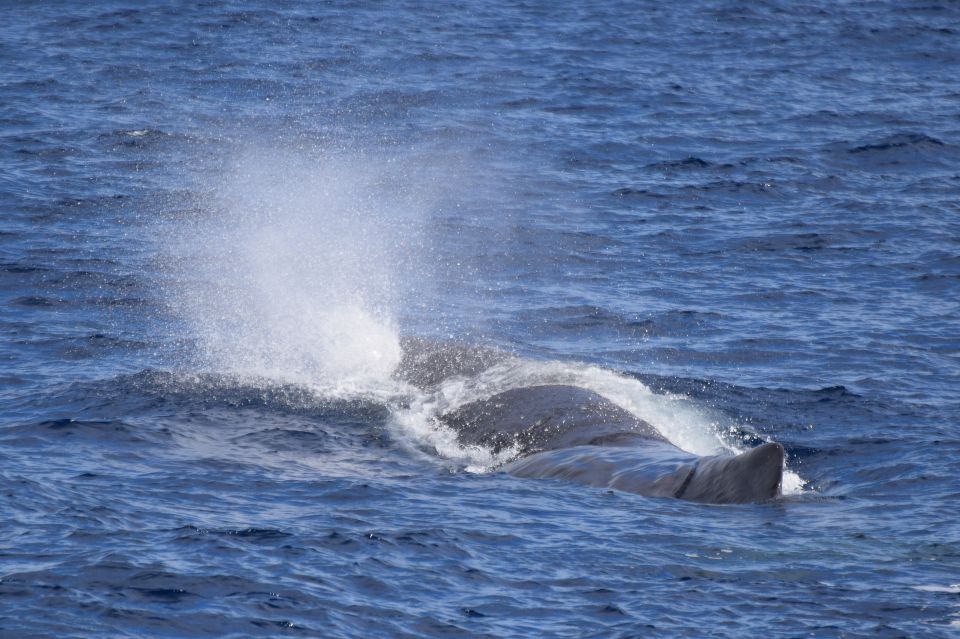
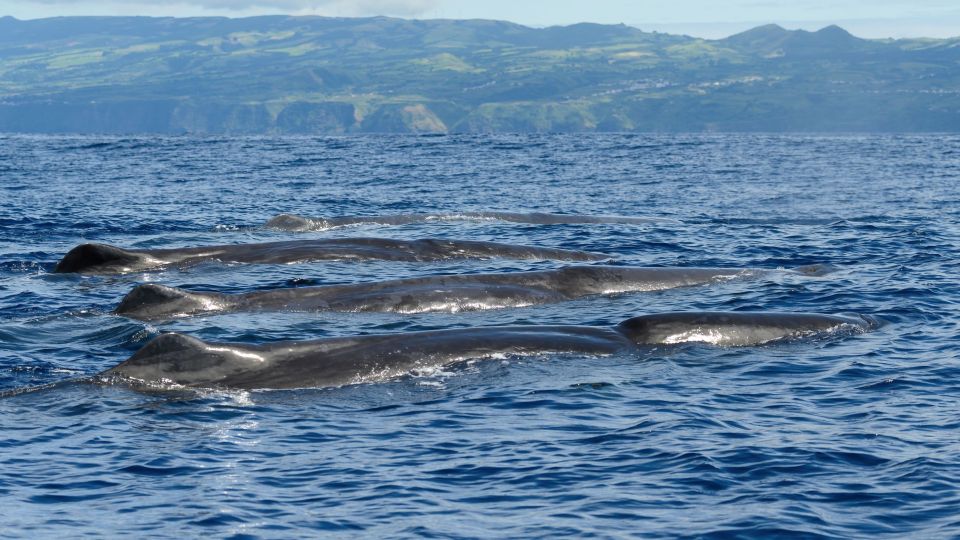
- Sperm whale focus in a protected habitat, with time spent in deeper sanctuary waters.
- Small-boat feel (a zodiac-style setup in at least some departures) that keeps you close to the action.
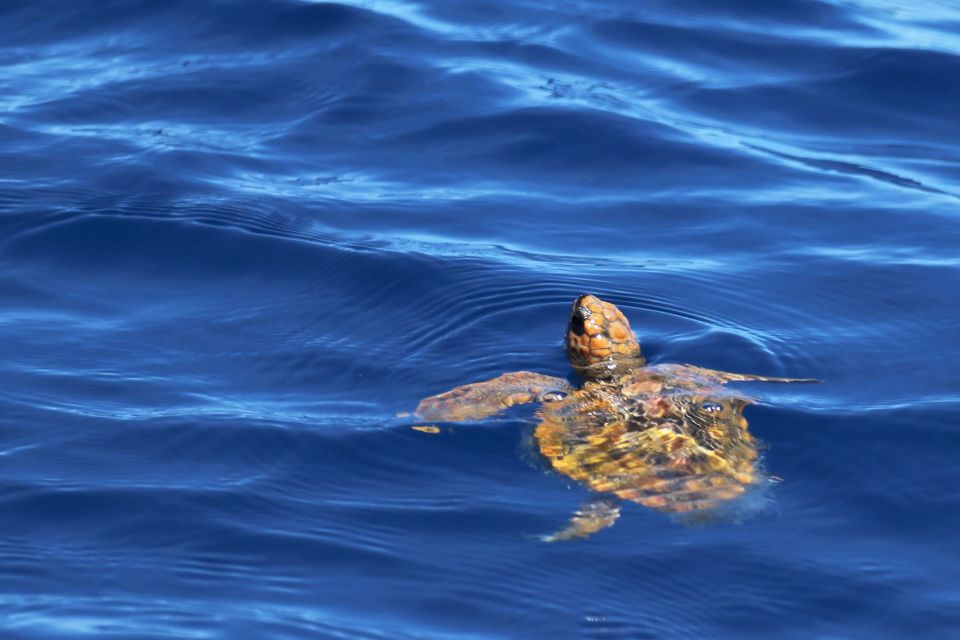
- More than just whales: dolphins, Portuguese man-o-war, and turtles may show up along the coast.
- Onboard education before and after—you get info both during the search and on the return.
- A respectful approach where the goal is not to force encounters.
From Clube Naval Rabo Peixe to Sea: Why the Start Matters
This tour doesn’t begin with engines. It begins with a briefing—about 10 minutes of safety plus a proper explanation of how to observe marine mammals in the Azores. I like this because it sets expectations fast: spotting success is partly luck, but good behavior at sea is always in your control.
You meet at Clube Naval Rabo Peixe, then the team guides you through what kinds of species the area can produce and how whale watchers and biologists respect the animals. That matters with sperm whales in particular, since they’re the largest cetacean species in the world and not something you should treat like a theme-park photo stop.
The guide is live in English and Portuguese, which is useful when a question pops up. And even if you’re not a science person, this format turns the trip into a guided “look for clues” session rather than a vague boat ride.
You can also read our reviews of more tours and experiences in Sao Miguel Island.


Practical tip before you go
Wear comfortable clothes and shoes you don’t mind getting damp. Bring sunglasses and a sun hat; even when the weather isn’t perfect, light can be intense over open water. If you forget snacks, you’ll feel it—food and drinks aren’t included.
The 3-Hour Atlantic Search: What the Boat Time Feels Like
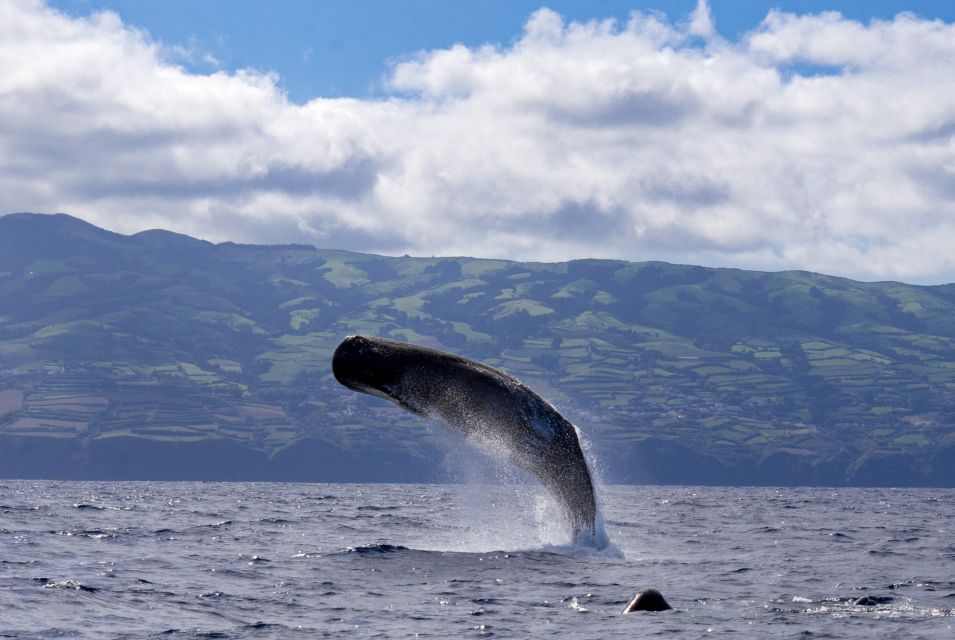
Your main whale-watching window is about 3 hours on the water. The route starts along the northern coast of São Miguel, where you may spot coastal life before you move out toward deeper sanctuary waters. This staged plan is smart: it gives you chances early, and it gives the crew a reasoned path once you’re in the better zone for sperm whale searching.
On the way out, keep your eyes up and far, not just at the surface. Along the coast, you might see dolphins, Portuguese man-o-war, or turtles. Some groups have also had extra surprises—one recent outing reportedly included minke and Bryde’s whale sightings, plus a mix of dolphins, and even a hammerhead shark on the return.
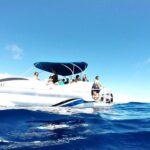
A small-boat setup helps here. In at least one account, the boat was a zodiac for about 16 people, which generally means you’re not stuck behind walls of other groups. Less crowding often translates into calmer viewing—especially when an animal appears and you’re trying to keep your bearings.
Weather reality check (the honest part)
This experience requires good weather. If seas are rough, the whole point—safe searching and respectful positioning—gets harder. Also note that due to marina logistics, the overall experience can run 30–45 minutes longer than the core time you plan around.
Species Spotting With Marine Biologists On Board
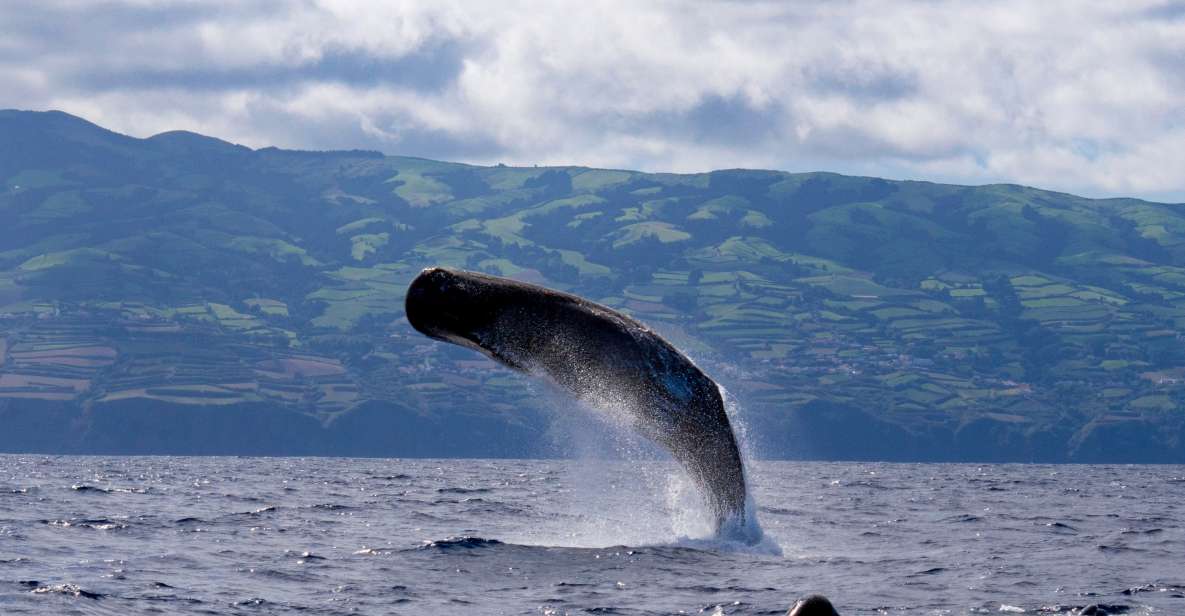
Here’s the thing I appreciate most: the biologists don’t only talk before you leave. They also add meaning after the sightings, explaining what you likely observed and how it fits into habits and routes. That turns the day into a story you can replay, not just a set of random photos.
During the briefing, you’ll learn what different species might look like and what whale watchers have historically observed in the Azores. Then the crew uses that knowledge in real time—scanning, repositioning, and managing the pace while you watch for sperm whales.
Onboard, you’re still watching for behavior, not just bodies. The focus stays on protected habitat respect and not chasing animals. That shows up in how the team encourages you to hold your position and observe, rather than rush to get a closer angle.
In one account, a marine biologist named Emma stood out for communicating with passion and emotion, not just facts. That kind of delivery helps you connect the dots quickly, even if you’re hearing it in real time between sightings.




Beyond Sperm Whales: The Coast Is Part of the Show
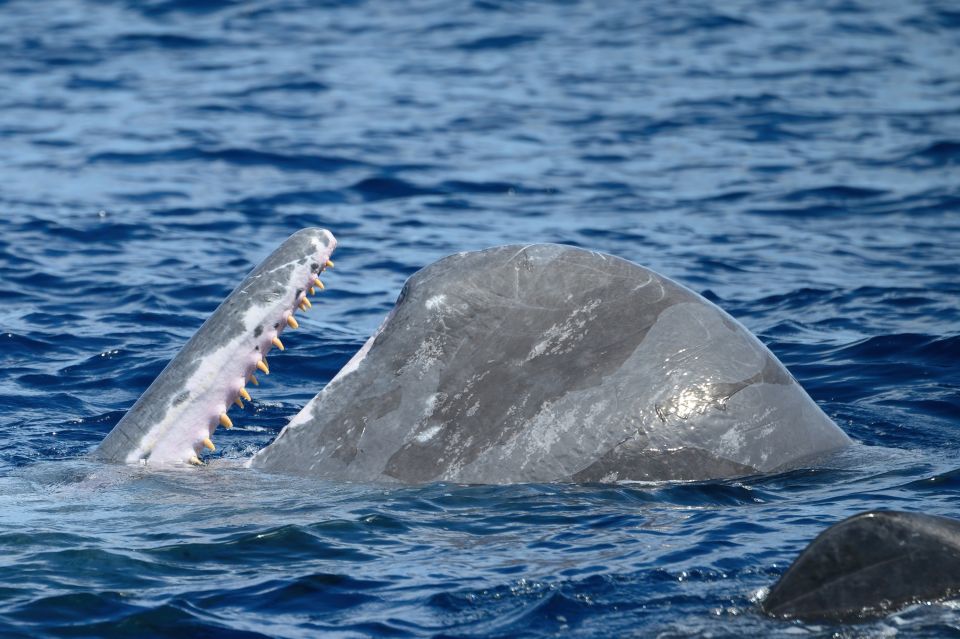
Even if sperm whales are the headline, the trip is designed to reward you along the way. Starting along São Miguel’s northern coast means you may see other marine life while you’re waiting for the deeper sanctuary search to pay off.
Here’s what the experience explicitly sets you up for:
- Dolphins (multiple types are possible)
- Portuguese man-o-war
- Turtles
And if your timing lines up and conditions cooperate, you may get more than the “usual list.” One documented outing included different dolphin types in significant numbers, plus a rorqual sighting alongside sperm whales. The takeaway for you: this isn’t all-or-nothing. Even partial sightings can feel like a real Atlantic wildlife session.
How to watch better (without overthinking)
Bring patience. When you’re out on open water, sightings can be brief. Instead of staring at one spot, you’ll get better results by scanning, watching the horizon, and staying ready to follow the crew’s cues.
Also, keep your plans flexible about timing. If the day runs long by 30–45 minutes because of marina logistics, don’t panic—build a little buffer into what you do next.
Respect, Conservation, and the Rules That Protect the Animals
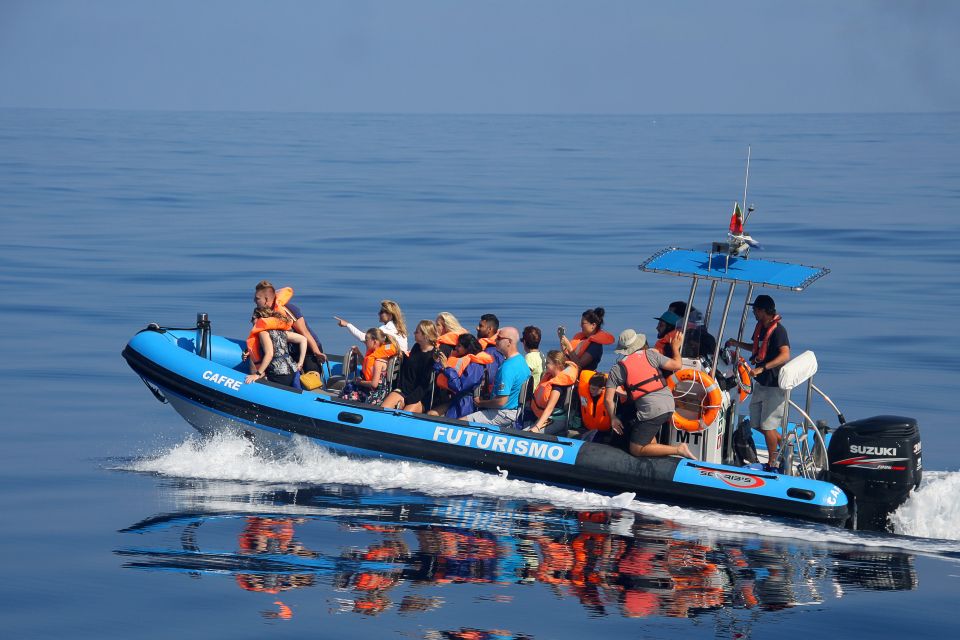
Whale watching can go sideways fast when people treat wildlife like a target. This expedition keeps the tone practical: you’re there to observe, and the crew’s job is to make sure the animals stay the priority.
You learn early about how biologists and whale watchers respect sperm whales in their protected habitat, and you’re also reminded how to behave onboard. That includes clear “don’ts” that protect everyone’s experience: no drones, and no alcohol or drugs.
It also matters how you dress. High-heeled shoes aren’t allowed, which is a real signal that this is a working, moving boat environment, not an afterthought. If you show up in grippy footwear and simple clothes, you’ll feel steadier and safer—especially when passengers shift around during spotting.
What’s Included, What You Need to Bring, and What You’ll Pay For
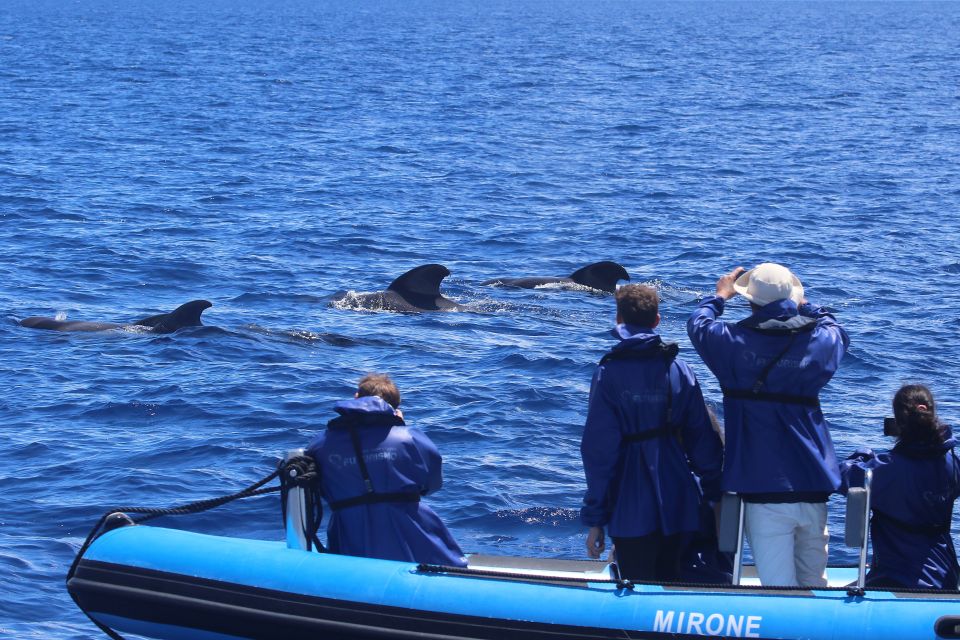
The price is $82 per person for a 3-hour whale-watching expedition. For that, you get a pre-tour briefing and a marine biologist on board. For me, that’s where the value sits: expert interpretation plus a structured search, not just a generic boat ticket.
What’s not included is the stuff that can ruin your comfort if you forget it:
- Raincoat
- Food and drinks
- Hotel pickup and drop-off
So yes, you should plan your own route to Clube Naval Rabo Peixe. And pack snacks so you can stay focused through the hours on the water. The experience even suggests bringing snacks and sunscreen, plus comfortable clothes and shoes.
Quick packing checklist (based on what the day asks of you)
Bring:
- Comfortable shoes
- Sunglasses
- Sun hat
- Snacks
- Sunscreen
- Comfortable clothes
Don’t bring:
- Drones
- Alcohol or drugs
- High-heeled shoes
If weather turns, you’ll want a rain layer ready since a raincoat isn’t provided.
Who This Tour Fits Best (And Who Should Skip It)
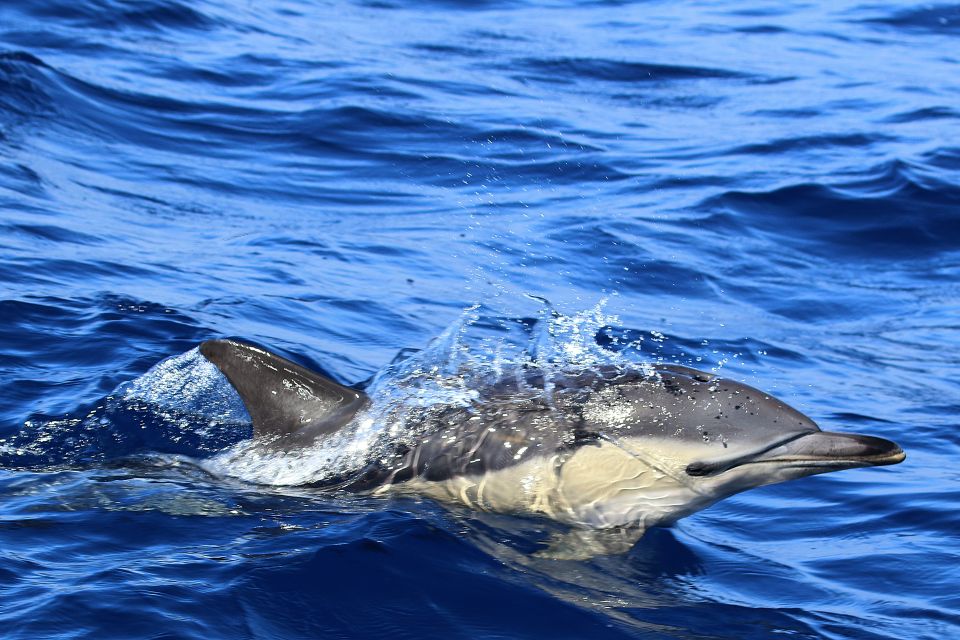
This is a boat-based wildlife expedition, and that shapes who it suits. It’s not suitable for:
- Pregnant women
- People with back problems
- People with mobility impairments
- People with recent surgeries
If you fall into any of those categories, it’s worth choosing a different Azores activity that doesn’t involve time on open water.
Who will love it most?
- People who want real guidance while watching animals, not just a “good luck” cruise
- Anyone who likes learning how conservation and respect work in practice
- Travelers who can handle the weather variable and plan around possible delays
If you’re comfortable being flexible and you enjoy paying attention to details—horizon scanning, crew cues, and how biologists interpret sightings—this experience is a strong match.
Price and Logistics: Is $82 Good Value Here?
At $82, you’re paying for two things: time on the water and the expertise that changes how you experience the day. If you’ve ever done a whale-watching trip with no interpretation, you’ll know why that matters. Here, you’re getting marine biologist input before you set out, plus additional explanation when you’re back.
The “catch” is that whale watching is weather-dependent. You might not see sperm whales every time, and even a day with fewer sightings can still feel worthwhile if the science talks land and you learn how to observe.
The lack of hotel pickup also keeps the price from inflating, but it means you’ll need to handle your own transportation to Clube Naval Rabo Peixe. Bring snacks and plan your next move with extra time in mind, since marina logistics can add 30–45 minutes to the overall experience.
Should You Book Rabo de Peixe’s Sperm Whale Sanctuary Expedition?
If your main goal is to see sperm whales with a thoughtful, professional approach, I’d book it—especially if you like learning while you watch. The combination of marine biologists, a structured search in deeper sanctuary waters, and a wrap-up debrief is the difference between a fun outing and a meaningful one.
You should think twice if you can’t do boats comfortably, if weather sensitivity would ruin your day, or if you need guaranteed timing without any possible delay. Also plan to be self-sufficient with snacks and a rain layer since those aren’t included.
If you book, do yourself a favor: arrive ready to scan, ask questions in English or Portuguese, and treat the sightings as the center of the day, not an interruption.
FAQ
FAQ
How long is the sperm whale expedition?
The tour lasts about 3 hours on the water, and the total experience may run 30–45 minutes longer due to marina logistics.
Where does the tour start?
It starts at Clube Naval Rabo Peixe.
What’s included in the price?
You get a pre-tour briefing and a marine biologist on board.
Is hotel pickup included?
No, hotel pickup and drop-off are not included.
Do I need to bring a raincoat and food?
Yes. Raincoat, food, and drinks are not included, so bring what you need for comfort.
What languages are offered during the tour?
The live tour guide is available in English and Portuguese.