REVIEW · SAO MIGUEL ISLAND
Ponta Delgada: Historical Walking Tour
Book on GetYourGuide →Operated by Azores For All · Bookable on GetYourGuide
Poets, markets, and forts in one short walk. This 3-hour Ponta Delgada historical walking tour threads through São Miguel’s most meaningful corners with a live local guide, starting at Ernesto do Canto Public Library and finishing near Mercado CORES. I like the tight, stop-by-stop storytelling that helps you connect what you’re seeing to how the city works day to day.
It also does a good job mixing culture with real-world landmarks, from the Mercado da Graça to the Carlos Machado Museum and the gardens tied to Portuguese literary life. If you’re a stickler for clear English or you want strictly local facts, your experience can depend on the guide’s English level and how the narration leans into biblical themes rather than history-only framing. For example, one praised guide named Manuela was described as friendly and very knowledgeable, but other groups have had different experiences.
In This Review
- Key highlights to look forward to
- Starting at Ernesto do Canto Library and Camões: setting the tone fast
- Mercado da Graça to Teatro Micaelense: where local life meets big culture
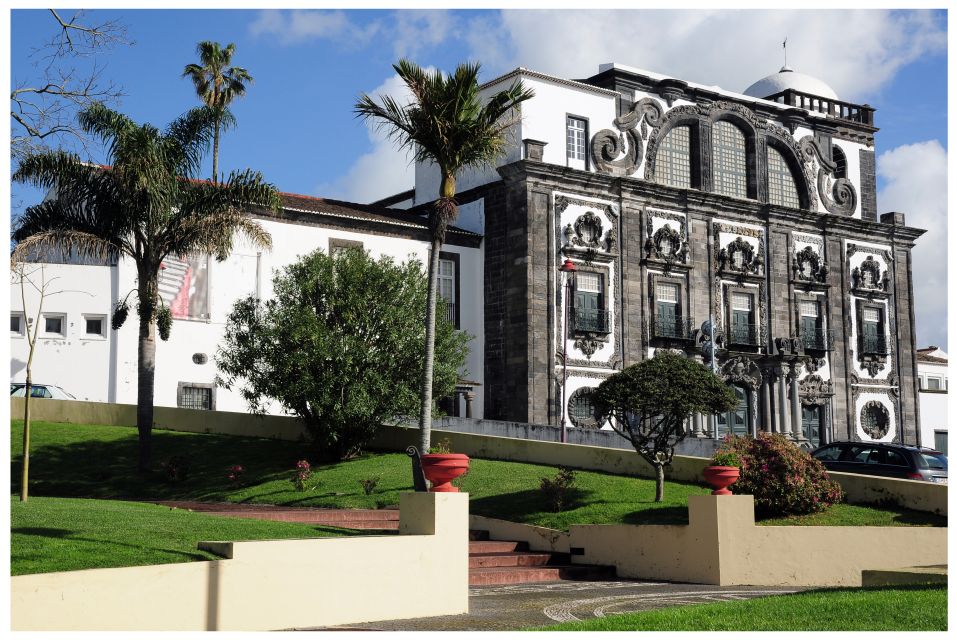
- Carlos Machado Museum and the Igreja do Colégio: learning without feeling stuck
- Antero de Quental and the gardens: the literary thread you can walk
- Palácio da Conceição and political autonomy: power on the islands, explained in plain terms
- Coliseu Micaelense to Forte de São Brás: arts, sea power, and major festivities
- Portas da Cidade to Igreja Matriz: ending at the civic heart
- Price and what $41 really buys in 3 hours
- Group energy, guide language, and the one drawback to plan around
- Should you book Ponta Delgada’s Historical Walking Tour?
- FAQ
- How long is the Ponta Delgada historical walking tour?
- Where does the tour start and what landmark is nearby?
- Where does the tour end?
- What’s included in the price?
- What languages is the tour offered in?
- Is it wheelchair accessible?
- What should I bring, and what’s not included?
Key highlights to look forward to
- Ernesto do Canto Public Library kickoff: Start by Luís de Camões’ bust, then move right into the city’s cultural rhythm.
- Mercado da Graça in the middle of it: Colors, smells, and Azorean food culture set the tone before you shift to landmarks.
- The Carlos Machado Museum stop: A place where natural history and regional culture meet.
- Gardens tied to writers and ideas: Antero de Quental Garden and the poet-focused library moments help you grasp the literary thread.
- Political autonomy, explained on foot: Padre Sena Freitas Garden and Palácio da Conceição point to how power is divided among the islands.
- Sea-defense landmarks and Santo Cristo: Campo de São Francisco and Forte de São Brás connect the city to the ocean and to major religious festivities.
Starting at Ernesto do Canto Library and Camões: setting the tone fast
I like tours that help you place the city quickly, and this one starts with a strong anchor: Ernesto do Canto Public Library, right next to the bust of Luís de Camões. Even before you walk a block, you’re reminded that Ponta Delgada isn’t just buildings—it’s writers, learning, and civic pride.
From there, you get a guided flow that doesn’t treat history as a lecture from far away. You move from one meaningful site to the next, so the story becomes physical: each stop feels like a chapter you can see. And because the tour is wheelchair accessible, it’s built for a wider set of mobility needs than the typical “hard mode” walking tours you sometimes see on islands.
Practical tip: plan on comfortable shoes and water. Three hours sounds short, but you’ll be on your feet through gardens and between key civic and cultural sites.
You can also read our reviews of more tours and experiences in Sao Miguel Island.



Mercado da Graça to Teatro Micaelense: where local life meets big culture
Next up is Mercado da Graça, a lively local market where the Azorean way of life shows up in colors, aromas, and flavors. This is a smart choice early in the walk because markets are where a place reveals its everyday priorities. You don’t need to order anything to understand the vibe—you just get the sense of what locals return to.
Then the tour shifts to Teatro Micaelense, one of the cultural landmarks of the Azores and a symbol of the island’s artistic heritage. This contrast—market to theatre—helps you understand Ponta Delgada as both practical and expressive. One stop tells you how people live. The next tells you how they perform, gather, and keep traditions alive.
If you care about value, this segment matters because it’s not just sightseeing from the sidewalk. You’re guided to interpret why these places matter, and you’re set up for what’s coming next: museums, gardens, and institutions that connect culture to identity.
Carlos Machado Museum and the Igreja do Colégio: learning without feeling stuck
A highlight for many visitors is the Carlos Machado Museum. It’s where natural history and regional culture meet, which is a great match for the Azores. You’re on an island chain shaped by water, weather, and biodiversity, so it makes sense that the story of the archipelago includes both living things and human traditions.
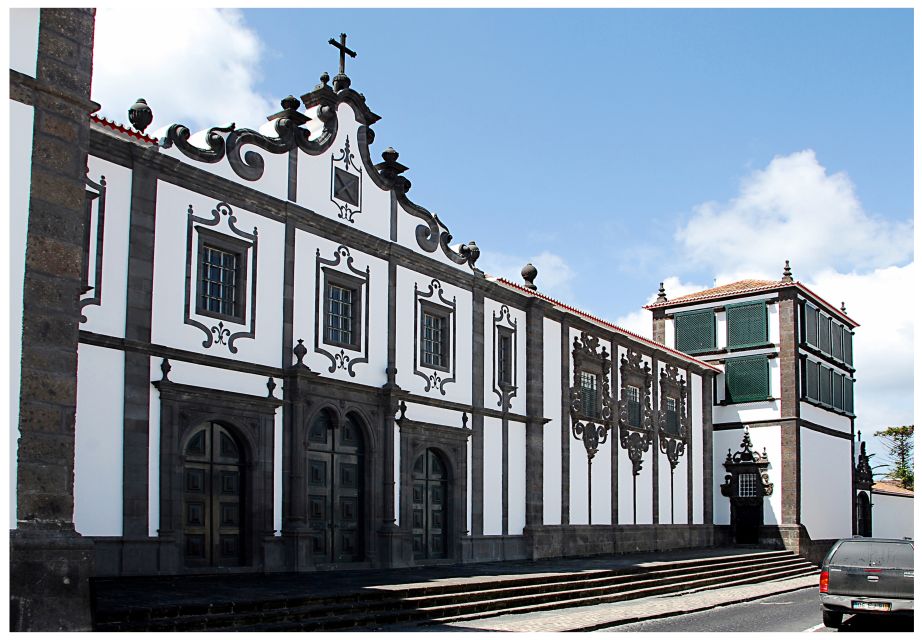
After that, you head toward Igreja do Colégio. Religious buildings in Portugal often function as more than places of worship. They’re tied to education, community history, and the way cities organized themselves—especially in places where the church influenced schools and public life. So even if you’re not religious, this stop can still help you read the city’s “why,” not just its “what.”
One thing to watch: based on feedback about tour narration style, some groups may hear more biblical-themed stories than they expect. If that’s not your thing, I’d arrive ready to ask the guide for the most local, history-focused framing when relevant.
Antero de Quental and the gardens: the literary thread you can walk
The tour becomes especially interesting around the Antero de Quental Garden and the related library stop where you’ll hear stories about Antero de Quental and his influence on Portuguese literature. This is the kind of detail many visitors miss when they only chase coastal views.
Why it matters: literary figures can feel abstract until you connect them to physical places—gardens, libraries, plaques, and public spaces. On this tour, the guide uses these spaces so the poet’s influence becomes something you can point to. You’re not just learning a name; you’re learning how ideas travel and how places claim cultural identity.
Then you also pass by Padre Sena Freitas Garden, another green pause that breaks up the walking while keeping the theme going. It’s a chance to breathe, look around, and reset your attention.
Practical note: if the day is sunny, gardens are pleasant. If it’s windy or drizzly (common on islands), you’ll still get value—but keep your layers sensible.
Palácio da Conceição and political autonomy: power on the islands, explained in plain terms
A strong part of this walk is the way it treats politics as something you can understand through place. Near the gardens, you’ll reach Palácio da Conceição, where you learn about Azorean political autonomy and how power is divided among the islands.
This is the stop that tends to pay off later. You’ll look at Ponta Delgada differently after you hear the structure behind the islands’ governance. It turns the city from a collection of sights into a system, with historical reasons for how things developed.
And because the tour is guided, you’re not stuck trying to interpret buildings with no context. If you like learning that feels practical—“now I get why this is here”—this section is a good match.




Coliseu Micaelense to Forte de São Brás: arts, sea power, and major festivities
The tour hits Coliseu Micaelense next—one of the largest theatres in the archipelago. The message here is clear: culture isn’t a side note in São Miguel. It’s a major public part of life.
Then you move toward Campo de São Francisco and the Forte de São Brás. This is where the narrative connects the island’s deep relationship with the sea to its strategic importance over the centuries. In other words, it’s not just scenic. It’s defensive history wrapped into a city landmark.
And then there’s the Santo Cristo connection. The tour highlights that the famous Santo Cristo festivities take place at Forte de São Brás, described as the second-largest religious celebration in Portugal. Even if you’re not visiting during festival season, knowing this adds meaning to what you’re seeing. A fortress stop stops feeling like a random photo location and starts feeling like a key stage in a larger tradition.
Timing reality check: one feedback point suggests that on Saturday tours, some stops may be closed. So if you’re booking for a Saturday, I’d keep your expectations flexible and plan to enjoy the stops that are open.
Portas da Cidade to Igreja Matriz: ending at the civic heart
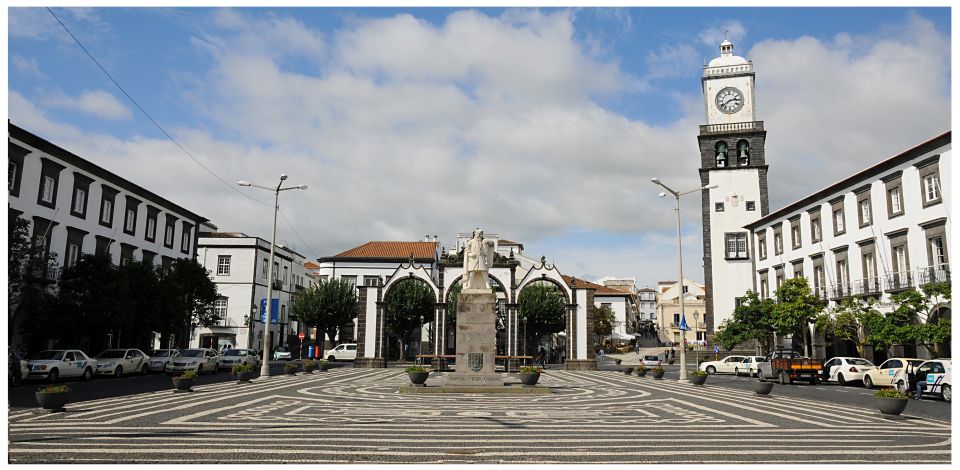
You wrap up at Portas da Cidade, described as the symbolic gateway to the Azores. Ending with a portal makes sense for a historical walking tour: you feel like you’re crossing from the past you just learned into the city’s everyday present.
Nearby you’ll visit Câmara Municipal and Igreja Matriz de São Sebastião, the heart of the city. This portion helps you land the tour where local governance and community worship meet. It’s a clean way to close the loop—earlier you started with libraries and culture, and now you end with civic institutions and a central church.
Then you head back toward Mercado CORES | Azores for All, where the group returns after the walk. It’s a fitting finale: you shift from historic interpretation to local crafts and creative projects tied to Azorean identity.
Price and what $41 really buys in 3 hours
At $41 per person for a 3-hour guided walking tour, the value is about what’s included. You’re paying for a live guide, entry to the attractions listed on the route, and insurance coverage for personal accident and liability. That combination matters on islands, where ticketing and logistics can add up fast.
You’re also not paying for lunch, pickup, or drop-off. So you’ll want to plan your own meal time and just use the tour as a focused half-day experience—like a guided “map in your head” for Ponta Delgada.
If you’re comparing value, look at it like this: you’re not just buying access to one museum. You’re buying connections—market to theatre, museum to gardens, politics to fortress. For many visitors, that added context is what turns a few stops into a memorable city visit.
Group energy, guide language, and the one drawback to plan around
Here’s the honest consideration: the guide experience can vary. One group praised Manuela as friendly and very knowledgeable. Another group flagged that English could be hard to follow, and that narration leaned more on biblical stories than historical facts.
That doesn’t mean you’ll have a bad time. It does mean you should match the tour to your style of travel. If you love cultural storytelling and don’t mind religious framing, you’ll likely enjoy the flow. If you want strict history with crisp, consistent English, it’s worth checking that you’ll be comfortable with the guide’s language and the topic balance.
Another practical factor: group mood. One note described a dreary vibe and suggested that a coffee stop to lift energy could help. You can fix this yourself by carrying a water bottle, being ready to keep walking even if people are sleepy, and grabbing your own coffee before the tour starts.
Should you book Ponta Delgada’s Historical Walking Tour?
Book it if you want a guided way to connect Ponta Delgada’s culture, institutions, and sea landmarks in one efficient 3-hour circuit. It’s a strong choice if you like learning that’s tied to streets, gardens, theatres, markets, and historic civic buildings—not just “look at this view.”
Maybe skip or reconsider if your top priority is purely factual secular history and you need extremely clear English throughout. Also consider day-of-week reality: some stops can close on Saturdays, so build in flexibility.
If you do book, go in prepared: comfy shoes, water, and a mindset that this is as much about how the Azores thinks and tells stories as it is about dates and facts.
FAQ
How long is the Ponta Delgada historical walking tour?
The tour lasts 3 hours.
Where does the tour start and what landmark is nearby?
It starts at Ernesto do Canto Public Library, next to the bust of Luís de Camões. The listed address is R. Ernesto do Canto Antiga Rua Denasa da graca 1a.
Where does the tour end?
The tour finishes at Mercado CORES | Azores for All.
What’s included in the price?
The price includes the guide, entry to the attractions listed on the route, and insurance (personal accident and liability).
What languages is the tour offered in?
The live guide can speak English, Portuguese, Scots Gaelic, and Spanish.
Is it wheelchair accessible?
Yes, the tour is wheelchair accessible.
What should I bring, and what’s not included?
Bring comfortable shoes and water, plus comfortable clothes. Lunch, pickup, and drop-off are not included.