REVIEW · SAO MIGUEL ISLAND
From Ponta Delgada: Whale and Dolphin Watching Trip
Book on GetYourGuide →Operated by Futurismo Azores Whale Watching · Bookable on GetYourGuide
Whale watching off the Azores can be wildly fun.
From Ponta Delgada, this 3-hour trip puts you on the Atlantic with a marine biologist guide who helps you read what you’re seeing, from safety rules to animal behavior.
I especially like how practical the crew approach feels: you’re not just “go look out there” and hope. You get real guidance on where to focus, how to observe respectfully, and what species are most likely in season.
One thing to consider: conditions at sea can be choppy, and the trip has limits—children under 8, pregnancy, and back problems are listed as not suitable.
In This Review
- Key things I’d note before you go
- Ponta Delgada and the Azores: Why this route is so good for whales
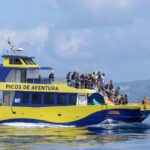
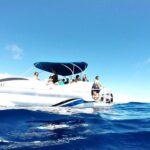
- Catamaran vs Zodiac: Pick the boat that matches your body and your vibe
- The 15-minute harbor briefing that shapes the whole trip
- Sailing out from Portas do Mar: What “3 hours” really feels like
- How the biologist turns sightings into understanding
- What you can realistically spot: species list, seasons, and surprises
- The second-tour safety net
- Ethical rules: why you get great views without pushing wildlife
- Comfort tips that make or break a dolphin-and-whale day
- Bring the right attitude toward motion
- Wear practical footwear
- Respect the equipment rules
- Price and value: is $82 fair for 3 hours at sea?
- Who should book this trip from Ponta Delgada, and who should skip it
- Should you book this whale and dolphin watching trip from Ponta Delgada?
- FAQ
- How long is the whale and dolphin watching trip from Ponta Delgada?
- Where do I meet the tour?
- What boats are offered?
- What’s included in the price?
- Is food or hotel pickup included?
- Do I need to pay attention to any restrictions onboard?
- Are whale and dolphin sightings guaranteed?
- Can the trip be canceled?
- Is this trip suitable for young children or pregnancy?
Key things I’d note before you go
- Two boat styles at booking time: catamaran for smoother comfort; Zodiac for a more expedition-style feel
- A real marine biologist on board: commentary and animal interpretation, not random guessing
- Safety briefing first: you get rules of observation and water safety before you leave the harbor
- More than animal spotting: you also look for turtles, seabirds, and other marine life
- Second tour if you see nothing: you’re not stuck with a zero-sighting outcome
- Ethical rules are part of the experience: clear guidance on how to approach from behind and keep distance
Ponta Delgada and the Azores: Why this route is so good for whales
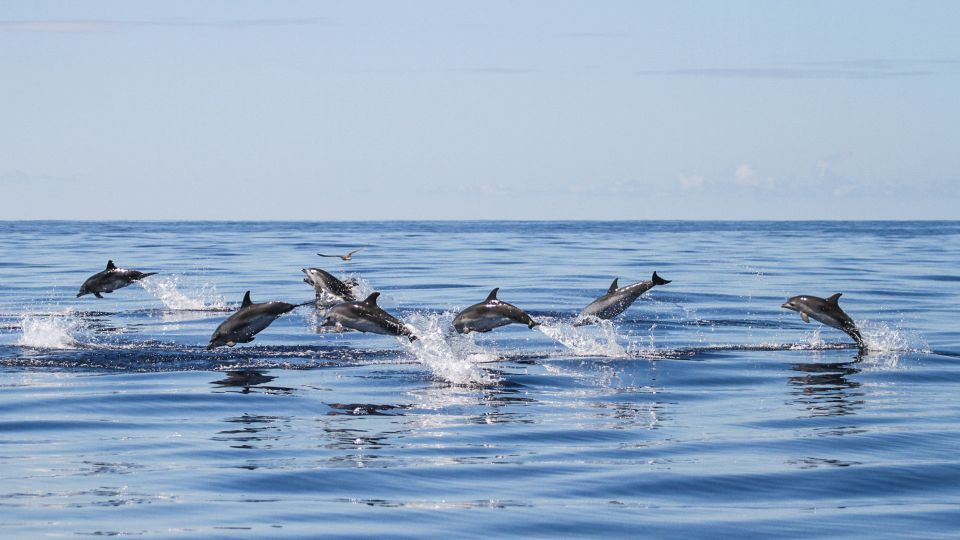
The Azores sit right where ocean life loves to travel and feed. They’re in the middle ground between Portugal and North America, and that matters because it’s a major stopover and home range for cetaceans. On this trip, the goal isn’t vague: you’re actively scanning for a long list of whales and dolphins that the Azores host or pass through year-round.
A big reason I like this kind of outing here is that it’s not just about the thrill. The trip is built around learning the “why” behind what you’re seeing. With a marine biologist on board, you’re more likely to understand things like surfacing patterns, feeding behavior, and how the crew reads the water when they’re searching.
Also, the variety is part of the point. The operator talks about over 25 cetacean species connected to Azores waters, and that’s exactly what you want when you’re spending only a few hours at sea. You’re not betting everything on one “maybe” whale.
You can also read our reviews of more tours and experiences in Sao Miguel Island.

Catamaran vs Zodiac: Pick the boat that matches your body and your vibe
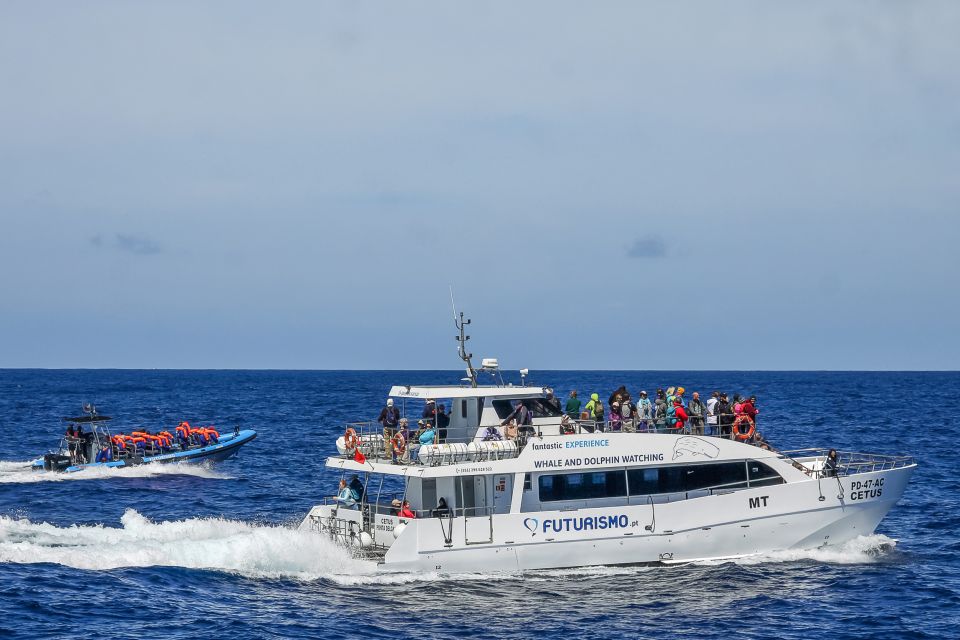
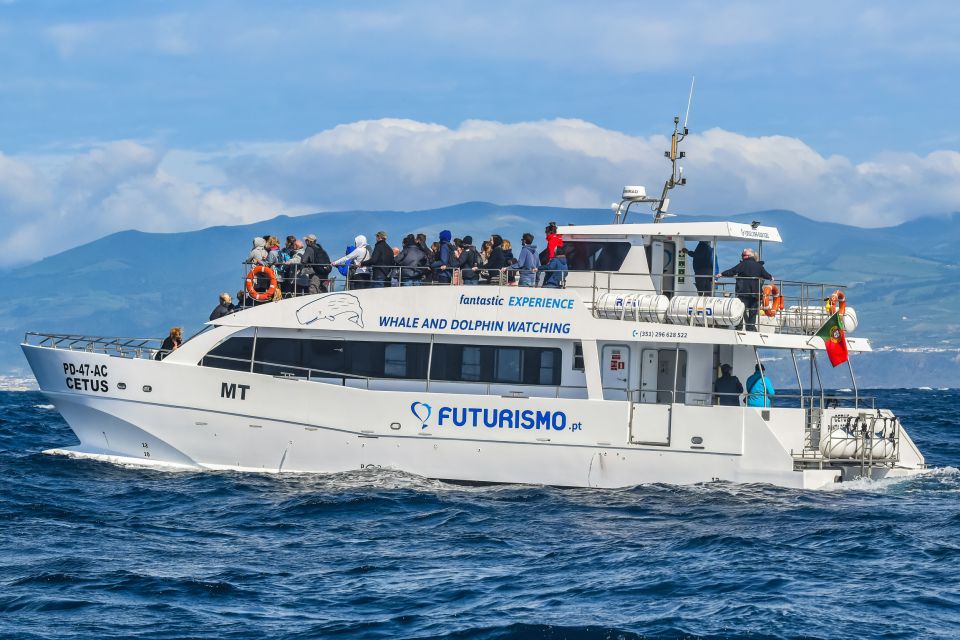
You choose your vessel at booking time, and it’s not a small detail. The catamaran option is recommended for families with children under 8, seniors, pregnant women, and people with limited mobility or back issues. If you fall into any of those groups, that recommendation is the clearest “start here” signal in the whole description.
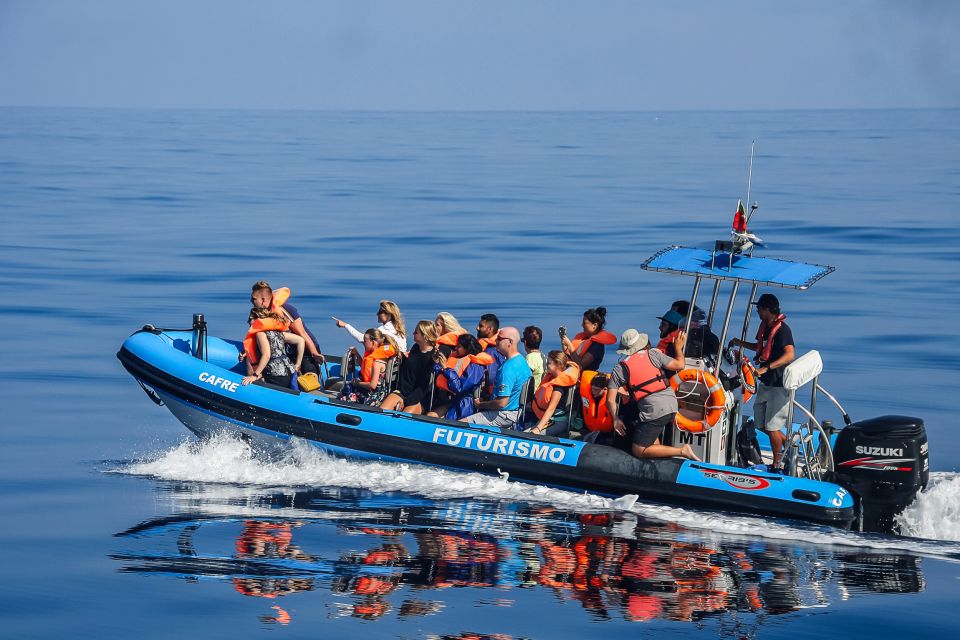
The Zodiac option is more hands-on. On a smaller inflatable rubber boat, you may feel more of the Atlantic—good if you like being close to the action, not great if you get seasick easily. On the Zodiac, a life jacket is mandatory, and the operator provides raincoat and pants (those protective layers aren’t listed as included for catamaran passengers).
Here’s my practical take: if you know you’re sensitive to motion, choose the catamaran. If you’re steady on boats and want the most “expedition” feel, the Zodiac can deliver a more direct viewing experience.
The 15-minute harbor briefing that shapes the whole trip
Before you head out, you get a briefing at the harbor—about 15 minutes of setup. This is the part that often gets overlooked on tours like this, but it’s one of the most important pieces.
You’ll learn:
- basic water safety expectations
- rules for observing marine animals
- respect guidelines so animals aren’t pushed or stressed
That briefing also ties into the tone you’re going to experience later on the water. In several accounts, the crew is described as coordinated and attentive, and that only happens when everyone starts with the same expectations. The result is usually what you want: clear directions, calm behavior, and fewer chaotic moments at the railing.
One small but smart detail: the tour operator lists behaviors and items you’re not allowed to bring, including drones. That keeps the focus on ethical observation instead of gadget-fueled disruption.
Sailing out from Portas do Mar: What “3 hours” really feels like
The meeting point is at Futurismo Azores Adventures in Ponta Delgada Harbour, Portas do Mar – Shop 26, 9500-771 São Miguel, Azores, Portugal.
From there, you’ll do the safety briefing, then head out into the Atlantic. The whale-watching portion runs about 2.75 hours within the overall 3-hour experience. That timing is good: you get enough time to search, but it isn’t so long that you fade into boredom.
And since the Azores are a permanent home or migration route for a huge number of whale and dolphin species, the trip is designed for “actively looking,” not passively drifting. The crew scans, you learn what you’re looking for, and they adjust based on what shows up.
One more factor: these outings can be affected by weather and minimum numbers. That’s not a red flag; it’s normal ocean reality. If conditions aren’t right, the operator can cancel—so if you’re building your vacation schedule, don’t put this as the only thing you can’t miss.
How the biologist turns sightings into understanding
The centerpiece here is the marine biologist (or nature guide) on board. You’re not just listening to facts; you’re getting help interpreting signs in real time.
The operator specifically describes commentary on:
- the history of whale watching in the Azores
- the rules of observation and respect
- what species are present and when they’re most likely
And that historical context helps you understand why the crew follows strict distance and approach guidelines. When animals behave differently than you expect—like lingering near the surface, then disappearing quickly—that’s not random. It usually connects to feeding, social structure, or movement patterns, and the guide helps you connect the dots.
In at least one account, the biologist named Valeria stood out for clear explanations and helpful guidance. That kind of onboard teaching is what turns a good sighting into a memorable one.



What you can realistically spot: species list, seasons, and surprises
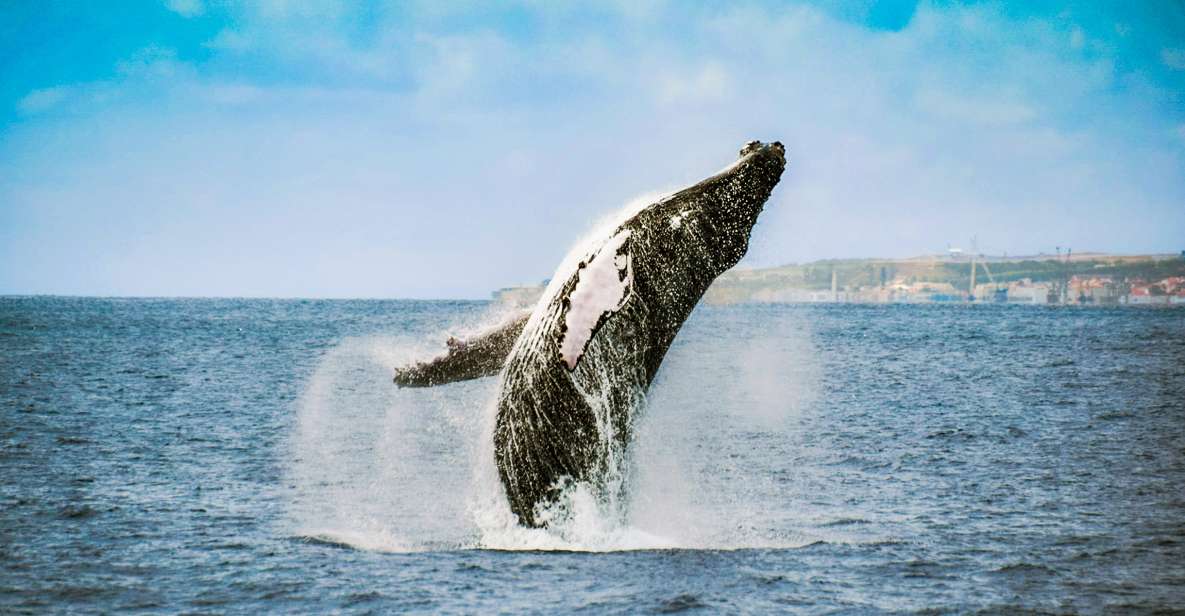
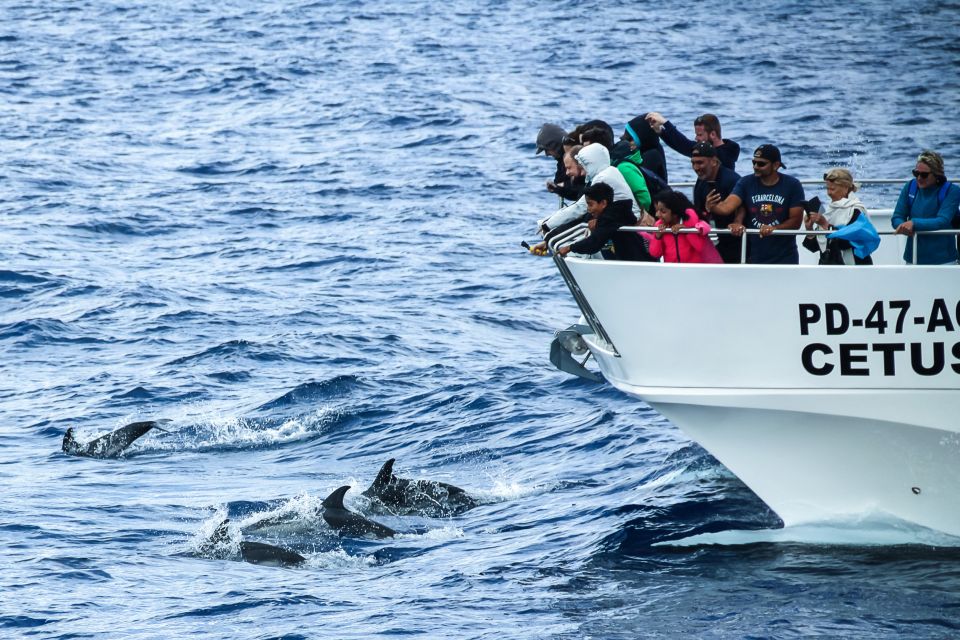
If you come for whales and dolphins, this area is set up for variety. The tour materials call out likely sightings including:
- minke whales
- sperm whales
- common dolphins
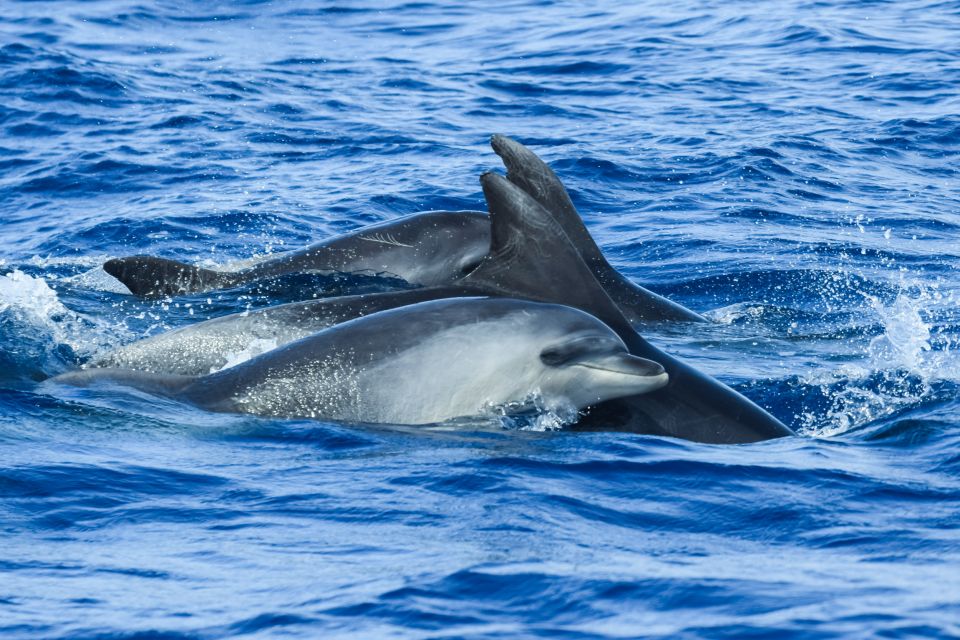
- bottlenose dolphins
- Risso’s dolphins
- sea turtles and seabirds
And you can also see other marine life depending on the day.
Seasonal expectations help, too:
- In summer months, you may spot dolphins like pilot and striped dolphins, plus other cetaceans.
- In spring, the operator points to migrating baleen whales such as blue whales, fin whales, and sei whales.
You should also know the practical truth: sightings depend on what’s in the water when you’re out there. That’s why I like that the experience includes a backup plan.
The second-tour safety net
The most consumer-friendly detail is simple: if no animals are sighted during the experience, you’re offered a second tour. That means you’re not just buying a “hope” ticket. It’s still not a guaranteed-animal voucher, but it reduces the chance of walking away feeling shortchanged.
Ethical rules: why you get great views without pushing wildlife
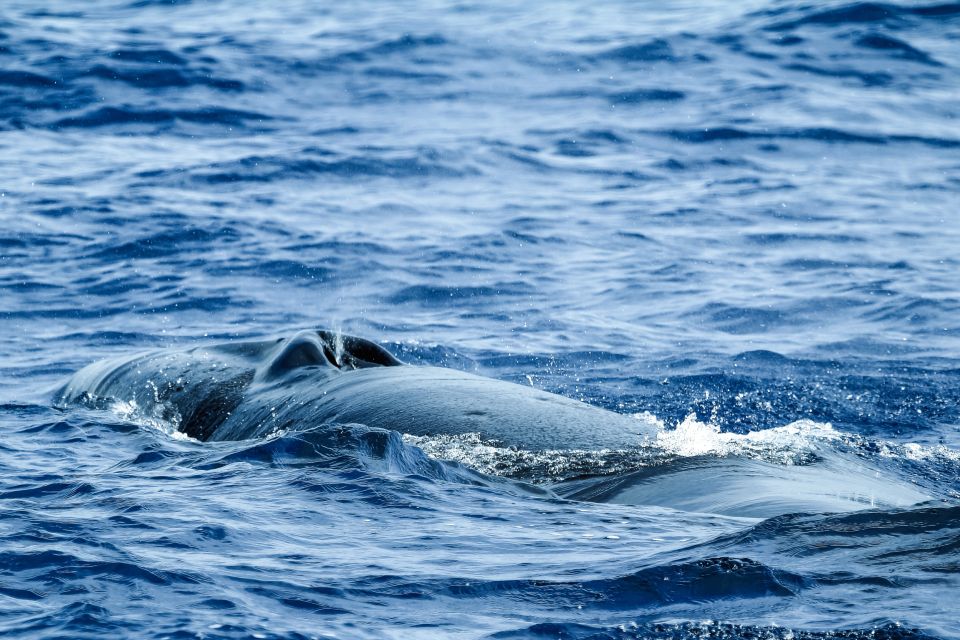
Ethics on the water isn’t just a moral talking point here; it affects how your viewing works.
The trip description emphasizes respect for animals and rules of observation. In real-world accounts tied to this operator, people noted clear behavior around approach and disturbance—like keeping distance and using proper positioning when animals come near.
One specific ethical detail that shows up in accounts: the crew may turn off the engine when close to animals like orcas, so they’re not disturbed by noise. Even if you never see those species, the principle is the same. The crew’s behavior is aimed at reducing stress and keeping encounters natural.
For you as a viewer, that can actually improve the experience. When animals aren’t agitated, they often stay in the area long enough for a calmer, more satisfying set of moments.
Comfort tips that make or break a dolphin-and-whale day
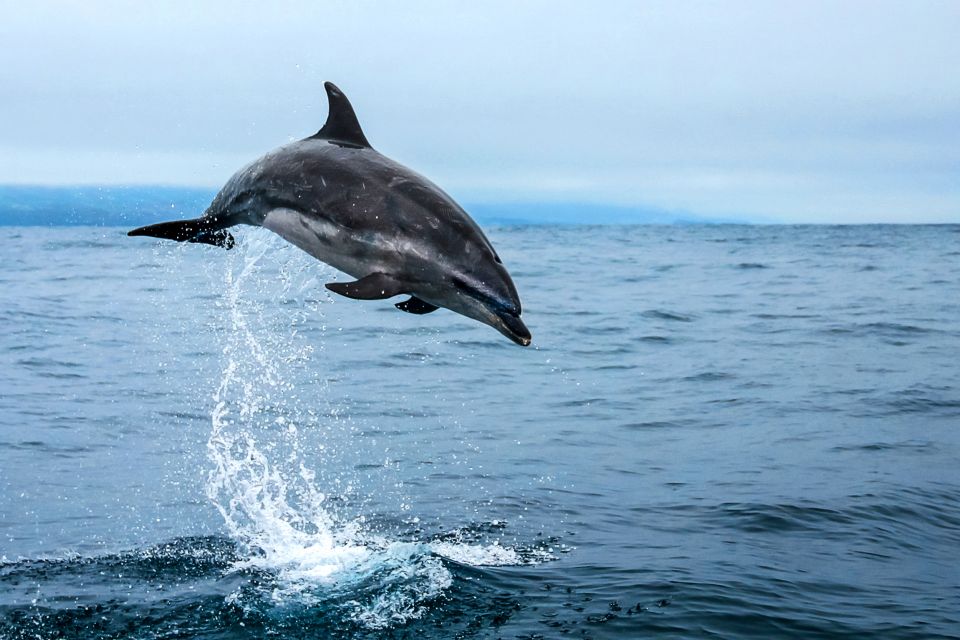
Even if everything goes right, comfort affects what you remember.
Bring the right attitude toward motion
With a Zodiac, you may feel more movement. One caution that comes through in accounts is that waves can feel intense on the smaller speed boat. If you’re prone to seasickness, plan to handle it before you’re already nauseous. The tour provides protective gear on Zodiac boats, but it doesn’t replace personal motion-prep.
Wear practical footwear
The activity lists no high-heeled shoes. That’s an easy rule to follow and a smart one. Choose shoes you can stand in without worrying about slip hazards.
Respect the equipment rules
No drones are allowed. Also, alcohol and drugs are not allowed, and smoking is not allowed. That helps keep people steady and focused when the crew spots something.
Price and value: is $82 fair for 3 hours at sea?
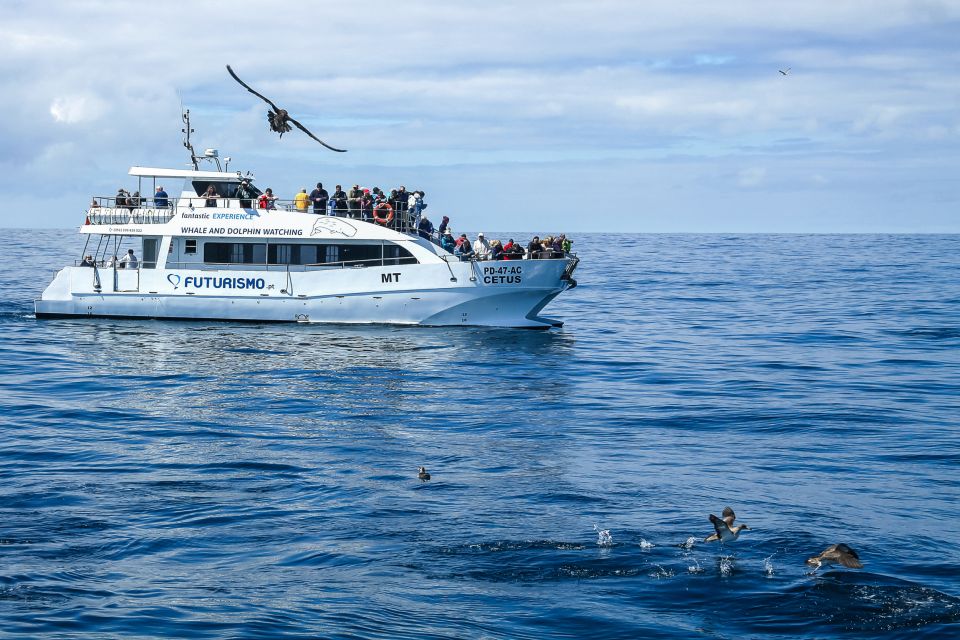
At $82 per person, you’re paying for more than time on a boat. You’re paying for:
- a guide-led search and interpretation
- a marine biologist / nature guide on board
- safety briefing and rules for animal observation
- optional vessel selection (catamaran or Zodiac)
- Zodiac-specific gear (life jacket mandatory; raincoat and pants provided for Zodiac)
It also includes a pre-tour briefing. What’s not included is what many travelers forget to budget: hotel pickup/drop-off and food and drink.
So is $82 worth it? In my view, yes—if you treat it like a serious guided search, not a random boat ride. The value jumps because the guide experience is built in, and because you have that second-tour offer if you don’t get sightings.
If you’re trying to do this on the cheapest possible schedule, you might feel that food not included is annoying. But for a 3-hour, specialist marine outing, the base price looks aligned with what you’re getting: staff, safety, and education.
Who should book this trip from Ponta Delgada, and who should skip it
This is a great fit if:
- you want guided whale and dolphin spotting, not just sightseeing
- you like marine life facts and animal behavior explanations
- you want the option to pick a boat style based on your comfort
It’s not a fit if:
- you have back problems listed as not suitable
- you’re pregnant, listed as not suitable
- you have a child under 8, listed as not suitable
If you’re unsure, lean into the operator’s vessel guidance. The catamaran recommendation is designed for people who need a smoother ride and more stability.
One last note: this kind of outing can be emotionally intense in the best way. When you do see dolphins close up, or whales surface in a way that suddenly turns your brain into a quiet, focused scanner, it’s one of those experiences that sticks.
Should you book this whale and dolphin watching trip from Ponta Delgada?
If you want a guided, ethics-minded whale-watching experience with a marine biologist on board, I’d book it. The 2.75 hours on the water is long enough to matter, the species focus is strong, and the second-tour offer is a big quality-of-service win.
I’d only hesitate if your main goal is guaranteed whale sightings, or if you’re in a group that the operator lists as not suitable. And if you know you’re sensitive to choppy water, choose the catamaran option for a smoother day.
FAQ
How long is the whale and dolphin watching trip from Ponta Delgada?
The experience lasts about 3 hours total, with approximately 2.75 hours of whale watching.
Where do I meet the tour?
You meet Futurismo Azores Adventures at Ponta Delgada Harbour, Portas do Mar – Shop 26, 9500-771 São Miguel, Azores, Portugal.
What boats are offered?
You can choose between a catamaran or a Zodiac boat when booking.
What’s included in the price?
Included items are a pre-tour briefing, and on Zodiac boats you also get raincoat and pants, plus a life jacket (mandatory on the Zodiac). A marine biologist or nature guide is on board.
Is food or hotel pickup included?
No. Hotel pickup and drop-off are not included, and food and drink are not included.
Do I need to pay attention to any restrictions onboard?
Yes. The activity lists no high-heeled shoes, no smoking, no drones, no alcohol or drugs, and no nudity.
Are whale and dolphin sightings guaranteed?
No. The trip is subject to conditions like weather, and sightings depend on what’s in the water. If no animals are sighted during the experience, the operator offers a second tour.
Can the trip be canceled?
Yes. Trips can be canceled due to weather conditions and if minimum numbers aren’t met.
Is this trip suitable for young children or pregnancy?
It’s not suitable for children under 8, pregnant women, or people with back problems. The catamaran option is recommended for families with children under 8, seniors, pregnant women, and people with limited mobility or back issues.