REVIEW · SAO MIGUEL ISLAND
Terceira: Half-Day Dolphin and Whale Watching Tour
Book on GetYourGuide →Operated by Picos de Aventura · Bookable on GetYourGuide
Whales on Terceira are closer than you think. This half-day boat trip with Picos de Aventura is built around professional searching for up to 27 cetacean species in the Picos de Aventura area, with a real briefing before you ever head out.
What I like most is how much the team explains, from dolphins and whales to the right way to watch them, and how smoothly the guides run the day. People also name-check standout guides like Francisco and João, plus Luis and Joao, for friendly, safety-first guiding and clear scientific info.
One consideration: whales are wild animals, so you may end up with lots of dolphins one day, and fewer larger whales another. A late start or shifting conditions can also affect what you see, even when the crew works hard to find animals.
In This Review
- Key Things to Know Before You Go
- Meeting at Pátio da Alfândega: where your Terceira sea day begins
- The briefing first: safety rules, sighting methods, and how you’ll spot cetaceans
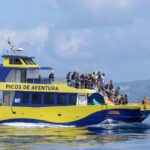
- Out on the water near Picos de Aventura: how the crew finds whales and dolphins
- When you spot sperm whales, humpbacks, or just lots of dolphins
- The speed, timing, and why the trip is built around a 3-hour window
- Coastline geology and a possible stop at Ilhéu das Cabras
- Language on board: English, Portuguese, and Spanish explanations
- Price and value: what $70 gets you in the Azores
- What to pack: the practical kit that makes sea time easier
- Who should book this tour (and who might not)
- Should you book the Terceira Half-Day Dolphin and Whale Watching Tour?
- FAQ
- Where is the meeting point for the tour?
- How long is the tour?
- What languages are available for the live guide?
- What should I bring?
- How much does it cost?
- Can I cancel for a refund?
Key Things to Know Before You Go
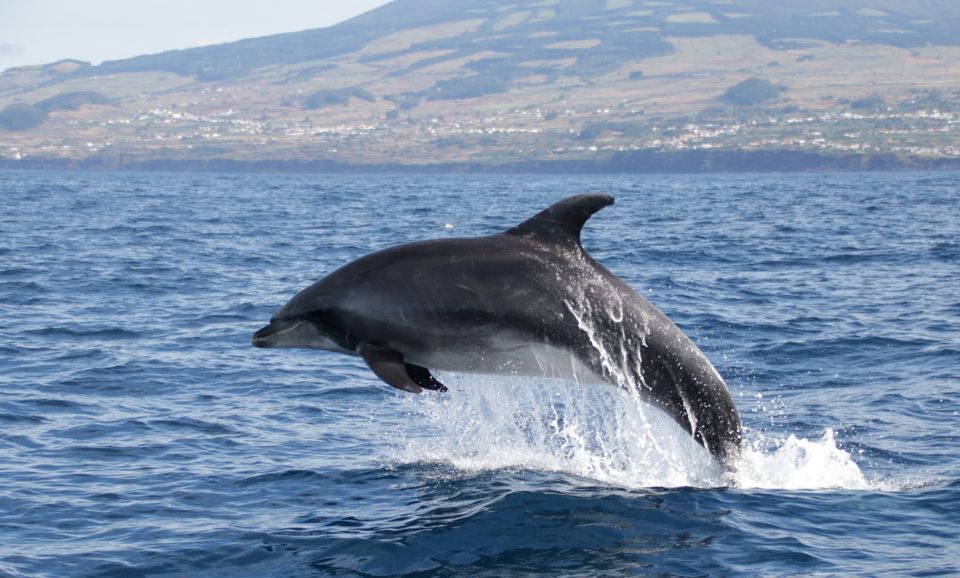
- Up to 27 cetacean species possible: The search focuses on a wide range of whale and dolphin types in the Azores.
- Expert team on board: You get guidance from skippers, biologists, and lookouts, not just a casual skipper.
- Pre-departure briefing + ethics: You’ll learn how sightings work, plus safety rules and codes of conduct for watching cetaceans.
- High success rates: Multiple reviews mention strong odds, including days with sperm whales and several dolphin species.
- Coastal geology is part of the show: You don’t just look at animals; you also see impressive coastline features up close.
- Boat handling matters: Reviews highlight confident piloting, including when seas aren’t perfect.
Meeting at Pátio da Alfândega: where your Terceira sea day begins
Your tour starts at Picos de Aventura, Pátio da Alfândega, 9700-178 Angra do Heroísmo. If you’re basing yourself in or near Angra do Heroísmo, this is a handy launch point because it keeps logistics simple.
Plan to arrive a little early with an easy mindset. A lot happens before the boat even leaves: the crew briefs you on what to look for, what not to do, and how they’ll run the hunt for animals. The best sightings usually happen when everyone is paying attention right from the dock.
You can also read our reviews of more tours and experiences in Sao Miguel Island.
The briefing first: safety rules, sighting methods, and how you’ll spot cetaceans
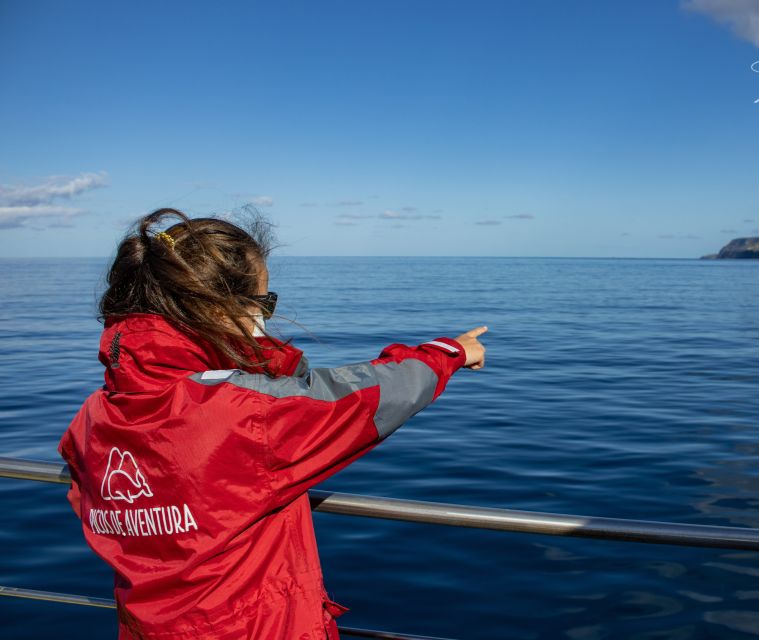
This is not a one-size-fits-all ride with vague narration. Before you head out, you’ll get a detailed briefing covering cetaceans, how sightings are tracked, and the safety rules for being on the water. You’ll also get the observation ethics used in the Azores.
Why that matters to you: when you understand what the team is looking for, you stop watching the trip like a guessing game. You start spotting behavior—surface timing, group movement, and the cues that indicate animals are nearby.
You’ll hear the science explained live by a guide, in Portuguese, English, or Spanish. Reviews repeatedly praise the team’s knowledge and enthusiasm, with names like Francisco and João showing up in positive notes for being both informative and upbeat. If you want a trip that feels like learning without becoming a lecture, this style fits.
Out on the water near Picos de Aventura: how the crew finds whales and dolphins
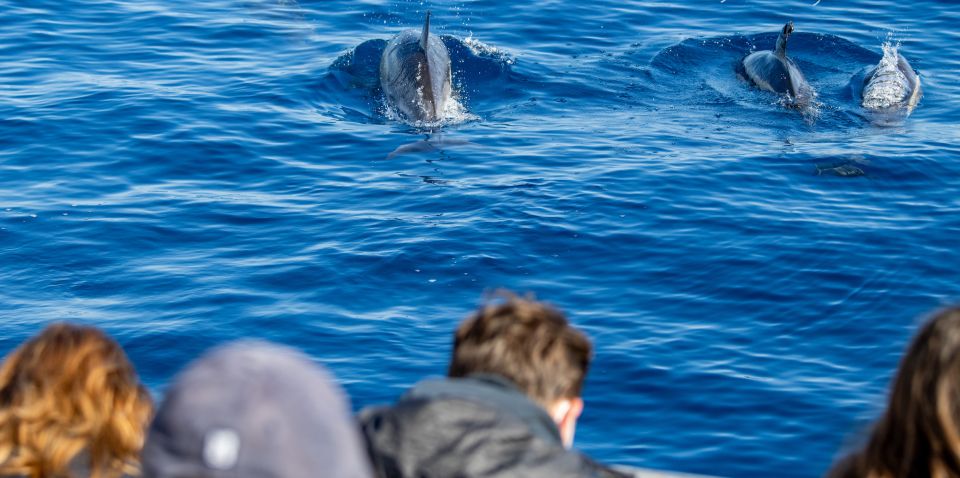
Once underway, the focus turns to the Picos de Aventura area—where the goal is to observe up to 27 species of cetaceans, with a high success rate. The crew uses skippers plus biologists and lookouts, which is a big deal. Lookouts help scan for surfacing and activity, while the scientific team supports how and where to concentrate effort.
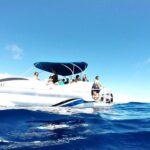
In practical terms, you should expect the day to feel active. The boat goes out with purpose, and when animals are spotted, the crew adjusts quickly. One review mentioned the fun element of speedboat curves and turns—so if you like a little excitement with your wildlife watching, you’ll probably smile at the ride. If you prefer very smooth, no-drama cruising, remember that searching at sea means you sometimes move with the conditions.
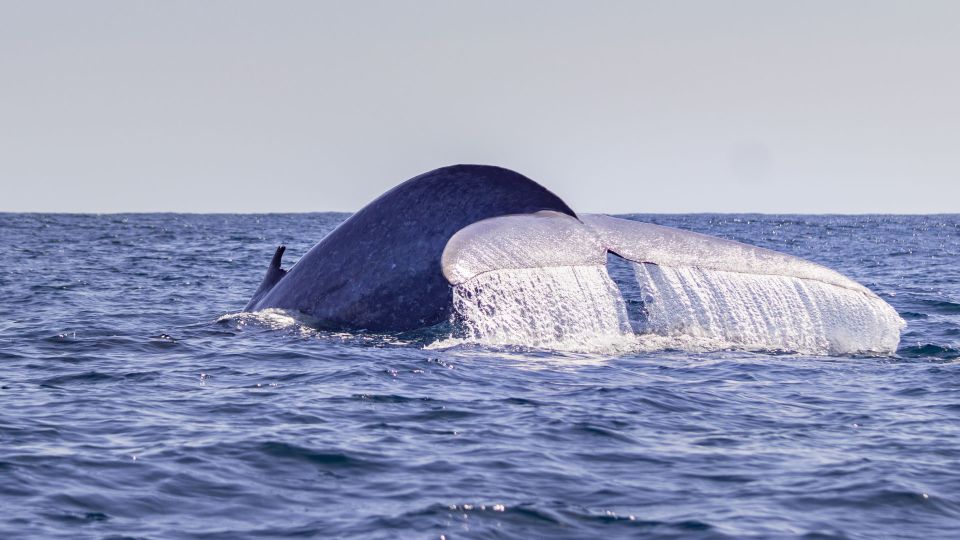
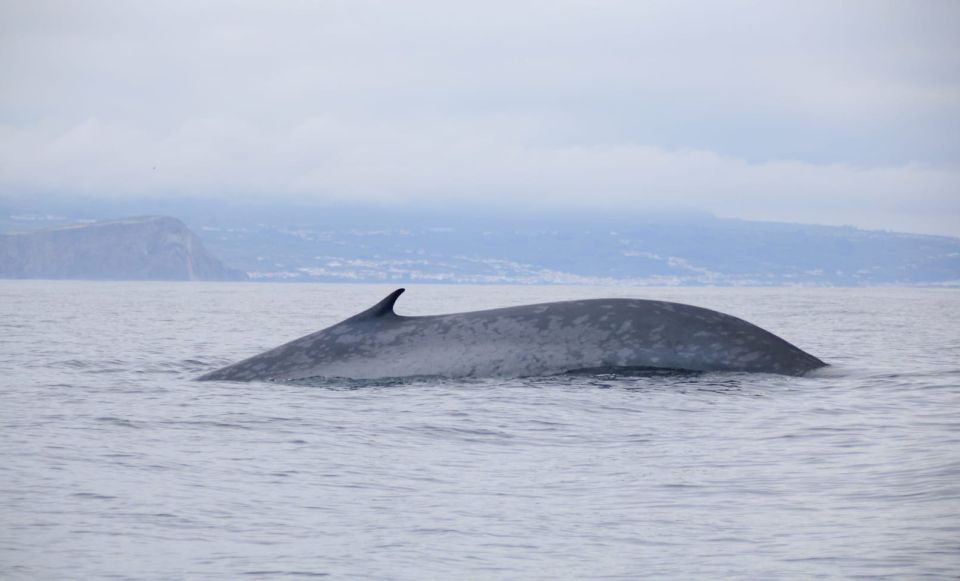
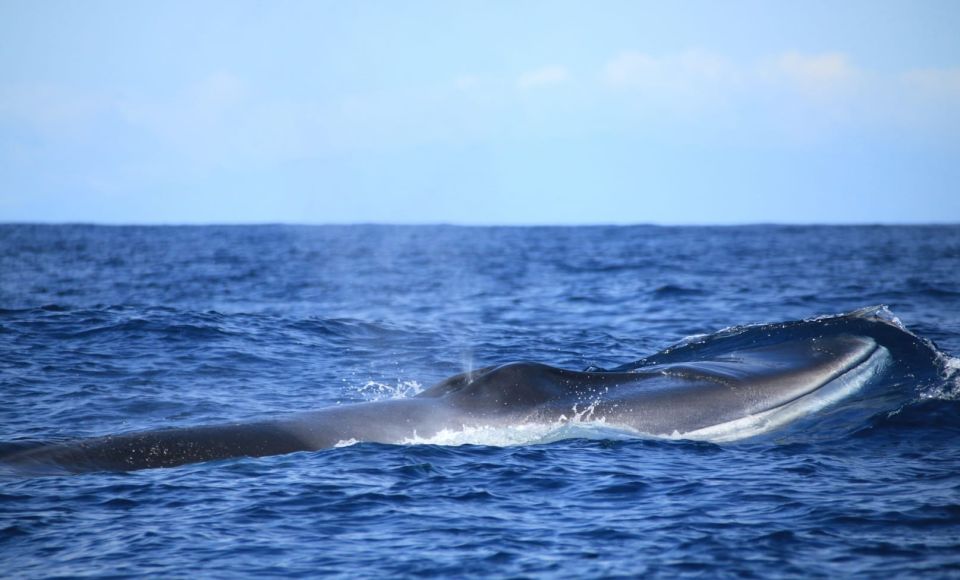
Sighting variety is a real theme. In different days, people reported sperm whales, humpback whales, a sei whale, and multiple dolphin species. Even when larger whales aren’t in the mix, the dolphins can be the main event.
When you spot sperm whales, humpbacks, or just lots of dolphins
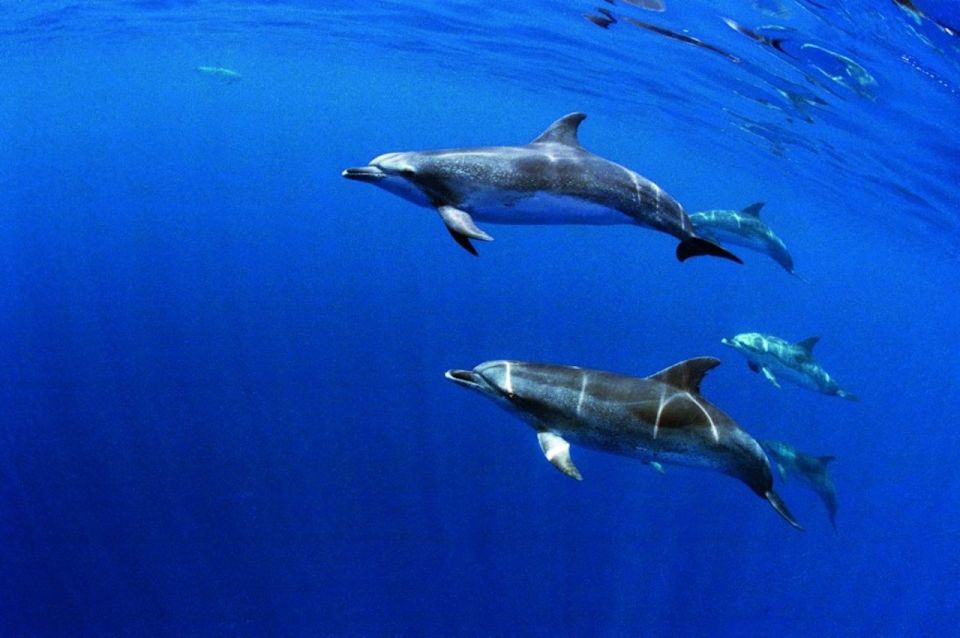
Here’s the truthful part: sightings depend on what’s happening in the water that day. But what’s encouraging is how often the trip delivers meaningful wildlife encounters, not just distant shapes.
Based on reported sightings, you could see:
- Sperm whales (included in strong positive reports)
- Humpback whales (also reported)
- Sei whale sightings (reported, and described as a highlight)
- Several dolphin species, sometimes in big numbers
- Other sea animals, including a turtle in at least one noted experience
If your goal is whales specifically, keep your expectations flexible. One review noted that whales were in the area earlier, but the group still delivered with lots of dolphins and additional scenery time. Translation: even when a bigger whale doesn’t cooperate, you’re still likely to have a memorable sea encounter.
The speed, timing, and why the trip is built around a 3-hour window
This tour runs about 3 hours. That short duration is part of the value. You get real time on the water, plus the briefing component, without burning a full day.
At the same time, a three-hour window means timing matters more than on longer cruises. If you start later due to sea conditions and then end earlier, you may feel you didn’t stay long enough with the animals. One experience mentioned exactly that: a late start and early finish reduced the time on the water.
What you can do: show up ready to go, wear your gear, and be prepared to make the most of whatever conditions you get. When you’re on a tight schedule, the crew’s ability to find animals quickly becomes the difference between a good trip and a great one.


Coastline geology and a possible stop at Ilhéu das Cabras
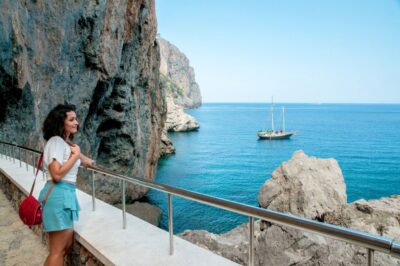
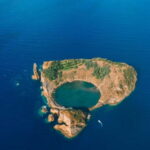
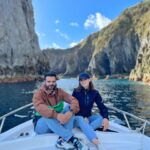
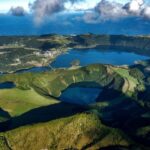
The experience doesn’t end when the spotting does. You’ll also admire the island’s dramatic coastline and geological formations. That’s a smart add-on because it gives you something to enjoy even on quieter wildlife days.
There’s also mention of a stop at Ilhéu das Cabras for appreciating the scenery. Because it isn’t listed as a guaranteed stop, treat it as a possible bonus depending on the day and what the crew is working with offshore. Either way, the coastline component helps make the tour feel more rounded than a straight out-and-back whale search.
Language on board: English, Portuguese, and Spanish explanations
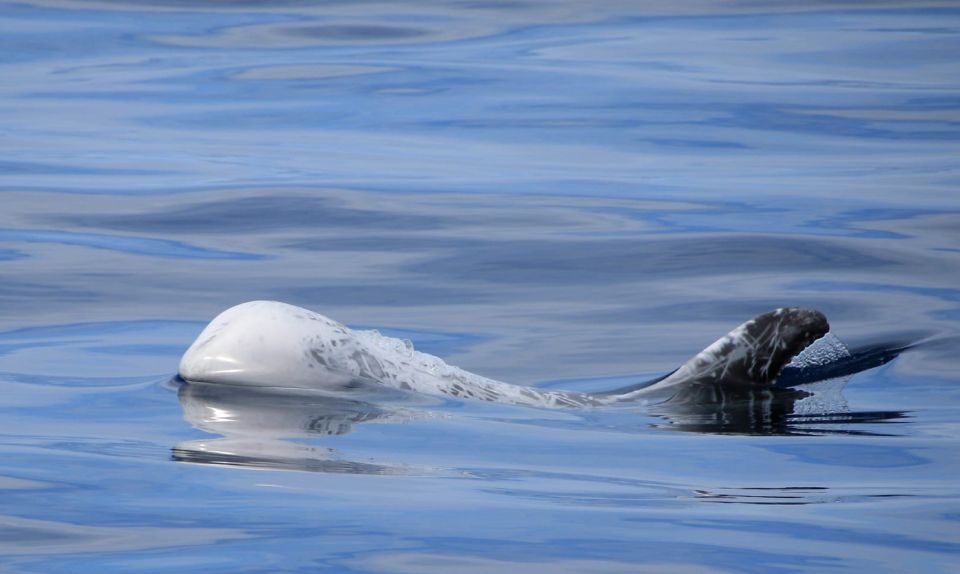
Good guiding is a translation problem as much as it’s a wildlife problem. This tour runs with a live guide in Portuguese, English, and Spanish, so you can follow what the crew is doing and why.
If you’re traveling with mixed language needs, this is helpful. You won’t be stuck with a vague audio loop; you’ll get the explanations in the language you choose at the time of booking.
Price and value: what $70 gets you in the Azores
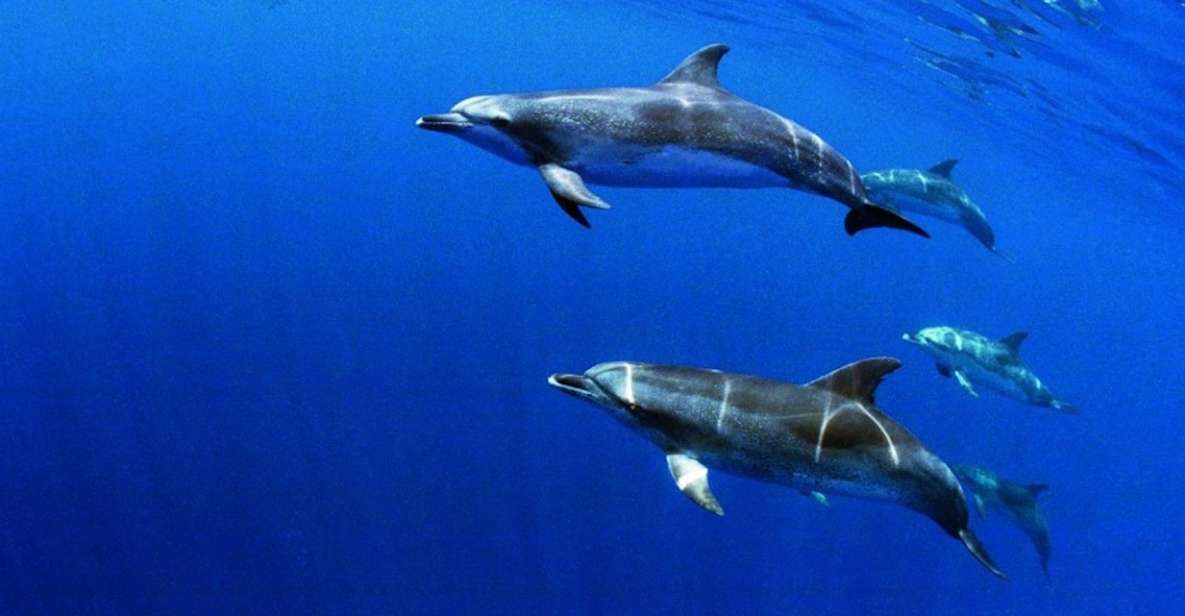
At $70 per person for around three hours, you’re paying for three things that are hard to replicate on your own: a professional team, a serious scouting setup, and a pre-departure education piece.
A few ways this adds up in real value:
- The included professional team (skippers, biologists, lookouts) improves your odds of quality sightings.
- The briefing and ethics rules make you better at seeing—and better at behaving responsibly around wildlife.
- The tour style balances learning with action, which is great if you don’t want a long day.
Could it feel pricey on a day with fewer animals? Possibly. But when the trip does deliver—multiple dolphin species, or larger whales like sperm whale or humpback—$70 suddenly looks like a fair deal for the combination of science, searching, and on-water time.
Also, if you’re planning around weather, the free cancellation up to 24 hours in advance is a nice safety net, and reserve-and-pay-later options can help you keep flexibility.
What to pack: the practical kit that makes sea time easier
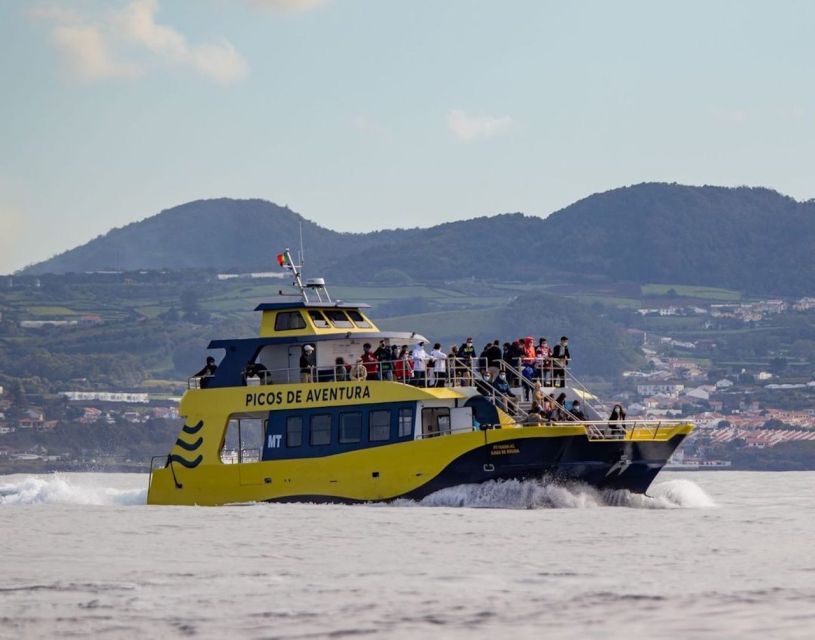
Even if you’re not going far from shore, conditions change quickly on the Azores. The tour gives you a clear list of what to bring, and I strongly agree with it because it covers comfort and sun/wind protection.
Bring:
- Comfortable shoes
- Windbreaker
- Hat
- Swimwear + towel (if you’re ready for any water moments)
- Sunscreen
- Water
- Waterproof bag
Why this matters: a windbreaker and hat help most when conditions are breezy. Sunscreen and water prevent the classic mistake of focusing on wildlife and forgetting that you’re exposed for the whole ride.
Who should book this tour (and who might not)
You’ll likely love this tour if you:
- Want a guided whale and dolphin experience with real wildlife education
- Prefer a half-day outing instead of a full-day cruise
- Appreciate ethical, safety-focused viewing
- Like the idea of seeing multiple cetacean species, not just hoping for one
You might look elsewhere if:
- You need a very calm, predictable schedule with minimal changes from weather
- You only care about one specific whale type (since sightings can vary day to day)
For most people visiting Terceira, this hits the sweet spot: focused time, expert guidance, and a strong chance of seeing something impressive.
Should you book the Terceira Half-Day Dolphin and Whale Watching Tour?
I’d book it if you want a practical, on-the-water dose of Azorean marine life with a team that knows what it’s doing. The best part is the combo: you get instruction up front, you’re actively searching with professionals during the ride, and you’re not just staring at the horizon—you understand what you’re seeing.
If your schedule is tight, the three-hour duration is a real plus. If you’re flexible and weather-smart, you’ll also be in a good position to benefit from the tour’s high success rate.
Just go in with the right mindset: you’re booking time on the Atlantic with expert guidance, not a guaranteed whale checklist. When the animals show up, it’s the kind of experience you’ll remember for a long time.
FAQ
Where is the meeting point for the tour?
You meet at Picos de Aventura, Pátio da Alfândega, 9700-178 Angra do Heroísmo.
How long is the tour?
The duration is 3 hours.
What languages are available for the live guide?
The live tour guide is available in Portuguese, English, and Spanish.
What should I bring?
Bring comfortable shoes, a windbreaker, hat, swimwear and a towel, sunscreen, water, and a waterproof bag.
How much does it cost?
The price is $70 per person.
Can I cancel for a refund?
Yes. There is free cancellation up to 24 hours in advance for a full refund.