REVIEW · SAO MIGUEL ISLAND
Vila Franca Islet: Inside Guided Natural Reserve Geo Tour
Book on GetYourGuide →Operated by Azores Whale Watching TERRA AZUL · Bookable on GetYourGuide
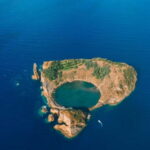
That volcanic islet feels closer than it looks. The Vila Franca do Campo natural reserve tour combines a Zodiac boat ride, a guided walk on a rocky crater, and bird-spotting with a biologist/naturalist type guide. I especially love how much time you spend on the island itself, and how the guide ties volcanic geology to the living plants and animals you’re looking at. The main thing to consider: it’s a Zodiac RIB boat, so expect bumpy water and you may get wet.
You start with a short briefing that covers safety and reserve rules, then you’re off in a small group (up to 10). My kind of trip is one where questions are welcome and you’re not rushed through the good parts. One possible drawback if you’re sensitive to motion: the boat ride can be choppy, and the tour isn’t suitable for people with back problems or for wheelchair users.
In This Review
- Key Things I’d Prioritize on This Tour
- Why the Vila Franca Islet Feels Like a Live Geology Class
- Meeting at the Marina and Getting Oriented Fast
- The Zodiac RIB Boat Ride: Comfort, Motion, and Why Suits Matter
- Inside the Crater Walk: Endemic Plants, Rocky Ground, and Bird-Spotting
- The Boat Cruise Around the Islet: Views You Can’t Get on Foot
- Seasonal Wildlife Timing: Autumn and Winter Pay Off
- Price and Value: Why $43 Can Make Sense Here
- Who This Tour Suits Best (and Who Should Skip It)
- Practical Tips So You Enjoy the Crater More
- FAQ
- FAQ
- How long is the Vila Franca Islet guided natural reserve geo tour?
- Where do I meet the guide?
- Do I get wet or need special clothing?
- How much time do I spend exploring the islet on foot?
- What wildlife can I expect to see?
- Does the guide teach geology and identify species?
- Is the boat ride comfortable?
- What should I bring with me?
- Who is the tour not suitable for?
- Can this tour be canceled or rescheduled?
- Should You Book This Vila Franca Islet Geo Tour?
Key Things I’d Prioritize on This Tour
- Small group (max 10) means more time for real questions, not just looking at the scenery.
- Guided crater walk focuses on volcanic features plus the endemic Azores plants you’ll find there.
- Zodiac boat time around the islet gives you angles for photos you can’t get from shore.
- Bird spotting is practical because the guide helps you match what you see to species.
- Seasonal wildlife adds payoff (especially in autumn and winter), including crab colonies you might notice up close.
- If the guide is Marilou, expect clear explanations and time for photos, not a hard stop.
Why the Vila Franca Islet Feels Like a Live Geology Class
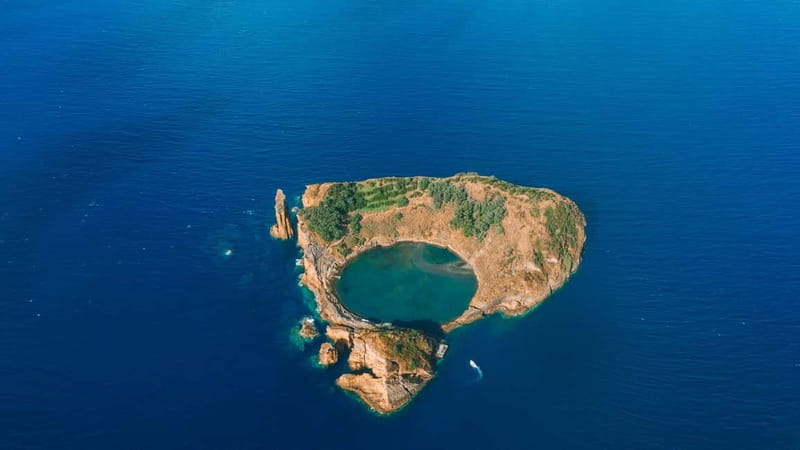
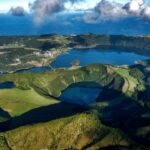
This is one of those tours where the science isn’t stuck in a book. The whole point is that you’re walking on a volcanic crater made for studying—hard rock under your feet, and plants that cling to it like they belong there. As you move around the islet, the guide connects the geology to what you’re seeing right now: living habitat, bird activity, and seasonal changes.
What I like is the balance. You get views from the boat, but you also get grounded time on foot. You’re not only sightseeing. You learn what makes the reserve special and what rules keep it that way.
This isn’t about sprinting from one viewpoint to another. The walking portion is long enough to slow down, look closely, and actually understand the place you’re standing on.
You can also read our reviews of more tours and experiences in Sao Miguel Island.
Meeting at the Marina and Getting Oriented Fast
Your start point is the Azores Whale Watching TERRA AZUL™ office in the Vila Franca do Campo marina, by the yellow boats. If you’re driving from Ponta Delgada, you head east along the coast, then descend to the marina area. Parking is free at the marina, which makes the logistics less stressful if you’re coming by car.
Before you even step onto the boat, there’s a short briefing. You’ll get a quick intro to the islet’s volcanic geology, plus the main plant and animal types that show up on the reserve. They also cover the reserve rules and basic safety, so you know what to watch for and how to behave once you’re on the islet.
This matters more than it sounds. A well-run natural reserve tour is easier: you move efficiently, you don’t accidentally block sightlines, and you spend your energy looking instead of guessing.
The Zodiac RIB Boat Ride: Comfort, Motion, and Why Suits Matter
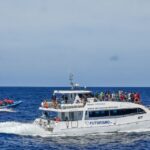
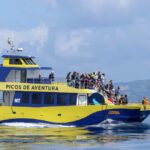
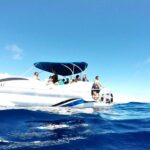
You travel by custom Zodiac RIB boat to the islet—about 10 minutes over the sea. That short ride is your warm-up: it sets the scene with off-coast views, then quickly gets you into the protected natural reserve setting.
Because it’s a Zodiac, expect some bounce. The tour also notes that you may get wet. The good news is that you’re provided with an impermeable full suit and a life vest, so you’re not stuck trying to guess what to wear like it’s a weather lottery.
Practical advice for you: bring water (it’s not included), and if you know you’re prone to motion discomfort, plan accordingly since the boat rides can be bumpy. Also, arrive ready to follow guide instructions quickly—everyone follows the guide and skipper to their designated boat area.
If bad weather or safety concerns pop up, tours can be rescheduled. That’s not a failure of planning; it’s part of doing a water tour responsibly.
Inside the Crater Walk: Endemic Plants, Rocky Ground, and Bird-Spotting
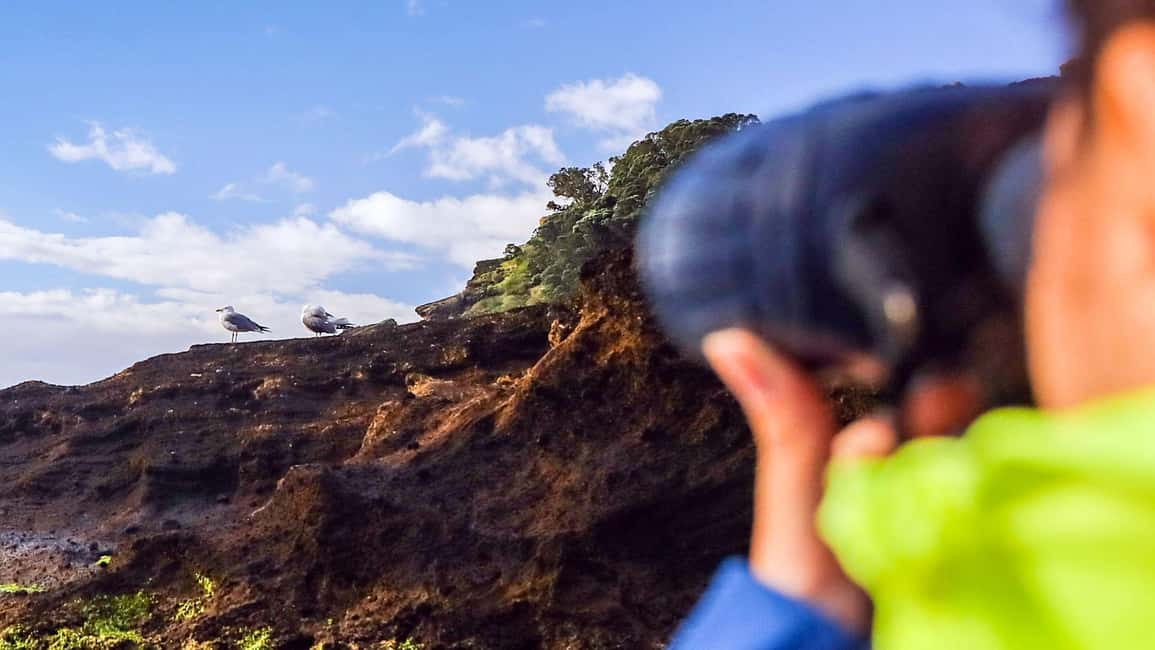
The main event is the guided walking tour once you land at the islet harbor. You’ll spend about an hour-and-a-half exploring the volcanic crater area, with the guide talking as you go. This is where the tour earns its keep.
First, you’re in a rocky environment, not a landscaped path. That means you’ll want to pay attention to footing and take your time where the ground is uneven. Then the guide shows you how the plants survive there—especially Azorean Heather and Firetree, plus other endemic flora. Seeing those names tied to the actual habitat makes the reserve feel more alive and less like a checklist.
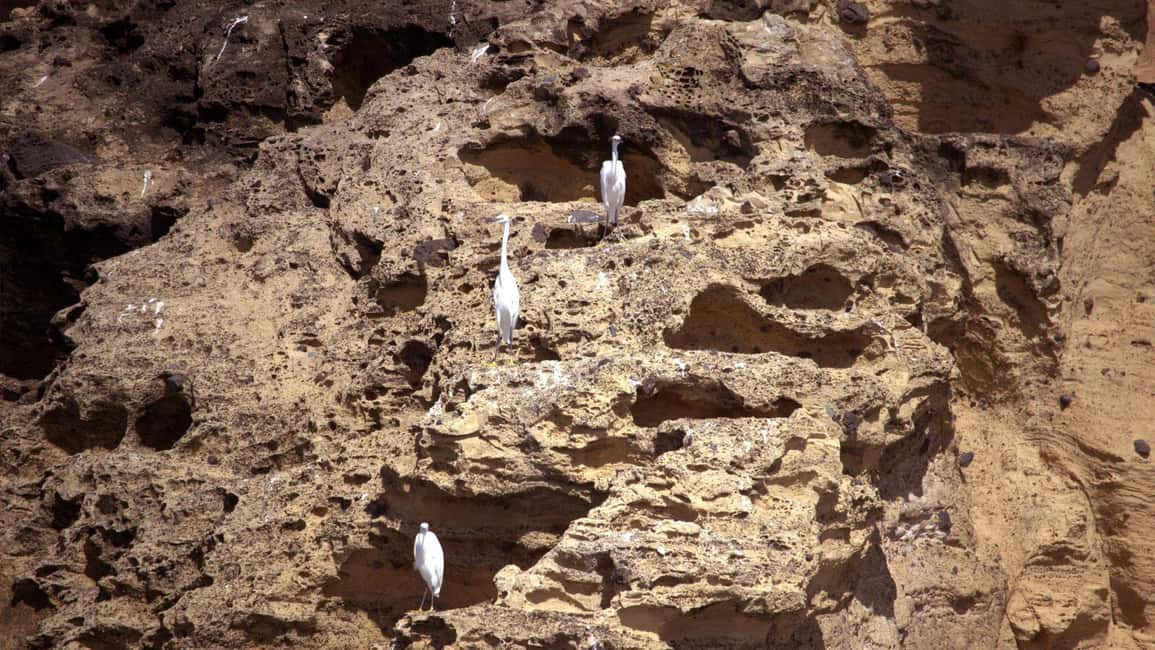
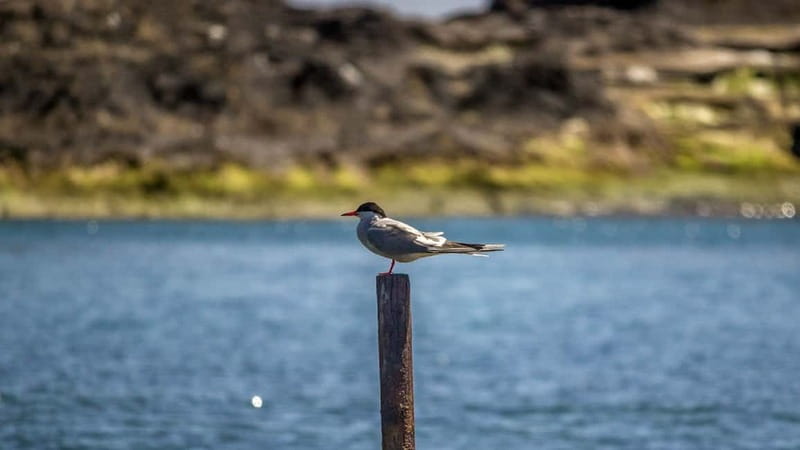
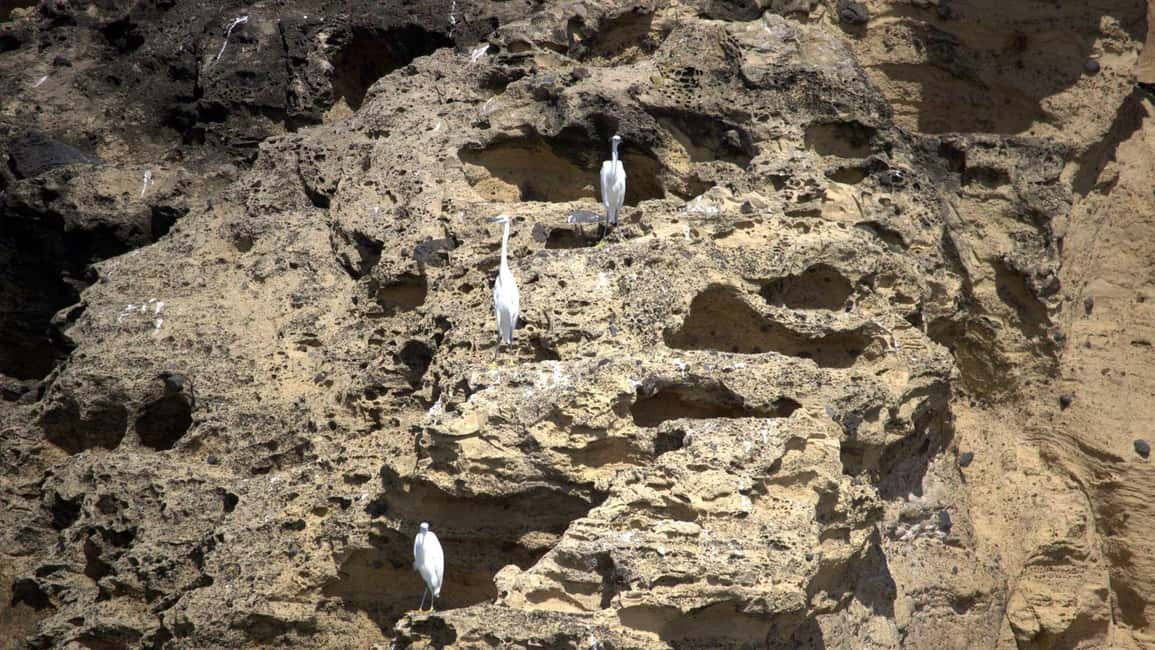
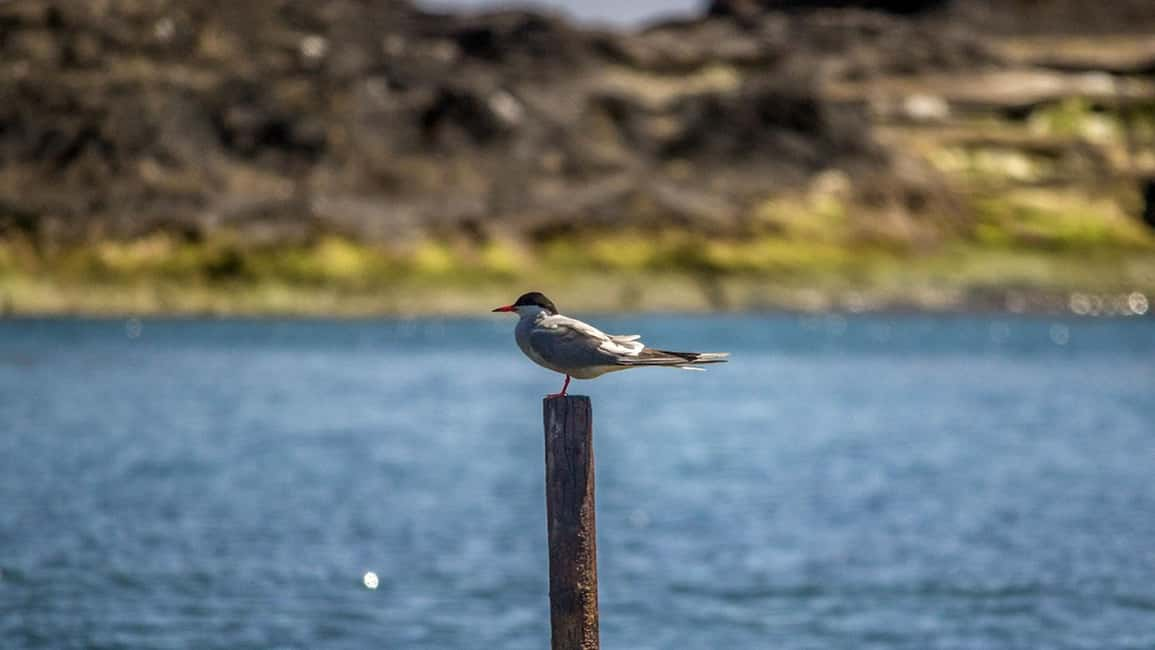
Then comes the wildlife side. The guide helps you identify birds you spot around the crater. Species that may show up include Buzzards, Turnstones, Sanderlings, Little Egrets, Whimbrels, Canaries, and Wagtails. If you’re thinking, yes, that’s a lot of names—exactly. The value here is that someone helps you match sight and sound to species, so you’re not just hoping you’re looking at the right thing.
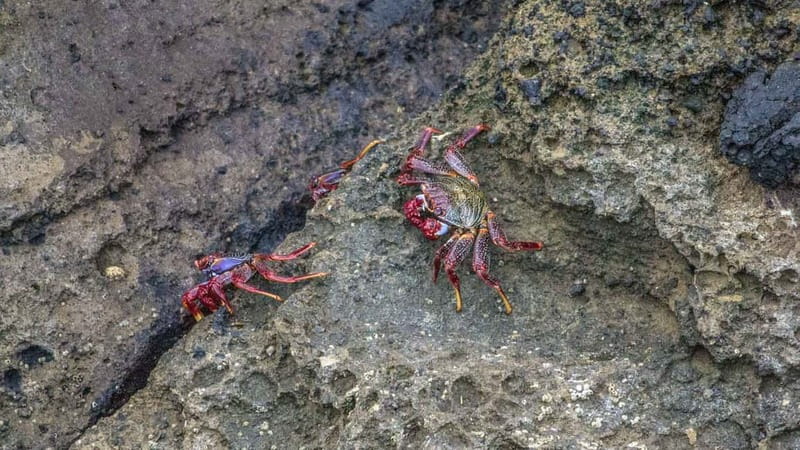
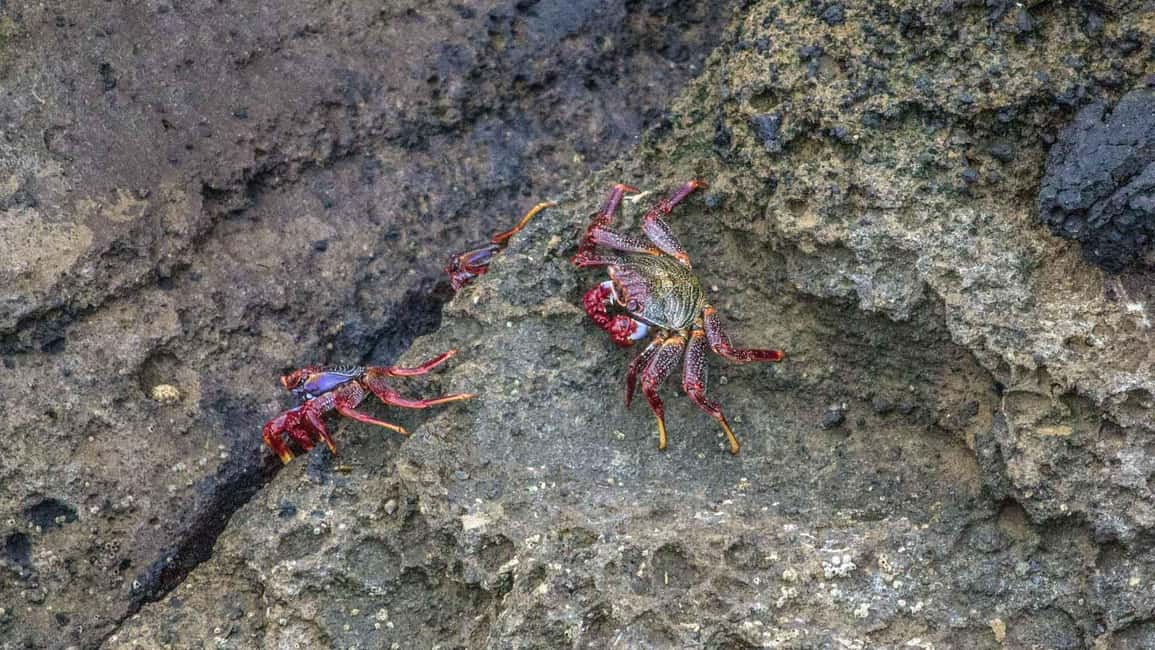
And it’s not only birds. The islet can have Sally lightfoot crab colonies, which adds a fun “wait, look at that” moment when the guide points them out.
The Boat Cruise Around the Islet: Views You Can’t Get on Foot
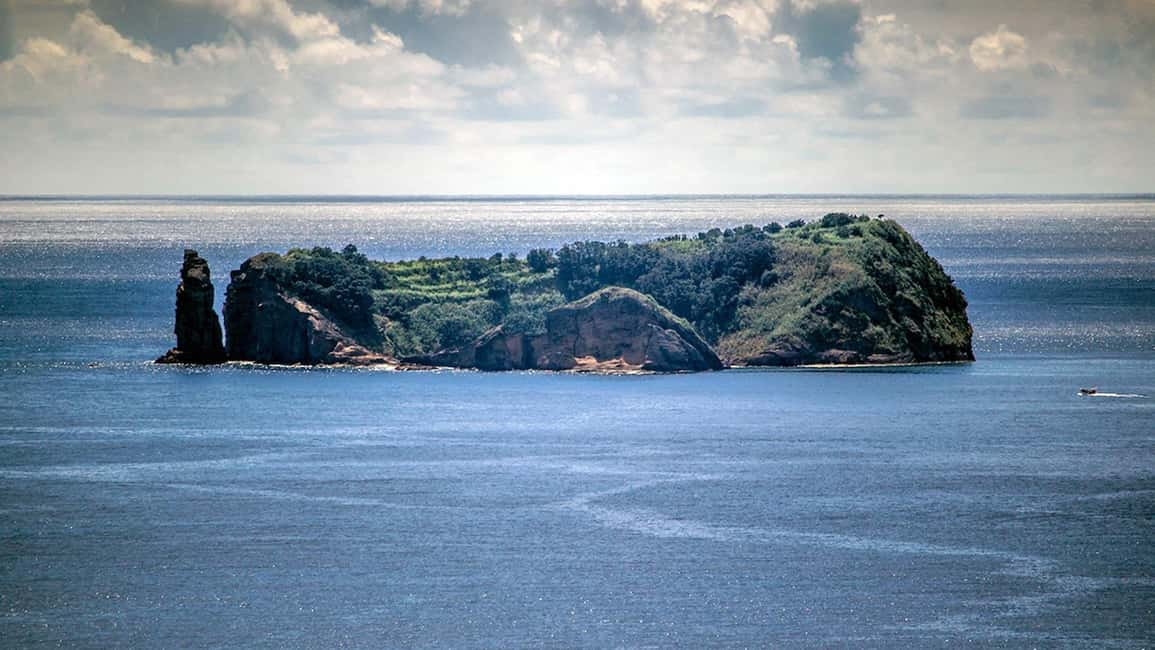
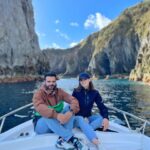
Before or after the crater walk, you’ll also get sightseeing by boat around the islet. It’s built into the flow: a short photo stop, then time cruising and viewing the reserve from the water.
This portion matters because volcanic coasts and crater edges look different from different angles. From the boat, you get a clearer sense of how the islet sits off the coast and how the protected reserve wraps around it. It also helps you spot points of interest faster during the walk, since you already have the “map in your head” from the sea.
The timing is designed so you don’t feel stranded waiting around. You’re guided, you’re moving, and you’re constantly switching between sea views and on-island exploration.
If you care about photos, this tour is set up for it. The route includes scenic moments on the way and photo time during the islet portion. The small group size also helps, because you don’t have to fight for a spot.

Seasonal Wildlife Timing: Autumn and Winter Pay Off
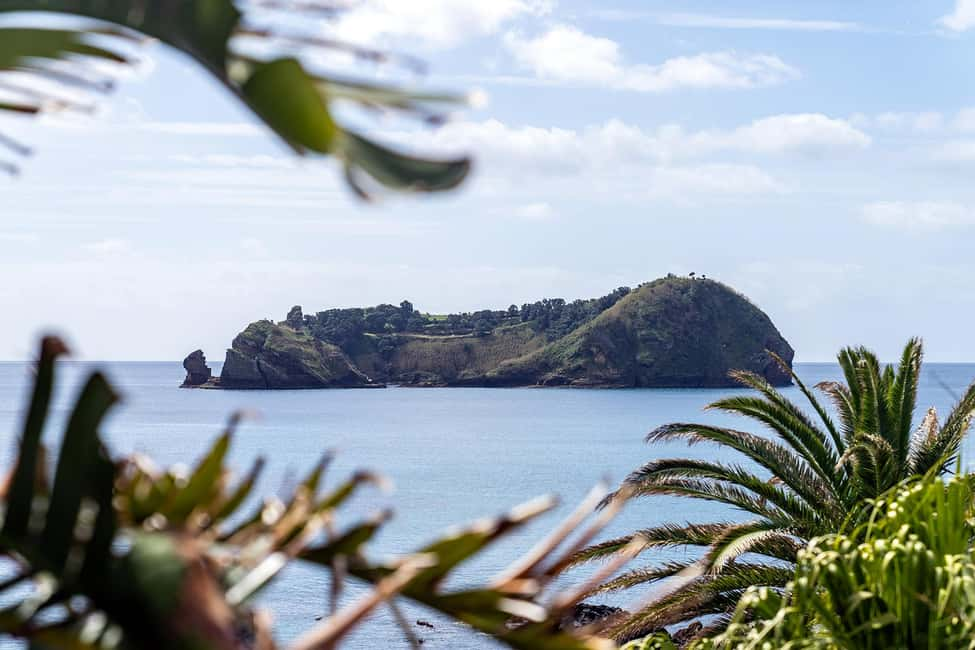
One of the best pieces of info you’re given up front is seasonality. The tour notes that life is present all year, and it’s especially strong in autumn and winter. That lines up with how natural reserves tend to work: different birds show up at different times, and plant activity plus shelter changes how wildlife uses the area.
So what does that mean for you? If you’re traveling in those seasons, you can reasonably expect the guide to have more to point out. Birds can be observed around the crater, and marine life details like crab colonies can be part of the story you’ll hear.
Even if you’re going in a less wildlife-heavy month, you’ll still get the educational value—geology first, then species identification and habitat explanations. That’s the format: you’re learning the place, not just hunting for wildlife sightings.
Price and Value: Why $43 Can Make Sense Here
At $43 per person for about 2.5 hours, this is not a budget “sit and watch” tour. You’re paying for a full package: a guided natural reserve experience with a biologist/naturalist guide, an experienced skipper, a custom Zodiac boat, and provided protective gear (impermeable full suit and life vest).
You’re also covered for admissions and insurance. And you’re capped at 10 participants, which is a big deal on a small island where spacing matters and questions are easier to answer.
Where this tour becomes good value for you is when you want more than scenery. If you enjoy learning how geology shapes the habitat—then the combination of guided crater walk plus boat cruising is exactly what you’re buying.
The only “hidden cost” is what you’ll need to bring yourself: water. That’s easy, but worth noting so you don’t end up rationing.
Who This Tour Suits Best (and Who Should Skip It)
This is a small-group, active nature tour. It’s not for everyone, and the operator lists clear limits:
- Not suitable for children under 4
- Not suitable for pregnant women
- Not suitable for people with back problems
- Not suitable for wheelchair users
If you’re comfortable moving on rocky ground for a crater walk and you don’t mind a short bumpy boat ride, you’ll probably have a great time. If you get motion discomfort easily, take that seriously since it’s a Zodiac RIB boat and you may get wet.
This tour is ideal for:
- People who like birds and want help identifying them
- Travelers who want a geology explanation tied to real habitat
- Anyone who appreciates small group pacing and time for photos
Practical Tips So You Enjoy the Crater More
Here’s how to make your 2.5 hours feel smooth and enjoyable:
- Bring water. It’s listed as not included, and you’ll appreciate it during the walking portion.
- Wear what you’re comfortable in underneath the suit. You’re given an impermeable full suit and life vest, so you can keep your wardrobe simple.
- Expect a rocky crater environment. Move carefully and let the guide set the pace.
- Ask questions. The guide is available throughout, and the tour format is designed for real back-and-forth when you spot something interesting.
- Plan for a possible reschedule if weather or safety concerns come up. Water conditions drive the schedule more than calendars do.
You also return to the marina, with the tour noting a return by 16:15 for check-out. That’s helpful for planning the rest of your day in Vila Franca do Campo.
FAQ
FAQ
How long is the Vila Franca Islet guided natural reserve geo tour?
The tour duration is about 2.5 hours.
Where do I meet the guide?
Meet the guide at the Azores Whale Watching TERRA AZUL™ office in the Vila Franca do Campo marina, by the yellow boats.
Do I get wet or need special clothing?
You travel on a Zodiac RIB boat, which can be bumpy and you may get wet. You’ll be provided an impermeable full suit and a life vest.
How much time do I spend exploring the islet on foot?
You disembark at the islet harbor for about an hour-and-a-half guided tour of the volcanic crater.
What wildlife can I expect to see?
Birds that may be observed include Buzzards, Turnstones, Sanderlings, Little Egrets, Whimbrels, Canaries, Wagtails, and you may also notice Sally lightfoot crab colonies.
Does the guide teach geology and identify species?
Yes. The briefing covers volcanic geology and the plant and animal species you might see, and the guide stays available during the tour to answer questions.
Is the boat ride comfortable?
It’s on a Zodiac RIB boat, and rides can be bumpy. The suit and life vest help, but you should still plan for some motion.
What should I bring with me?
Bring water.
Who is the tour not suitable for?
It’s not suitable for children under 4, pregnant women, people with back problems, or wheelchair users.
Can this tour be canceled or rescheduled?
It can be rescheduled due to bad weather or safety concerns, and it offers free cancellation up to 24 hours in advance for a full refund.
Should You Book This Vila Franca Islet Geo Tour?
Book it if you want a tight mix of volcanic geology + guided wildlife spotting in a small group. The price can feel fair because you’re getting the boat, the gear, the admissions, and a guide who helps you translate what you see into something you actually understand.
Skip it if you’re not comfortable with bumpy boat rides or if the tour limits apply to you. And if you’re expecting an easy, fully accessible walk, this crater setting isn’t described that way.
For the rest of you, this is one of the best ways to see Vila Franca do Campo’s most iconic natural feature without just passing by it. You’ll leave with names for plants and birds, plus a clearer sense of how the volcano shaped the habitat you walked through.