REVIEW · MALTA
Prehistoric Temples of Malta Tour
Book on GetYourGuide →Operated by Supreme Travel Limited · Bookable on GetYourGuide
One of Europe’s oldest stone mysteries is waiting. This half-day tour takes you from modern Malta back to roughly 3150 BC, walking and talking through UNESCO megalithic temples at Hagar Qim and Mnajdra, then finishing with the Ghar Dalam Cave and Museum.
I love how this tour turns big, vague dates into something you can picture: how the builders shaped soft limestone, how the sites sit on ridges, and why these places still grab your attention after you leave. I also like the practical setup—hotel pickup and drop-off plus entrance fees included—so you’re not juggling tickets and transport first thing in the morning.
The main thing to consider is walking. Between Hagar Qim and Mnajdra there’s a walk with some uphill on the way back, and you’ll want solid shoes for uneven ground and steps.
In This Review
- Key things to know before you go
- Prehistoric Malta in 4.5 hours: why this tour works
- Hagar Qim Temples: soft limestone and big feelings, fast
- Mnajdra: the best-surviving megastructure on the ridge
- Ghar Dalam Cave & Museum: prehistoric animals, not just a cave
- Hamrija Tower and the Knights of Malta connection
- Price and logistics: getting value for $59
- Guide quality: why the names matter
- How active is it? Your shoe-and-pace check
- Who should book this tour, and who should skip it
- Should you book this Prehistoric Temples of Malta Tour?
- FAQ
- How long is the Prehistoric Temples of Malta Tour?
- What places does the tour visit?
- Is pickup and drop-off included?
- Are entrance fees included?
- What languages are the guides available in?
- What time is pickup?
- What should I bring?
- Is it free to cancel?
- Can I reserve now and pay later?
- How do I know what start times are available?
Key things to know before you go
- Megalithic temples with real craftsmanship: Hagar Qim and Mnajdra let you see carefully carved stonework and temple architecture up close.
- Mnajdra’s reputation comes from what’s still standing: it’s often cited as the best surviving example of Maltese megalithic construction.
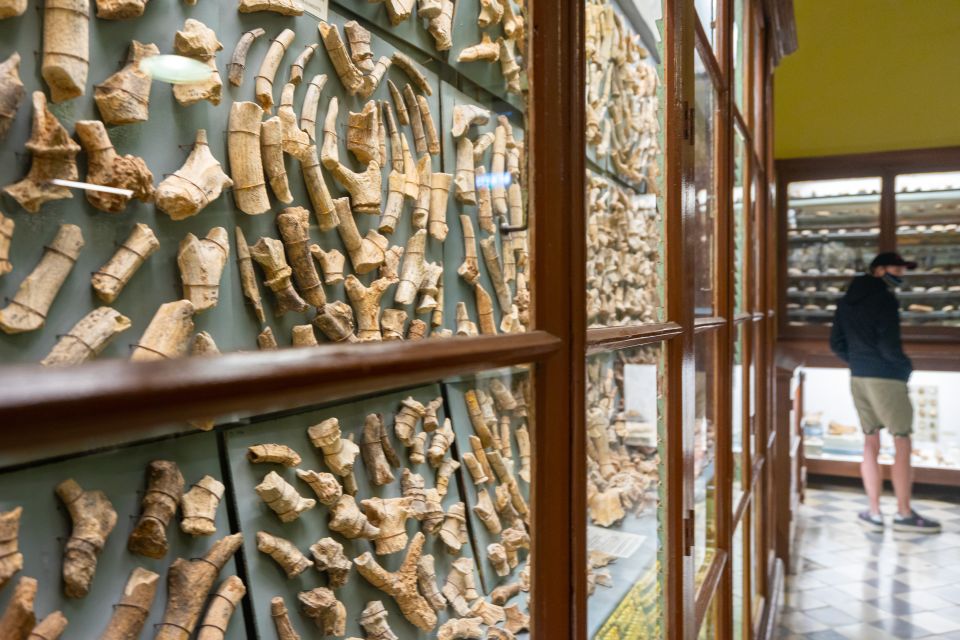
- Ghar Dalam is a museum-first experience: the cave itself is smaller, but the museum collections around prehistoric life are a big part of the value.
- You’ll get sea-and-sky views: the temple areas are on ridges with big southern Mediterranean scenery.
- Expect an organized half day: around 4.5 hours with pickup times spread across Malta, plus a confirmed pickup email the day before.
- Bring comfortable shoes (and maybe water): the walk adds up faster than you think on a sunny Mediterranean morning.
Prehistoric Malta in 4.5 hours: why this tour works
Malta can feel like a place of contrasts. You can stand on bright limestone and then, a few steps later, be looking at structures that date back around 5,500 years. That’s the magic of the Megalithic Temples of Malta sites. This tour compresses the best-known stops into one smooth morning, with a live guide and timed access so you’re not wasting daylight.
You’re not just looking at stones. You’re getting the story of how these temples were built, what the shapes might have meant, and how the locations connect to the island’s geology. The UNESCO designation isn’t only a stamp—it helps you understand why these temples draw people from all over the world.
The day also has a nice rhythm. You start with prehistoric architecture in open air, then shift into the Ghar Dalam cave setting and museum collections. It’s a change of pace, but it still fits together: humans were building and using sacred spaces outside, and prehistoric animals and life are preserved nearby in the museum’s displays.
You can also read our reviews of more tours and experiences in Malta.



Hagar Qim Temples: soft limestone and big feelings, fast
Hagar Qim is one of the first things you’ll hear about in Malta prehistory circles. The reason is simple: it’s built with soft globigerina limestone, and the complex sits on a ridge at the southern edge of the island. That ridge location matters. It shapes your walk, the angles of the stone, and the views you get toward the sea.
When you arrive at Hagar Qim, you get a guided walk through the temple complex, with attention to the stonework and the overall layout. Even if you’re not a “temple” person, this stop has a way of making the building blocks feel tactile. You’re close enough to notice texture and craftsmanship, instead of reading it as a distant photo caption.
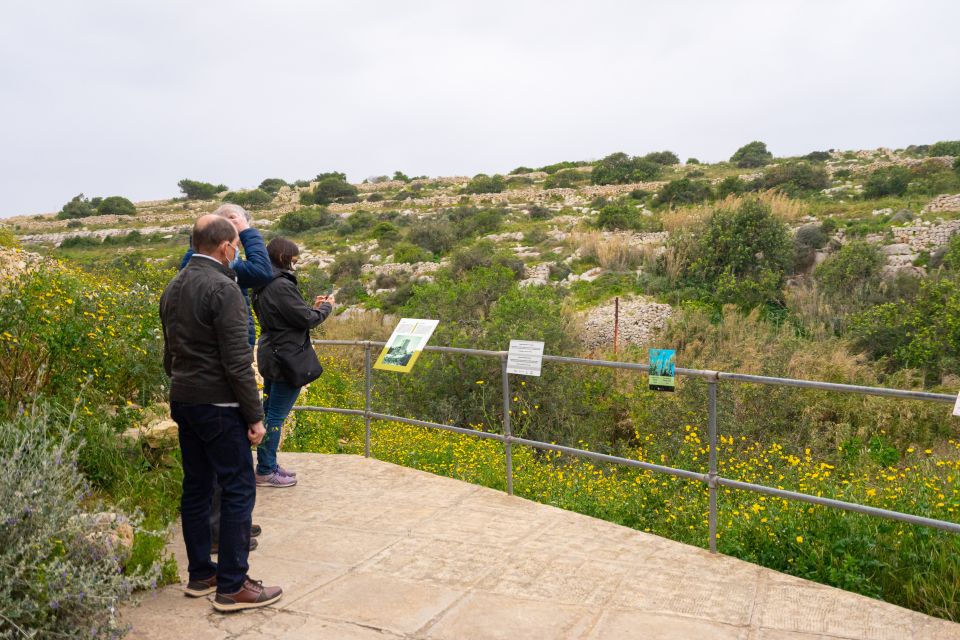
A detail I particularly like: the area around the temples is described as typical Mediterranean garrigue—that low scrubby vegetation that looks sparse and stark compared with lush gardens. It makes the temples feel even more exposed, like they belong to the island’s rawer side. In other words, the scenery helps you understand why these structures stand out.
Possible drawback here: time can feel tight. One review noted a wish for a little more time at the temples. With only a half-day, you’ll have enough to see the highlights, but you won’t have hours to go slowly, take photos, and replay every explanation word-for-word. If you like lingering, plan to return later on your own.
Mnajdra: the best-surviving megastructure on the ridge
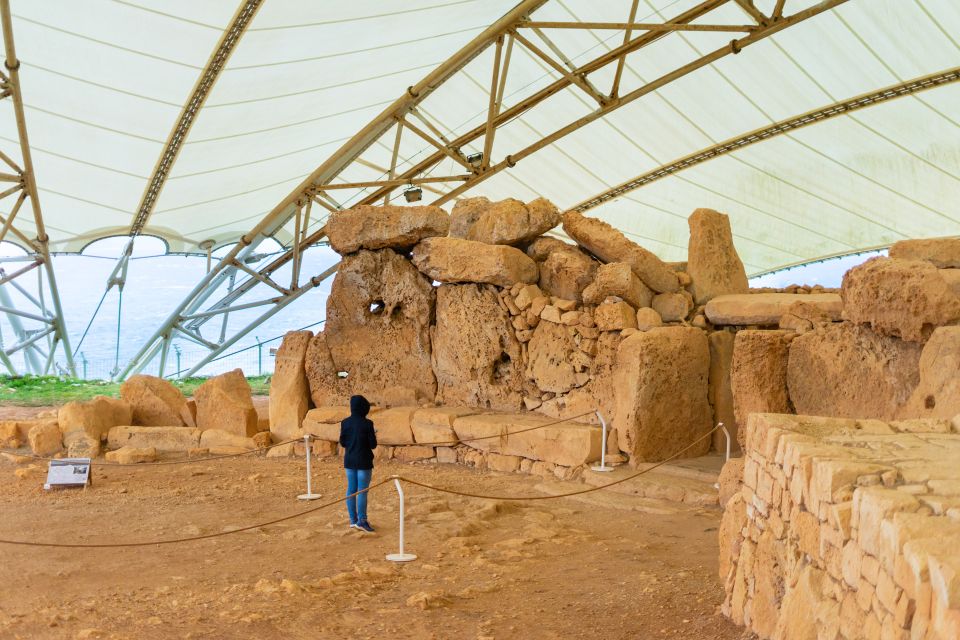
From Hagar Qim, you move toward Mnajdra, the neighboring complex. Mnajdra is often considered the best example of Maltese megalithic architecture still standing, and it’s easy to see why once you’re there. Many ancient sites lose so much over time; Mnajdra keeps enough of its form that you can actually study it as a built space.
Your guide helps you connect what you’re seeing with ideas about temple design—how the stone sections relate to each other, how the architecture reads when you walk around, and how the site’s survival affects what we can interpret today. If you’ve ever toured a ruin where you spend half your time guessing what’s missing, this feels more complete.
Another reason Mnajdra hits is the setting. You’re on a ridge, and the area opens up visually. In reviews, people mention a view toward Filfla and the south Mediterranean Sea, and it makes sense: you’re looking out over the same waters the island’s ancient communities would have known.
Practical consideration: the walk between the two temple areas is not just flat strolling. Expect uneven surfaces and some uphill on the return. You can still do it, but you should treat it like a short hike in historic shoes, not a museum floor.
Ghar Dalam Cave & Museum: prehistoric animals, not just a cave
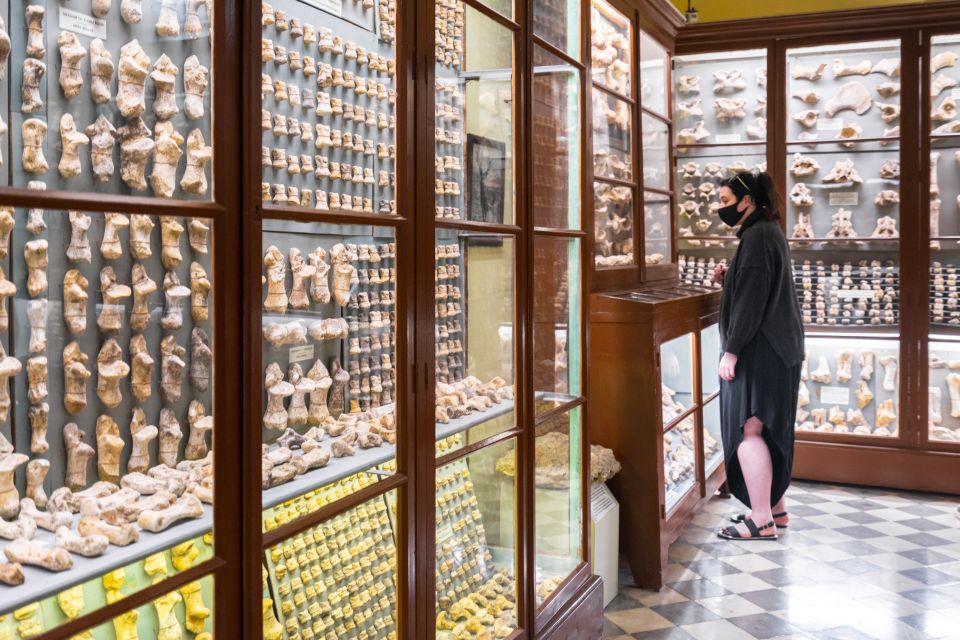
After the temples, the tour shifts indoors and into a museum context at Ghar Dalam Cave & Museum. This stop is a great reminder that Malta’s prehistory isn’t only about human-made structures. It’s also about animals, life, and what the island holds underground.
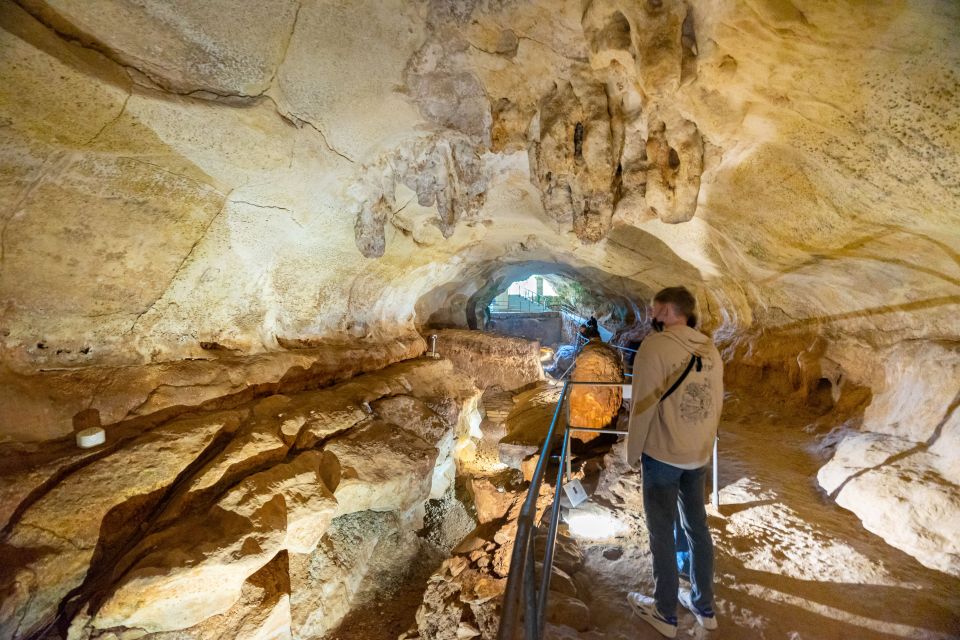
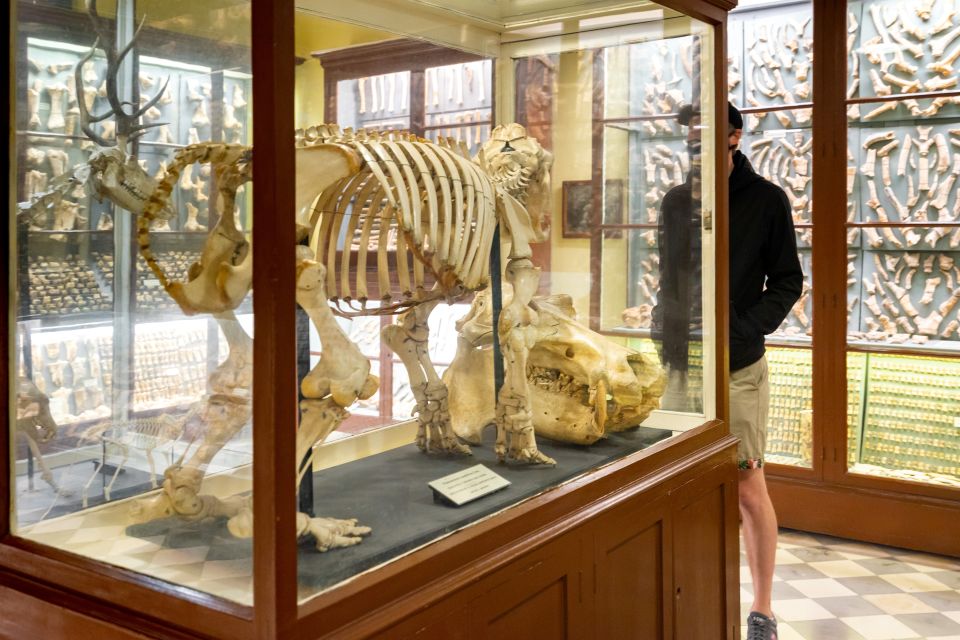
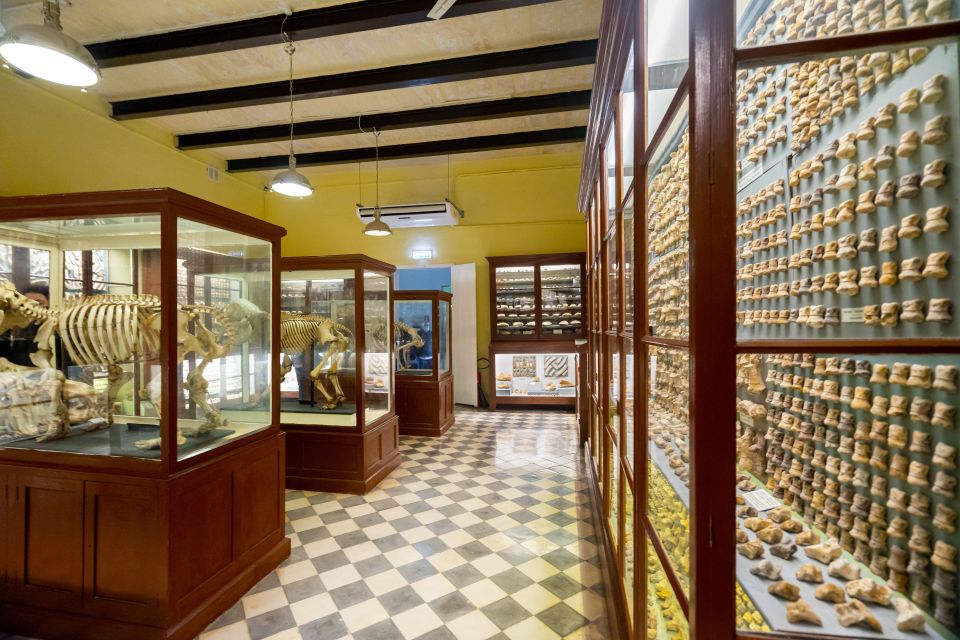
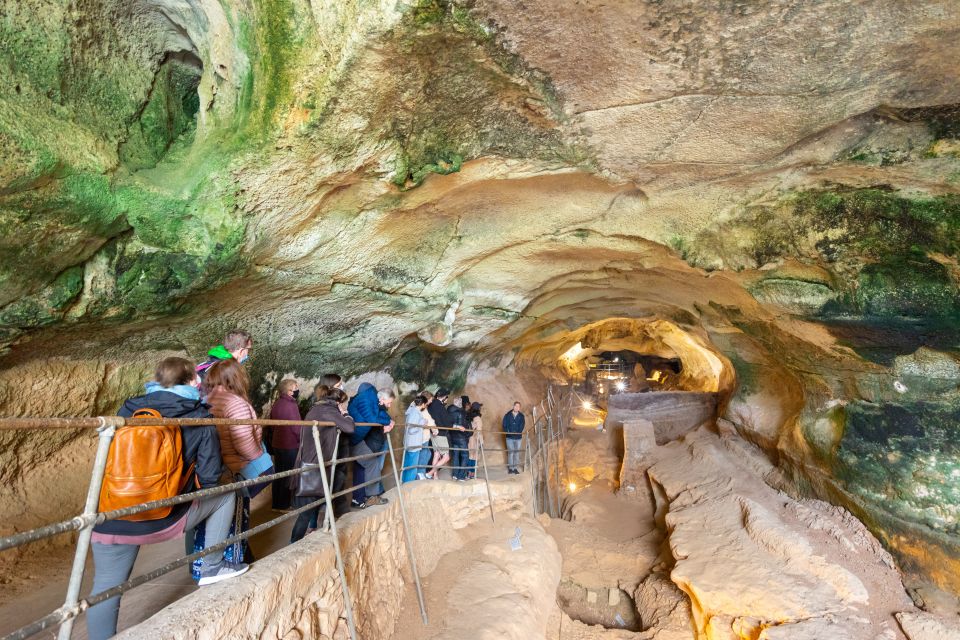
One thing to know upfront: the cave experience is often described as more limited than people imagine. The cave itself may feel small and not packed with dramatic formations. Where the stop really shines is the museum, with collections of bones and skeletons tied to prehistoric species found on the islands.
If you’re the type who likes connecting the dots—how people lived in a wider environment—this museum angle gives you that extra layer. You see evidence of what the island’s prehistoric ecosystems included, not just what humans built.
Why it’s valuable even in short time: the tour doesn’t try to turn Ghar Dalam into a full-day experience. Instead, it gives you enough to leave with a clearer picture of prehistoric Malta as a living place, not only a set of stones.
Hamrija Tower and the Knights of Malta connection
One of the fun surprises on this kind of prehistoric route is the later history that shadows it. Near the temple area, you can admire Hamrija Tower, one of Malta’s 13 watchtowers, associated with the Knights of Malta. The tower was built by Grand Master Martin de Redin.
This doesn’t replace the prehistoric focus. Instead, it adds perspective: Malta stayed important long after the temple builders. The watchtowers were part of a defensive system, and seeing one in the same southern region where prehistoric temples stand helps your brain connect timelines on a physical level.
Even if you don’t know anything about the Knights going in, it’s an easy, visual stop that adds a story beat between the ancient sites and the museum.





Price and logistics: getting value for $59
At $59 per person for about 4.5 hours, this tour can be a very efficient value—especially if you’d otherwise pay for transit and tickets on your own. You also get a live guide and entrance fees for Ghar Dalam Cave & Museum, Hagar Qim, and Mnajdra included. That matters in Malta, where the easiest plan is often the one that handles logistics for you.
That said, the price is not everyone’s favorite. One review called it rather pricey for what it was. I get that reaction if you’re comparing to a basic sightseeing bus. But if you care about understanding what you’re looking at—stone construction, site placement, and the story behind the remnants—this is the kind of tour where you get your money back in clarity, not just transportation.
Pickup makes a difference. The tour lists pickup times across Malta, starting as early as 08:30:
- Cirkewwa 08:30
- Mellieha 08:40
- Xemxija 08:50
- Golden Bay 08:50
- St. Paul’s Bay 09:00
- Bugibba 09:05
- Qawra 09:10
- St. Julian’s 09:10
- Valletta 08:40
- Attard 08:30
- Sliema 08:55
You’ll receive an email the day before with the exact pickup point and time. In practice, this is the piece you should not ignore. If you miss that email, you’ll lose time at the start.
Comfort note: reviews mention an air-conditioned bus, and generally safe, cautious driving. Still, Malta roads can be characterful, so if you’re prone to motion discomfort, plan for that.
Guide quality: why the names matter
This tour leans heavily on the guide. In reviews, guides named Mark, Mario, Marco, and Maria get standout mentions. Many comments praise the guide’s ability to explain clearly, answer questions, and connect the dots so the sites feel more than postcard landmarks.
One helpful pattern from the feedback: guides sometimes adjust language for mixed groups. Some reviews mention guides describing the same locations in multiple languages (English, Italian, French, and more). That matters because architecture is easier to understand when you can follow details without guessing.
That said, not every guide lands equally for every language preference. One review said a guide’s English wasn’t strong and the explanation repeated. You can’t control the guide assignment from this info alone, but you can choose this tour because multiple language options are offered (English, German, Italian, French). If language clarity is your top priority, it’s worth checking that the tour language matches what you want to hear.
How active is it? Your shoe-and-pace check
This is a half-day, but it’s not a sit-and-stare tour.
You’ll do:
- temple walking on outdoor, uneven terrain
- a walk between Hagar Qim and Mnajdra
- uphill effort on the return in some cases
One review summed it up as needing around 10k steps plus, so treat it as an active sightseeing morning. Comfortable shoes are included in the “what to bring” list, and I agree. If you’re wearing thin-soled footwear for photos, you’ll regret it by the second temple.
Also, bring water if you run hot. While the official “bring” list only calls out comfortable shoes, reviews directly suggest water because it can get warm.
Who should book this tour, and who should skip it
I think this tour is best if you:
- want a first-time Malta introduction that doesn’t eat your whole day
- like archaeology that comes with a clear narrative
- don’t want to figure out transport and entrance tickets yourself
- enjoy short, structured walks more than long wandering
You might want to skip (or at least adjust expectations) if you:
- hate any uphill walking and steps
- need long stays at each site to feel satisfied
- want deep museum time at a slow pace rather than a quick, guided overview
Should you book this Prehistoric Temples of Malta Tour?
If you have limited time and you want the highest-value combo of Hagar Qim + Mnajdra + Ghar Dalam, I’d book it. The price works when you factor in pickup, transportation, guide talk, and entrance fees. And the guided approach is what turns prehistoric stones into a story you can actually follow.
If you’re specifically chasing the cave experience for dramatic formations, know that the museum side is the real payoff. Also, go in ready to walk—this is not a wheelchair-friendly stroll based on the terrain and the uphill mention.
My call: book it if you want a smart half day and you like your history explained as you go. If you’re the type who wants to linger for hours per site, consider visiting separately later and use this tour only as your focused primer.
FAQ
How long is the Prehistoric Temples of Malta Tour?
It lasts about 4.5 hours.
What places does the tour visit?
You visit the Hagar Qim Temples, the Mnajdra Temples, and the Ghar Dalam Cave & Museum. Hamrija Tower is also listed as a highlight near the temple area.
Is pickup and drop-off included?
Yes. The tour includes hotel pickup and drop-off, plus transportation.
Are entrance fees included?
Yes. Entrance fees for Ghar Dalam Cave & Museum, Hagar Qim, and Mnajdra are included.
What languages are the guides available in?
The live tour guide is available in English, German, Italian, and French.
What time is pickup?
Pickup times vary by location. The tour provides a schedule with times such as Cirkewwa at 08:30, Mellieha at 08:40, and Valletta at 08:40. You’ll also receive an email one day before with your exact pickup point and time.
What should I bring?
Wear comfortable shoes.
Is it free to cancel?
Yes. You can cancel up to 24 hours in advance for a full refund.
Can I reserve now and pay later?
Yes. The option to reserve now & pay later is available.
How do I know what start times are available?
The duration is 4.5 hours, and you should check availability to see starting times.