REVIEW · MALTA
Mdina and Rabat Insider’s Tour
Book on Viator →Operated by Best Tours Malta · Bookable on Viator
Two cities, one steep hill of stories. This Mdina and Rabat walk takes you through the Silent City and then into Rabat, led by local guide Chris, for a slow, atmospheric 2.5-hour afternoon that’s built for noticing details.
I love two things right away: the small group size, which makes questions easy, and the fact that the guide is a Rabat resident, so you get the kind of context you miss when you just chase monuments. It’s a practical way to understand how Malta’s past still shows up in daily life.
One possible drawback: Mdina is the main event, while the Rabat portion can feel a bit more personal and community-focused. If you only want strict sightseeing, you may wish you asked a few extra questions during the Rabat stretch.
In This Review
- Key points I think you’ll care about
- Mdina and Rabat: why this pairing works
- Price and timing: the value behind the $24.19 ticket
- How the small group changes the whole experience
- Stop 1: Mdina Old City from Mdina Gate to the Silent City lanes
- What to look for in Mdina: palaces, churches, and quiet viewpoints
- Stop 2: Rabat’s living streets and the churches-convents rhythm
- The Chris factor: local stories that make Malta feel current
- Walking comfort: what moderate fitness really means here
- Admissions and what’s (not) covered
- Best time to do it, plus photo and planning tips
- Who should book this tour (and who might skip)
- Should you book Mdina and Rabat Insider’s Tour?
- FAQ
- How long is the Mdina and Rabat Insider’s Tour?
- What time does the tour start?
- Where do I meet for the tour?
- Is the tour in English?
- Are museum or church entrance fees included?
- What if the weather is poor?
Key points I think you’ll care about
- Two historic towns in one afternoon: Mdina’s quiet lanes first, then Rabat’s church-and-convent streets.
- A local voice from Rabat (Chris): you’ll hear how people relate to the places, not just what the places were.
- Small group pace: it’s capped at up to 10 people, and the company also notes keeping groups very small (often up to 12).
- Street-level touring: you won’t be stuck waiting for museum lines at every stop, though entrance fees are not included.
- 3:00 pm timing: late afternoon light helps, especially for photos from Mdina’s heights.
- Moderate walking: comfortable for most people, but you are on a walking route with some uneven old-stone streets.
Mdina and Rabat: why this pairing works
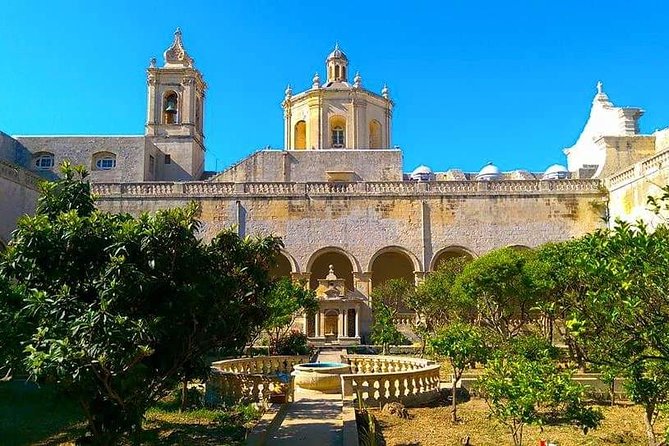
Mdina and Rabat feel like two halves of the same story. Mdina is the higher, quieter shell of the past—fortified, dramatic, and built for atmosphere. Rabat sits right below it and feels more lived-in, with churches, convents, and the kind of everyday rhythm that makes history feel current.
Doing them together is smart because the geography does the teaching. You’ll see why Mdina could be set apart, and then you’ll walk into the town that grew around it. By the time you’re done, the names stop being labels and start being places with connections.
You can also read our reviews of more tours and experiences in Malta.



Price and timing: the value behind the $24.19 ticket
At about $24.19 per person for a 2 hours 30 minutes walking tour, this is strong value—mostly because you’re paying for interpretation. Street-level touring in Malta can be great on your own, but it’s the guide’s stories that turn a nice walk into a meaningful one.
The tour starts at 3:00 pm and meets at Mdina Gate (VCM3+V9W). It ends back at the same meeting point, so you don’t need to plan a complicated second half of your day. Also note: it’s offered in English and you get a mobile ticket, which makes it easy to show up without fuss.
One practical planning note: the experience requires good weather. If weather looks bad, you’ll be offered a different date or a refund, so don’t schedule it as your only Mdina plan.
How the small group changes the whole experience

This tour runs with a maximum of 10 travelers. In one company note, they also mention keeping groups small up to 12, but the core point is the same: you won’t be swallowed by a big crowd.
That matters in Mdina, where the streets are narrow and the good photo angles are tight. A small group also means you can ask questions without feeling rushed, and the guide can slow down when someone needs time to look closer at an architectural detail.
And yes, the guide Chris is a big part of why people rave about the experience. You’ll hear the place explained in clear, everyday English, with humor and lots of specific references to buildings and daily life.
Stop 1: Mdina Old City from Mdina Gate to the Silent City lanes
You begin right at Mdina Gate, then step into the winding interior streets that give Mdina its nickname, the Silent City. This first stop is about 1 hour of walking through the narrow lanes where you can actually feel the scale of the old town—small steps, sudden viewpoints, and doors that seem to hide secrets in plain sight.
Expect the tour to cover the most important palaces, churches, and monuments of the centuries-old city. The best part is that you’re not just looking at famous facades—you’re hearing what those buildings meant and how they relate to the people who lived behind the walls.
Mdina is also the section where the atmosphere tends to click fast. If you want your first impressions to feel calm and cinematic, this is the way to do it: start in Mdina before Rabat gets more active and busy.
What to look for in Mdina: palaces, churches, and quiet viewpoints
Mdina has a way of rewarding close attention. You’ll spend time noticing administrative buildings and private residences, and you’ll get help spotting the architectural features that are easy to overlook if you don’t know what you’re seeing.
Here are the types of details the guide’s approach tends to highlight:
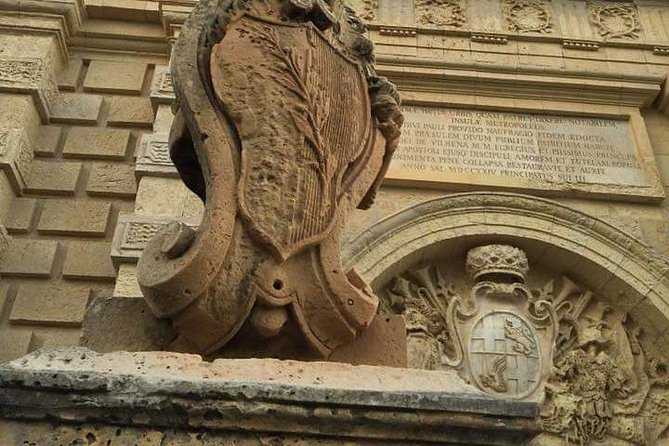
- Symbols and structure on prominent buildings, with context for what they signaled back then
- Church architecture and placement, explained in plain terms
- Sightlines from higher points, where the city and surroundings open up
The payoff is that Mdina becomes less of a “pretty place to walk” and more of a “place with a logic.” You’ll understand how power, faith, and daily life were arranged in a town designed to feel protected.





Stop 2: Rabat’s living streets and the churches-convents rhythm

After Mdina, you head into Rabat, about another 1 hour of walking. Rabat is the larger, more active city in the area, and it brings the tour from quiet stone back into everyday Malta.
This part of the walk focuses on beautiful churches and convents, and you may also go past and inside some religious spots when it’s possible. The goal here is not only sight-seeing—it’s connection. Rabat is tied to Mdina in a way you can feel as you move through the streets.
One thing to keep in mind: this section can lean more toward personal connections and community context. That can be a strength if you want the human side of history. If you prefer strictly monumental travel, just be ready to guide the conversation with your own questions.
The Chris factor: local stories that make Malta feel current
You’ll likely feel the difference between a scripted tour and a local-led one. Chris is a lifelong local voice for Mdina and Rabat, and that shows in the kind of details he shares—how people relate to the place, not just what the place used to be.
From what I see in the tour style, Chris tends to:
- Point out practical architecture cues you can spot again later
- Use humor to keep the pace light
- Share personal connections that add texture, especially in Rabat
- Offer restaurant suggestions during or after the walk
One example from the tour’s feedback: Chris has recommended Yana’s bistro in Rabat as a great place to eat. If that name comes up, it’s worth taking seriously. It fits the spirit of the tour—eat where locals actually go, not just where postcards send you.
Walking comfort: what moderate fitness really means here
This is a walking tour with a moderate physical fitness requirement. Old streets in Mdina and Rabat can mean uneven stone, small steps, and a steady pace even if the group is small.
If you can handle city walking and a gradual climb/decline, you’re probably fine. If you need frequent rests or prefer long breaks, plan to build in extra water time and slow down with the group rather than rushing ahead.
Also, service animals are allowed, and the meeting point is near public transportation. So you can usually build it into your day without needing a private vehicle.
Admissions and what’s (not) covered
The itinerary is set up so you spend a lot of time on streets, viewpoints, and exterior architecture. That’s why the tour notes admission as ticket-free for the stops.
Still, it’s smart to remember this: all museum or church entrance fees are not included if any entrances come up during the tour. If you strongly want interior viewing, ask the guide in the moment whether a paid entrance is involved before assuming it’s covered.
In most cases, the tour’s design means you don’t lose time searching for ticket counters. But being mentally ready for possible entrance fees keeps expectations aligned.
Best time to do it, plus photo and planning tips
The 3:00 pm start is a good choice for lighting. Mdina’s stone and pale walls tend to look great when the sun starts to angle, and you’ll have a chance at softer tones for photos.
For best photos and an easier walk:
- Go slow on Mdina’s narrow stretches so you can stop without blocking others
- Take a couple of wide shots early, then switch to close-ups once you know what to look for
- Use Rabat for street texture photos—church fronts, doorways, and daily-life details
And here’s my practical advice: bring comfortable shoes and small water. Old towns don’t care about your schedule, and a 2.5-hour walk can feel longer in warm weather.
Who should book this tour (and who might skip)
Book it if you want:
- A guided walk that explains what you’re seeing in Mdina’s Silent City and then grounds it in Rabat’s everyday streets
- A local-led experience that’s small enough for real questions
- An afternoon plan that’s easy to route from Valletta and doesn’t require museum planning
Consider skipping or switching plans if:
- You only want strict monuments and are not interested in community context
- You dislike walking tours where some stops may include religious interiors with separate entrance decisions
- You’re expecting everything to be fully indoor or fully ticket-included
This is especially good for first-timers who want an efficient feel for the area in one go, and for families who want the pace to be manageable and the stories to keep kids listening.
Should you book Mdina and Rabat Insider’s Tour?
I think it’s a yes for most people. The price is reasonable for a guided, two-town walk, and the structure makes sense: start in Mdina for the atmosphere, then move into Rabat for the lived-in side of history. The guide Chris is consistently called out for making the places feel real, not just old.
If you’re only choosing one thing in this part of Malta, this tour is a strong bet because it gives you both the famous and the personal—without turning your day into a checklist.
If you want to maximize your results, go in with one goal: pick one or two architectural details in Mdina that you want to understand, and then ask Chris how those same ideas show up in Rabat. That’s where the tour really connects.
FAQ
How long is the Mdina and Rabat Insider’s Tour?
It lasts about 2 hours 30 minutes.
What time does the tour start?
It starts at 3:00 pm.
Where do I meet for the tour?
You meet at Mdina Gate, listed as VCM3+V9W, Mdina, Malta.
Is the tour in English?
Yes, it’s offered in English.
Are museum or church entrance fees included?
No. Museum or church entrance fees are not included if any are required during the tour.
What if the weather is poor?
The experience requires good weather. If it’s canceled due to poor weather, you’ll be offered a different date or a full refund.