REVIEW · MADEIRA
Funchal: Whale and Dolphin Watching Speed Boat Tour
Book on GetYourGuide →Operated by Ventura Nature Emotions · Bookable on GetYourGuide
Speed boats make Madeira wildlife easier to spot. I love the small-group setup (max 18) and the fact that the team can move quickly, so you’re not waiting around while the best animal moments slip by. I also like that you’re with a marine biologist/naturalist guide, not just a driver, so you get real help spotting what you’re seeing.
One thing to keep in mind: sightings aren’t 100% guaranteed, and weather can change plans, so your best odds come from showing up ready for a fast, flexible hunt.
In This Review
- Key things to know before you go
- The speed boat approach: why this tour works for real whale-and-dolphin spotting
- Starting in Funchal: the pier-side meet and what you’ll feel right away
- The 2.5-hour game plan: what happens once you leave the marina
- The marine biologist factor: how you’ll actually identify what you see
- What you might spot around Madeira’s coast (and what to expect if luck varies)
- Speed, seating, and real comfort: how to ride without turning it into a misery test
- Gear and manners: what to bring and what not to do
- Price and value: is $56 fair for a 2.5-hour whale-and-dolphin hunt?
- Who this tour suits best (and who should look at alternatives)
- Should you book the Whale and Dolphin Watching Speed Boat Tour?
- FAQ
- Where do I meet for the tour in Funchal?
- How long is the speed boat tour?
- What languages are available on the tour?
- What should I bring to the tour?
- What happens if the tour doesn’t include whales and dolphins?
- Is this tour suitable for everyone?
Key things to know before you go
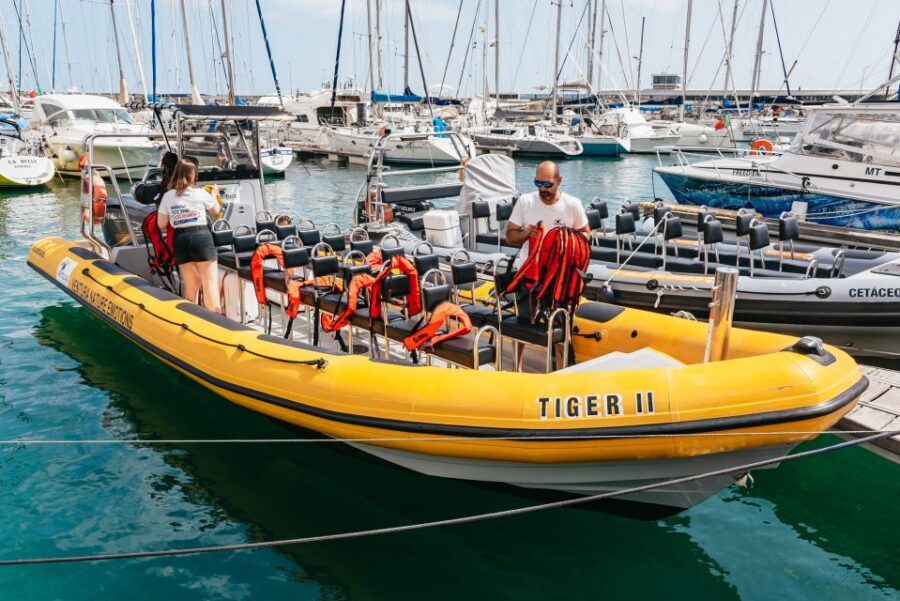
- Small group cap (18 people max): more hands-on attention and faster decision-making out at sea
- Spotters from land: lookouts help guide the skipper to where whales and dolphins are more likely to be
- Marine biologist on board: identification help for dolphins/whales and tips on where to look
- Short approach time: the speed boat format helps you reach animal areas quickly
- Cetacean guarantee: if you don’t see whales/dolphins, you’re offered a second trip for free
The speed boat approach: why this tour works for real whale-and-dolphin spotting
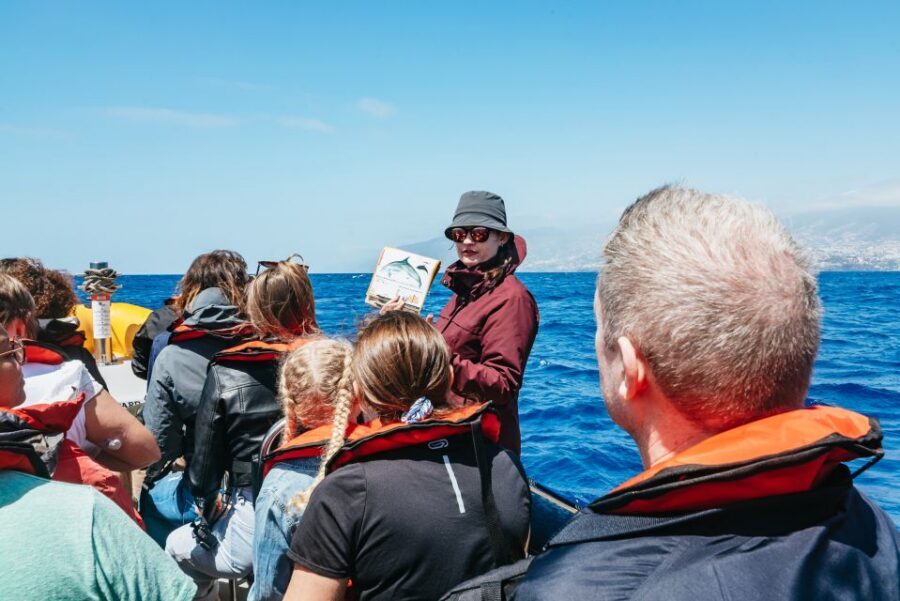
This is the kind of tour that makes sense the moment you stop thinking of whale watching as a slow cruise and start treating it like a moving field session. Madeira has plenty of marine life, but animals don’t stay put just because you bought a ticket. Here, the boat is built for getting to a sighting fast.
The speed boat format also tends to feel more controlled than bigger boats. In the feedback, people highlight how the smaller ride can be easier if you’re prone to sea sickness, and how quickly the boat can reach active areas when dolphins are hunting or moving. If your goal is to see animals in action, this style is a big advantage.
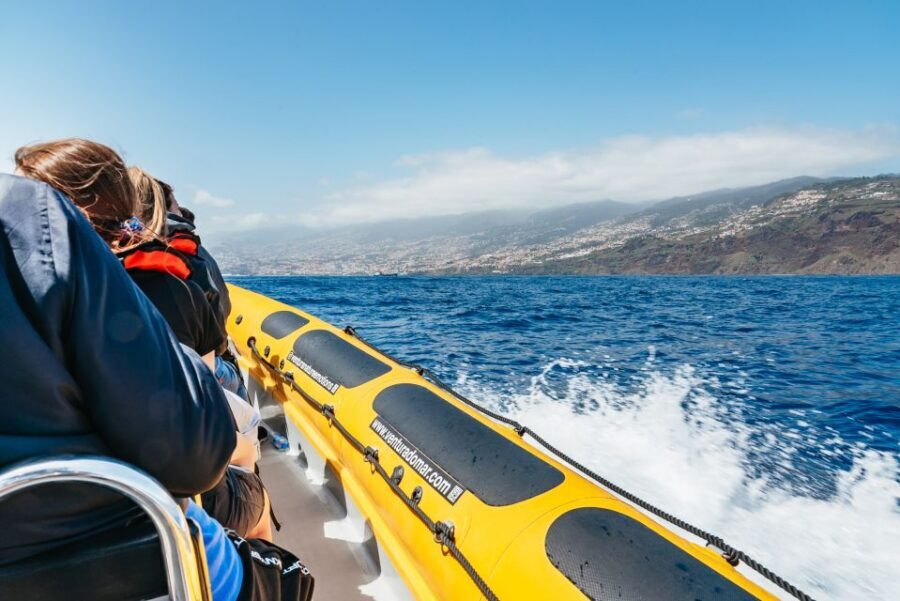
And yes, it’s fun. You get that fast, close-to-the-water feeling, with the coastline rolling by as your background view. Think of it as a nature outing that also happens to be a mini speed-boat thrill ride.
You can also read our reviews of more tours and experiences in Madeira.
Starting in Funchal: the pier-side meet and what you’ll feel right away
You meet at the Ventura Nature Emotions Kiosk at pier 8 in Funchal Marina. That matters more than it sounds: pier 8 is a practical launch point, so the day starts with less scrambling and more “get on the water.”
Once you’re aboard, expect an initial safety briefing and a quick tour briefing from the crew. You’ll get lifejackets and insurance coverage included, which keeps things straightforward. The crew’s whole job out there is to manage both safety and observation time, and it shows in how many people mention clear instruction and professional handling of the boat.
The other immediate “tell” is the boat size and group size. With a maximum of 18 people, you’re not stuck shoulder-to-shoulder like a commuter ferry. That makes it easier to find a good sight line when someone calls out a direction and you have seconds to look.
The 2.5-hour game plan: what happens once you leave the marina
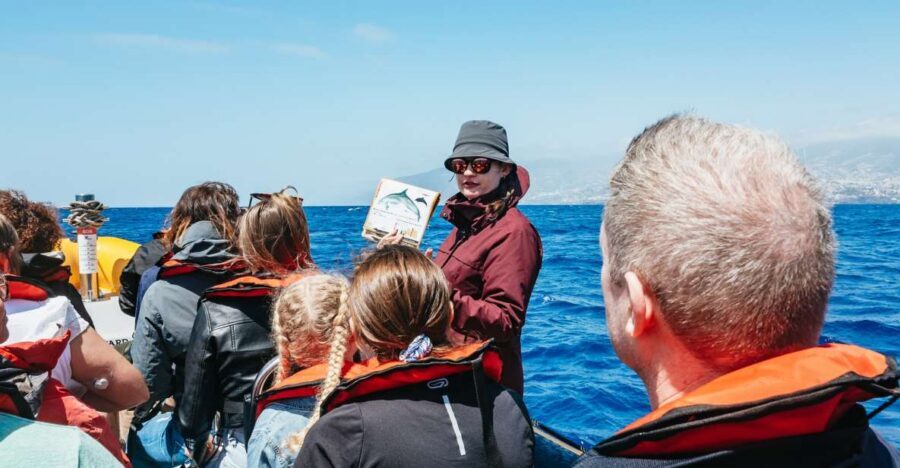
Your total time on the water is about 2.5 hours, and it’s structured around one thing: searching efficiently for whales and dolphins. The tour runs along Madeira’s coastline, and you’ll spend that time scanning for marine activity while the guide explains what’s going on.
A key detail here is the use of lookouts from land. Spotters watch from shore and feed information to the boat. That boosts your odds because it narrows the guessing. Instead of roaming randomly, the skipper can follow leads more quickly, and the whole group benefits.
During the tour, your sightings can vary. The tour info says you may see between 1 to 4 species. That’s a realistic range for marine wildlife: some days are focused and simple, others build into multiple encounters. Either way, the tour’s format is built to keep you moving to the next lead without long dead time.
The marine biologist factor: how you’ll actually identify what you see
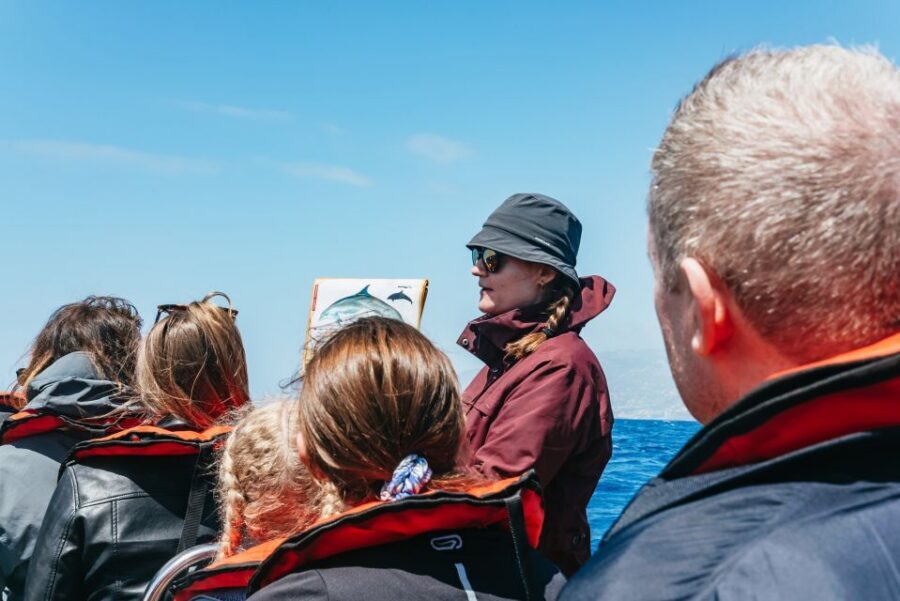
What separates this tour from a generic wildlife cruise is the guide’s role. You’re not just watching; you’re learning how to watch.
The marine biologist/naturalist guide helps identify sighted species and points out details you can use in the moment. In the feedback, people repeatedly mention guides talking through what to look for and which direction to watch. That part is huge. Dolphins and whales can look similar at a distance, and animal behavior is often the fastest clue. If you know what behaviors matter, your chance of a good sighting feels way higher.
Guide names that show up in the experiences shared include Francisca, Filipe/Felipe, Ana, Dominique, and Raquel. You might have a different guide on your day, but the pattern is consistent: live coaching that makes the spotting less random and more like guided observation.
Also, there’s an audio guide included in Portuguese and English, which is useful if you want to re-check what you heard or if you’re trying to follow along while the boat is moving.
What you might spot around Madeira’s coast (and what to expect if luck varies)
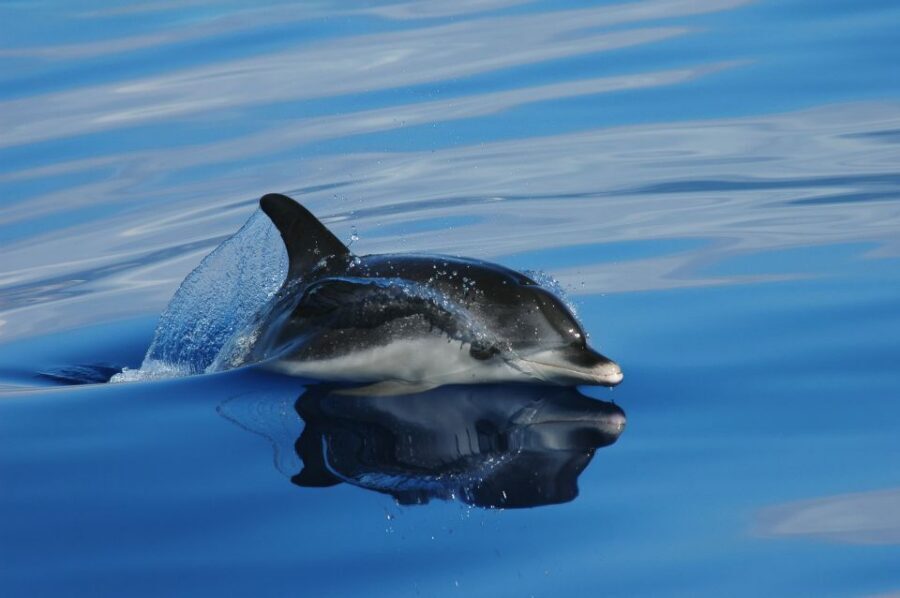
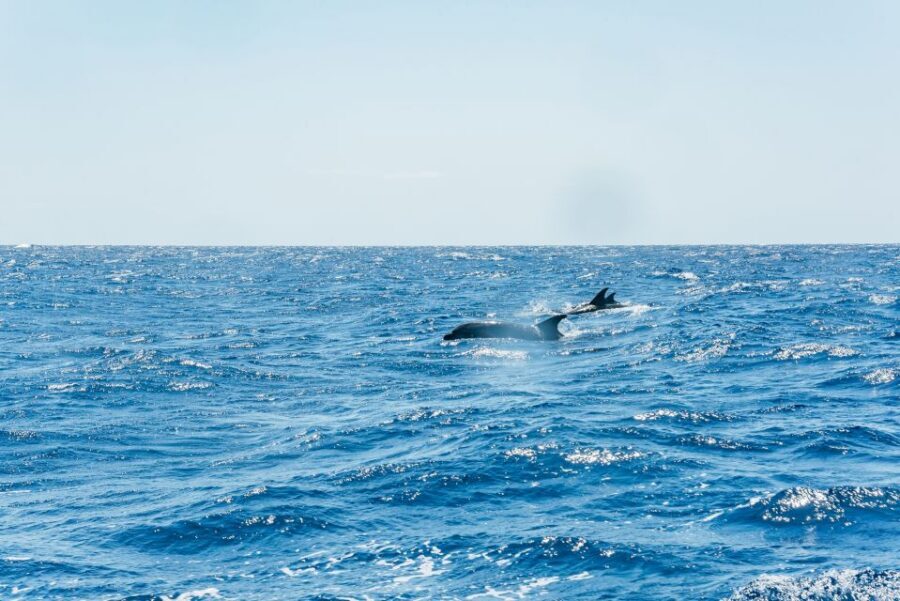
You’re specifically aiming for cetaceans—whales and dolphins. Sightings vary by day, and the range is part of the reality of wildlife watching. The tour info also sets expectations: sightings can involve multiple species, and your number of encounters depends on what the sea is offering that day.
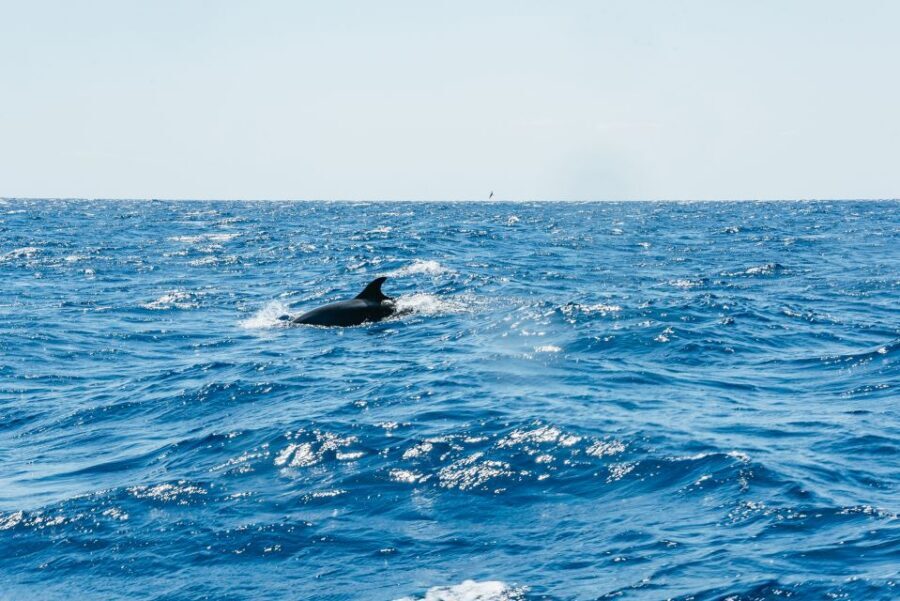
Some sightings mentioned in the feedback include common dolphin groups and several types of whales. On one day, people described distant pods and then a later, closer find guided by the skipper. On another, a sighting might be one highlight with a lot of excitement attached.
This is why I like the tour’s “hunt smart” structure. Even when dolphins are the main event, you’re more likely to see multiple groups because the boat can reposition quickly after fresh leads. If the whales are present, spotters can help you get directed sooner, which increases your time actually watching rather than scanning.
A small but meaningful detail: one person noted the crew stopping briefly to collect floating garbage. That’s not the kind of thing you plan for, but it reinforces that the team seems to care about the ocean they’re asking you to admire.


Speed, seating, and real comfort: how to ride without turning it into a misery test
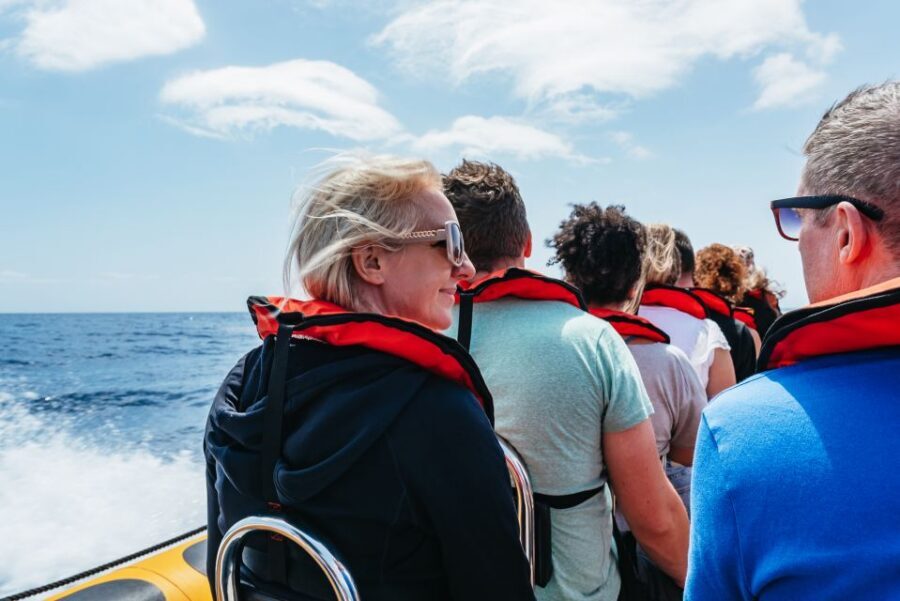
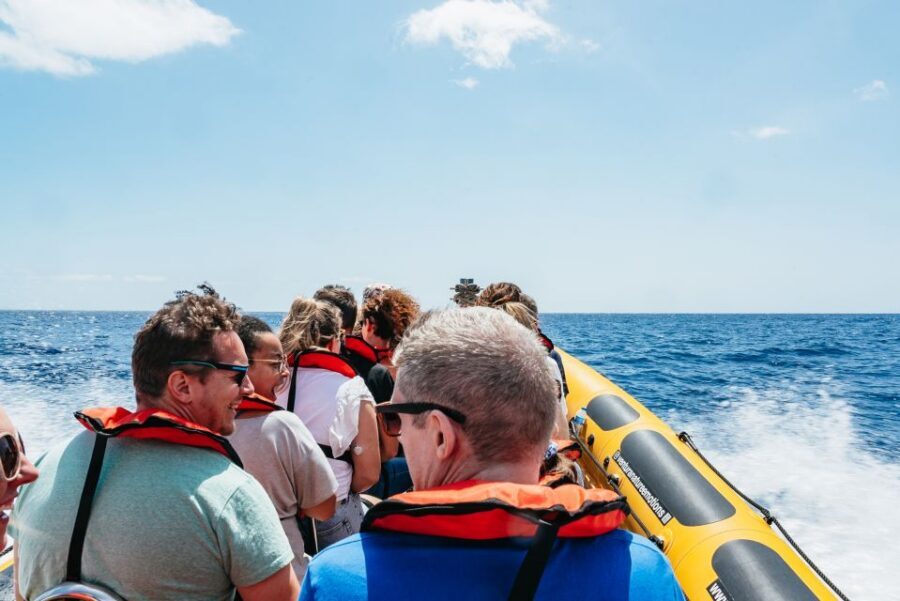
Because this is a speed boat, you should expect splash and motion. Several comments mention getting soaked a bit, and others say the ride still feels manageable even with the boat going fast over waves.
Here are the practical comfort takeaways that you can use before you board:
- Wear comfortable clothes and plan for water spray.
- Bring a windbreaker if you run cold in the breeze.
- Sunglasses help a lot for scanning, especially when the sun hits the water.
- If you’re sensitive to motion, know that people often say the smaller speed boat is easier than larger vessels. (That’s not a medical promise, but it comes up often.)
Seating can matter. One comment notes that the bow has more movement and can come with more splash, while still being padded and secure. So if you hate feeling tossed around, consider choosing seats based on how you personally react to motion.
And one easy upgrade: if you’re going for photos, treat this like a “camera ready” event. The boat can hit speed and the animals don’t pause, so quick framing beats perfect framing.
Gear and manners: what to bring and what not to do
The tour is straightforward about what you should pack. Bring:
- Windbreaker
- Sunglasses
- Camera
- Comfortable clothes
Not allowed:
- Smoking
That’s it. Simple rules help the crew keep the group focused on safety and spotting, not on side distractions.
I’d also add one personal style tip: bring your camera gear in a way that doesn’t require slow fiddling once you’re on the water. When the guide points one direction and says look now, you’ll want to react quickly.
Price and value: is $56 fair for a 2.5-hour whale-and-dolphin hunt?
At about $56 per person for a 2.5-hour tour, the value comes from what’s included, and how the tour is designed.
You’re paying for:
- A marine biologist/naturalist guide
- Experienced crew and skipper
- Lifejackets
- Insurance
- Live interpretation in Portuguese and English
- Spotter support from land
- And a big deal: a second trip for free if cetaceans aren’t seen
That guarantee changes the math. Whale watching can feel like you’re gambling, but here the operator builds in a safety net. On top of that, the small-group format means you’re not “buying volume” like a big bus tour. You’re buying time, instruction, and search efficiency.
Could it be more expensive than a casual boat ride? Sure. But this isn’t casual. It’s a short, focused outing where the boat can chase leads fast and the guide can help you make sense of what you find.
If you want the most realistic odds of seeing whales and dolphins, and you prefer speed and proximity over a slow cruise, $56 doesn’t feel outrageous. It feels like a practical ticket for better chances.
Who this tour suits best (and who should look at alternatives)
This tour is a good match if:
- You want to see marine animals in the wild, with guidance that improves your spotting
- You like fast-paced movement and don’t mind getting splashed
- You want a mix of science talk and real-world action out on the water
- You appreciate small groups and clear crew leadership
It may not be a fit if you:
- Are pregnant
- Have back problems
- Have mobility impairments, or use a wheelchair
These limitations come directly from the tour’s stated requirements, so it’s better to respect them than hope you’ll be fine.
If you’re traveling as a couple or with friends, you’ll likely enjoy the group size. If you’re traveling with kids, the key question is whether they’ll tolerate motion and focus long enough to enjoy the spotting coaching.
Should you book the Whale and Dolphin Watching Speed Boat Tour?
I’d book it if your Madeira trip has room for one active, time-efficient wildlife outing. The combination of speed boat agility, marine biologist guidance, and land spotters is exactly what you want when the ocean decides what it will show you.
I’d hesitate only if your primary goal is calm, slow sightseeing. This is faster and more physical than a leisurely cruise, and it’s designed around short observation windows and quick repositioning.
If you do book, plan to dress for wind and spray, bring your camera ready, and focus on what the guide tells you to watch. The better you cooperate with the spotting cues, the more this tour delivers.
FAQ
Where do I meet for the tour in Funchal?
You meet at the Ventura Nature Emotions Kiosk at pier 8 in Funchal Marina.
How long is the speed boat tour?
The tour duration is 2.5 hours.
What languages are available on the tour?
The live guide and audio guide are available in Portuguese and English.
What should I bring to the tour?
Bring a windbreaker, sunglasses, a camera, and comfortable clothes.
What happens if the tour doesn’t include whales and dolphins?
The tour guarantees cetacean sightings. If that doesn’t happen, you are offered a second trip for free.
Is this tour suitable for everyone?
It is not suitable for pregnant women, people with back problems, people with mobility impairments, or wheelchair users.