REVIEW · TENERIFE
Full-Day Gomera Jeep Safari Excursion from Arona
Book on GetYourGuide →Operated by TAMARAN · Bookable on GetYourGuide
La Gomera comes with a whistle. This full-day jeep safari strings together a ferry from Tenerife to San Sebastián, time in UNESCO-listed Garajonay National Park, and a traditional lunch, with stops that explain how the island ties to the New World. I love the whistled language element and the focused park time, but the 4×4 ride can feel cramped on longer stretches, so wear comfortable clothes.
You start early: meet at 8:20 AM at the free parking at X-sur shopping center (Calle Lisboa, 2) in Costa Adeje. The small-group feel on jeeps, plus guides like Jose (aka Frankie) or Terry, is a big part of why this day feels active instead of just sitting on a coach.
In This Review
- Key things to know before you go
- Getting to Gomera: the 8:20 AM start you’ll feel all day
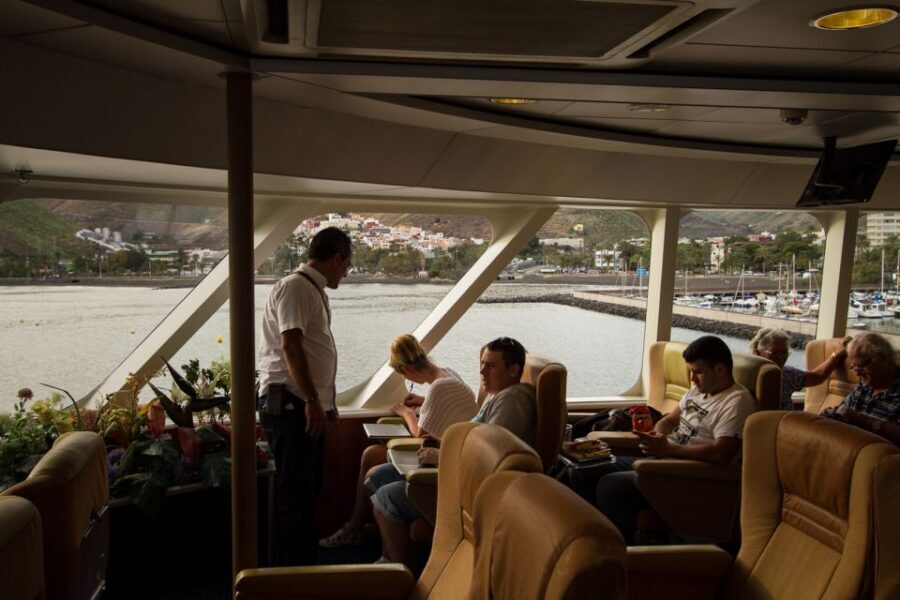
- Tenerife to La Gomera by ferry: a calmer first chapter
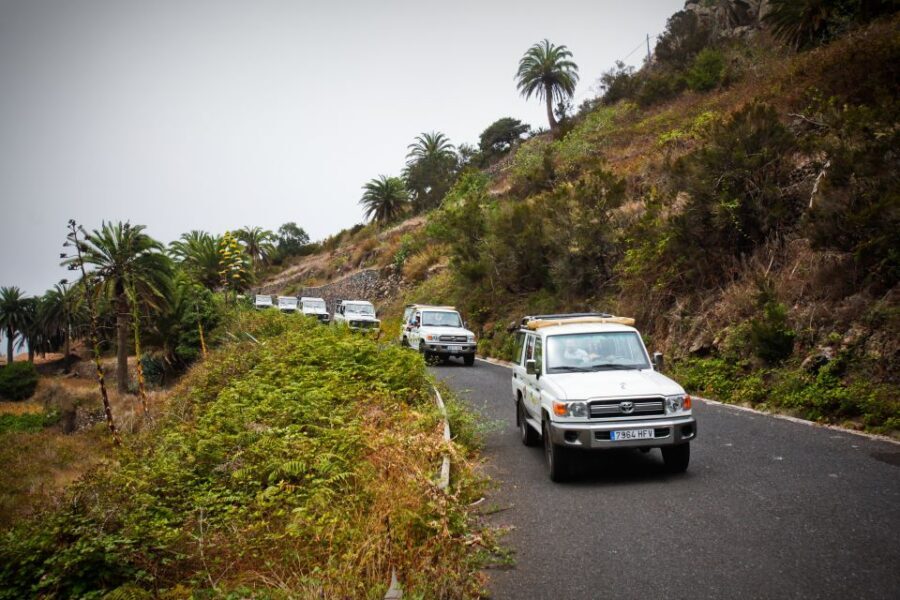
- Why the 4×4 jeep route feels different than a coach day
- Garajonay National Park: where the day earns its UNESCO stamp
- The whistled language of La Gomera: hearing culture, not just facts
- Village stops and New World storytelling on the road
- Lunch in a local restaurant: included, scenic, and not all the same
- Guide quality and safety: why Frankie and Terry get named a lot
- Price and value: what $171 buys you for a full-day crossing
- Who this tour fits best (and who may want a different plan)
- Should you book this Gomera jeep safari?
- FAQ
- Where is the meeting point?
- What time does the tour start?
- What ID do I need to join the ferry?
- How long is the tour?
- What’s included in the price?
- What languages are available for the live guide?
- Is Garajonay National Park part of the day?
- Do you get to see the whistled language of La Gomera?
- What is lunch like?
- Can I cancel or pay later?
Key things to know before you go
- Ferry to San Sebastián first: the day begins with a morning sail from Tenerife.
- Garajonay National Park is the anchor: UNESCO World Heritage time is built in.
- Whistled language demo is part of the experience: this cultural tradition gets explained and witnessed.
- Jeep travel reaches places coaches can’t: you get tighter access to viewpoints and terrain.
- Lunch is included: and several departures include water (and sometimes wine) at the table.
- Guides matter here: named favorites in the lineup include Frankie and Terry for their storytelling and humor.
Getting to Gomera: the 8:20 AM start you’ll feel all day
This trip is built around an early departure, and that affects everything: you’ll be ready to go when most people are still deciding whether they want breakfast. Pickup is at 08:20 AM on the free parking of X-sur shopping center, Calle Lisboa, 2, in Costa Adeje. Plan to arrive a bit early so you’re not stressed if there’s last-minute sorting.
One important detail: you must bring the ORIGINAL ID card or passport to board the ferry. That’s not a “bring a photocopy just in case” situation. If you’re traveling with kids, bring their ID or passport too.
The schedule is a one-day push—long enough that the day can feel like an expedition, not a casual stroll. The trade-off is that you see a lot of the island, instead of doing one or two big stops and calling it a day.
You can also read our reviews of more tours and experiences in Tenerife.



Tenerife to La Gomera by ferry: a calmer first chapter
The day starts with a morning sail from Tenerife to San Sebastián de la Gomera. Even though the focus is on the jeep safari, the ferry crossing matters. It sets the tone: you’re not immediately jolted into rough roads, and you have time to settle before the drive begins.
Also, ferry timing can be a real-world variable. On this kind of day trip, if schedules shift, the start can feel a bit hectic while everyone gets organized around updated departure times. If you’re the type who gets grumpy when plans flex, bring a little patience to the morning. It usually smooths out once groups are sorted and the route begins.
By the time you land, you’ll be in gear for views, stops, and short stretches on the ground—exactly what makes this tour work better than staying in one place.
Why the 4×4 jeep route feels different than a coach day
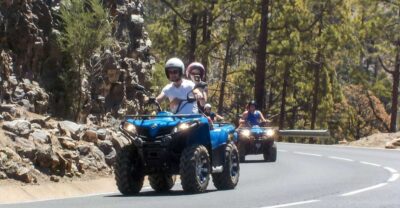
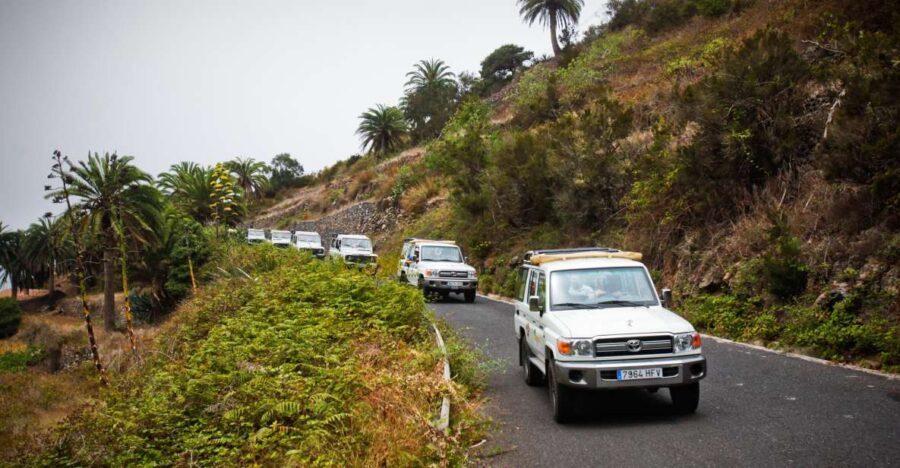
This safari is basically saying: we want to move. The jeeps aren’t just for fun—4×4 access helps you reach viewpoints and areas that big buses can’t. Several guides and drivers are described as safe and confident, and the driving style can include those hair-raising moments people talk about after.
Here’s the practical part: the jeeps can feel tight. Some riders mention discomfort or limited legroom, especially over longer portions between stops. The good news is that there are plenty of stops to stretch your legs and reset your body.
Group size is another factor. You’re not doing this as one huge crowd; you’ll ride with other people, often in small groups split by language. That mix can be a benefit: you’re social, but it still feels like you’re moving as a unit, not getting lost in a sea of strangers.
Vehicle types may vary by departure. One rider noted that a departure used a VW Transporter instead of a Land Rover-style vehicle. So if your mental image is a classic jeep, know that “jeep safari” can mean slightly different vehicle setups.
Garajonay National Park: where the day earns its UNESCO stamp
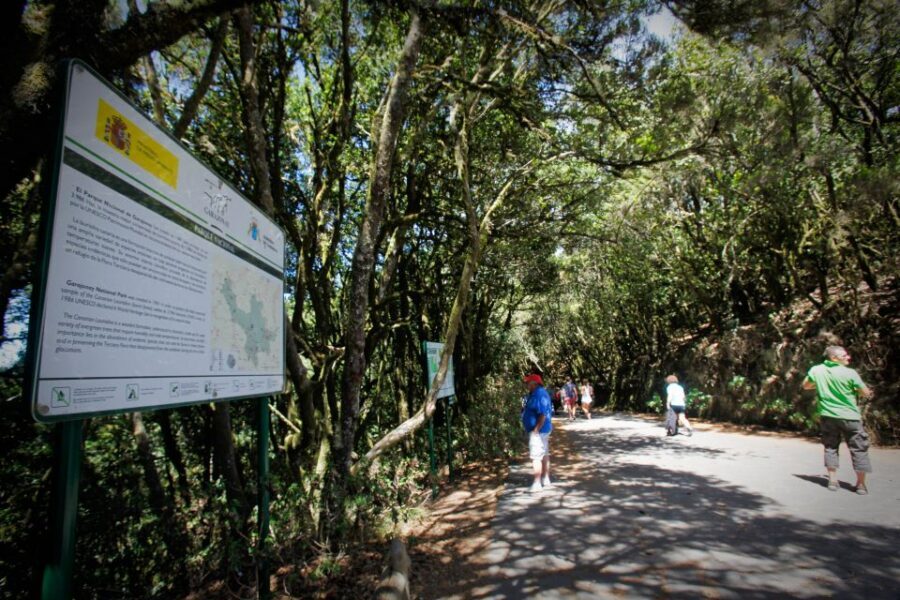
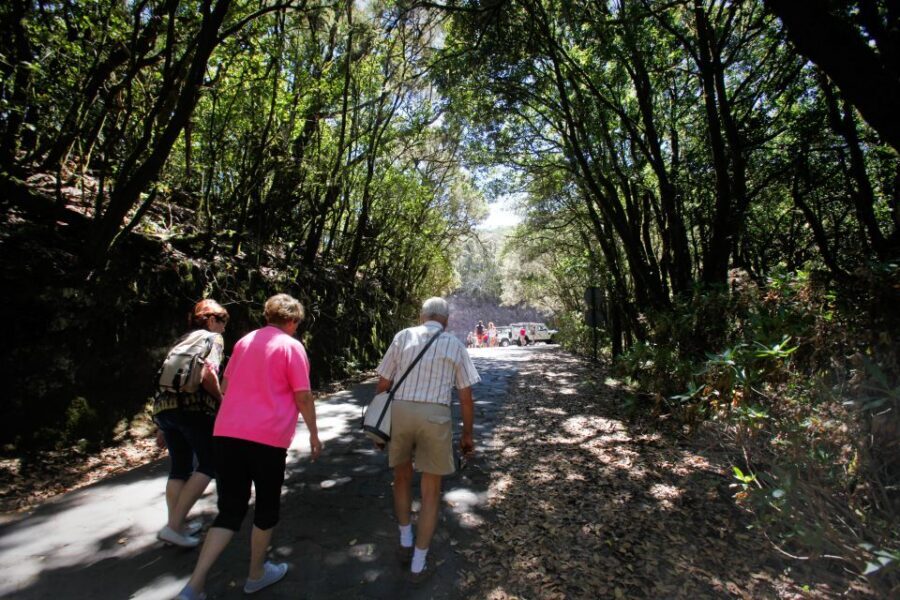
Garajonay National Park is the heart of the trip. This is UNESCO World Heritage territory, and the park time is built into the route rather than treated as a quick photo stop.
What makes Garajonay special on a day like this is the mix of access and explanation. You get viewpoints and time on the ground, but you also get commentary that ties what you’re seeing to why La Gomera is different from Tenerife or Gran Canaria. A number of departures highlight areas at higher elevation and the feeling that the air and terrain change as you move.
One standout term you’ll hear in the vibe of this park experience is live fossil forest. That comes up as a nickname for the prehistoric-feeling woodland character of the area. Even if you’re not a botany nerd, it’s the kind of forest that makes you stop walking and look up—because it feels older than the rest of the island story.
The biggest value for you: the tour doesn’t just point. It gives you context. That’s how you leave Garajonay feeling like you understand what you saw, not just that you saw a bunch of green.
The whistled language of La Gomera: hearing culture, not just facts
La Gomera’s whistled language is not a gimmick. It’s a living cultural tradition recognized as intangible cultural heritage, and on this tour it becomes something you can actually witness.
You’re not just told the name of the language. You get the moment—what it sounds like, how it works, and why it mattered when people couldn’t rely on phones. It’s the kind of experience that makes the island feel human-sized. Suddenly the geography connects to real communication needs: valleys, distance, and sound carry.
This is also a great “attention anchor” for the day. If you’re tired from road time, the whistled language segment gives your brain a different kind of focus. Several riders point to this as one of the highlights, because it’s unusual and instantly memorable.
If you like learning through doing—seeing a demonstration rather than reading about it—you’ll probably enjoy this part a lot.

Village stops and New World storytelling on the road
Between park time and cultural moments, the tour includes visits to picturesque villages and scenic corners across the island. The point isn’t to rush through every settlement; it’s to show the island’s variety without you having to plan a route from scratch.
What sets this tour apart from a drive-by day is the storytelling at the stops. Your driver shares context about La Gomera’s role as a bridge to the discovery of the New World. It adds a historical thread to the geography—so you’re not just staring at views, you’re understanding why someone would care.
These stops also break up the driving. They’re short enough to keep momentum, but frequent enough that the day doesn’t feel like one long grind. That’s important because the jeeps can be thrilling and a bit bumpy. Without stops, the ride would wear people down.
One thing to keep in mind: “most picturesque” can mean a quick walk, not a full museum-style visit. If you want long, slow village exploration, this tour is more about seeing many places in one day than sinking into one town for hours.
Lunch in a local restaurant: included, scenic, and not all the same
Food is included on this safari, and lunch is typically the main meal of the day. In many accounts, the restaurant stop is enjoyable, with a view that helps lunch feel like a break rather than a pause in the schedule.
Quality runs slightly different by departure. Some riders describe lunch as delicious, with water and even wine provided on the table. Others describe it as plain but still nice. Either way, the key practical takeaway is this: you won’t need to figure out lunch on the fly, and you’ll be fed while the schedule keeps moving.
If you’re picky about food, I’d treat this as a dependable “included meal” rather than a gourmet destination. But if you’re happy with local, straightforward lunch plus a scenic setting, you’re likely to feel satisfied.
Guide quality and safety: why Frankie and Terry get named a lot
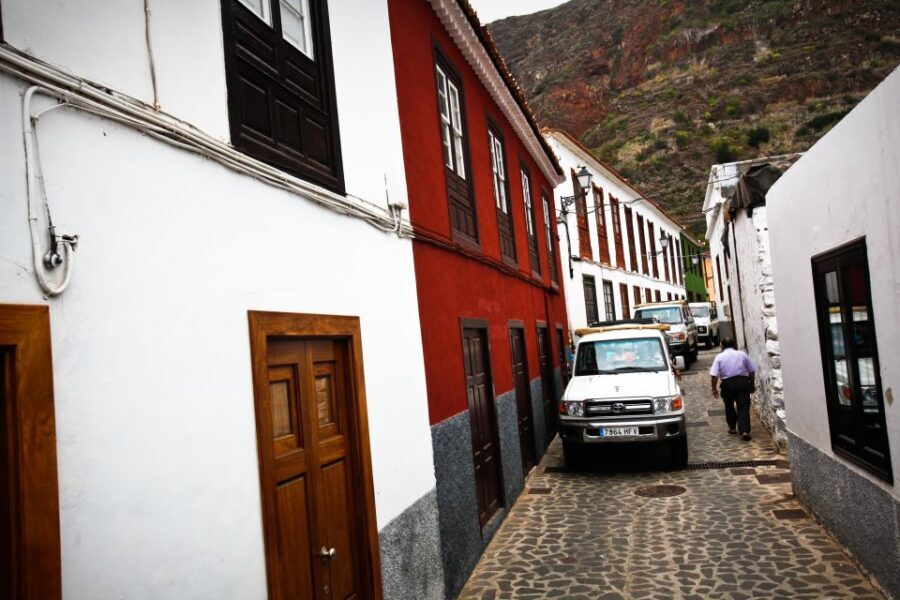
On a jeep day, the guide and driver are the whole experience. This tour uses a live tour guide with multiple language options—German, French, English, Italian, Dutch, Polish, and Spanish—so you should be able to match your comfort level.
What repeatedly stands out is the human side of the operation. Riders mention guides who are funny but respectful, and drivers who keep it safe and smooth even when the roads get serious. Names that come up often include Jose, aka Frankie, and guides like Terry.
There’s also the care factor. One account describes a situation where a passenger became ill; Terry stayed with the person, waited for the ambulance, and handled follow-up logistics later the same day. That’s not typical tourist bragging—what it tells you is that staff are watching out for people, not just collecting checklists.
Practical reality check: you might not always get the guide language you expect. One rider noted a mismatch between what they thought they’d receive and what they got. If language is crucial, double-check the language selection at booking and arrive ready to make it work if there’s a swap.
Price and value: what $171 buys you for a full-day crossing
At $171 per person, this tour isn’t a bargain toy. It’s a day-ticket that covers the ferry transfer, the guided jeep experience, and food. For a full-day format like this, that combination is where the value usually lives.
Here’s how to think about it:
- If you tried to do this independently, you’d likely spend money on ferry tickets plus vehicle access (and you’d still need to plan park time and lunch).
- The tour compresses a lot of island variety into one day—especially the Garajonay National Park focus and the whistled language demonstration.
- You also get the “how to understand what you’re seeing” part, through guide commentary.
The main reason to question value is the ride comfort factor. Some jeeps can be cramped, and if you’re someone who really dislikes uneven road time, you might feel the price more sharply. But if you’re okay with that trade, the overall package tends to feel like a fair exchange for a day that covers real ground.
Who this tour fits best (and who may want a different plan)
This safari is a strong match if you want:
- a guided day where you learn as you go
- UNESCO Garajonay time with context
- a cultural moment you can’t replicate at home (whistled language)
- the convenience of ferry + jeep + lunch in one package
It may be less ideal if you:
- hate bumpy roads or feel easily uncomfortable in tight seating
- want slow, deep time in one village
- need very specific language support and can’t tolerate surprises
Also, this is a day trip with energy. You’ll be moving and stopping frequently, so it suits active travelers more than “sit and coast” types.
Should you book this Gomera jeep safari?
Book it if you want a full day that blends Garajonay National Park, a real cultural demonstration, and a jeep route that can reach places a coach wouldn’t. The best sign is that the people who recommend it keep talking about guides and drivers—specifically the way they explain things and keep things safe.
Skip or rethink it if comfort is your top priority and you know you get cranky with cramped seating or long road time. Also consider your language needs: the tour offers many languages, but day-to-day matching can vary.
If you’re flexible, curious, and ready for a slightly adventurous ride, this is a solid way to spend your one day on La Gomera—without having to do the planning math yourself.
FAQ
Where is the meeting point?
The meeting point is at 08:20 AM on the free parking of X-sur shopping center, Calle Lisboa, 2 in Costa Adeje.
What time does the tour start?
It starts at 08:20 AM (meeting time), with the rest of the day built around the ferry to La Gomera.
What ID do I need to join the ferry?
You need the original ID card or passport to get on board the ferry.
How long is the tour?
The total duration is listed as 1 day.
What’s included in the price?
The included items are the driver, ship transfer, and food.
What languages are available for the live guide?
Live tour guide languages include German, French, English, Italian, Dutch, Polish, and Spanish.
Is Garajonay National Park part of the day?
Yes. The tour includes visiting Garajonay National Park.
Do you get to see the whistled language of La Gomera?
Yes. The tour includes learning about the whistled language and enjoying a demonstration as part of the day.
What is lunch like?
Lunch is included. In accounts from the day, it’s described as enjoyable, with some mentions of water and wine being provided on the tables.
Can I cancel or pay later?
Yes. There is free cancellation up to 24 hours in advance for a full refund, and you can reserve now and pay later.