REVIEW · TAMARINDO
Kayak to the Heart of the National Park
Book on Viator →Operated by Sol Eco Adventures · Bookable on Viator
Kayaking into Costa Rica’s wild edges is quiet. In Tamarindo’s Las Baulas National Marine Park, you paddle through mangroves, step onto land for a guided nature hike, and even climb to an indigenous archaeological viewpoint.
I love the small group feel (max 10) and the fact you get a brief kayak skills lesson before you set off. I also love that the tour mixes wildlife spotting with plant names, not just scenery.
One thing to plan for: the tour does not include mosquito spray and the provided water/snacks may feel limited if you run hot.
In This Review
- Key points (what you’ll notice fast)
- Tamarindo Mangroves: a national park you reach by kayak
- Pangas Beach Club meet-up and the tidal math you need to respect
- Your kayak lesson: gear, safety, and learning the strokes that matter
- Paddling through Las Baulas: wildlife spotting from a moving viewpoint
- The guided hike: mangrove trails, plant names, and a climb to an indigenous site
- Mud, footing, and footwear: plan for slippery transitions
- Pace and group size: why the best trips feel relaxed
- Snacks, water, and the heat factor
- Value for $65: when this tour is a good deal
- Who should book this kayak-and-hike combo?
- Quick tips so you enjoy it more (and don’t get caught out)
- Should you book Kayak to the Heart of the National Park?
- FAQ
- How long is the kayak tour in Tamarindo?
- What does the tour cost?
- Where do I meet for the tour?
- What’s included with the tour?
- What should I bring since it is not included?
- When does the tour run each day?
- How big is the group?
- Is it worth it even if I’m a beginner at kayaking?
Key points (what you’ll notice fast)
- Mangroves over crowds: No cars inside the park means this is one of the best ways to reach the interior.
- Tide timing matters: Your schedule is built around being 60–90 minutes before high tide.
- Learn-and-go kayaking: Life jackets, dry bags, and a short technique briefing help first-timers feel steady.
- Wildlife you can actually watch: Howler monkeys, birds, iguanas, and sometimes crocodiles show up.
- On-shore hike with real payoffs: Trails plus a climb to a rock-built archaeological site with a canopy view.
Tamarindo Mangroves: a national park you reach by kayak
This tour is basically a lesson in how Costa Rica protects places you can’t reach by car. Las Baulas National Marine Park sits in a system of mangroves and estuary edges, and the only practical way to get into the heart of it is by boat or kayak.
Kayak time changes the feel. A kayak is slower, quieter, and lower to the water, which means you notice birds stalking the edges and you feel the rhythm of the tide. Several guides on this route (often listed as Luis Ernesto, and sometimes as Luis/Tom on different schedules) focus less on rushing and more on reading what’s around you.
You can also read our reviews of more tours and experiences in Tamarindo.


Pangas Beach Club meet-up and the tidal math you need to respect
You start at Pangas Beach Club in Tamarindo. It’s the kind of spot that makes mornings easier: parking, bathrooms, and showers are there when you need them. The meeting point is also close to town, so you’re not stuck on the far edge of nowhere before paddling starts.
Then comes the part that controls everything: the tides. The tour is scheduled 60–90 minutes before high tide, and that’s not just a technical detail. It affects how deep the water is for kayaking, but it also affects how you’ll transition between kayak and shore during the hike.
You should show up a bit early with a clear mind. If you arrive late, you’ll miss the calm setup and your group will feel the pressure of the tide clock.
Your kayak lesson: gear, safety, and learning the strokes that matter
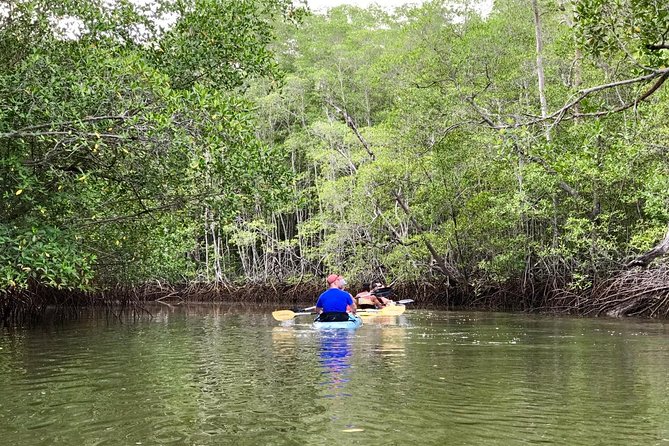
Before you paddle, your guide gives a short briefing on safety and paddling technique. The gear is built for comfort and visibility: single or double kayaks, life jackets, and seat pads/back rests. You also get a protective dry bag for valuables so your phone and camera survive the splash zones.
From what people report, the water time usually splits into two paddling legs (out and back), with about an hour of kayaking each way in many departures. The pace is generally manageable, and the tour is described for moderate physical fitness—not couch-to-marathon.
The helpful twist here is that you don’t just get gear and sent off. You get a chance to practice the basics first. That’s why novice paddlers often feel comfortable by the time you reach the mangrove interior.
Paddling through Las Baulas: wildlife spotting from a moving viewpoint
Once you push into the mangroves, the park becomes a working ecosystem instead of a postcard. Mangrove roots and muddy edges hide animals, so the best sightings come from slow observation, not speed.
Here’s what you’re likely to see (and what you can actually watch, not just glance at):
- Howler monkeys, often during the hike segment and sometimes seen close to the trail
- Exotic birds such as herons and cranes, plus parrots and other colorful species
- Iguanas along banks and branches
- Squirrels, and other small wildlife that blends into the greenery
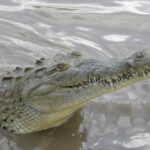
- In some trips, people also spot crocodiles along the river banks
Do expect a little “hit or miss.” Wildlife doesn’t run on a schedule. But when sightings happen, they feel more personal from a kayak than from a bigger boat.
Also, don’t assume every guide will name every bird you see. Some people come away saying bird explanations were spot-on; others felt the focus leaned more toward plants and trees than bird ID. Either way, the experience usually stays educational, especially when you ask questions during stops.
The guided hike: mangrove trails, plant names, and a climb to an indigenous site
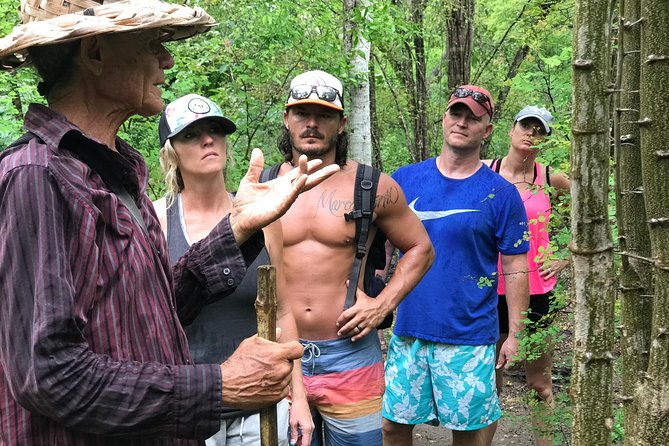
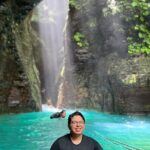
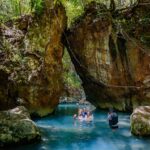
After paddling to the interior, you leave the kayaks ashore for a guided nature hike on trails. This is where the tour often converts a good outing into a memorable one.
The focus isn’t only on animals. Your guide points out plants and explains what they are and why they matter in the forest system. People mention learning about:
- Dragonfruit cactus
- Wild hibiscus
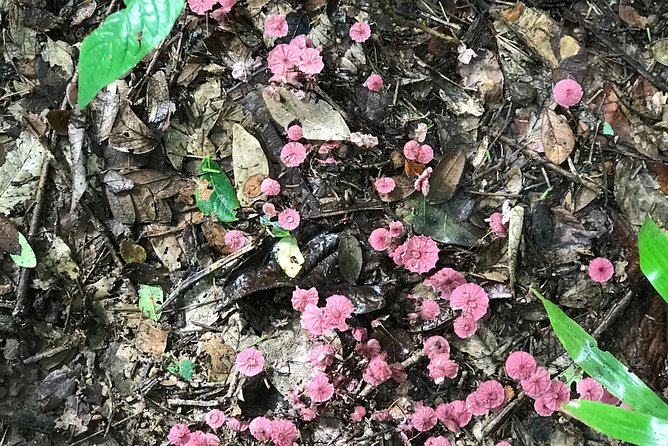
- Mushrooms
- Big shade trees, including references to the garden of the forest and the national guanacaste tree
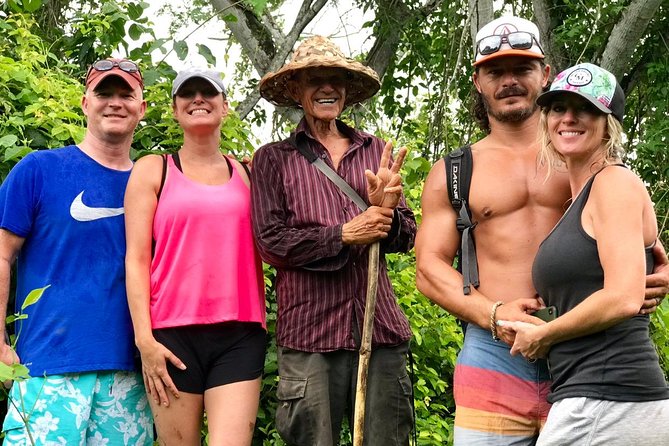
Then there’s the standout cultural moment: you visit an archaeological site built by ancient indigenous people using rocks brought from nearby. You’ll climb to the top, and from there you get a wide view over the tree canopy. Even if you’re not a history buff, the combination of climb + lookout makes the nature feel even more alive.
The guided part matters here. You’re not just walking through trees; you’re walking with someone who can explain what you’re seeing—tree structure, animal behavior, and how the forest connects to the estuary.

Mud, footing, and footwear: plan for slippery transitions
This tour asks you to move between kayak and land. That sounds simple, but footing can get tricky in mangrove country, especially when tides shift.
You’re told to bring suitable walking/tennis shoes, and that’s good advice. The included items help with water safety, but shoes and balance are your job. A few experiences raised concerns about slippery, muddy ground and difficult kayak re-entry during certain tide conditions.
So here’s the practical move: wear footwear you trust on wet surfaces. If your shoes get soaked, that’s fine. What matters is grip and comfort. Think stable tread, not slick sandals.
Pace and group size: why the best trips feel relaxed
Group size caps at 10 travelers, and that small number is a big deal. It makes it easier for your guide to adjust their pace, help with beginner paddling, and keep the hike from turning into a rushed march.
Most reports describe a structure that works: short paddling legs, a walk around the forest, snacks and drinks, and time to enjoy the quiet water on the return. Some people even describe the trip as longer than expected, with extra time on both water and land.
That said, a few reviews point out an issue with communication style. Some guides (again, names like Luis or Tom show up across reports) can be strict about attention or push the group forward. If you’re the type who wants a mellow chatty guide every second, be aware you might get a more “stay focused” vibe.
Snacks, water, and the heat factor
Included fare is straightforward: bottled water plus snacks, along with bananas and cookies in some departures. The tour also provides a dry bag for valuables, which is a huge help in humid conditions when you don’t want to babysit your phone.
But here’s the balance: Costa Rica heat adds up fast. One common suggestion from multiple reports is to bring extra water even if some water is included. If your group is larger, and you’re not drinking steadily, you’ll feel it during the hike.
This is also where mosquito protection becomes your responsibility. The tour does not include mosquito spray, and you’ll be on land long enough for bugs to matter.
Value for $65: when this tour is a good deal
At $65 per person for about 3 hours, the price can look fair once you break down what’s included. You’re paying for:
- Kayak equipment (single or double)
- Life jackets and comfortable seat pads/back rests
- A dry bag for valuables
- Snacks and bottled water
- A guided kayak and a guided nature hike, including an archaeological climb
- Park access, noted as admission ticket free
That’s a lot for one morning, especially in a location where you can’t just wander into the mangroves by foot from town.
The main value question isn’t the basics—it’s the details. If you end up with a guide who’s strict or brief, or if your kayak gear feels worn, you may feel less value than the typical story. But when the guidance clicks, the combo of wildlife + plant lessons + cultural site makes the price feel right.
Who should book this kayak-and-hike combo?
This tour suits you if you want an active nature experience without needing advanced fitness. You should feel comfortable with:
- A moderate amount of paddling
- A forest hike that can include some uneven, wet ground
- Watching for wildlife while moving slowly and quietly
You’ll especially like it if you enjoy small-group trips and you like learning what you’re seeing. People consistently mention guides connecting animal behavior, plant types, and the human story of the archaeological site.
You might want to skip (or choose a different style of tour) if:
- Wet footing makes you nervous
- You want lots of lounging rather than active kayaking and hiking
- You don’t enjoy a guide who sometimes uses a firm, direct approach to get attention
Quick tips so you enjoy it more (and don’t get caught out)
- Bring extra water. Included bottled water exists, but heat adds up.
- Pack mosquito spray since it’s not provided.
- Wear grippy shoes for muddy, slippery transitions between kayak and shore.
- Bring sun protection. You’ll be outdoors during a morning that can get hot fast.
- If you want bird names, ask. Some guides explain birds more than others.
- If you’re new to kayaking, relax on technique. The early briefing is there for a reason.
Should you book Kayak to the Heart of the National Park?
I’d book this if you want a small-group kayak morning that gets you into a real protected estuary zone—then rewards you on land with plant knowledge and a climb to an indigenous rock-built viewpoint. It’s a strong value at $65 because you’re not just paying for movement; you’re paying for guided meaning.
I’d think twice if you’re easily frustrated by a fast-moving group, concerned about slippery muddy re-entries, or you need a very chatty, gentle guide style. In that case, you could still enjoy the park, but you may be happier with a different format or with an even more flexible plan.
If you’re excited by mangroves, wildlife, and learning something on the way, this is the kind of Tamarindo outing that sticks.
FAQ
How long is the kayak tour in Tamarindo?
The experience runs for about 3 hours (approx.).
What does the tour cost?
The price is $65.00 per person.
Where do I meet for the tour?
You meet at Pangas Beach Club in Tamarindo.
What’s included with the tour?
You get a single or double kayak with comfortable seat pads/back rests and life jackets, plus bottled water, snacks, and a protective dry bag.
What should I bring since it is not included?
The tour does not include mosquito spray and you should wear suitable walking/tennis shoes.
When does the tour run each day?
Opening hours are 6:00 AM to 5:00 PM, Monday through Sunday.
How big is the group?
The tour has a maximum of 10 travelers.
Is it worth it even if I’m a beginner at kayaking?
The tour includes a brief lesson on safety and paddling techniques, and the activity is listed for travelers with moderate physical fitness.