REVIEW · TAHITI
Whale watching on the preserved and quiet coast of Paea (Pk26)
Book on Viator →Operated by Mobydick Tahiti · Bookable on Viator
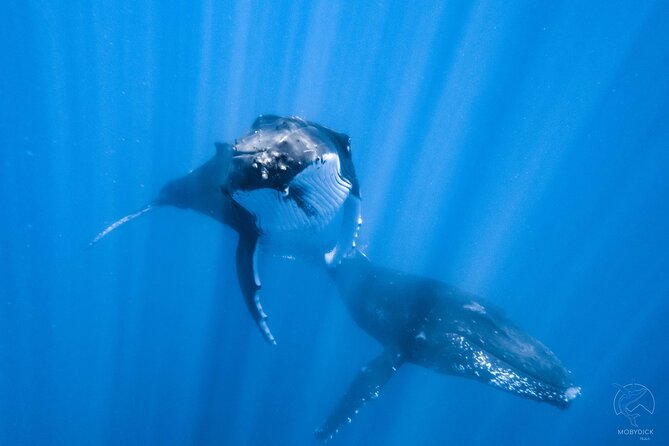
Whales off Tahiti have a way of stealing focus. I love the respect-first approach—guides work between Paea and Papara using the DIREN guidelines, so you’re not just chasing sightings, you’re watching with restraint. I also like the on-board whale listening system, which plays male calls, helping you track what you’re actually looking for.
One thing to expect up front: the whale swim is never guaranteed. Weather, whale behavior, and conditions can lead to no water entry, and the swim requirement means you should be a confident swimmer with fins, mask, and snorkel.
In This Review
- Key highlights worth clocking
- Paea and Papara: a calmer coast for humpback encounters
- The Stenella boat and group setup (6, 12, or private)
- How the guides use whale calls and strict approach rules
- What the 4-hour trip feels like from PK27 to back ashore
- Swimming rules, fitness reality, and seasickness prep
- Price and value: when $205.27 makes sense
- Should you book this Paea whale watching tour?
- FAQ
- Is a whale sighting guaranteed?
- Will I be allowed to swim with the whales?
- How far do I need to be able to swim?
- What is the age limit for swimming?
- Does the tour provide snorkeling equipment?
- Where do we meet, and is there pick-up?
- How long is the tour?
- When will I get confirmation after booking?
- What happens if weather cancels the trip?
Key highlights worth clocking
- DIREN approach rules: the guides decide when (or if) you enter the water based on real conditions.
- Listening system for male calls: audio cues can help you find whales faster once you’re in the action zone.
- Small-group swimming options: 6-swimmer setup, 12-swimmer max with rotation, or a private boat for 1–12.
- Modern 28-foot Stenella boat: comfortable ride and clear operations—boarding is immediate.
- Good odds in a quieter area: Paea to Papara is described as relatively untouched, which helps keep the experience calm.
Paea and Papara: a calmer coast for humpback encounters
This whale-watching trip is set along the quieter stretch of Tahiti’s coast near Paea and Papara. That matters, because humpbacks are wild animals and the biggest factor isn’t your ticket—it’s where the whales decide to come through.
What I like here is the mindset: the tour is not framed as a grab-and-go circus. The guides aim to approach with the rules in place, which usually leads to a more watchable, less chaotic vibe on the water. If you’re hoping for that feeling of being invited into nature instead of interrupting it, this style fits.
Also, the area is described as still relatively untouched. That’s a subtle but important detail: fewer boats and more space tend to make it easier to follow approach guidelines and stay focused on the whales instead of traffic.
You can also read our reviews of more tours and experiences in Tahiti.



The Stenella boat and group setup (6, 12, or private)
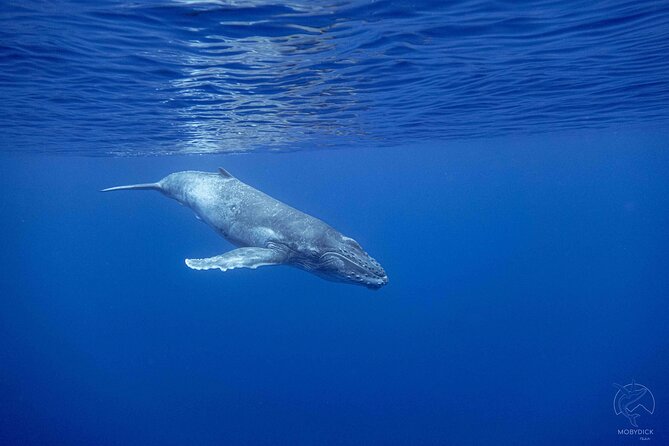
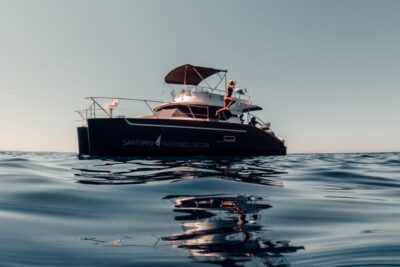
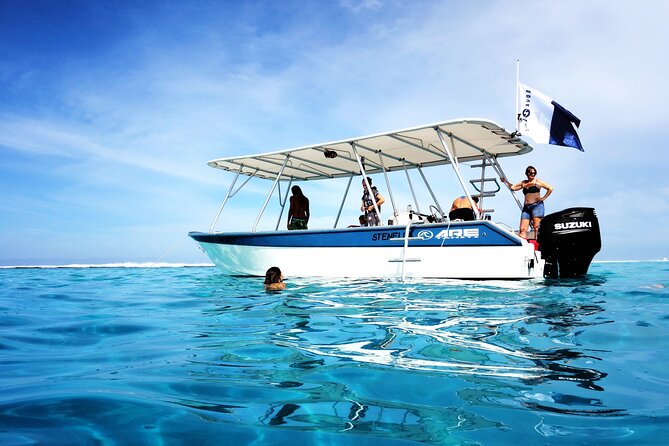
You board the Stenella, a modern 28-foot boat. The size is big enough to feel stable and comfortable, but small enough that the group stays manageable—which is key when you’re waiting for whale behavior to line up with the moment you want to swim.
You get three swimming formats:
- Boat 6 swimmers (+ observers) if you want the water time to feel personal and uncrowded.
- Boat 12 swimmers max if you’re watching on a tighter budget, with a rotation system if more people want to enter.
- Private boat for 1 to 12 passengers if you want maximum control over your day.
Why I think this matters for your experience: whale sightings can come and go fast, and the “who gets in when” plan affects how stressful it feels. A smaller water group usually means fewer interruptions in the water and more calm attention for the swimmers who do go.
One more logistical point that travelers often feel on the day: there’s no pick-up service, and boarding is immediate. Since there’s no office or changing room, you’ll want to show up ready to go.
How the guides use whale calls and strict approach rules
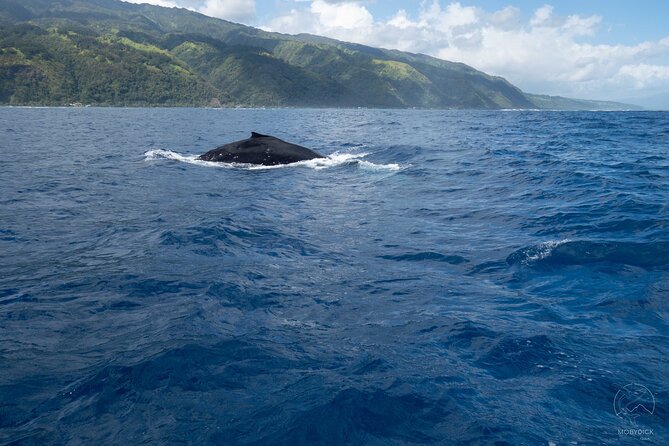
This is guided whale watching with a real conservation-and-safety framework. The guides supervise closely and authorize water entry only if conditions are right and they can follow the approach rules set by DIREN.
A standout feature is the listening system on board. It broadcasts the calls of male humpbacks, which is more than trivia—it changes how you watch. Instead of scanning randomly, you get an audio signal that suggests what’s happening underwater. Even if you don’t see a whale instantly, the sound cue helps you stay oriented.
If you go in hoping for quick, guaranteed spectacle, you might feel frustrated. But if you go in expecting a guided hunt for whales—with rules that protect them and keep the experience orderly—you’ll probably love how the day plays out.
Also, the guide can refuse swimming depending on the conditions. That’s not a “gotcha”; it’s part of how the tour keeps everyone safe and how they keep the approach within limits.
What the 4-hour trip feels like from PK27 to back ashore
The activity is listed as about 4 hours. You meet at PK 27, Paea, and the tour ends back at the meeting point.
Here’s the typical flow you should plan for:
- Arrive early enough to settle in and get briefed. The day includes gear distribution and a safety/whales briefing before you leave.
- Search the Paea–Papara area guided by whale behavior and conditions.
- Listen on board and watch for signs that whales are nearby.
- If the conditions allow, the guides authorize entry and manage the swimmers based on the approach rules.
- Head back once the allotted time is used up and conditions change.
Two practical timing notes:
- Confirmation isn’t instant; it comes within 48 hours of booking (subject to availability). If you’re juggling other Tahiti plans, don’t wait until the last second.
- Weather can change rapidly. On the water, that can affect how much time is spent searching and whether a swim is approved.
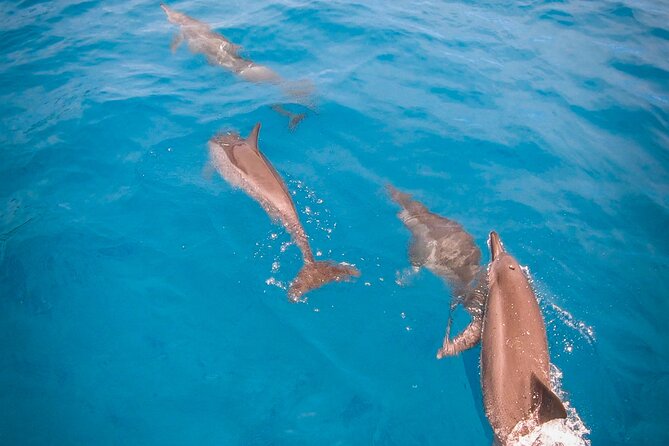
The reviews you’ll hear about this trip tend to share the same theme: when it works, it feels awe-level. You may still see dolphins or other marine life along the way on a good day, but remember that whales are unpredictable.
Swimming rules, fitness reality, and seasickness prep
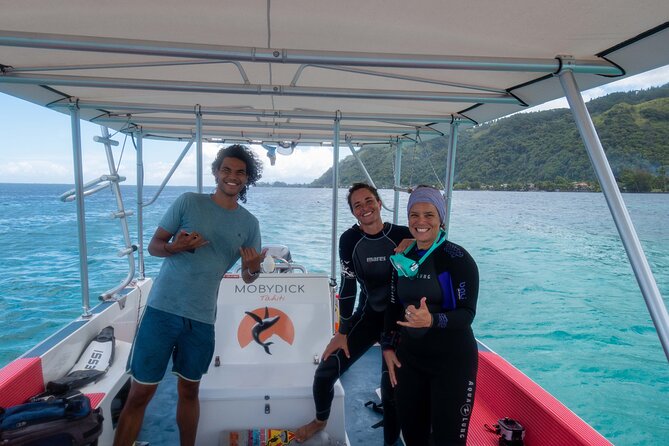
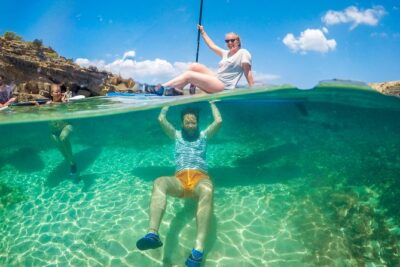
If you want to be in the water, you have to meet the swim standard. The rule is clear: you must be able to swim at least 200 meters with fins, mask, and snorkel. Children under 10 are not allowed to swim.
That requirement matters because some people underestimate what snorkeling-as-sport means in real ocean conditions. If you’re comfortable swimming laps in a pool, great—but ask yourself if you can keep pace while wearing fins and managing mask/snorkel plus open-water chop.
Also, the guide can decide not to authorize swimming. That decision is based on conditions and the whales’ behavior. So your plan should be flexible: whales are the main event, water entry is a bonus when approved.
If you’re prone to seasickness, this is one of those “take it seriously” situations. The tour notes that you should consult your pharmacist. Bring protection for sun and rain—Tahiti can switch moods quickly.
Good news: the tour provides snorkeling equipment if you don’t have your own. Still, if you’re picky about fit, bringing your own gear can improve comfort. Just don’t assume you’ll have time for last-minute swaps on-site, since boarding is immediate.




Price and value: when $205.27 makes sense
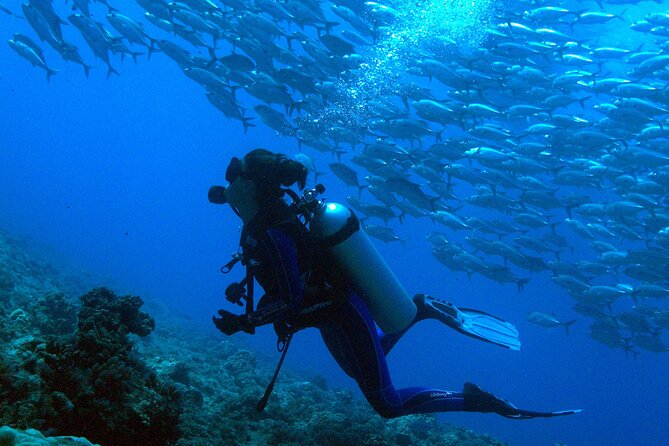
At $205.27 per person, you’re paying for a guided, small-cap group whale experience with a modern boat, an audio whale-calling system, and strict approach supervision. That’s not cheap—but it’s not random either.
You’re also buying “process,” not just a photo opportunity:
- A structured approach that tries to respect the whales’ space.
- A real chance at water entry if you meet the swim standard and conditions align.
- A guide-led experience that focuses on biology and behavior rather than only spotting distance.
Is it value-proof? No, because whale sightings and swimming are not guaranteed. But if you’re the kind of traveler who enjoys careful guiding, marine-life education, and doing things in a respectful way, the price-to-experience ratio can feel fair.
If your top priority is guaranteed swimming footage, you’ll need a Plan B mindset. Think of this as whale watching first, snorkel time if conditions allow.
Should you book this Paea whale watching tour?
Book it if:
- You want humpback whales near Paea and Papara with a guide-led, rules-based approach.
- You like the idea of hearing male calls on board and learning while you watch.
- You can swim the required distance with gear and you’re okay with possible no-water entry.
Skip it or consider another option if:
- You’re not comfortable swimming 200 meters with fins/mask/snorkel.
- You’re very sensitive to boat motion and you haven’t thought through seasickness prevention.
- You need a guaranteed swim at all costs. This tour is clear that sightings and authorized water entry depend on conditions.
One small but useful tip: arrive mentally ready for variability. The tour is weather-dependent, and your best strategy is to show up calm, prepared, and flexible—then let the whales decide the pace.
FAQ
Is a whale sighting guaranteed?
No. Whale sightings and the chance to swim are not guaranteed since humpback whales are unpredictable wild animals.
Will I be allowed to swim with the whales?
Only if the guides authorize it based on conditions and the approach rules. The guide reserves the right to refuse swimming.
How far do I need to be able to swim?
You must be able to swim at least 200 meters with fins, mask, and snorkel.
What is the age limit for swimming?
Children under 10 years old are not allowed to swim.
Does the tour provide snorkeling equipment?
Yes. Snorkeling equipment is provided if you don’t have your own.
Where do we meet, and is there pick-up?
You meet at PK 27, Paea. There is no pick-up service. The tour ends back at the meeting point.
How long is the tour?
It’s listed as approximately 4 hours.
When will I get confirmation after booking?
Confirmation is not instant. You receive it within 48 hours of booking, subject to availability.
What happens if weather cancels the trip?
If it’s canceled due to poor weather, you’ll be offered a different date or a full refund.