REVIEW · TAHITI
Diving initiation
Book on Viator →Operated by Eleuthera Tahiti Diving Center · Bookable on Viator
First time underwater, Tahiti does it gently. This two-hour small-group scuba initiation teaches you the basics for staying safe while you see colorful fish and corals up close in the warm water around Tahiti. It’s designed for true beginners, with support that stays close when you need it.
I love the tight group size—this activity caps at two students—because it usually means your questions get answered fast, not later. I also like the attention to comfort: you’re guided to feel at ease underwater, and the equipment is prepared and clean before you start.
One drawback to consider: if you’re the type who needs extra explanation before anything happens in the water, you’ll want to confirm that your instructor is giving you clear step-by-step coaching. One earlier experience shared a mismatch on explanations right before entering the water, so trust your instincts and ask questions early.
In This Review
- Key highlights you’ll care about
- Tahiti’s first-timer scuba lesson: what you’re really booking
- The 10:30 am flow and how the session stays manageable
- Safety and gear: the comfort details that make or break a first session
- What you’ll see underwater: fish, coral, and manmade reef possibilities
- Small group attention: how it feels with max two students
- Price and value: does $162.08 make sense for what you get?
- Where the meeting point matters (and how to show up ready)
- Best fit: who should book this Tahiti first-timer scuba session
- A couple watch-outs so your day stays smooth
- Should you book it? My practical verdict
- FAQ
- How long is the scuba initiation lesson in Tahiti?
- Is this activity suitable for complete beginners?
- What is the minimum age for kids?
- How many people are in the group?
- Where do I meet the instructor?
- What time does the session start?
- Is a mobile ticket used?
- Can I bring a service animal?
- Can I cancel for a full refund?
Key highlights you’ll care about
- Max 2 students for more hands-on help and quicker feedback
- Beginner-friendly lesson aiming you toward early certification skills
- Clean, ready equipment and a focus on comfort underwater
- Tahiti water as the classroom, with fish, corals, and possible manmade reef sights
- Transport communication handled well, with updates before you head out
Tahiti’s first-timer scuba lesson: what you’re really booking
This isn’t a long excursion with a “someday you’ll learn” vibe. You’re buying a short, structured scuba initiation session built around two things: safety basics and a first taste of what life looks like underwater.
Tahiti is a strong choice for a first-time try because the water is inviting, and the marine life is right there. You’re not just practicing skills in a blank tank; you’re learning in the kind of setting that makes people grin without trying.
Also, this format is intentionally approachable. The lesson is suitable for complete beginners, and it’s offered to kids over age five, so families can make it a real shared adventure rather than a “maybe someday” plan.
You can also read our reviews of more tours and experiences in Tahiti.



The 10:30 am flow and how the session stays manageable
The session runs about two hours, starting at 10:30 am, and it ends back at the same meeting point. That matters more than it sounds, because it keeps the day from turning into a half-day logistics puzzle.
Your meet-up spot is listed as C97P+J5J, Puna’auia 98713 in French Polynesia. From there, the team handles getting you ready and getting you to the water. In at least one real-world example, Nicolas handled pickup near a cruise ship pier, then it was a pleasant drive out to the marina area, so it can be fairly smooth if you’re arriving by ship.
One thing I like about keeping the schedule tight is that you’re less likely to feel rushed. You get enough time to learn what you need, then you get your underwater moment—without stretching the lesson into something tiring.
Safety and gear: the comfort details that make or break a first session
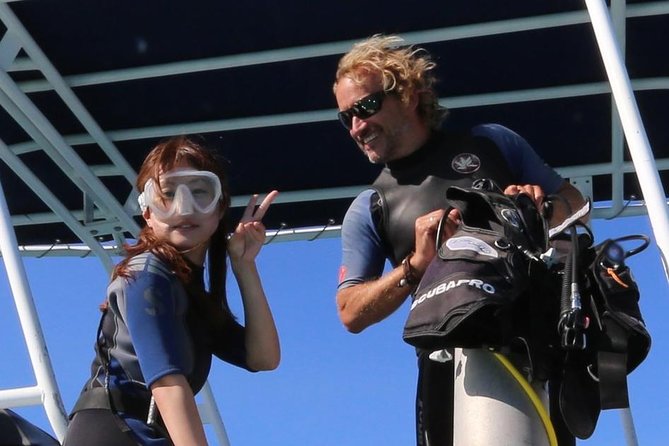
In a first-time scuba experience, safety isn’t a lecture—it’s the feeling that someone has your back. The lesson is specifically framed as beginner instruction so you can do it safely, and the goal is that you evolve toward early certification levels through proper guidance.
That theme shows up in how people describe their instructors. Many comments highlight instructors who explained things clearly and checked comfort underwater, not just “watch me, then swim.” Others praised equipment that was clean and ready, so you’re not stuck dealing with gear hassles on the spot.
Here’s the practical takeaway for you: before you enter the water, insist on clarity. If anything feels confusing—how to breathe, how to position yourself, or what to do if you feel unsure—ask right then. One earlier experience noted a lack of explanation before going in, and they felt unprepared for the equipment and sensation. That’s your warning sign to slow things down if needed.
What you’ll see underwater: fish, coral, and manmade reef possibilities
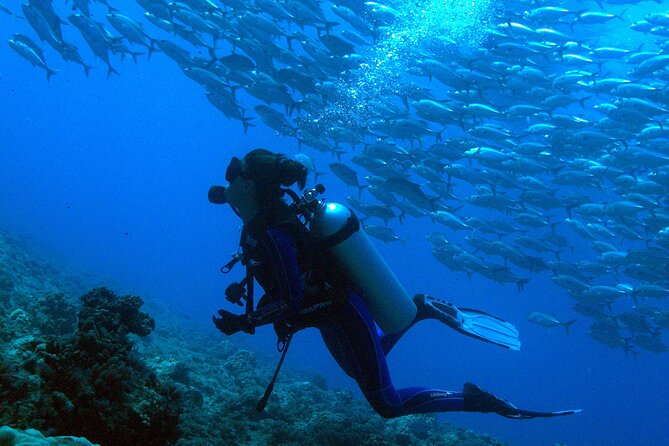
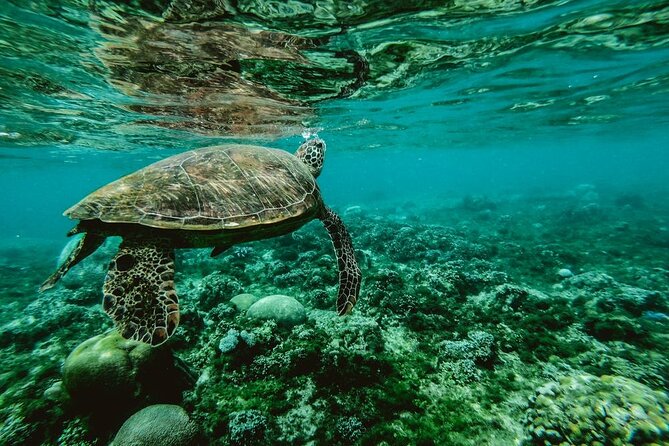
This session is built around the fun part: being weightless, surrounded by curious fish, and seeing coral close up. You’re there to experience the underwater world while learning how to handle the basics safely.
Many first-timers expect fish from far away. What you’ll likely get instead is a much closer view. The whole point of Tahiti as a learning destination is that the water is active and alive—colorful marine life within your reach, not something you only spot in a brochure.
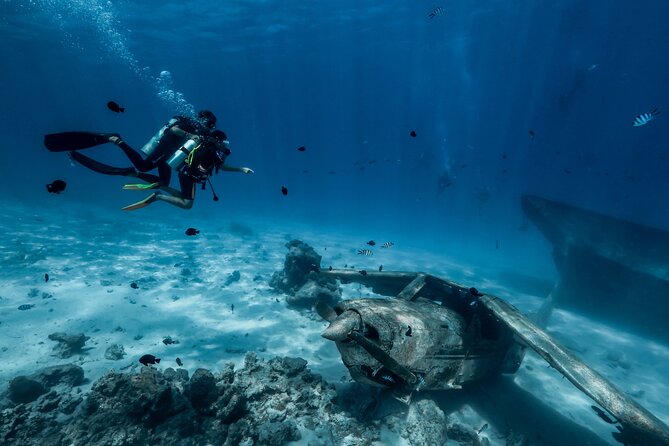
Some groups also describe seeing manmade reef areas created from wreck features, including a structure associated with a sunken wreck and a plane. If that’s part of your conditions, it’s one of the most memorable ways to make your first underwater moment feel like a real story, not just a training exercise.
A quick note: your exact sightings will depend on conditions (water visibility, currents, and what’s accessible that day). Still, the lesson is designed so you’re not left disappointed. Even when the water shifts, you should get real underwater time and real coaching.
Small group attention: how it feels with max two students
A max group size of two students is a big deal. In many activities, “small group” still means you’re sharing attention. Here, it’s closer to tutoring—your instructor can watch your comfort level, your pace, and how you’re handling the moment.
That’s why so many people emphasize instructor friendliness and comfort checks. A commonly shared theme is instructors who keep things calm and personal, making sure you’re extremely comfortable underwater. You’re not just learning; you’re being supported while you learn.
You also feel the difference in communication. Naia was mentioned for keeping people informed about transportation status, which helps you arrive less stressed. If you’re going to be on island time, it’s still nice when the team communicates clearly about what’s happening next.






Price and value: does $162.08 make sense for what you get?
At $162.08 per person for an about two-hour initiation session, the question isn’t just whether it’s affordable. It’s whether it’s good value for the kind of experience you’re getting.
Here’s how I’d judge it:
- You’re paying for instruction, not just a boat trip. The session is aimed at beginners and includes guidance that prepares you for early certification skills.
- You’re paying for comfort and reduced friction. Clean, ready equipment and a focus on feeling at ease underwater are part of the service, not extras.
- You’re paying for a small teaching ratio. Max two students usually means more attention and less uncertainty.
Is it “cheap”? No, but neither is a real first-step scuba moment. For many people, the value comes from not having to guess, not having to figure out gear, and not having to find a safe learning setup on your own.
One more small value note: this type of lesson is often booked about 27 days in advance on average. If you want a specific date, plan ahead rather than waiting for your last flexible day.
Where the meeting point matters (and how to show up ready)

You’ll start at C97P+J5J, Puna’auia 98713, and you return there at the end. That makes the experience easier to weave into your Tahiti day, especially if you’re staying nearby or you already plan to spend time around Puna’auia.
Because the instruction happens close to your start point and concludes shortly after, you don’t need to treat this like an all-day commitment. You just need to arrive ready to learn and listen.
The one thing I’d do differently than a lot of first-timers: come in with a mindset of asking questions. If you know you get anxious when you don’t understand what’s happening, say so before you go into the water. The best instructors respond quickly to that, and the lesson is built around personal comfort.
Best fit: who should book this Tahiti first-timer scuba session
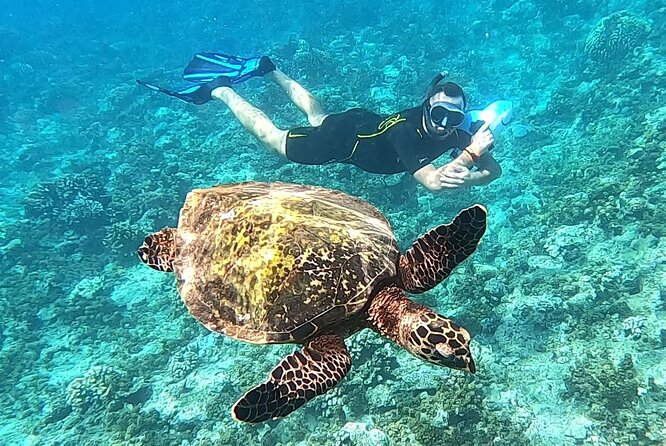
This lesson fits best if you want an underwater experience that’s structured for safety and beginners. The activity is suitable for complete beginners and kids age five and up, so it works for families who want one shared adventure that isn’t just snorkeling or watching from shore.
It’s also a good match if you like the idea of building toward early certification levels. You’re not just doing a one-off thrill; you’re learning a foundation that can lead to more advanced training later.
Finally, it’s a smart choice if you value communication and clean preparation. Several comments mention good transport communication and equipment that’s clean and ready, and those details reduce stress on your first day in the water.
A couple watch-outs so your day stays smooth
Even with a strong average rating, one potential issue popped up: some people felt the instructor didn’t explain enough before entering the water. That can be unsettling for first-timers who want everything clarified in advance.
So here’s your practical checklist:
- If you feel rushed, ask for a moment before the water.
- Tell your instructor if you’re nervous or need reassurance.
- Pay attention to how they handle your comfort cues. A good instructor will slow down and adjust.
Also, the experience is capped at two students, which is great for attention, but it can mean your schedule is more dependent on matching conditions and timing. If you have a tight itinerary, pick this for a day you can stay flexible within that roughly two-hour window.
Should you book it? My practical verdict
If you want your first scuba experience in Tahiti with real instruction, not guesswork, this is a solid pick. The beginner suitability, the max of two students, and the repeated emphasis on comfort and clear explanations add up to good value for your money.
I’d book it especially if:
- You want a first-time lesson that aims toward early certification skills
- You prefer close coaching over a crowded group
- You want the chance to see fish and coral, and possibly manmade reef features
I’d hesitate only if you know you need very detailed pre-water explanations and you’d struggle with anything that feels rushed. In that case, go in asking questions right away and choose confidence over silence.
If you want an underwater story that starts with safety and ends with you actually feeling comfortable in the water, Tahiti’s first-timer scuba initiation is a sensible way to do it.
FAQ
How long is the scuba initiation lesson in Tahiti?
It lasts about 2 hours.
Is this activity suitable for complete beginners?
Yes, it’s suitable for complete beginners.
What is the minimum age for kids?
Kids over the age of five can participate.
How many people are in the group?
The maximum group size is 2 participants.
Where do I meet the instructor?
The start meeting point is C97P+J5J, Puna’auia 98713, French Polynesia.
What time does the session start?
The listed start time is 10:30 am.
Is a mobile ticket used?
Yes, this activity uses a mobile ticket.
Can I bring a service animal?
Yes, service animals are allowed.
Can I cancel for a full refund?
Yes. You can cancel up to 24 hours before the experience’s start time for a full refund. If you cancel less than 24 hours before, the amount paid won’t be refunded.