REVIEW · TAHITI
Half Day Whale Watching in a Small Shared Group
Book on Viator →Operated by Tahiti Ocean Adventures · Bookable on Viator
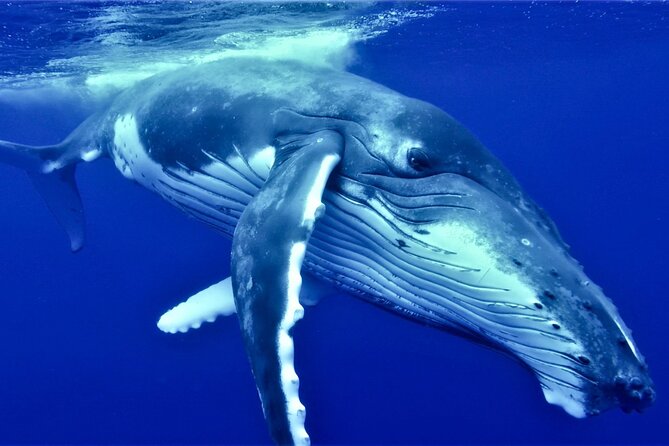
One good whale sighting can change a morning. This half-day whale watching trip off Tahiti aims for intimate, low-stress encounters with humpbacks, using a max group of 6 and a respectful approach from the start. I also like that you get practical extras for a shorter outing: snacks, fresh fruit, and drinks, plus snorkeling equipment if conditions allow. The main thing to keep in mind is that whale trips depend on weather, so your exact time on the water may shift.
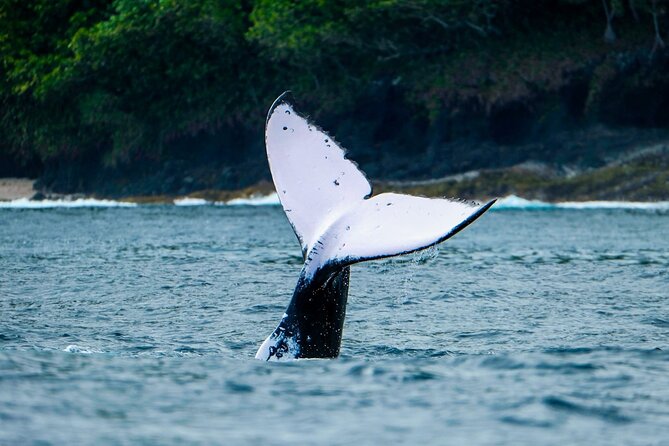
Tahiti’s humpbacks arrive after a long migration from Antarctica, and here in Tahiti they come to breed, give birth, and rest. You’ll spend about 4 hours with a crew focused on safety and on how these whales use the water around you. There’s also a learning piece built in, with your guides sharing why the animals come inshore and what protection efforts are underway.
In This Review
- Quick reasons this Tahiti whale watch works
- The 4-hour flow from Ārue Stadium to whale time
- Small-group whale watching: why max 6 changes everything
- The boat experience on POTI MARARA
- What you’re likely to do once whales are spotted
- Snorkeling with humpbacks and the reef bonus
- Learning about humpbacks: migration, breeding, and protection efforts
- Price and value: is $236.85 worth it?
- Getting comfortable: what to bring and how to prepare
- Weather reality and what to do if plans change
- Should you book this Tahiti whale watching trip?
- FAQ
- Where does the tour start and where does it end?
- How long is the whale watching tour?
- How many people are on the boat?
- What’s included during the tour?
- Do I need to bring my own snorkeling gear?
- What fitness level is needed?
- Is free cancellation available?
Quick reasons this Tahiti whale watch works
- Max 6 passengers keeps the vibe calm and reduces crowding around the whales.
- POTI MARARA is a classic Polynesian-style fishing boat, not a giant platform.
- In-water snorkeling may be possible, and gear is provided if you want it.
- Snacks, fresh fruit, and drinks mean you’re not running on an empty stomach.
- Crew-led safety and respectful approach helps you see whales without harassing them.
- You learn whale basics (migration, behavior, and local conservation) during the trip.
The 4-hour flow from Ārue Stadium to whale time
The tour starts at Ārue Stadium in Arue, and it ends back at the same meeting point. Plan for an easy half-day: you’re not committing to a full day at sea, and you’re not trying to “schedule your entire vacation” around one outing. It’s a good match if you’re juggling beach time, dinner reservations, and the reality that humpback sightings can’t be forced.
Once you board, the ride out is exactly what you’d expect on a smaller boat in open water. You’ll want to come ready for some motion, even if conditions are decent. The trip is designed to keep you comfortable and safe while the crew searches for whales and prepares the approach.
Timing is also part of the strategy. This experience is built around a focused window—about four hours—so you get a clear “this is the whale slot” day. That helps a lot if you’re not staying long in Tahiti or you want a couple of bite-sized adventures instead of one big gamble.
You can also read our reviews of more tours and experiences in Tahiti.



Small-group whale watching: why max 6 changes everything
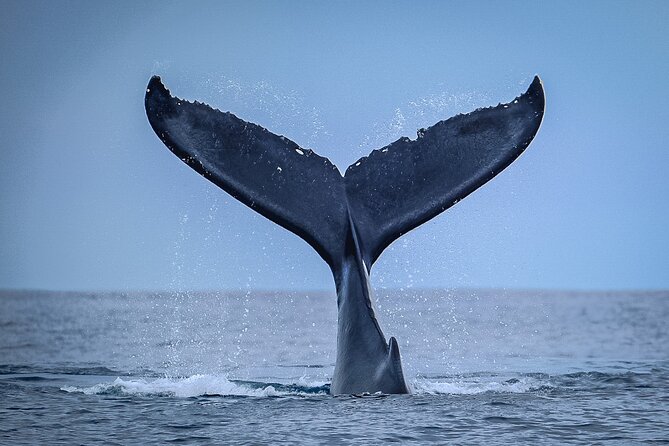
Here’s the practical magic of this tour: you’re limited to 6 passengers. On a boat, group size affects everything—how crowded the deck feels, how many people are in the water at once, and how smoothly the captain can maneuver. A smaller group also tends to make it easier for your crew to manage safety when whales are near.
In this case, the operator is explicitly going for a relaxed, warm, friendly atmosphere with an attentive crew. That matters because whale encounters aren’t just sightseeing. You’re sharing space with large marine mammals, and the goal is to observe without turning the moment into chaos.
What I especially like is the way the crew uses that size limitation to encourage a more respectful, less intrusive approach. It’s not just “fewer people,” it’s the intent behind how the encounter is handled. If you’re the kind of traveler who likes quiet watching, this is the style that fits.
And if you’re worried about missing out because you’re not in a giant group rotation system: the “small on the boat” setup is the whole point. You’ll feel more like a small party on a boat than part of a conveyor belt.
The boat experience on POTI MARARA
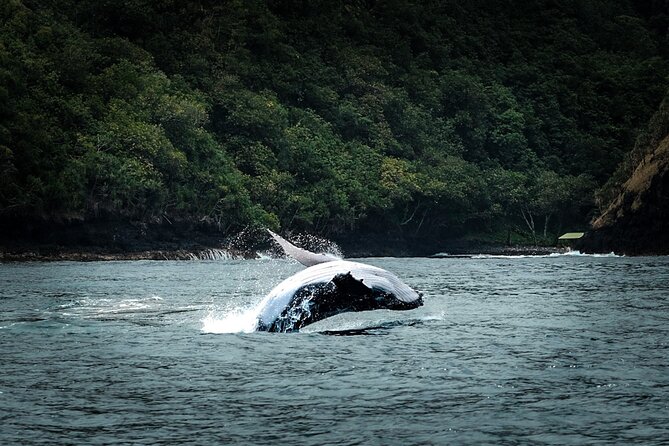
This trip boards the POTI MARARA, a fishing boat with a typical Tahitian design. That doesn’t sound like the key detail, but on a whale outing it can make a real difference. Smaller, local-style boats often feel more natural for the water and wind—less like you’re on a theme-park ride, more like you’re out with a working ocean craft.
You’ll also notice the crew focuses on safety and on timing when they spot whales. Multiple guide stories mention slow, careful approach behavior, which is what you want when humpbacks are nearby. When your captain moves deliberately, you spend less time “thrashing toward the action” and more time letting the whales do what whales do.
If you’re sensitive to sun or spray, bring simple protections (hat, sunscreen). A small boat won’t hide you from the elements. Still, it’s part of the charm: you’re out there, and the ocean is part of the experience.
What you’re likely to do once whales are spotted
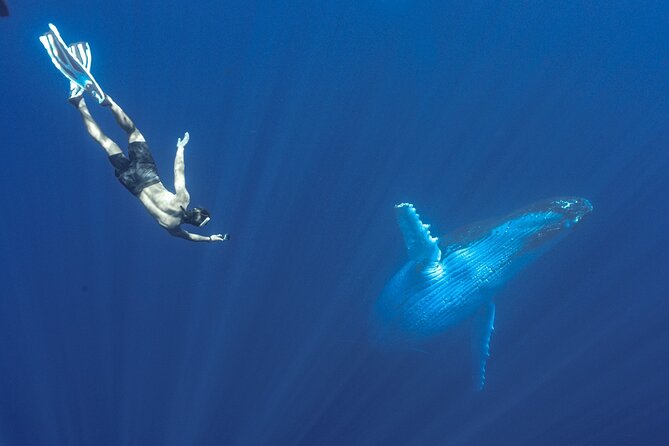
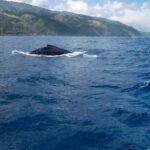
The booking promise is about humpbacks in Tahiti waters, and the trip is structured around observation plus, when possible, time in the water. Since the goal is respectful viewing, how long you spend at any one moment depends on the whales’ behavior and on conditions.
Expect the crew to:
- watch and approach slowly when a whale is in view
- keep your group organized on deck
- adjust plans if the sea state changes
- offer snorkeling gear when the timing works
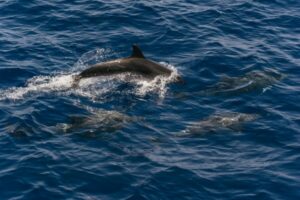
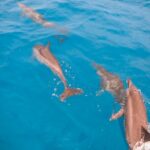
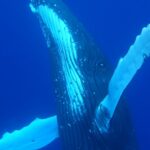
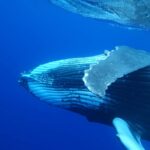
Some whale encounters can be mostly visual—watching a giant pass by calmly. Others include more active moments. One of the standout themes from guide-and-captain feedback is that the whales can feel astonishingly close, especially when you’re allowed to swim near them.
Snorkeling equipment—palms, mask, and snorkel—is available if you want to use it. You won’t be forced into the water, but you should have the option if you feel comfortable. The key is that the crew decides when it’s appropriate, both for your safety and for the whales.
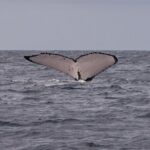
And if you’re lucky, you might see more than one humpback during the trip. The experience is set up for that possibility, not just a single “spot and go” moment.
Snorkeling with humpbacks and the reef bonus
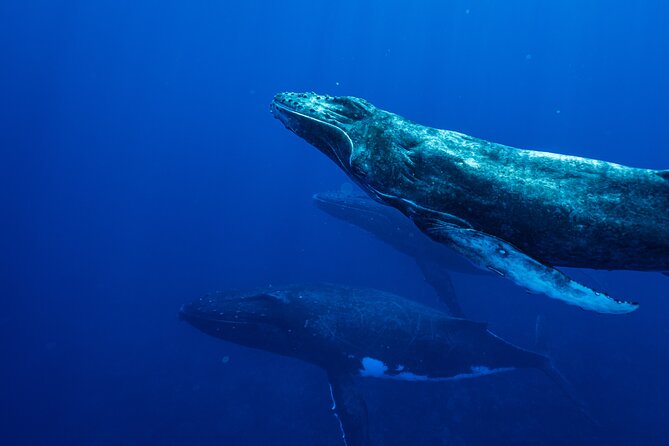
Snorkeling is optional, but it’s part of what makes this outing feel more than just a boat ride. Having your gear provided saves hassle. It also means you don’t have to spend vacation time hunting down rentals in advance.
I’d treat snorkeling as a “maybe,” not a guarantee. You’re out on open water, and conditions matter. Still, the tour explicitly includes snorkeling gear, and the operator builds in safety considerations for in-water time if it’s feasible.
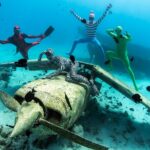
Some trips also end with additional water time around a reef area, with sightings that can go beyond whales. That’s not something I’d count on every day, but it’s a nice way to turn a whale-focused outing into something that feels varied.
If you’ve never snorkeled in open water, remember this: even in calm conditions, you’re swimming near ocean currents and bigger bodies. Go slow, keep your movements controlled, and listen to the crew. Your best whale experience is the one that keeps you relaxed.


Learning about humpbacks: migration, breeding, and protection efforts
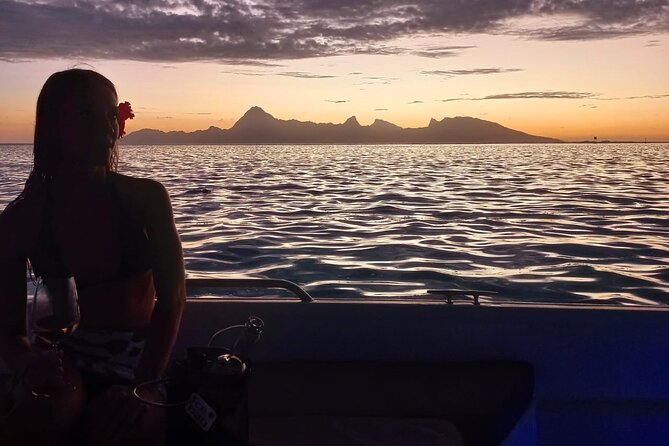
This isn’t only a “find the biggest animal” tour. The crew shares context on how humpback whales interact with their environment and why they migrate into Tahiti waters. That matters because it changes how you watch.
When you understand that humpbacks come to Tahiti to breed, give birth, and rest, you stop treating the encounter like random wildlife tourism and start recognizing a key part of their annual cycle. You’ll also hear about efforts being made to protect humpbacks in the region, which gives you a more grounded sense of why this meeting matters.
The best kind of whale watching is part science, part wonder. The guides aim for both—education delivered in a way that fits the moment. And since this is a small group, there’s more room for your questions than in a larger, louder setup.
Guides you may meet include Nathan, Vehiatua, JB, Oneal, Seline, and Solenne. Hearing a guide you click with can make the whole trip feel smoother, even if you’re simply waiting for the next exhale from a whale.
Price and value: is $236.85 worth it?
At $236.85 per person, this isn’t the cheapest way to see whales. The value here comes from a few practical buckets:
- Small group size (up to 6), which usually means less crowding and more careful handling
- 4 hours on the water—enough time to find whales without consuming your whole day
- Snacks, fresh fruit, and drinks included, so you don’t add extra costs
- Snorkeling equipment provided, which saves rental time and money
- Crew-led safety and respectful approach, which affects both the experience and your comfort
If you’ve compared whale tours that look similar on paper but run like large-group operations, this one’s price makes more sense. You’re paying for a style: calmer, more controlled, and more focused on how close the whales can safely and respectfully get to you.
My take: if you care about the experience feeling personal rather than rushed, this price starts to look fair. If you’re purely budget-driven and don’t care about group size or in-water time, you might decide differently.
Getting comfortable: what to bring and how to prepare
The tour calls for moderate physical fitness. That likely means you can handle getting on and off a boat, moving around deck space, and being in the water at least briefly if you choose snorkeling. If you get motion sick easily, consider planning carefully—small boats still move.
For practical prep, bring:
- sunscreen and a hat (sun on open water adds up fast)
- a light layer for wind and spray
- swimwear and a towel
- any basic seasickness aid you trust
- water shoes or sturdy footwear if you prefer extra grip
You’ll be served water and juice, plus snacks and fresh fruit, so you don’t need to pack a full day’s food. Still, it’s smart to eat a normal breakfast before you go, because half-day tours often feel longer once you’re out on the water and waiting for whales to surface.
If you plan to snorkel, try to keep your expectations simple. Focus on calm breathing, staying close to the crew’s guidance, and watching without frantic kicking.
Weather reality and what to do if plans change
This experience needs good weather. If weather makes it unsafe or impractical, you’ll be offered a different date or a full refund. That’s important because it means you’re not betting your trip on perfect ocean luck without options.
Also note the general cancellation terms: free cancellation up to 24 hours before the experience. After that cut-off, the amount paid may not be refunded. It’s a good idea to check weather forecasts as your tour day nears and keep your schedule flexible if you can.
If you’re traveling during a season with changeable conditions, consider booking early enough that rescheduling is possible.
Should you book this Tahiti whale watching trip?
Book it if you want intimate whale watching in Tahiti with a small-group setup and the option to snorkel. I think it’s a strong fit for couples, solo travelers who like quiet, and families or friends who want the boat experience to feel calm and organized rather than chaotic.
Skip it (or treat it as a flexible plan) if you’re highly weather-sensitive, hate open water motion, or you only care about cheap tickets rather than the way the crew manages the encounter. At this price, you’re paying for the “less intrusive, more personal” style, and that style won’t matter if your priority is only cost.
If you can handle moderate fitness and basic sea conditions, this is the kind of whale tour that gives you a shot at more than just a distant view—plus a crew that clearly aims to keep the moment respectful.
FAQ
Where does the tour start and where does it end?
The tour starts at Ārue Stadium (FFF8+XVV, Arue, French Polynesia) and ends back at the same meeting point.
How long is the whale watching tour?
The duration is about 4 hours.
How many people are on the boat?
The maximum group size is 6 travelers.
What’s included during the tour?
Snacks, fresh fruit, and drinks (water and juice) are served. Snorkeling equipment (palms, mask, snorkel) is also available if needed.
Do I need to bring my own snorkeling gear?
No. Snorkeling equipment is provided if you want to use it.
What fitness level is needed?
Travelers should have a moderate physical fitness level.
Is free cancellation available?
Yes. You can cancel up to 24 hours in advance for a full refund. The experience requires good weather, and if it’s canceled due to poor weather, you’ll be offered a different date or a full refund.