REVIEW · TAHITI
Respectful whale excursion to Tahiti in 4h30
Book on Viator →Operated by Tahiti By Boat · Bookable on Viator
Whales can be elusive, but the search is unforgettable. This Tahiti by Boat trip turns whale watching into a hands-on day on the water, with a max of 12 passengers and a guide focused on respectful behavior around humpbacks. I love the small-boat feel and the way guides like Moana, Israel, and Remi keep the group calm and organized while they work the whale area.
I also like that you get more than whale spotting: tropical fruit, snorkeling equipment, and time in the lagoon. The trade-off is simple: humpback sightings are not guaranteed, and when conditions are tough (or whales are moving), the day can feel more like long search time than close-up swimming.
In This Review
- Key Things You’ll Notice Right Away
- A 12-Passenger Boat Is the Real Upgrade
- Papeete Timing: Two Departures, One Plan
- Dolphins Then Offshore Search for Humpbacks
- When the Crew Says It’s Safe to Go In
- Snorkeling in the Lagoon: Fish Time and Breathing Room
- Drinks, Fruit Platters, and That Small-Boat Comfort
- Respect for Wildlife: Why This Tour Feels Different
- Price and Value: Is It Worth $222?
- Small-Group Pros (and a Few Red Flags to Watch)
- Who This Tour Fits Best
- Should You Book Tahiti By Boat?
- FAQ
- How long is the whale excursion?
- Are humpback whales guaranteed?
- What snorkeling equipment is included?
- Does the tour offer pickup?
- What time does the tour leave Papeete?
- What if the weather turns bad?
Key Things You’ll Notice Right Away
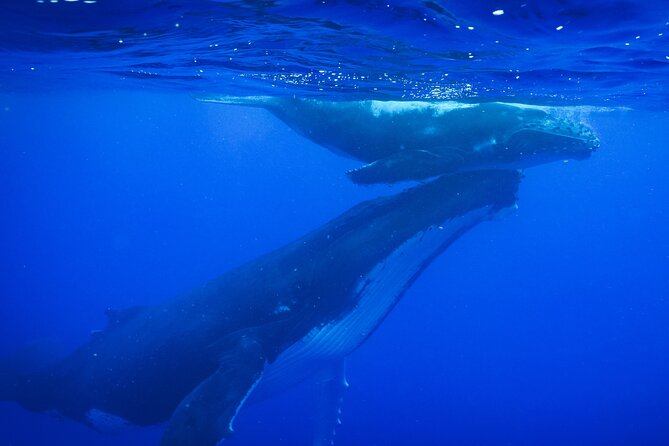
- Small group, max 12: fewer people means easier movement on the boat and a more personal vibe.
- Guides who follow the animals’ rules: the tone stays calm and respectful around humpbacks.
- Dolphins first: you’re not just waiting offshore in silence.
- Snorkel gear and buoy support included: fins, mask, snorkel, life jacket, plus floating noodles and a buoy for kids.
- Swimming is weather- and whale-dependent: if conditions permit, you may get a chance to enter the water.
A 12-Passenger Boat Is the Real Upgrade
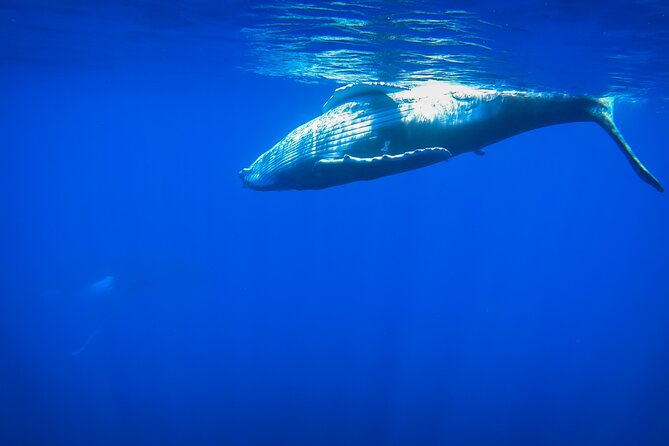
On this kind of whale trip, your experience depends on how the day is managed once you’re out there. I like that you’re on a small boat (up to 12 passengers) instead of a crowded cattle-car. That matters when the crew is coordinating directions, spacing, and when people get ready to swim.
It also tends to make the guides’ job easier. When you have fewer bodies to check on, safety becomes more practical, and you feel less like you’re part of a mass event and more like you’re out with a team.
You can also read our reviews of more tours and experiences in Tahiti.



Papeete Timing: Two Departures, One Plan
You typically leave from Papeete Marina either at 7am or 12pm, depending on your schedule. Expect the whole outing to run about 4 to 5 hours, with time split between searching, animal-watching, and a final lagoon swim/snorkel stop if the day allows it.
That mid-day versus morning choice isn’t just a convenience issue. Morning departures can feel more energetic and bright, while afternoon trips can bring changeable sea conditions—so pack for sun and wind and don’t assume it’ll stay perfect.
Dolphins Then Offshore Search for Humpbacks
The day begins with dolphin watching in the lagoon, before heading offshore. That first step is smart because it gives you something marine and exciting right away, instead of starting your trip with pure waiting.
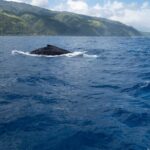
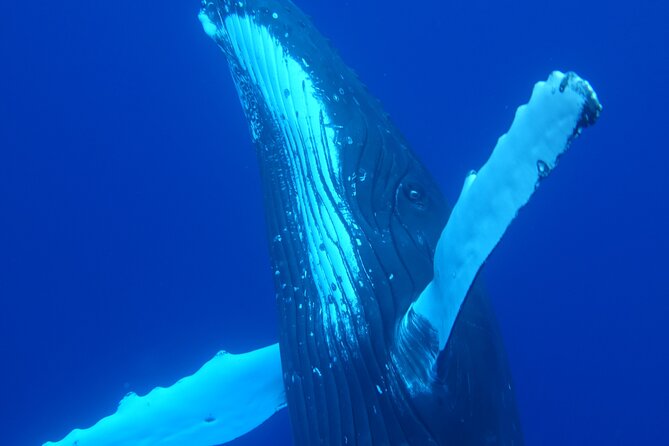
Then comes the longer part: going offshore to look for humpback whales. The goal is to locate whales, track their movement, and (if conditions allow) get into position for a close observation. In the best moments, guides can predict surfacing and shift the group quickly, which is exactly what people praise most.
And yes, that whale part has a catch: it’s wildlife. Even with good guidance, humpbacks can stay spread out or dive deeper, so you might spend more time searching than you expected.
When the Crew Says It’s Safe to Go In
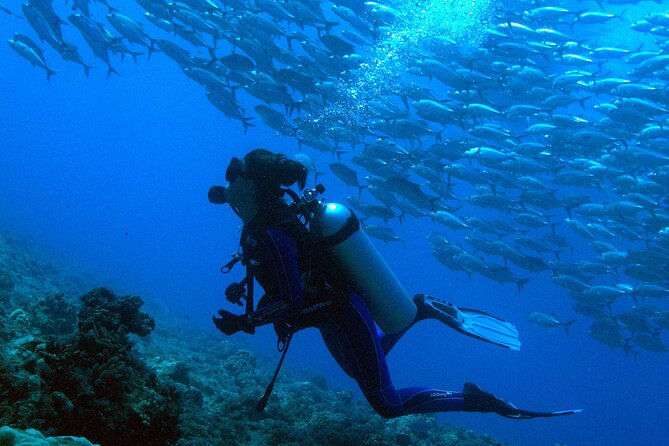
If conditions permit, you may get the chance to go into the water to observe whales in their natural environment. The wording is important: this is not a guaranteed swim, and it’s dependent on the sea state and the whales’ behavior.
What I like is the emphasis on respectful distance and controlled timing. In positive experiences, the crew has been described as managing the moment carefully—one featured account even noted an assisted setup with a rope linked to a buoy so swimmers could safely coordinate getting close.
You should also take the physical requirement seriously. The tour indicates a strong physical fitness level, and swimming effort can be real, especially when waves are active. If you’re not comfortable swimming in open water or around movement in the ocean, it’s wise to plan for the possibility of staying on the boat.
Snorkeling in the Lagoon: Fish Time and Breathing Room
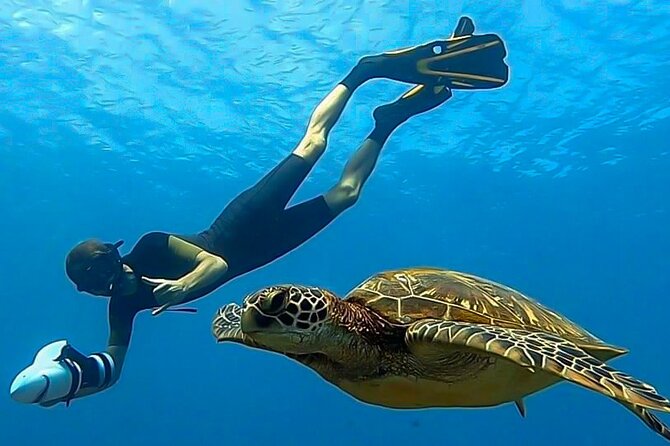
After the whale search, the day usually ends with fruit, refreshments, and snorkeling time in a lagoon area. You’ll be given fins, a mask, a snorkel, and a life jacket, plus floating support like noodles and buoys for children.
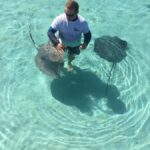
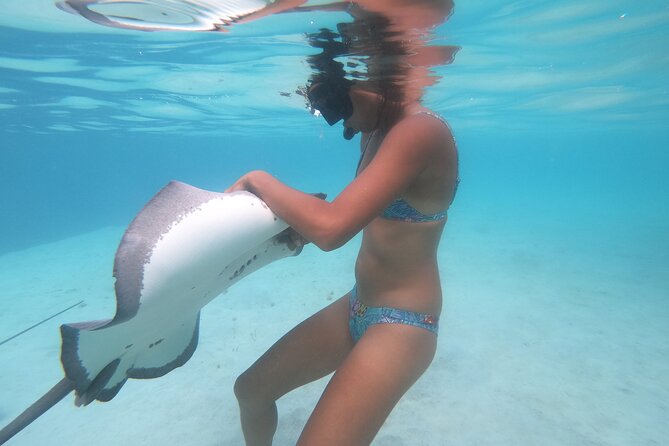
This stop is valuable even on trips where whales don’t show well. It gives your day a clear payoff, and it’s a different kind of Tahiti wildlife experience—tropical fish in shallow, clear water. One review specifically called out sting rays during the final lagoon portion, which is a nice reminder that the ocean has surprises beyond whales.
One practical note: towels are not included. Bring one (or plan to dry off later) so you’re not stuck with damp clothes after the snorkel portion.




Drinks, Fruit Platters, and That Small-Boat Comfort
You’re not just watching and hoping. You get local fruit platters, bottled water, and fruit juice, plus local beer as part of the included drinks. People also mention rum punch at the end, so you can expect the final stretch to feel like a relaxed reset, not a rushed sprint to the dock.
Food and drinks matter more on water excursions than they do on land tours. When you’re out for hours and the sun hits, having something cold and sweet after the whale search helps you feel human again, not just windburned.
Because the group stays small, the pace tends to feel easy. You’ll spend less time waiting for everyone to board or sort gear, and more time focused on what you came for.
Respect for Wildlife: Why This Tour Feels Different
Some whale tours turn into a free-for-all chase. This one is positioned as a respectful experience, and the best accounts highlight exactly that: calm behavior around humpbacks and attention to the whales’ space and timing.
That approach isn’t just a feel-good slogan. When crews manage distance and timing well, swimmers have a better chance of getting an encounter that doesn’t turn chaotic. One of the strongest themes in the feedback is how experienced captains and guides were at keeping customers safe while still giving a real chance to witness whales up close.
If your personal travel style is about responsible nature experiences, this part is a big reason to consider booking.
Price and Value: Is It Worth $222?
At $222.11 per person, this excursion sits in the mid-to-upper range for Tahiti boat experiences. The value question is really about what you receive for that money, and how you feel if whales don’t show.
Here’s what you get: a small-capacity boat, guided dolphin and whale watching, snorkeling equipment (including flotation support), snacks and drinks, and the chance to go in the water if conditions allow. In other words, you’re paying for both the whale mission and a full ocean package, not just a ride and a promise.
But you should also price in the uncertainty. Multiple accounts mention days without whales or limited sightings. That’s not a “scam” situation—it’s the nature of whale watching—but it does mean you need realistic expectations. If your priority is a guaranteed swim with a whale, no operator can offer that.
For me, the value feels best if you’re the kind of traveler who enjoys the search, loves marine life, and would still enjoy snorkeling and the boat ride even if the whales stay out of reach.
Small-Group Pros (and a Few Red Flags to Watch)
Most of the praise centers on a few themes: professional, friendly crew, effective guidance during the search, and the feeling that the whales are treated with care. Many positive experiences also highlight that the guides could help swimmers get close safely, while keeping the experience organized for the group.
Still, I’d plan smart based on the less-perfect reviews. A couple of people reported:
- No whales spotted after hours at sea
- Inconsistent communication or language clarity
- Lack of clear safety briefing before entering the water
- Issues tied to group management on certain departures
You can’t control the whales. But you can reduce your chance of a frustrating day. I suggest you do a quick check with the crew before anyone enters the water: ask what the plan is, what the safety rules are, and how the group will move if conditions change. If language is a concern, ask whether the guide can explain instructions in your preferred language before you gear up.
Who This Tour Fits Best
This tour is a strong match for:
- You want a Tahiti whale excursion without a huge crowd
- You enjoy snorkeling and would enjoy the lagoon stop even if whales are limited
- You care about respectful wildlife behavior and calm crew management
- You’re comfortable swimming or you’re at least okay staying on the boat if sea conditions aren’t right
It may not be the best choice if:
- You need guaranteed humpback sightings or a guaranteed swim (that’s not how this works)
- You’re easily stressed by changing ocean conditions
- You prefer rigid schedules no matter what the sea does
If you’re on the fence, think about your second-best plan. If whales don’t happen, would you still enjoy dolphins, snorkeling, fruit, and a small-boat day out of Papeete? If yes, this makes sense.
Should You Book Tahiti By Boat?
I’d book it if your idea of an ideal Tahiti day is time on a small boat, dolphin spotting, snorkeling with included gear, and the genuine possibility of swimming in humpback territory when conditions allow. The standout strength here is the combination: small group + guides who focus on respectful behavior + a full ocean day, not just a whale hunt.
Skip it or choose another option if you’re the kind of traveler who will be disappointed by hours of searching. Also, if you’re not a strong swimmer, treat the “chance to go in the water” as optional, not assumed, and be prepared to enjoy the view from the boat.
My practical takeaway: book if you’re flexible about wildlife and you want the calmer, more personal version of Tahiti whale watching.
FAQ
How long is the whale excursion?
The trip runs about 4 to 5 hours (approx.). It includes time departing by boat, searching for marine life, and a final snorkeling and refreshments stop.
Are humpback whales guaranteed?
No. The chance to meet and observe whales depends on wildlife presence and conditions, so you should go in knowing sightings are not guaranteed every time.
What snorkeling equipment is included?
You get snorkeling gear including fins, a mask, snorkel, and a life jacket. Floating noodles and buoy support for children are also included.
Does the tour offer pickup?
Pickup is offered, and the activity uses a meeting point in Faaa for the Tahiti by boat start. The exact pickup details depend on your booking.
What time does the tour leave Papeete?
Departure is at either 7am or 12pm, based on your tour schedule. The activity returns to the same meeting point.
What if the weather turns bad?
The experience requires good weather. If it’s canceled due to poor weather, you’ll be offered a different date or a full refund.
If you tell me your travel month and whether you’re a confident ocean swimmer or plan to stay on the boat, I can help you judge how likely this will feel like a win for your trip.