REVIEW · TAHITI
Découvrez le Mana durant la traversée de Tahiti en 4×4 Safari
Book on Viator →Operated by Te Mana Tahiti Tours · Bookable on Viator
Mana waits in Tahiti’s jungle roads. On this 4×4 crossing of Tahiti Nui, I love the access to Vaihiria Lake and the chance to swim at a cultural water point. The trade-off is that the road gets seriously bumpy, so bring a towel and plan for jostling.
Your guide steers the day into Tahiti’s center, where Maohi culture and hands-on plant stories make the scenery click. With a small group (max 8), you get real conversation, plus plenty of photo stops and fruit breaks over about 7 to 8 hours.
In This Review
- Key highlights at a glance
- Tahiti Nui by 4×4: What the Inner Island Experience Really Feels Like
- Your 4×4 Safari Truck: Sitting Options and the Bumpy-Ride Truth
- From Pickup to Sacred Water Point: The First Half of the Crossing
- What your guide focuses on
- Waterfalls, Viewpoints, and Plant Stops: How the Tour Keeps Moving
- Vaihiria Lake: The Big Interior Payoff (Largest Natural Lake on Tahiti)
- Lunch on Your Terms: What Happens Since Lunch Isn’t Included
- What I recommend you pack
- The Natural Swim and River Reality: Gear That Actually Helps
- About toilets
- Your Guide Matters: Rainui and Hotu, and Why the Stories Feel Local
- Weather, Timing, and When the Day Might Change
- Price and Value: Why About $140 Can Make Sense for This Tour
- Who Should Book This Tahiti Nui Crossing Safari (and Who Should Skip It)
- Should You Book Te Mana Tahiti Tours for the 4×4 Crossing?
- FAQ
- How long is the 4×4 Safari crossing tour on Tahiti Nui?
- Does the tour offer pickup?
- Is lunch included?
- Is swimming included?
- What should I bring for the swim and rain?
- How rough is the ride?
- How many people are in the group?
- Does the tour run in rainy weather?
Key highlights at a glance
- Access to Vaihiria Lake via the kind of road you can’t reach on a normal day tour
- Swim at a cultural water point as part of the Mana experience
- Photo-first pacing with viewpoints, rivers, waterfalls, and time to stop
- Bumpy 4×4 reality with tips that make it tolerable (even fun)
- Guides like Rainui or Hotu who mix humor with Maohi roots and local uses of plants
Tahiti Nui by 4×4: What the Inner Island Experience Really Feels Like
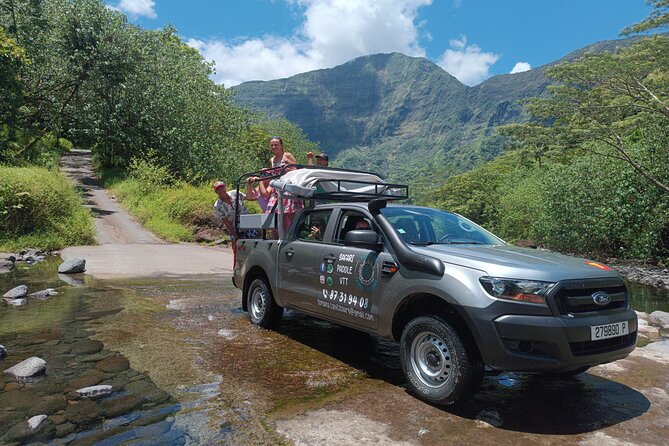
This is the kind of Tahiti tour that changes your brain’s map of the island. Instead of focusing only on the coastline, you get pushed deep into the green heart of Tahiti—valleys, rivers, waterfalls, and plants that feel like they belong to an older, wilder world.
The word you’ll hear a lot is Mana, and the idea here is more than a slogan. Your guide frames what you see through Maohi roots—ancestors’ energy, sacred places, and how local people read the land. It turns “pretty scenery” into “I get why this place matters.”
You can also read our reviews of more tours and experiences in Tahiti.

Your 4×4 Safari Truck: Sitting Options and the Bumpy-Ride Truth
Let’s talk comfort honestly. The road is really bumpy, with potholes and sections that stay rough for stretches. If you’re expecting smooth seating like a city bus, you’ll be unhappy fast.
Here’s how to handle it:
- Bring a folded towel to sit on (one of the best practical tips from past outings).
- Wear clothes you’re fine with getting wet or dusty.
- If you’re more comfortable standing than sitting, you may be able to stand in the back of the truck (when safe and allowed), but you should be ready to grab onto the metal bars for stability.
It’s still worth it for most people. Many guides drive carefully, and the vehicle has microphone/loudspeakers for explanations. You’ll feel the jostle, but you also get close to the action—rain squalls, misty views, and waterfall spray that you’d never catch from a road pull-off.
From Pickup to Sacred Water Point: The First Half of the Crossing
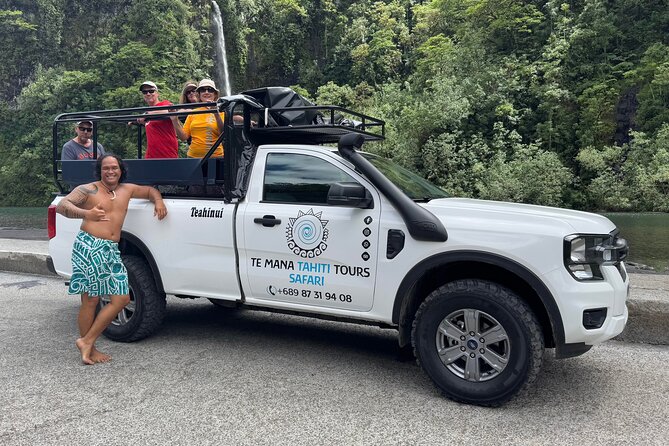
You start early, with pickup time typically confirmed the day before your tour, and the tour begins around 8:00 am. Once everyone’s aboard, your guide starts the day by showing you Tahiti’s center—lush vegetation, rivers, waterfalls, and the kind of fauna/flora you don’t see from a resort veranda.
Then comes a big moment: a planned swim at a cultural water point, described as filled with Mana. Even if you treat it as a refreshing dip instead of a spiritual rite, it’s still a standout. The water is natural, the setting is wild, and it’s one of those “this is why we came inland” moments.
What your guide focuses on
You’re not just riding. Your guide talks about:
- the Maohi people and their roots
- how plants are used locally
- sacred places you pass or stop near
- why certain viewpoints matter
You’ll also get photo time built in—because the valleys, waterfalls, and plant life don’t look real if you only glance while passing.
Waterfalls, Viewpoints, and Plant Stops: How the Tour Keeps Moving
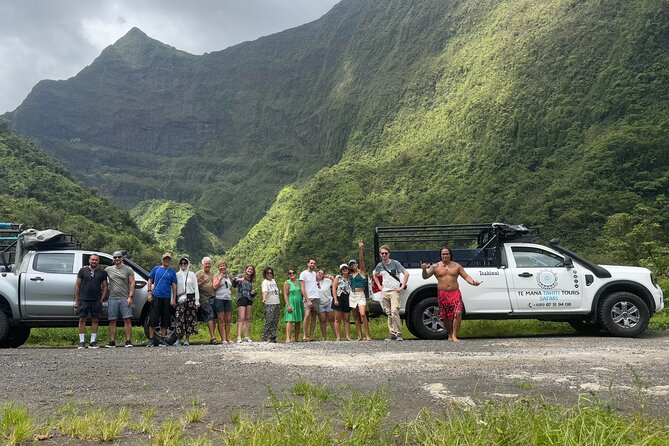
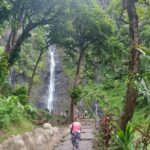
The pace is designed to balance driving time with stops that actually let you see what’s around you. You can expect multiple photo stops for waterfalls and viewpoints. Some guides also slow down for the little details—how plants grow in certain spots, where rivers carve their way, and what the land’s doing after rain.
A practical note: this is nature-focused, and you’ll meet insects. You’ll want insect repellent and you’ll want long-enough coverage that you’re not swatting the whole day.
Also, expect weather changes. The experience runs in good weather and rainy weather, so you shouldn’t plan on a fully sunny day. Bring what you need to stay dry and keep filming your views anyway.





Vaihiria Lake: The Big Interior Payoff (Largest Natural Lake on Tahiti)
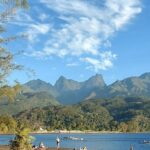
One of the core reasons to do this tour is access to Vaihiria Lake, described as the largest natural lake on Tahiti. You’ll reach it via the kind of route that only works with 4×4 driving and a guide who knows where to go.
This is the moment where the “inner island crossing” label starts making sense. The coast is pretty, sure. But inland, you get wide-open water views framed by mountains and the textures of rivers and vegetation. It feels like you traveled somewhere that doesn’t belong on a day-trip map.
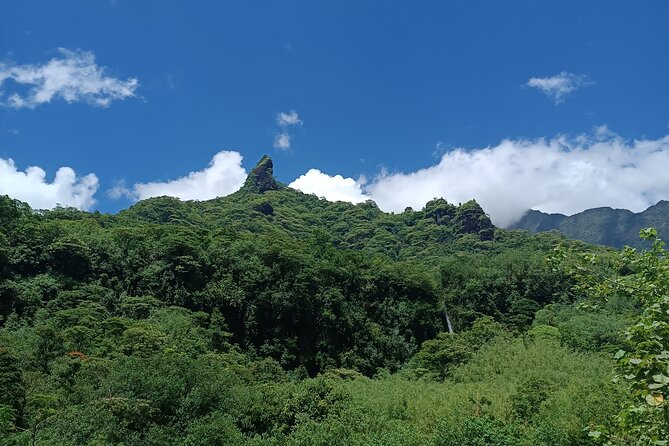
You may also pass through valleys and mountain roads that feel like they were built for off-road vehicles only. In rough seasons, the day can be adjusted by river conditions, so you might not always get every crossing attempt—but the inland views and stops are still the point.
Lunch on Your Terms: What Happens Since Lunch Isn’t Included
Lunch is not included, and that changes how you should plan your day. You have two options:
- stop at a store or snack place and buy lunch
- bring your own lunch from the start
You’ll still get food moments. Guides typically offer seasonal fruit tasting with a cold drink during the second part of the crossing. Some outings also include a picnic-style setup with fruit or banana bread, but you should think of it as a pleasant extra, not a guaranteed restaurant meal.
What I recommend you pack
Bring something that won’t melt and isn’t a pain to eat outside. Simple works best:
- sandwiches or wraps
- fruit you can portion quickly
- a drink you can control
And remember: you’ll have a water requirement of 1.5 liters per person (so plan around that too).
The Natural Swim and River Reality: Gear That Actually Helps
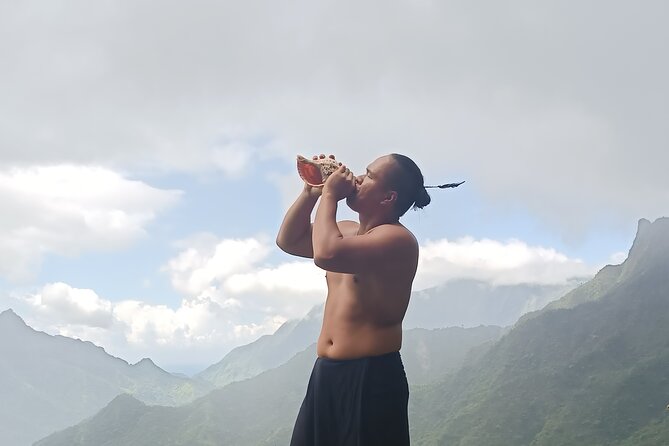
The swim is a highlight, but it’s also where you’ll want the right gear. The experience requires you to bring water, a towel, and a change of clothes—and that’s not just “nice to have.” If you don’t, the day can get uncomfortable fast.
For swim comfort and quick dry time, pack:
- bathing clothes plus a dry backup outfit
- flip-flops or water-friendly footwear
- a rain suit or poncho for wet sections and waterfall mist
Cold water can be a shock at first. Once you’re in, it’s usually refreshing and memorable—especially with waterfalls and mountain streams around you.
About toilets
This tour can involve using natural toilet facilities, and it’s not for everyone. If you know you won’t handle that comfortably, skip the adventure. If you’re okay with it, do what works: go to the bathroom before the tour so you start relaxed.
Your Guide Matters: Rainui and Hotu, and Why the Stories Feel Local
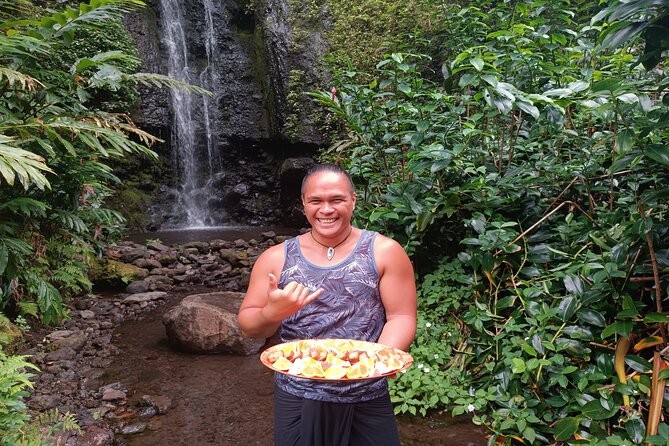
A huge part of the value here is the human factor. Past groups have been led by guides such as Rainui and Hotu, and the style is consistent: local roots, humor, and stories that connect plants, places, and Maohi life.
You’ll hear talks about:
- Maohi traditions and how the people relate to the land
- the usefulness of plants (not just names)
- sacred places and the meaning behind them
Guides also handle mixed language groups. Some tours run with both English and French, and explanations get repeated so everyone stays in the loop.
If you want pure sightseeing with no cultural context, this might feel more talk-heavy than you expected. If you want to understand what you’re looking at, it’s a major win.
Weather, Timing, and When the Day Might Change
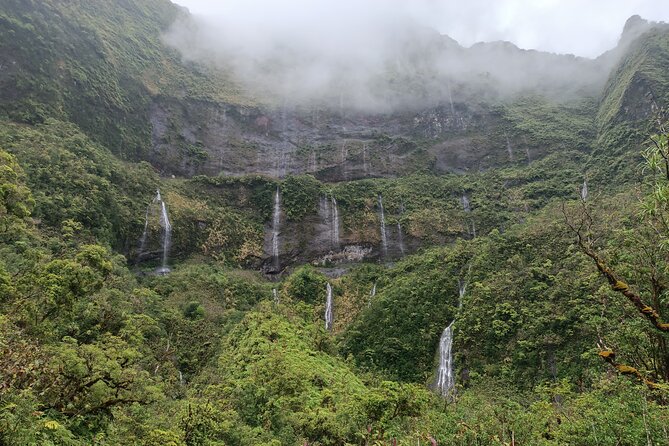
Start time is 8:00 am, and the outing runs around 7 to 8 hours. In practice, it can stretch a bit longer depending on stops and conditions. Some seasons bring heavy rain, and the river can get dangerous or rough.
The good news: the operation accounts for safety. If river conditions are too risky, the plan can turn around early, meaning your total time may be shorter than the full crossing. In those situations, you still get inland views and guided stops—just not the full intended route.
So, if your schedule is tight, treat this as a “give it flexibility” day, not a perfect-hour appointment.
Price and Value: Why About $140 Can Make Sense for This Tour
At $140.44 per person, this isn’t the cheapest way to see Tahiti. But it’s also not a generic photo drive. You’re paying for access: 4×4 transport, a guide, and a plan that includes sacred places and a natural river swim plus multiple photo stops.
Here’s where the math usually lands:
- Vehicle access to roads that regular cars can’t handle
- Guided cultural context tied to what you see
- Small group size (up to 8), so you’re not competing for attention
- Time on the ground at viewpoints, waterfalls, and plant stops
The big cost you need to plan for yourself is lunch, since it’s not included. You should also factor in what you bring: repellent, rain protection, towel, and a change of clothes. Once you cover those, the day feels like a full “inland Tahiti experience,” not a quick coaster ride.
Who Should Book This Tahiti Nui Crossing Safari (and Who Should Skip It)
This tour fits best if you:
- like nature and want waterfalls, rivers, mountains, and plants
- don’t mind rain clouds and occasional wet moments
- can handle a rough ride without getting grumpy about it
- enjoy cultural stories, jokes, and humor from local guides
It may be a poor match if you:
- hate bumpy roads or have back issues (the ride is described as quite rough)
- dislike animals/insects or don’t want to deal with nature basics
- refuse natural-toilet situations
- want a cushy, dry, slow-paced tour with no surprises
Age guidance also matters. It’s not recommended for people 90+ based on the provided notes, and children must be with an adult.
Interestingly, families have had good experiences with kids (including ages around 7 and 13), but that only works if everyone can handle the ride and the swim basics.
Should You Book Te Mana Tahiti Tours for the 4×4 Crossing?
If your Tahiti wish list includes more than beaches—if you want the inner island, the Mana stories, and the real off-road feel—this is an easy yes. The combination of Vaihiria Lake access, sacred stops, and an actual swim makes it feel like a complete day, not a rushed drive-by.
Book it if you’re ready for:
- bumpy mountain roads
- a nature-centered day with rain possibilities
- bringing lunch or buying something quick on your route
Skip it if you want comfort first, culture second, and smooth roads always. For everyone else, this is a memorable way to cross Tahiti Nui with the kind of local storytelling that makes the scenery stick.
FAQ
How long is the 4×4 Safari crossing tour on Tahiti Nui?
It runs about 7 to 8 hours.
Does the tour offer pickup?
Yes. Pickup is offered, and the pickup time is confirmed one day before the tour.
Is lunch included?
No. Lunch is not included, so you can stop to buy something or bring your own.
Is swimming included?
Yes. The experience includes swimming in the river at a planned natural water point.
What should I bring for the swim and rain?
You’re advised to bring water (1.5 liters per person), a towel, a change of clothes, plus bathing clothes and rain gear like a poncho or rain suit. Insect repellent, sunscreen, and sunglasses/hat are also recommended.
How rough is the ride?
The road is very bumpy in parts, with potholes and uneven sections. People recommend being prepared for jostling.
How many people are in the group?
The group size is capped at a maximum of 8 travelers.
Does the tour run in rainy weather?
Yes, it operates in good weather and rainy weather, though conditions like rivers can affect how the day unfolds.