REVIEW · SAN JOSE
Hacienda Doka Coffee Experience Tour
Book on Viator →Operated by Hacienda Doka · Bookable on Viator
Smell coffee, then watch sugar turn sweet. This Hacienda Doka experience is built around a working coffee plantation plus sweet-ingredient stops, with a calm butterfly garden break that keeps it from feeling like a classroom. You get coffee and chocolate samples, and you also learn the step-by-step path from growing to processing so the next cup you pour feels more like a story than a routine.
The big win for me is how the tour ties together coffee cultivation and production in a way that makes sense fast. You also get interactive moments like handling beans at different stages, and the guide’s explanations can be funny and clear (Ray and Andrea are names you’ll hear in praised guide work). One consideration: if you care most about sugar cane processing, keep expectations flexible, because the cane-related portion can be shorter or not run like a full, detailed factory demo.
You’re looking at an easy-going outing at a real working estate: about 1 hour 15 minutes, with a maximum group size of 25. Transportation isn’t included, but the meeting point is near public transit, so you can plan around that without stress.
In This Review
- Key highlights you’ll actually use
- Hacienda Doka near San Jose: what this tour feels like
- Coffee plantation walking tour: learning the process without getting lost
- Coffee shop tasting: your payoff, not just a free sample
- Butterfly garden stroll: the calm break you’ll thank yourself for
- Sugar mill stop: sweet products and the key caveat
- Guides and on-the-ground energy: why the tour can feel personal
- Getting there from San Jose and making logistics easy
- Timing, pacing, and what to do after
- Value check: is $35 a good deal for Hacienda Doka?
- Who should book this tour (and who might not love it)
- Practical tips that make the tour better
- Should you book Hacienda Doka Coffee Experience Tour?
- FAQ
- How long is the Hacienda Doka Coffee Experience Tour?
- What’s included in the tour price?
- Are food and drinks included?
- Is transportation included from San Jose?
- Are service animals allowed?
- What happens if there aren’t enough passengers to run the tour?
Key highlights you’ll actually use
- A plant-to-processing storyline: You’ll connect cultivation choices to what happens after harvest.
- Hands-on bean moments: You may touch beans at multiple stages, not just watch from afar.
- Coffee shop tasting included: Expect coffee and chocolate samples as your payoff.
- Butterfly garden time: It’s a break in pace, with time to wander and take photos.
- Sugar mill stop on the agenda: You’ll see where cane becomes sugar-related products, but timing can vary.
Hacienda Doka near San Jose: what this tour feels like
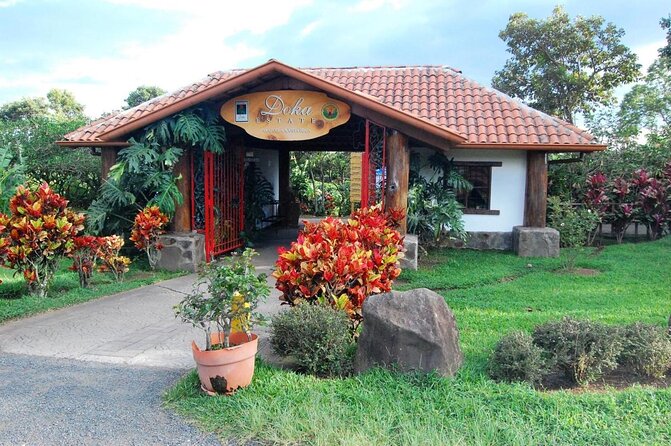
If you’ve ever wondered why Costa Rican coffee tastes the way it does, this is the kind of tour that turns vague curiosity into real understanding. Hacienda Doka is set up as a working agricultural site, not a stage set. That matters. When you learn how coffee is grown, processed, and served on a functioning farm, it feels practical, not performative.
Plan for a compact schedule. The tour runs about 1 hour 15 minutes, and you’ll move between outdoor areas (natural trails, gardens) and educational stops (coffee areas and a coffee shop tasting). The group size is capped at 25, so you generally won’t feel swallowed by the crowd.
Another small but important point: food and drinks aren’t included. Coffee and chocolate samples are part of the ticket, but you’ll likely want water and maybe a snack strategy if you’re hungry after the tour. If you’re starting your day in San Jose, it can be smart to schedule this earlier rather than right before a long meal plan.
You can also read our reviews of more tours and experiences in San Jose.


Coffee plantation walking tour: learning the process without getting lost
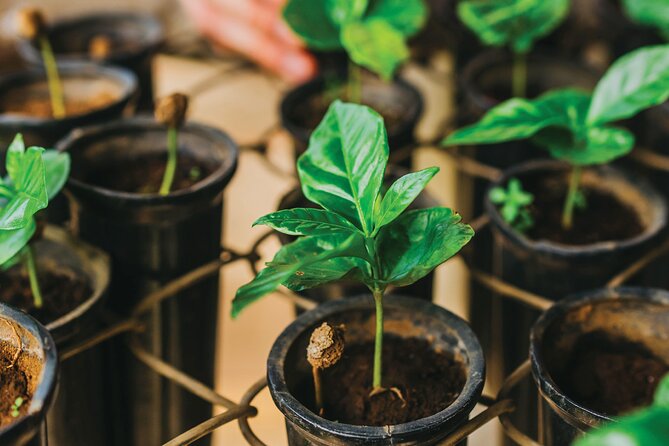
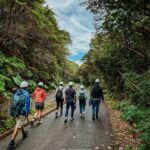
The heart of the experience is the coffee plantation education. You get a tour that connects nature and technique—how growers manage plants and how processing steps shape the final bean. You’re not stuck in one room. You’re guided along natural paths, then brought into the key areas where coffee is handled.
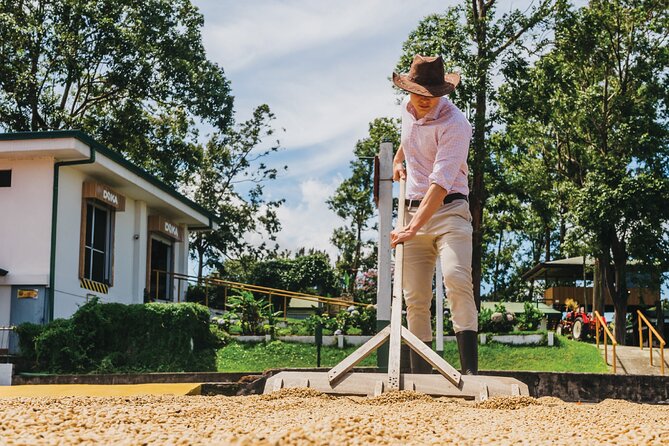
Here’s what I think you’ll appreciate most: the tour is built around a sequence. You learn how the farm thinks about cultivation and then how coffee moves through processing stages. One reviewer talked about seeing how beans are separated, peeled, dried, and packaged, which is exactly the kind of chronological framing that makes the whole industry feel less mysterious.
You may also get hands-on learning. People have described picking coffee beans from the plant and touching beans at different stages. Even if you don’t pick beans, you’ll likely get chances to see and handle what you’re hearing about—those sensory moments (texture, appearance, and the simple differences between stages) are where learning actually sticks.
What about roasting? The tour highlights say it covers how the ideal bean is created through roasting. In practice, time is tight on a 1 hour 15-minute format. I’d treat roasting as something explained clearly, sometimes shown as part of the workflow, but not necessarily a long, step-by-step roasting workshop. If roasting is your top obsession, ask the operator when you book what level of detail you’ll get that day.
Coffee shop tasting: your payoff, not just a free sample
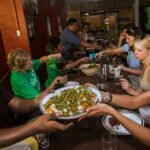
This is one of those tours where the tasting doesn’t feel like a last-minute add-on. Coffee and chocolate samples are included, and the timing is usually placed right after you’ve learned enough to understand why tasting matters.
You’ll leave with a stronger sense of what to look for. The tour helps you connect processing steps to flavor cues, so when you take your first sip, you’re not just saying this is good—you’re thinking about why it tastes that way. Chocolate pairing also gives you a second reference point. It helps you notice how sweetness and bitterness behave, and it makes the end of the tour feel like a real conclusion.
If you’re a coffee drinker, you’ll probably enjoy the tasting more than you expect because it’s anchored to what you saw on the farm. If you’re not a coffee person, the chocolate can still carry the experience, but you’ll still get value from the coffee education.
Butterfly garden stroll: the calm break you’ll thank yourself for
One of the most consistently praised parts of the tour is the butterfly garden time. It’s not just a cute stop. It gives your brain a break from production details. After walking and learning about plants and processes, the butterfly area helps reset the pace.
This part of the visit also tends to be flexible. Some people are invited to stay after the tour for photos and to spend a little extra time in the butterfly exhibit area. If you like a slow moment—something visual and easy—you’ll likely enjoy this section a lot.
Bring your phone and wear shoes that can handle uneven paths. This is Costa Rica, and even the gentle areas can be a little slippery after rain. You don’t need hiking boots, but you also don’t want flip-flops.
Sugar mill stop: sweet products and the key caveat
The tour includes a stop at a working sugar mill where raw sugar cane is transformed into sugar, molasses, and other sweet products. That’s a lot for one tour, and it’s also the reason you should read the cane stop with open eyes.
One concern that comes up: sometimes the sugar cane portion doesn’t unfold the way you’d hope. People have said the sugar cane tour didn’t happen and that the mill area was more of an out-of-use partial setup than a full, guided processing lesson. There’s also the chance that you’ll see the mill area, but not get the long, in-action step-by-step you were expecting.
So here’s my practical advice: if you want a major sugar-focused deep dive, treat this as a combined experience. Coffee is the main event, and sugar is a bonus stop. You’ll still get some insight into how cane becomes sweet products, but don’t structure your schedule expecting a full sugar factory walkthrough in every case.




Guides and on-the-ground energy: why the tour can feel personal

A short tour lives or dies by the guide. Hacienda Doka benefits from staff who explain coffee production with story and clarity. Guides like Ray and Andrea have been singled out for doing an excellent job, including making the tour enjoyable and adding humor along the way.
I also like that the tour style tends to be interactive. Even when you’re moving at a walking pace, you’re not just watching. You’re learning and responding—questions, touch points, and small moments that help you picture the workflow.
If you’re the type who remembers best by doing and seeing, this format works well. If you’re the type who wants nonstop machinery footage and technical details every minute, the time limit may leave you wanting more. That’s not a fault; it’s the reality of a compact, value-priced tour.
Getting there from San Jose and making logistics easy
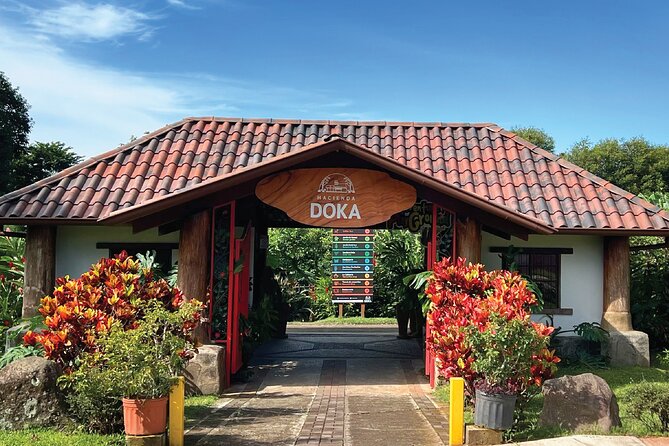
You’ll start and end at the same meeting point at Doka Estate Costa Rica Coffee Tour and Plantation, 129, Provincia de Alajuela, Sabanilla, 20107, Costa Rica. The tour is near public transportation, which helps if you’re not renting a car.
Transportation isn’t included, so you’ll need to plan your own ride. That said, some participants describe being picked up from their hotels. To avoid surprises, confirm what’s available for your specific booking. If you’re trying to keep it simple, ask whether pickup is offered for your location and what time you should expect.
Dress for mixed weather. Coffee farms often sit at elevations where mornings can feel cooler than you expect. Light layers are smart. Also plan for dust and farm smells. Costa Rica is part coffee aroma, part green outdoors, and a little earthy.
Timing, pacing, and what to do after
Because the tour is about 1 to 1.5 hours, pacing matters. The experience is designed so you can fit coffee education and the butterfly garden into one compact window without feeling like a full-day excursion.
After the guided portion, you may have time to walk the grounds for photos and to see the butterfly exhibit more slowly. This is where you can take a breath, look around, and let the tour settle in. If you’re the type who likes to wander, this extra time is a real bonus.
If you’re traveling with people who hate rushed schedules, this pacing can actually be a win. You’re not trying to hit five stops in five hours. You’re doing a focused loop.
Value check: is $35 a good deal for Hacienda Doka?
At $35 per person for about 1 hour 15 minutes, you’re paying for three things: farm education, guided access to working agricultural areas, and tastings. You’re not paying for a full meal, and that’s fine because the tour already gives you samples to anchor the experience.
For value, I think the best parts are:
- You get a structured overview of coffee growth and processing.
- You get coffee and chocolate samples included.
- You get a genuinely pleasant butterfly garden walk that breaks up the day.
The potential value wobble is sugar cane depth, since the cane stop may not be as thorough as you’d want. If sugar is a top priority for you, weigh that risk against the fact that the coffee portion tends to be the centerpiece.
If you want a short, memorable introduction to Costa Rican coffee and a farm setting near San Jose, the price is reasonable. If you’re already deep into coffee and want hours of roasting technique, you might want a longer or more specialized tour.
Who should book this tour (and who might not love it)
This works best for you if:
- You want a quick, guided Costa Rica coffee plantation experience without a full-day commitment.
- You like hands-on or close-up learning, like touching beans or seeing processing stages.
- You want a mixed experience that includes both education and a relaxed butterfly garden stop.
You might enjoy it less if:
- You’re mainly chasing sugar cane processing detail and want a long, hands-on production experience.
- You expect a long roasting demonstration with lots of technical depth.
- You dislike tours with a tight schedule and prefer unhurried, multi-hour farm exploration.
Practical tips that make the tour better
- Wear closed-toe shoes with decent grip for garden paths.
- Bring water. Food and drinks are not included.
- If sugar cane is important to you, ask the operator what portion of the mill experience is covered that day.
- Take photos during the butterfly section, but keep an eye on where your guide is heading so you don’t lag behind.
Should you book Hacienda Doka Coffee Experience Tour?
I’d book it if you want a well-paced, good-value taste of Costa Rican agriculture with real coffee education and a pleasant butterfly garden stop. The coffee workflow storytelling plus included coffee and chocolate samples is the core reason to go, and the guides’ clear, often humorous explanations help the whole thing land.
If you’re on the fence mainly because of sugar cane, make peace with the idea that coffee is the main focus and sugar is the supporting act. Ask questions when you reserve, and you’ll be more likely to leave happy instead of disappointed.
If you’re flexible and you like hands-on farm learning with a calm scenic break, this is the kind of tour that leaves you with new appreciation for every cup.
FAQ
How long is the Hacienda Doka Coffee Experience Tour?
It runs about 1 hour 15 minutes (approximately).
What’s included in the tour price?
Coffee and chocolate samples are included.
Are food and drinks included?
No. Food and drinks are not included.
Is transportation included from San Jose?
Transportation is not included. The meeting point is near public transportation, though some arrangements may offer pickup—so confirm when booking.
Are service animals allowed?
Yes, service animals are allowed.
What happens if there aren’t enough passengers to run the tour?
There’s a minimum of 2 people per booking. If that requirement isn’t met after confirmation, you’ll be offered an alternative or a full refund.