REVIEW · TAHITI
Want to escape? Treat yourself to a snorkeling session in Tahiti!
Book on Viator →Operated by Le Kaoriki · Bookable on Viator
Catching turtles and dolphins in one morning is rare. I like how this tour strings together multiple snorkeling spots around Tahiti’s west coast, and you finish with real beach time at the Taapuna sandbank instead of rushing back right away.
I also like that the day isn’t just about underwater time; it’s paced with short swims, scenery breaks, and food/drinks onboard so you stay comfortable and focused.
One thing to keep in mind: you’re out on the water for about 4 hours, and the operator asks for good weather. Also, you’ll want to bring your own sunscreen and a plan for motion sickness since those aren’t provided.
In This Review
- Key Highlights You’ll Care About
- On the Kaoriki boat: timing, pace, and what “4 hours” feels like
- West Coast scenery from the water: what you’ll see before you even snorkel
- Taapuna Wave stop: your first real taste of the lagoon
- Dolphins in Nuuroa Bay: watching wildlife without trying to chase it
- Snorkeling with Sapinus turtles: how to have a great turtle encounter
- Wreck snorkeling in front of Tahiti Faa’a Airport: a change of scene
- Taapuna sandbank relaxation: the payoff after the water time
- What’s included in the $120 price: value you can feel
- Small comfort details that make a big difference
- Private tour perks: why your group size matters
- Who should book this Tahiti snorkeling session (and who might pass)
- Weather and water conditions: the one variable you can’t control
- Should you book this Tahiti snorkeling tour?
- FAQ
- How long is the snorkeling tour?
- What time does the tour start?
- Is this a private tour?
- What snorkeling gear is included?
- Are snacks and drinks included?
- Where does the tour go for snorkeling?
- What should I bring since it’s not included?
- What happens if the weather is poor?
Key Highlights You’ll Care About
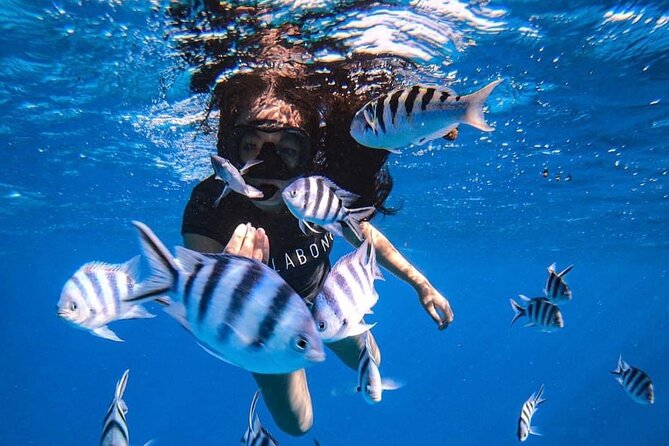
- Private group on the Kaoriki so the pace stays in your hands
- Turtles and dolphins on the route with the chance to watch them in their space
- Wreck snorkeling near Tahiti Faa’a Airport for a change of scenery
- Taapuna sandbank relaxation to cool down after the water time
- Snacks plus snorkeling equipment included (mask, snorkel, fins, vest, floating gear)
On the Kaoriki boat: timing, pace, and what “4 hours” feels like
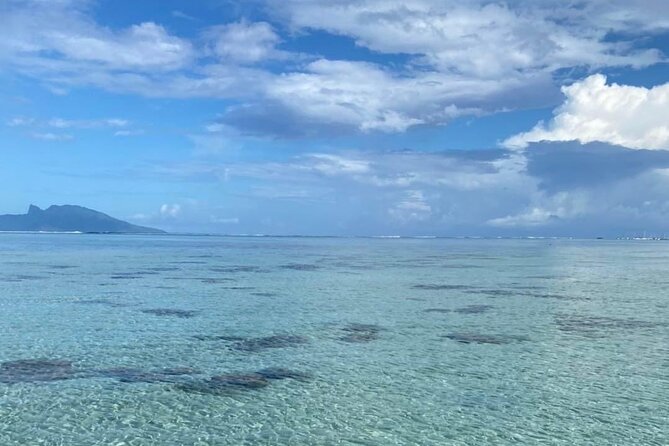
This is a morning outing starting at 8:00 am, and it’s designed around a simple rhythm: brief travel, then snorkel time, then a pause to reset. The total time is about 4 hours, and it ends back where you started—so you’re not spending your whole day trying to coordinate the rest of Tahiti.
The vibe here is practical. You’re not just being dropped into water and left to figure things out. From the feedback about the guide/captain, it’s clear the goal is feeling safe while you explore. When someone like Naea is at the helm, you can expect calm direction and solid confidence-building—especially if you’re not a super frequent snorkeler.
Because it’s a private tour, you won’t be herded into a one-size-fits-all routine. Your group can move at a speed that makes sense. That matters when you’re switching between locations like bays, open water sections, and a sandbank stop where you’ll want time to actually relax.
You can also read our reviews of more tours and experiences in Tahiti.

West Coast scenery from the water: what you’ll see before you even snorkel
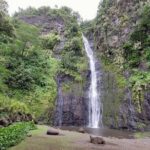
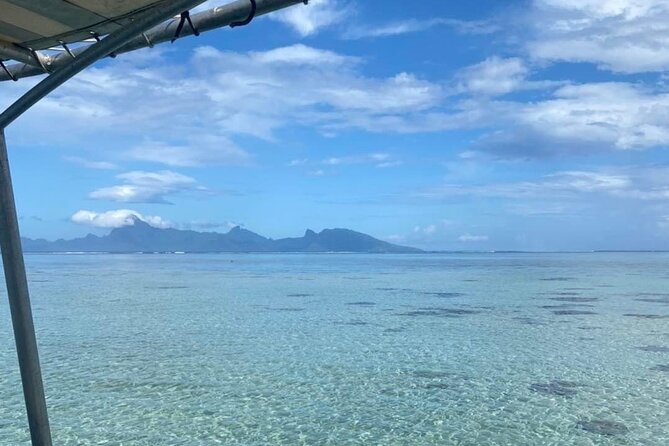
One of the best parts of this kind of trip is that you get the view twice. First from the boat, then again underwater. The route focuses on Tahiti’s west coast—think mountains in the distance and a sense of big open water once you’re out in the lagoon.
That setting helps a lot if you’re the type of person who likes to know where you are. You’ll quickly understand why the operator targets these bays and points: calmer-looking stretches for swimming, then areas that feel more “exploring” once you’re equipped and briefed.
Even if snorkeling isn’t your main goal, the scenery and the movement of the boat through the lagoon make the day feel like more than a simple activity. It’s a way to experience Tahiti from the waterline.
Taapuna Wave stop: your first real taste of the lagoon
The day starts with a stop called the Taapuna Wave. I take that to mean the operator uses this area as an early “get your bearings” moment—fresh water time, quick adjustments to fins/mask/comfort, and a chance to settle into the snorkel rhythm before the more structured wildlife sightings.
For you, this is a smart lead-in. Snorkeling is a skill-by-comfort situation. If you start with a simpler first swim, you’ll often snorkel better later—less flustered, more relaxed, and more able to focus on what’s around you.
If you get motiony on boats, this early segment can also help you gauge how you’ll feel for the rest of the trip. Just pay attention to your body and follow the guide’s pace.
Dolphins in Nuuroa Bay: watching wildlife without trying to chase it
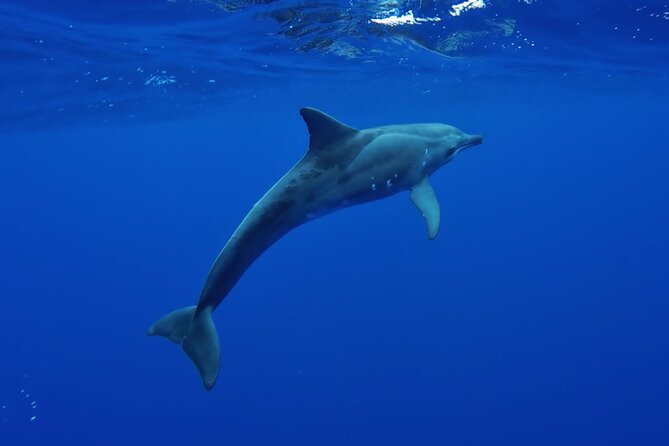
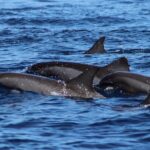
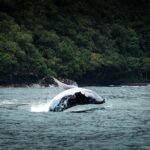
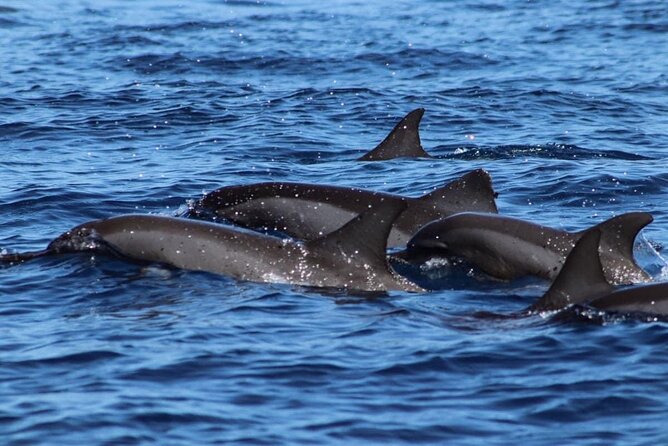
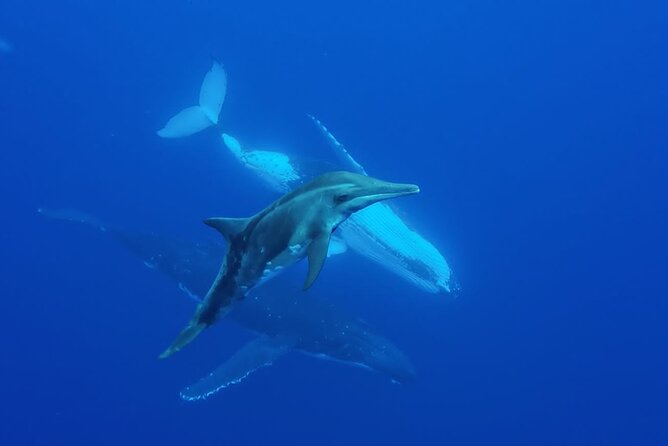
Next up is dolphins in Nuuroa Bay. The key word here is watch. A good dolphin encounter isn’t about grabbing a perfect moment—it’s about staying calm and letting animals do their thing.
What I like about this stop is that it’s placed early in the itinerary, when your energy is highest. You’re more likely to feel patient and present, and you’ll notice more behavior when you’re not rushing.
Practical tip: keep your movements small once you’re in the water. If you’re spending time looking around for fins and shadows, you can miss the subtle stuff. The guide’s job is to position you; your job is to stay steady and quiet.
Snorkeling with Sapinus turtles: how to have a great turtle encounter
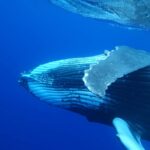
One of the most praised parts of this experience is the turtle time—snorkeling for Sapinous turtles. I’m not going to pretend every trip guarantees a turtle sighting, but the structure is clearly built around giving you real water time where turtles are part of the plan.
The strongest theme from the feedback is safety and confidence. People highlighted that Naea and the crew keep you feeling secure while snorkeling, which is huge when you’re sharing space with animals that don’t care if you’re amazed. When you feel safe, you’re calmer. When you’re calmer, you can actually slow down enough to watch behavior.
What you should do to make the most of it:
- Stay relaxed at the surface and focus on movement rather than speed.
- Don’t chase close-ups; instead, let the turtle come into your view.
- If you feel rushed, slow your breathing and reset your mask. Small comfort wins big.
Also, since this is Tahiti and turtles are a big deal here, you’ll likely appreciate a guide who knows how to explain what you’re seeing. Multiple reviews praised the guide for his caring, respectful approach—mixing practical safety with local pride.


Wreck snorkeling in front of Tahiti Faa’a Airport: a change of scene
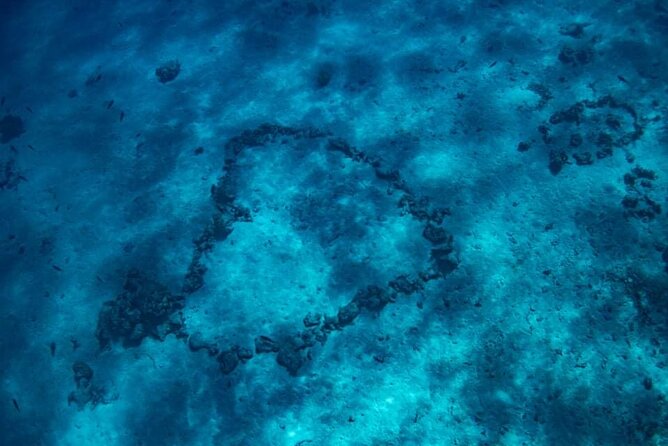
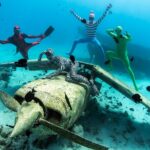
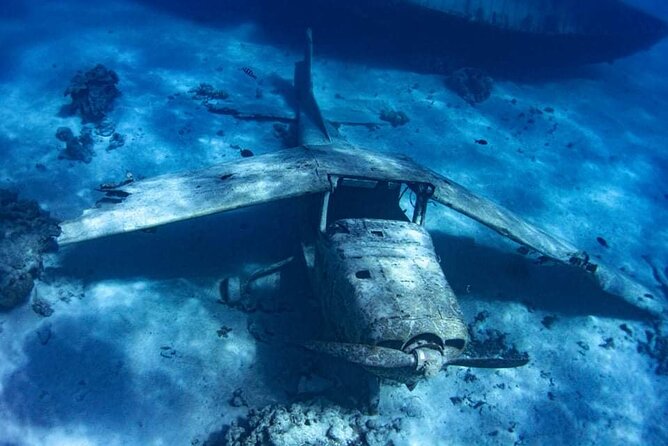
After the earlier wildlife-focused moments, the route includes snorkeling on the wreckage in front of Tahiti Faa’a Airport. This is the kind of stop that turns a typical lagoon snorkel into a more varied underwater experience.
Why wreck time can be memorable: wrecks tend to create structure, and structure attracts life. Even when you’re not a “big wreck” diver, snorkeling around a wreck can feel like walking into a different chapter of the marine world.
A practical note: wreck snorkeling usually requires good buoyancy control and steady finning. You don’t want to kick up sand or bump things. The good news is that snorkeling gear here includes a vest and floating gear, so you’re not trying to improvise stability.
If you’re a newer snorkeler, this can still work well, as long as you follow the guide’s instructions and don’t try to out-swim your own comfort.
Taapuna sandbank relaxation: the payoff after the water time
The final stop is Taapuna sandbank—a calm-feeling finish that many snorkeling tours skip. This is where you can stop performing and just enjoy the day.
This sandbar style stop matters because it changes your body’s rhythm. After time in fins and breath control, standing in shallow water (or just floating and rehydrating) makes the whole day feel more balanced. It’s also a great moment to dry off a little, reset your camera/gear, and soak in the “we’re really here” feeling.
And you’ll want that kind of reset because the earlier stops can be mentally stimulating: turtles, dolphins, a wreck, and changing water zones. Ending with a relaxing sandbank gives you time to remember it all without rushing.
What’s included in the $120 price: value you can feel
At $120 per person for about 4 hours, the value isn’t just the boat ride. What makes this price feel fair is that your day is set up to reduce extra costs and friction.
Here’s what’s included:
- Snacks like seasonal fruits and cookies
- Aperitifs: water, local juice, coffee or tea, local punch, and local beer
- Snorkeling equipment: mask, snorkel, fins, snorkeling vest, and floating gear
That equipment list is important. It’s not only the basics; it includes support gear that helps you stay comfortable and stable. If you’ve ever rented a mask that leaks or fins that don’t fit right, you know how quickly snorkeling turns into irritation. Having the full kit included usually makes the day smoother.
What’s not included (so you can plan ahead):
- Sunscreen
- A seasickness aid
- Clothing like a raincoat or windbreaker
So yes, you’re paying for the experience—but also for the stuff that keeps you from turning your own trip into a last-minute shopping mission.
Small comfort details that make a big difference
Because you’re on the water, your comfort depends on the basics. This tour doesn’t provide sunscreen or motion-sickness support, so I’d plan for both.
Bring:
- Sunscreen (reef-friendly if you have it)
- A light layer for wind if you tend to get cold
- Something for motion sickness if you’re sensitive
- A towel and a change of clothes (not listed, but it’s the kind of move that keeps the day fun at the end)
Also, note the fitness level request: moderate physical fitness. That doesn’t mean athletic. It means you should feel okay with being in and out of the water, handling your snorkel comfortably, and walking a bit if needed.
If snorkeling is not an option for medical reasons, the tour indicates you can still walk. That’s a good safeguard, and it’s worth noting when you’re traveling with mixed comfort levels.
Private tour perks: why your group size matters
This is a private tour/activity, meaning only your group participates. That changes the experience in real ways.
First, your guide can set a pace that matches how you feel in the water. Second, you get more consistent attention. Third, you’re not stuck waiting behind other snorkelers if your group wants a slower look at turtles or an extra minute at the sandbank.
If you’re traveling with friends or family, this is often the best kind of snorkeling format: everyone shares the same time window, and you don’t have to compromise on how much time you want at each stop.
And if you’re a solo traveler, privacy can still be a win, as long as your group format works for you. Fewer variables usually means fewer headaches.
Who should book this Tahiti snorkeling session (and who might pass)
Book it if you want:
- A turtle-focused snorkeling plan plus a dolphin watch
- Multiple underwater settings, including a wreck stop
- A calmer finish at the Taapuna sandbank
- A guided experience where safety is taken seriously (people specifically praised Naea for making them feel safe)
Consider passing if:
- You know you’re very prone to motion sickness and don’t want to manage it yourself (since no seasickness help is provided)
- You’re hoping for a purely shallow, beginner-only snorkeling day. You should be comfortable with moderate effort and changing conditions.
This is also a good fit for people who enjoy marine life but don’t want a complicated technical day. You get variety without needing scuba skills.
Weather and water conditions: the one variable you can’t control
This experience requires good weather. If conditions aren’t right, the operator will offer a different date or a full refund. That’s the part to watch when you book: don’t schedule it as your one and only plan on the one day you’re most tired or most rushed.
If you’re flexible, this becomes easier. You can treat it like a mini jackpot: if weather lines up, you go; if it doesn’t, you reschedule.
Also, remember that snorkeling is always more pleasant with calmer water and better visibility. On rougher days, you might still enjoy the trip, but the swim portion can feel different.
Should you book this Tahiti snorkeling tour?
I think you should book it if you want a guided, multi-stop snorkeling day that feels balanced—wildlife time, a wreck stop, and a real finish at the Taapuna sandbank. The included snorkeling gear and snacks make it feel like a complete morning, not an add-on that costs extra once you’re there.
If your main goal is wildlife (turtles and dolphins) and you care about feeling safe and guided, this one looks like a strong match. And if you’re going to snorkel in Tahiti anyway, choosing a route with different underwater scenes usually pays off.
FAQ
How long is the snorkeling tour?
It’s about 4 hours.
What time does the tour start?
The start time is 8:00 am.
Is this a private tour?
Yes. It’s private, and only your group participates.
What snorkeling gear is included?
Mask, snorkel, fins, snorkeling vest, and floating gear are included. You can also bring your own equipment if you want.
Are snacks and drinks included?
Yes. You get seasonal fruits, cookies, and aperitifs including water, local juice, coffee or tea, local punch, and local beer.
Where does the tour go for snorkeling?
The stops include snorkeling related to Taapuna Wave, dolphins in Nuuroa Bay, snorkeling with Sapinus turtles, snorkeling on wreckage in front of Tahiti Faa’a Airport, and relaxing time at the Taapuna sandbank.
What should I bring since it’s not included?
Sunscreen, seasickness help, and clothing like a raincoat or windbreaker are not provided.
What happens if the weather is poor?
If it’s canceled due to poor weather, you’ll be offered a different date or a full refund.