REVIEW · MALTA
Valletta World War II Private Walking Tour
Book on Viator →Operated by Colour my Travel · Bookable on Viator
WWII has a way of making stone feel heavy. This private Valletta walk turns the city’s war wounds into a clear, human story from 1940–42, with stops tied to the Siege of Malta and the bombing campaigns. You’ll move through honey-colored streets, then into the bigger picture of how the island survived when Axis forces tried to bomb or starve it into submission.
What I like most is the private guide format—small-group, flexible pacing, and a guide who can actually explain the why behind the landmarks. I also love that the tour connects famous sites like the Royal Opera House shell and Siege memorials with practical wartime realities like shelters, tunnels, and the community effort to keep people fed.
One thing to consider: it’s a walking tour in Valletta’s older streets, including uneven stones and some steps. If you’re not used to uphill walking, plan for a slower pace and bring water.
In This Review
- Key Things You’ll Notice on This Valletta WWII Private Walk
- Walking the Bombed Streets of Valletta, 1940–43
- From Victoria Gate to Valletta City Gate: Getting Your Bearings
- The War Memorial Route: Siege Bell and the Human Cost
- Royal Opera House Ruins: When One Raid Changes the City
- Tunnels and Victory Kitchens: The Wartime Life Support System
- Illustrious Blitz and Sea Power: Malta Under Attack from the Harbour
- Fort St Elmo National War Museum: The 1942 George Cross Moment
- Price and Value for Up to 4 People
- What to Wear, and How Much Walking You Really Do
- Who This Valletta WWII Tour Fits Best
- Should You Book This Valletta WWII Private Tour?
- FAQ
- Is this tour private?
- How long is the Valletta World War II walking tour?
- What’s the price for this tour?
- Where do we meet and where does the tour end?
- Is the National War Museum ticket included?
- What language is the tour offered in?
- What should I expect in terms of walking and fitness?
- Is it refundable if I cancel?
Key Things You’ll Notice on This Valletta WWII Private Walk
- Private, 3-hour pacing: your guide shapes the walk around your questions.
- Siege Bell + Grand Harbour viewpoints: the war is tied to real geography, not just dates.
- Victory Kitchens and tunnels: you’ll see how daily life worked under bombardment.
- Illustrious Blitz and sea battles: the story isn’t only about raids on land.
- Fort St Elmo National War Museum (guided): the walk ends with the most direct WWII context, plus the 1942 George Cross.
- Local, story-focused guiding: names like Matthew Camilleri and Mario show up often for a reason—clear, personal narration.
Walking the Bombed Streets of Valletta, 1940–43
If you’ve visited Valletta for architecture, you’re about to see a different layer. This tour keeps the focus tight on WWII, especially the years when Malta became a central target and a stubborn holdout.
The big idea is simple. In 1940, Italy’s Mussolini declared war on Malta, and Malta quickly became a strategic stepping stone in the Axis push toward North Africa. Valletta, as the island’s heart, lived through intense bombardment. Over time, Malta’s survival wasn’t just luck. It was work—organized, communal, and brutally tested.
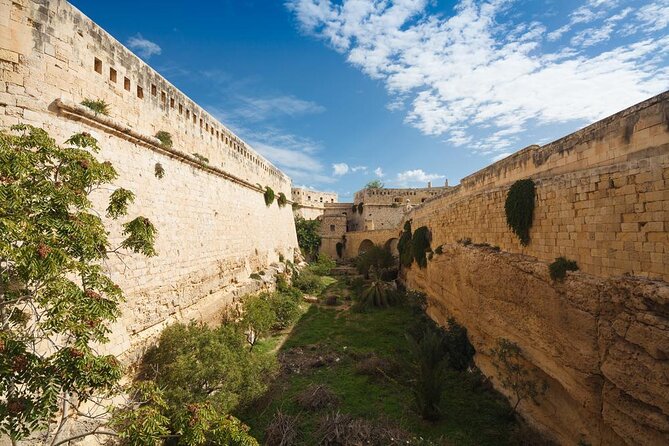
You’ll walk the honey-stoned streets with that context attached. Instead of treating landmarks like postcard backdrops, the tour explains what changed during the siege period, and how residents adapted.
You can also read our reviews of more tours and experiences in Malta.

From Victoria Gate to Valletta City Gate: Getting Your Bearings
Most days start in central Valletta, near Victoria Gate, an easy place to orient yourself. The meeting point is listed at Victoria Gate (VGW7+9FV area), and the tour starts from there on foot.
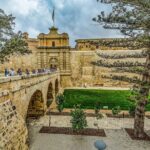
Soon after you begin, you pass into the heart of the city at Valletta City Gate. It’s a good first anchor because City Gate is the kind of place where the city’s layout and movement matters. In wartime terms, it’s also the kind of spot where people would notice changes fast: air-raid patterns, supply routes, and how quickly life could switch from normal routines to emergency response.
Because the walk is private, you can ask the guide to slow down at the parts you care about—someone who really likes WWII can get the long answers, while a more casual history fan can get the short version without feeling lost.
The War Memorial Route: Siege Bell and the Human Cost
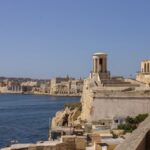
One highlight isn’t a single building. It’s the memorial focus. The tour includes the Siege Bell Memorial overlooking Grand Harbour, plus multiple commemorative statues and memorial points tied to Malta’s wartime endurance.
This is where the tour stops feeling like trivia and starts feeling like place-based history. The Siege Bell isn’t just a monument—it’s a symbol built around the idea that Malta’s story is collective. Your guide ties it back to the larger war pressure on the island: the Axis goal to weaken resistance, and the island’s goal to keep functioning long enough to outlast that pressure.
You also learn to see how remembrance is placed into daily city movement. Valletta is compact. So instead of driving between sites, you’re exposed to the memory trail step by step.
Royal Opera House Ruins: When One Raid Changes the City
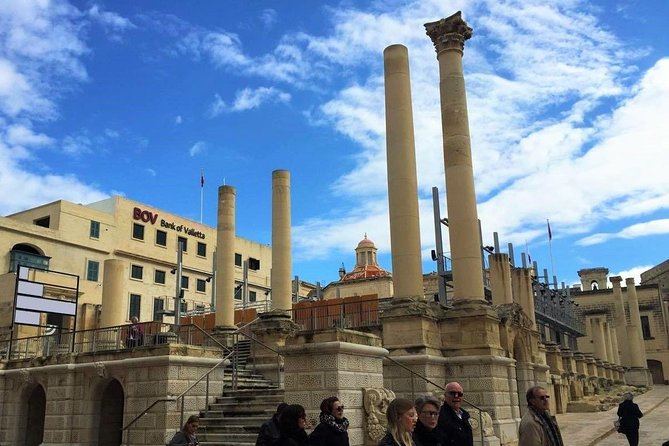
You’ll see the ruined shell of the Royal Opera House, destroyed in a 1942 German bombing raid. Even if you don’t know much about theater, you’ll get why this matters.
In wartime, cultural landmarks get hit for more than military reasons. They show vulnerability. They also shape morale. A devastated opera house isn’t just rubble—it’s a sign that the rhythm of everyday life got disrupted in a very public way.
Your guide uses this shell as a narrative hinge: the tour moves from siege-era survival methods (tunnels, kitchens, protection) into the reality that Malta’s identity and public life were targets too. That balance is one of the reasons this walk tends to satisfy history lovers and casual travelers alike.
Tunnels and Victory Kitchens: The Wartime Life Support System
A lot of WWII tours focus on battles. This one also focuses on how people survived day-to-day.
You’ll learn about tunnels built under Valletta for shelter. Then you’ll hear about the Victory Kitchens, set up to feed people through the hardest stretches of bombardment. When a guide connects shelters and kitchens, the siege story stops being dramatic and becomes practical—the kind of practical that keeps you alive.
This section is especially valuable if you want a fuller picture of what it meant to live through 1940–43. The Siege of Malta wasn’t only about air raids. It was also about getting people through the long interruptions: limited supplies, damaged infrastructure, and constant uncertainty.
It’s also the part of the tour where a good guide makes the history feel local. A guide like Mario has been described as a retired history teacher with firsthand accounts shared through his family background, which is exactly the kind of human scale that helps you picture the daily reality—not just the headlines.



Illustrious Blitz and Sea Power: Malta Under Attack from the Harbour
Valletta’s WWII story isn’t only about what fell from the sky. The tour also brings in the war at sea and the naval pressure connected to Grand Harbour.
You’ll hear about key events such as the Illustrious Blitz in 1941, when the Axis repeatedly bombed the HMS Illustrious aircraft carrier while it was involved with operations in the area. You’ll also hear about events including the Battle of Grand Harbour and the San Marija Convoy.
This matters because Malta’s location made it a choke point. If ships could move supplies, the island had a chance. If they couldn’t, hunger and hardship would do what bombs could not. The guide explains how Malta’s endurance depended on that ongoing struggle.
If you’re the type who likes the war story to connect land, sea, and logistics, you’ll probably feel satisfied here. It’s not random battlefield name-dropping. The guide ties each event back to why Valletta mattered.
Fort St Elmo National War Museum: The 1942 George Cross Moment
After your walking segment, you get a guided visit to the National War Museum at Upper Fort St Elmo. This museum time is included as a guided visit, and it’s listed as about 1 hour.
The museum is where the tour gives you the supporting evidence. You’ll see exhibits and audio-visuals illustrating Malta’s ordeal, including the struggle to get supplies to the island. You’ll also see the 1942 George Cross, awarded to the population for courage.
This is a strong finish for two reasons. First, it gives your walking stops context while it’s still fresh in your mind. Second, it adds depth beyond memorials. Outside, you learn what it looked like. Inside, you learn what it meant and how the story was documented and remembered.
A practical note: in at least one guide experience you’ll see mentioned that St Elmo’s museum is a favorite. If you care about WWII displays, I’d plan your day so you can linger after the guided portion if you want more time.
Price and Value for Up to 4 People
The price is $373.48 per group, up to 4 people, for an approx. 3-hour private tour. On paper, it can look pricey if you’re used to per-person sightseeing. But private tours work differently in Valletta because you’re paying for focused time with a guide, not for a bus ride.
Here’s how the value usually shows up:
- If you’re traveling as a couple or small family, you’re splitting the group cost while keeping the experience private.
- You get a guide who can slow down for questions and match your pace, which matters on a walking tour with uneven steps.
- You also get the museum visit with guided attention, not just a self-guided ticket.
If you’re solo, you might consider whether your interest in Malta’s WWII specifics is strong enough to justify the private format. But if you like history with real storytelling and you want someone to connect the dots among Siege Bell, tunnels, opera-house ruins, and the museum context, the group-private model makes more sense.
What to Wear, and How Much Walking You Really Do
This is a moderate-fit walking tour. Expect hard stone, uphill stretches, and some stairs. The pace is generally described as gentle, with breaks to look and talk, but you should still dress for walking.
My practical advice:
- Wear good shoes with grip.
- Bring water (Valletta sun can be real, even in seasons that feel mild).
- Add sunscreen if you’re going during brighter months.
- If stairs feel annoying, tell your guide early. Private tours can adjust more than group ones.
Who This Valletta WWII Tour Fits Best
This tour is a good match if:
- You want Malta’s WWII story anchored to real places in Valletta.
- You like a guided narrative that connects memorials, shelter systems, and sea events.
- You’re traveling in a small group and want the pace controlled.
It’s also great for history lovers who appreciate a guide who can cover both Malta’s larger background and the 1940–42 Siege period without turning it into a lecture. In the experiences shared, guides like Matthew Camilleri and Mario come up for their story skill and ability to keep people engaged.
Should You Book This Valletta WWII Private Tour?
If you’re deciding whether to spend your Valletta time on WWII history, I’d lean yes—especially if you want something more grounded than reading a plaque.
Book it when:
- WWII is a key interest for you.
- You want a private guide to connect Siege Bell memorials, tunnels and kitchens, and the opera-house ruins into one clear story.
- You also want the museum finish at Fort St Elmo with guided context and the 1942 George Cross focus.
Skip it or swap expectations if:
- You dislike walking on uneven stone and stairs.
- You want only a quick overview with minimal walking time.
FAQ
Is this tour private?
Yes. It’s a private tour/activity, and only your group will participate.
How long is the Valletta World War II walking tour?
The duration is about 3 hours.
What’s the price for this tour?
It costs $373.48 per group for up to 4 people.
Where do we meet and where does the tour end?
You meet at Victoria Gate (Victoria Gate area, Valletta). The tour ends at Fort St Elmo and the National War Museum.
Is the National War Museum ticket included?
The guided visit is included, but the ticket to the National War Museum is not included.
What language is the tour offered in?
The tour is offered in English.
What should I expect in terms of walking and fitness?
The tour requires moderate physical fitness, with walking around central Valletta, including uphill parts and some stairs.
Is it refundable if I cancel?
No. The experience is non-refundable and cannot be changed for any reason.