REVIEW · MALLORCA
Manacor: Rafa Nadal Exhibition Entry Ticket
Book on GetYourGuide →Operated by Rafa Nadal Museum Xperience · Bookable on GetYourGuide
Nadal’s trophies sit within arm’s reach. In Manacor, this 30-minute stop at the temporary Rafa Nadal museum gets you up close to trophies and original rackets, and I love how clearly the displays connect his effort to the results. I also like the hands-on tennis history side, which makes the story easier to follow even if you’re not a die-hard fan. One thing to plan for: it’s designed as a quick hit, so if you want a slow, long reading session, you might feel slightly rushed.
You’ll find the place easy to enter, and the overall setup is built for people who want to see a lot without lots of waiting. Tickets include full access to the exhibition, and there’s a host/greeter in Spanish, Catalan, and English. One practical drawback: food and drinks aren’t allowed inside, so plan on breaks outside the galleries.
In This Review
- Key Highlights You’ll Care About
- Entering The Rafa Nadal Exhibition In Manacor: Quick, Focused, Worth It
- Trophies And Original Rackets: Why Seeing Them Together Hits Different
- Interactive Tennis History And The Maintenance Window You Should Know
- Layout, Staff Help, And Why the Museum Feels Designed for Real People
- Price And Time In Mallorca: A $10 Exhibition That Doesn’t Waste Your Day
- Practical Rules That Make Your Visit Smooth (Or Stop It Cold)
- Who This Exhibition Is Best For (And Who Should Rethink It)
- Should You Book The Rafa Nadal Exhibition Ticket in Manacor?
- FAQ
- How long is the Rafa Nadal Exhibition ticket in Manacor?
- What does the $10 ticket include?
- Where is the meeting point?
- Is it wheelchair accessible, and can I skip the ticket line?
- Are food, drinks, or pets allowed?
- What languages are available, and when is the last entry?
Key Highlights You’ll Care About

- Trophies and iconic awards displayed in a temporary museum setting in Manacor
- Original rackets from historic matches that give you scale and detail you won’t get in photos
- Interactive tennis history that helps you understand key moments without needing deep tennis knowledge
- Modern, visitor-friendly layout that makes a short visit feel complete
- Watchable court moments (some areas let you view training/practice space)
- Catching the visit at the right time since the last entry is 30 minutes before closing
Entering The Rafa Nadal Exhibition In Manacor: Quick, Focused, Worth It
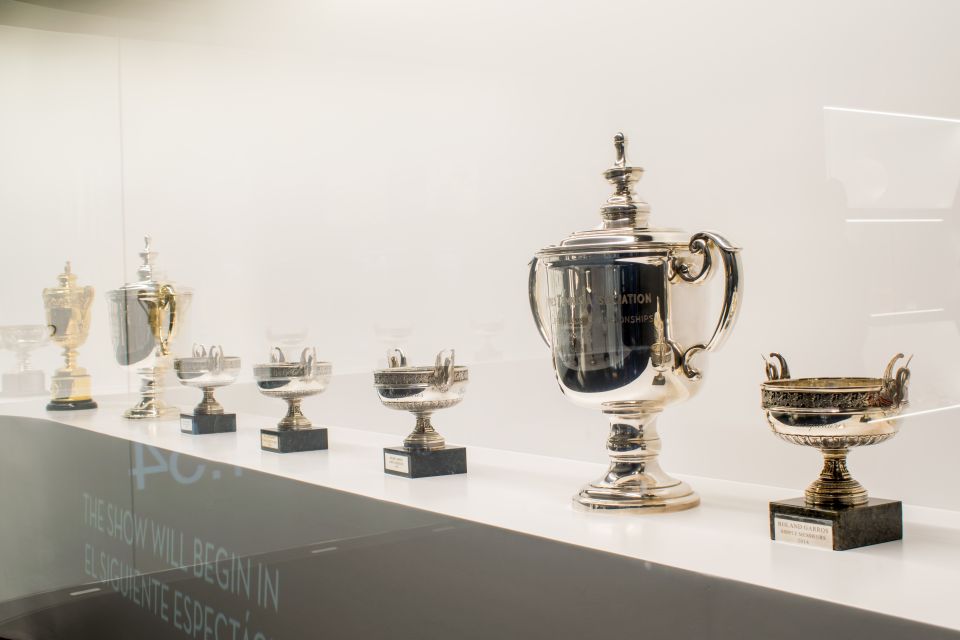
The Rafa Nadal Museum Xperience is in Manacor, Mallorca, at the Rafa Nadal Museum (Carreteras Cales de Mallorca s/n, Km. 1.2, 07500 Manacor). This is not a half-day pilgrimage. It’s a short, tight exhibition designed to be satisfying without dragging on.
When you arrive, the main feeling is “close up, right now.” You’re not standing behind ropes thinking about whether you’re in the right place. The whole museum is built to guide you through the career story in a logical flow, so you don’t waste time figuring things out. And since you get skip the ticket line, you can spend more of your limited time looking rather than queuing.
Price-wise, $10 is what makes this feel like a smart add-on to a Mallorca day rather than a major commitment. If you’re already in the area, I’d call it a value move: you’re paying for direct access to the core collection—trophies, rackets, and personal items—plus the interactive elements that bring tennis history down to a human level.
Just note the timeframe: your ticket is for about 30 minutes. That’s long enough to see the major highlights carefully, but short enough that you’ll want to decide early how you want to experience it—quick look through, or slower attention to the biggest displays.
You can also read our reviews of more tours and experiences in Mallorca.



Trophies And Original Rackets: Why Seeing Them Together Hits Different

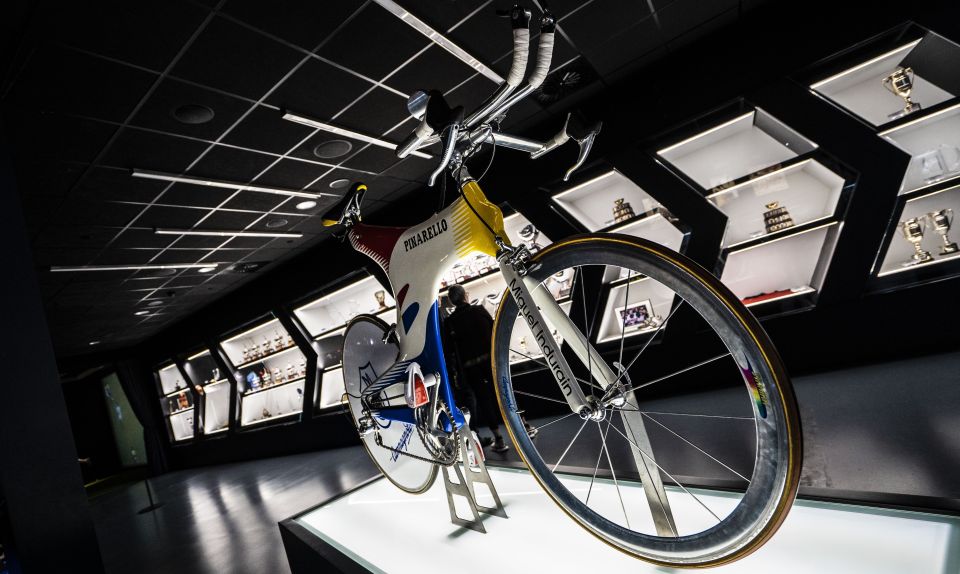
The heart of this exhibition is simple: you’re seeing Rafa Nadal’s iconic trophies and original rackets from historic matches, all in one place. That alone is special, because tennis trophies can feel abstract when you only ever see them individually in headlines or distant broadcast shots.
Up close, the scale and design of the awards makes the story feel real. You can actually grasp how “small” an object can be while it represents something enormous—months of training, pressure, and match after match. I like how the exhibition doesn’t just say he won. It visually shows what winning looked like in physical terms: materials, shapes, details, and the wear you’d expect from real competition gear.
The rackets are the other big win. Seeing original frames tied to key matches gives you a tangible connection to technique and era. Even if you don’t know the exact specs, your brain starts linking the equipment to the playstyle. It’s the kind of exhibit that makes you think, even briefly, about how a small change in grip, stringing, or balance can matter under pressure.
I also appreciate the personal items and memorabilia. They keep the focus from turning into a trophy-only gallery. Instead of feeling like a list of titles, it becomes a career narrative: dedication over time, not just one famous moment.
One small consideration: because it’s a temporary museum experience with a tight time window, you’ll likely have to pick what you focus on most. If you’re the type who reads every label and wants extra time with every display, plan a bit of patience (or go with a “top highlights first” mindset).
Interactive Tennis History And The Maintenance Window You Should Know
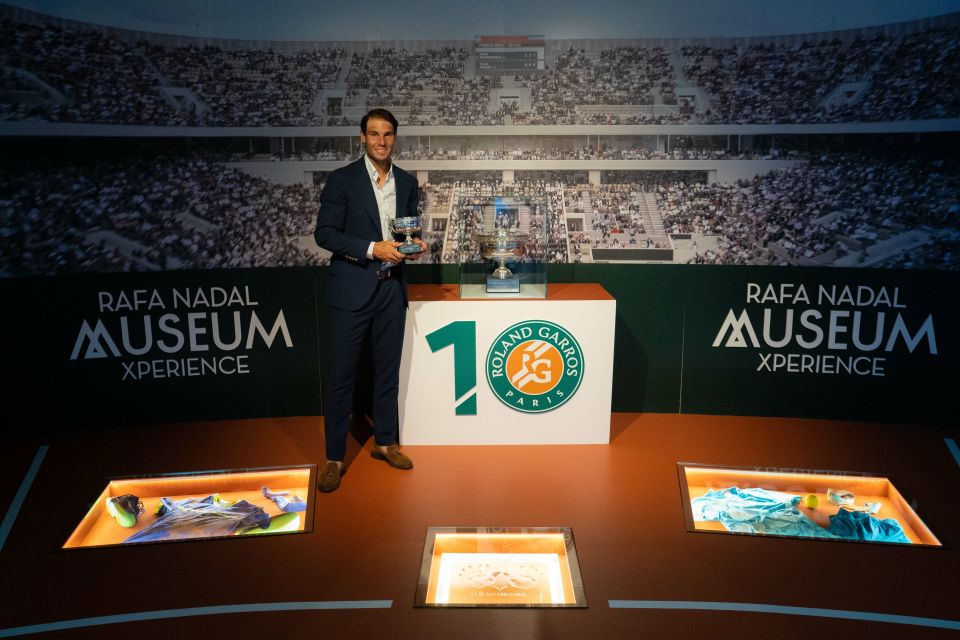
The interactive side is a major part of what makes this museum more than a static display. Expect hands-on components that help you understand tennis history and match moments without requiring a bunch of background knowledge. The goal is to let you participate—test, compare, watch, or interact in ways that make the exhibitions easier to digest.
That said, there’s an important maintenance note: the interactive area is closed from Wednesday, February 18th to Friday, February 20th (both days included) due to maintenance work. If you’re visiting during those dates, you’ll still have access to the exhibition itself, but you should mentally adjust expectations. The interactive “extra” is usually part of the reason people find the museum fun, especially if they aren’t tennis specialists.
One more timing tip: the last entry is 30 minutes before the closing time. Since the full experience is about 30 minutes, you’ll want to arrive with a little buffer. If you show up late in the day, you risk feeling like you have to speed-run the experience instead of enjoying it.
If you like a museum that offers a break from standing still, this interactive section is where your energy will likely rise. If you prefer purely visual displays and close looking, you can still enjoy it even with less interaction.
Layout, Staff Help, And Why the Museum Feels Designed for Real People
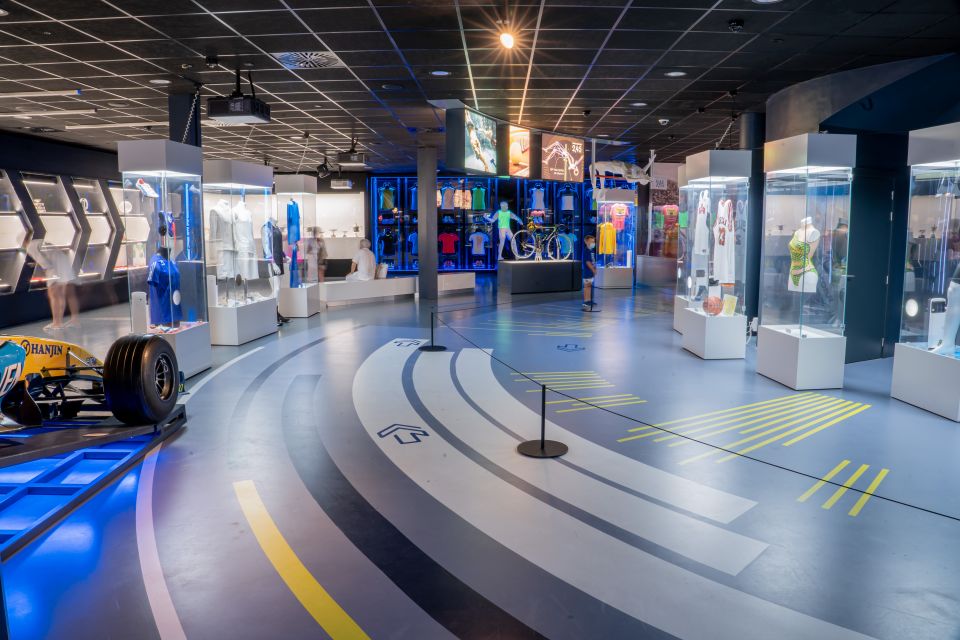
A lot of museums fail at one simple thing: helping you move. This one doesn’t. The layout is organized so you can follow the story without getting lost. And even with a short visit, it feels like you actually saw the major sections rather than just passing through.
Another big plus is staff support. The host/greeter is available in Spanish, Catalan, and English, and the vibe is friendly and practical. I love that kind of help in small museums—where a quick answer can save you from missing something important or misunderstanding what’s available.
The accessibility is also a genuine highlight. The museum is wheelchair accessible, and the exhibition areas are laid out so visitors can access what they want to see. One detail I appreciate: the museum experience feels built for movement, not just for people who can handle tight spaces easily.
Some visitors also note that there are additional sports elements beyond tennis. That can be a nice bonus if you’re going with someone who doesn’t want tennis-only content. It doesn’t change the core theme, but it can make the museum feel less one-note.
And then there’s the practice-court side. Some people mention unexpected access to a top practice court area where you can watch or observe training moments. If that’s the sort of detail that makes sports feel alive for you, it’s worth keeping an eye out for that section when you walk in.
Price And Time In Mallorca: A $10 Exhibition That Doesn’t Waste Your Day
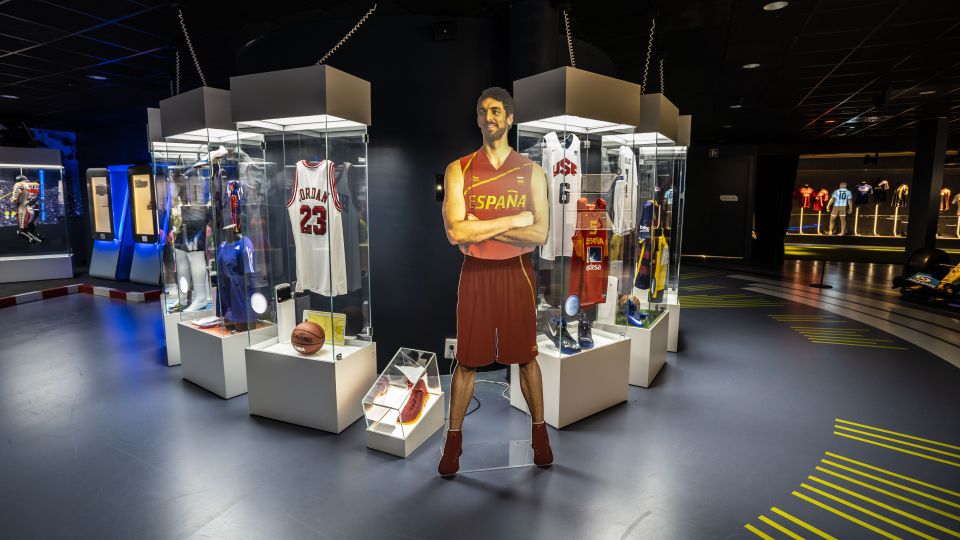
At $10 per person and about 30 minutes, the math is simple: you’re buying a focused experience, not a full-day activity. If you’re spending time in Mallorca anyway, this can work as a great “morning reset,” a rainy-day plan, or a calm cultural break between bigger excursions.
Is it enough time? For most people, yes—if you go with purpose. I’d treat it like a highlights tour, not a slow museum crawl. Your best approach: decide what you care about most (trophies, rackets, or interactive stuff) and let the rest fill in around your priorities.
Where the value gets better is in the quality of the items. The price doesn’t feel like a low-cost tack-on because you’re seeing original trophies and match-linked rackets, not just replicas or generic displays. That “real objects” factor is what separates a good sports museum from a mediocre one.
Also, remember what’s not included. There are no guided tours of the museum or Rafa Nadal Academy facilities included, and there’s no food or catering as part of the ticket. That’s not a deal-breaker, but it means you should expect self-paced time inside the exhibition.
If you’re the type who needs a guide to explain everything, you might find the experience works best if you go in with a bit of interest and curiosity. If you like to learn by looking and reading at your own speed, this is a very natural fit.






Practical Rules That Make Your Visit Smooth (Or Stop It Cold)

Small rules matter in museums. Here are the ones that matter most for your planning:
- No food or drinks inside the exhibition areas. Plan for breaks elsewhere.
- Pets are not allowed, but assistance dogs are allowed.
- No bare feet.
- Alcohol and drugs are not allowed.
Also, since you’re dealing with a timed 30-minute experience, it’s worth showing up ready. Wear comfortable shoes. You won’t need anything fancy, but you do want to move easily through a modern museum space.
If you’re going with kids or a non-tennis fan, the rules won’t be an issue as long as you treat it like a quick, structured visit rather than a picnic. The good news: at least one visitor notes there’s a cafeteria area and outdoor shaded seating nearby, which makes it easier to regroup after you finish inside.
Lastly, remember the last entry timing: enter no later than 30 minutes before closing. If you aim for the final hour, you might feel rushed even if you’re enthusiastic.
Who This Exhibition Is Best For (And Who Should Rethink It)

This experience is a strong match for three groups:
- Tennis fans who want to see the physical legacy of a career in one place.
- Sports fans in general who love objects, gear, and the human side of competition.
- Curious people who enjoy interactive museums—especially because the interactive components make the story easier to understand fast.
It’s also a good choice if you’re traveling in Mallorca and want something that fits into a packed itinerary. Because it’s short, you can combine it with other activities without losing the whole day.
Who might not love it as much? If you’re expecting a long, guided, deep-dive experience with lots of behind-the-scenes access, you could end up feeling like it’s too quick. And if you prefer solo, quiet museum time with minimal interaction, you’ll still be able to see everything, but the interactive bits may feel less meaningful depending on your personal style.
One more nuance: some people mention the museum includes interactive elements where you might do activities or compete. If you dislike that type of “do something” format, focus on the trophies/rackets sections first and treat the rest as optional.
Should You Book The Rafa Nadal Exhibition Ticket in Manacor?
I’d book it if you want a high-impact sports stop for a low price, and if you like the idea of seeing original trophies and match-related rackets in a short visit. The $10 price makes it easy to say yes, and the 30-minute time makes it easy to fit into a Mallorca day without stress.
I’d hesitate only if you’re looking for a long museum experience, deep guided storytelling, or if you’re visiting specifically to use the interactive area during February 18–20 (when it’s closed for maintenance). In those cases, you can still go for the core collection, but adjust expectations about the hands-on part.
If you’re even a casual tennis fan, I think you’ll enjoy it. And if tennis isn’t your main sport, the museum’s modern setup and possible extra sports elements give you a fair shot at having a good time.
FAQ

How long is the Rafa Nadal Exhibition ticket in Manacor?
The experience duration is about 30 minutes.
What does the $10 ticket include?
Your ticket includes full access to the Rafa Nadal Exhibition at the temporary museum in Mallorca.
Where is the meeting point?
The meeting point is Rafa Nadal Museum, Carreteras Cales de Mallorca s/n, Km. 1.2, 07500 Manacor.
Is it wheelchair accessible, and can I skip the ticket line?
Yes, the experience is wheelchair accessible, and skip the ticket line is included.
Are food, drinks, or pets allowed?
Food and drinks are not allowed. Pets are not allowed (assistance dogs are allowed). Bare feet are also not allowed.
What languages are available, and when is the last entry?
The host/greeter is available in Spanish, Catalan, and English. The last entry is 30 minutes before the closing time.