REVIEW · PICO ISLAND
Tours on Pico Island – Cultural and Natural Landscape
Book on GetYourGuide →Operated by LAVAFACES AZORES EXPERIENCE TOURS · Bookable on GetYourGuide
Pico Island does a great job mixing extremes in one day. I especially like the way the route connects Pico’s UNESCO wine heritage with whaling culture at the museum, so you understand how people lived on the island and why. This is a smart option if you want the highlights without turning your day into a map-reading exercise.
Two things you’ll feel fast: you’ll spend time seeing volcanic coast features up close and you’ll get guided context for what you’re looking at, not just viewpoints for photos. One thing to plan for is that food and drinks are not included, so you’ll want to budget for lunch on your own.
In This Review
- Key Things That Make This Pico Tour Worth Your Time
- Pico Island in One Day: How the Route Actually Feels
- Madalena, São Roque do Pico, and Lajes do Pico: The Village Loop That Tells a Story
- Lagoa do Capitão: Endemic Vegetation in a Place You Can’t Fake
- UNESCO Vineyard Culture on Pico: How Wine Becomes a Geography Lesson
- Cachorro and Lajido by the Sea: Lava Fields, Not Just Views
- Whaling Culture and the Whaling Museum: History With Present-Day Threads
- Driving, Timing, and Small-Group Comfort: Why 8 People Changes Everything
- Price and Value ($111): What You’re Getting for a Full Day
- Who This Tour Fits Best (And Who Might Want a Different Plan)
- Should You Book This Pico Island Tour?
- FAQ
- How long is the Pico Island tour?
- What is the group size?
- What languages is the tour guide available in?
- What is the price per person?
- Is hotel pickup and drop-off included?
- Are entry tickets included?
- Are food and drinks included?
- What main sights are included on the route?
- Is there free cancellation?
- Can I reserve now and pay later?
Key Things That Make This Pico Tour Worth Your Time
- Small group (max 8) keeps the day flexible and the stops easier to enjoy
- Lagoa do Capitão is built into the route for a nature moment with endemic vegetation
- You’ll visit three villages: Madalena, São Roque do Pico, and Lajes do Pico
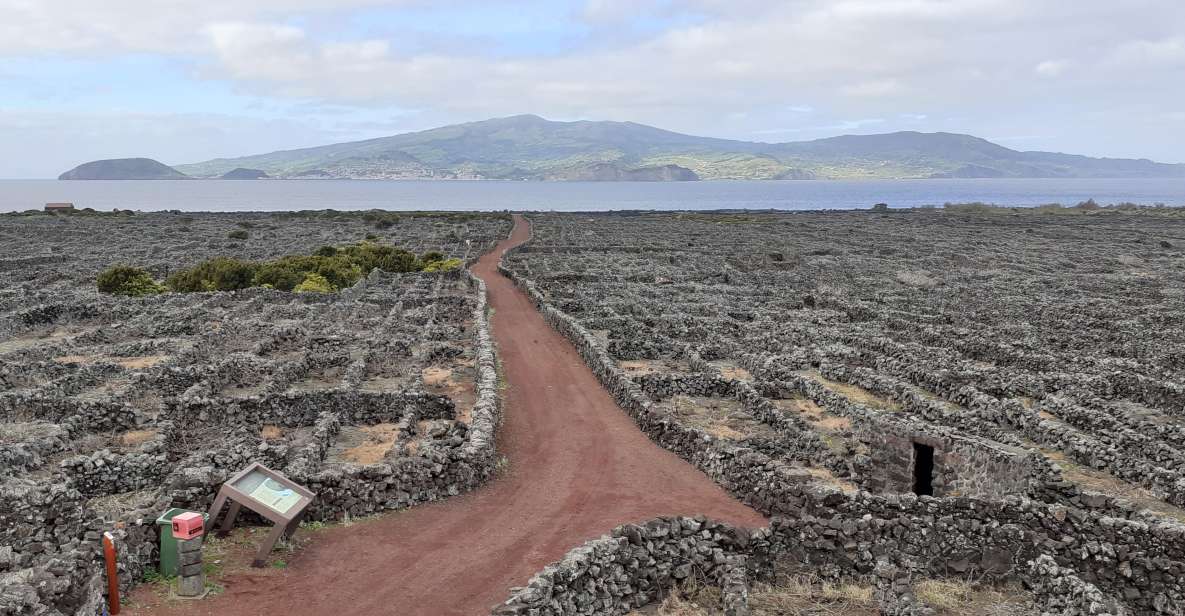
- The tour includes UNESCO-listed Pico’s Vineyard Culture so the wine story makes sense
- Whaling Culture stops plus the Whaling Museum explain both history and present-day context
- You’ll pass Cachorro and Lajido, with seashore scenery shaped by lava fields
Pico Island in One Day: How the Route Actually Feels
This 8.5-hour tour is designed to cover a lot of ground on Pico without rushing you through every stop. The driving route follows Estrada Regional 1/2 along both north and south coasts, which is key: Pico’s story changes as you move, and that road helps you see that shift without bouncing around on tiny back roads.
You’ll also notice the balance of the day. It’s not “only scenic stops.” It’s “scenery with meaning,” tied to how the island’s people built their livelihoods—wine production and whaling—on a volcanic island that demands respect. That context is why the tour works so well for first-timers.
And you’re not stuck with a big bus crowd. With a maximum of 8 participants, you get more time at viewpoints, and it’s easier to ask the guide a question when something catches your eye—like how lava shaped the coast, or what the term Mistérios refers to in the island’s story.
You can also read our reviews of more tours and experiences in Pico Island.

Madalena, São Roque do Pico, and Lajes do Pico: The Village Loop That Tells a Story
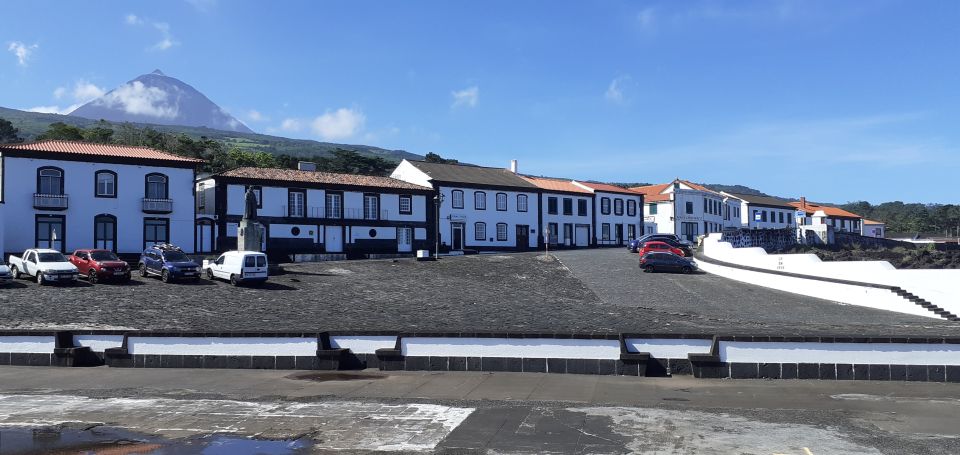
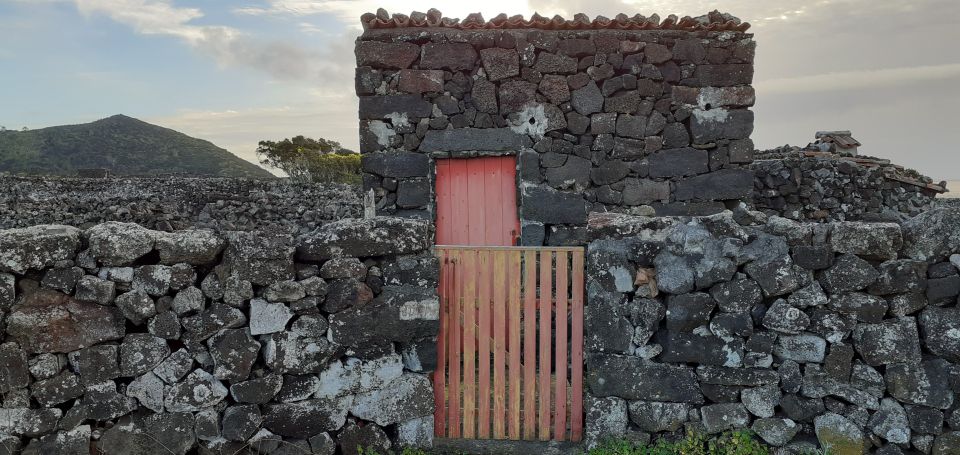
The backbone of the day is the visit to three villages: Madalena, São Roque do Pico, and Lajes do Pico. Even if you only scratch the surface of each place, you start to see how Pico functions as a living island, not a postcard.
Madalena is a strong starting point because it’s where you get your bearings fast—coastal life meets the island’s deeper rhythms. It’s also a practical hub for pickup, and in the real world that matters if you’re arriving by ferry or moving between islands.
Then you head toward São Roque do Pico, where the vibe shifts with the island’s volcanic setting and with the cultural focus of the day. This is a good area to understand why wine culture took root where it did, and how the environment influences what people can grow and build.
Finally, Lajes do Pico rounds the loop. This stop helps you see a different side of day-to-day Pico life, especially when the route later starts connecting more clearly to whaling history and the island’s coastal story. By the time you reach the outer edges of the itinerary, the villages feel less random and more like chapters.
If you’re the type who gets restless when a tour skips town centers, this village sequence is a big win. It also gives you more chances to step out, stretch your legs, and keep energy up during a full-day experience.
Lagoa do Capitão: Endemic Vegetation in a Place You Can’t Fake
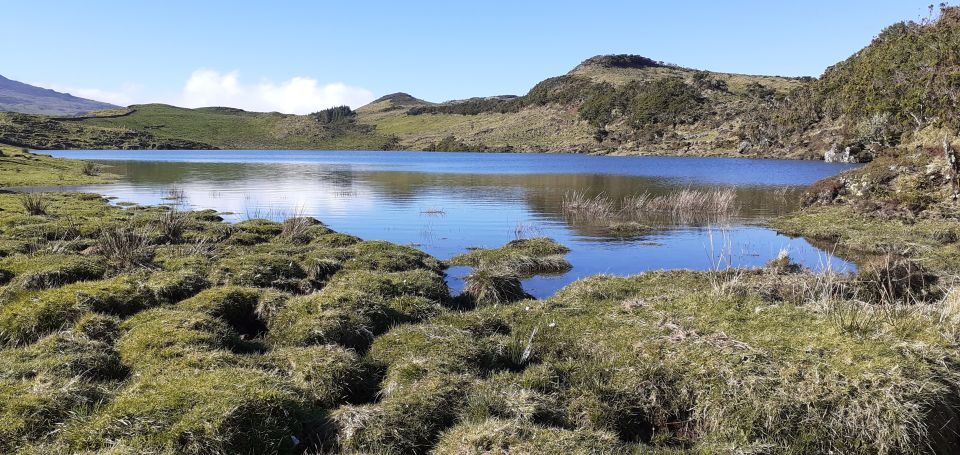
One of the most distinctive inclusions is Lagoa do Capitão. This stop isn’t just another pretty water-and-volcano moment. It’s where you can appreciate endemic vegetation—plants that are native to the island and adapted to Pico’s conditions.
That’s a meaningful change from purely cultural stops. Pico’s identity isn’t only in buildings and museums; it’s also in the living details. When your guide frames what you’re seeing here, you start understanding why conservation and natural heritage matter on islands like this.
Practical tip: if the weather is changeable (Azores weather can be moody), take a good look from the main viewpoints first, then keep your eyes on the ground level. Endemic vegetation is often more about noticing the smaller shapes and textures than spotting a single “wow” plant from far away.
UNESCO Vineyard Culture on Pico: How Wine Becomes a Geography Lesson
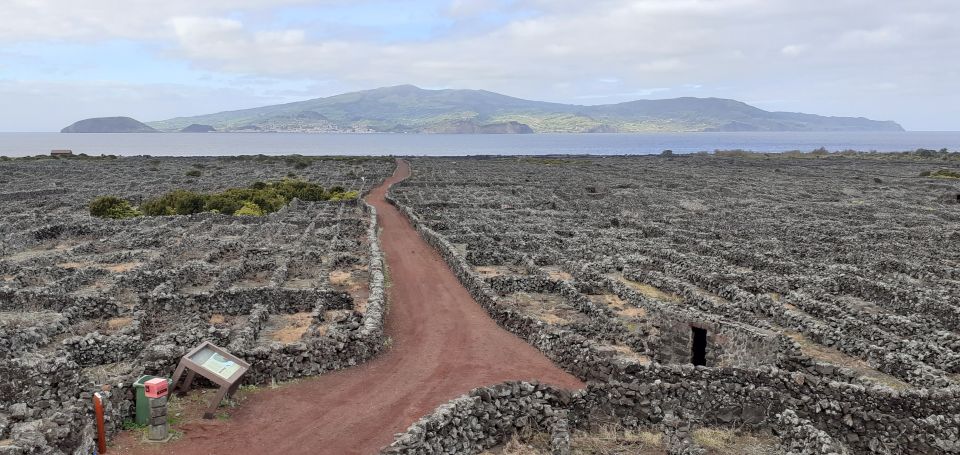
The itinerary includes a visit to Pico’s Vineyard Culture Landscape, classified as a World Heritage site by UNESCO. I like this part because it’s not abstract. The wine story on Pico is tied to the island’s terrain, and your guide’s job is to connect those dots.
Vineyards on Pico can feel like a puzzle at first glance—why here, how it works, and how people made agriculture possible in a volcanic setting. With the UNESCO context built into the day, you don’t just see rows of vines. You learn why they matter and how they reflect human adaptation over time.
This is also one of the easiest areas to appreciate value on a tour. Entry visits and guided context are included, and wine heritage is exactly the type of topic where a good explanation can turn a quick stop into a real “I get it now” moment.
If you’re a wine person, you’ll likely enjoy the direction. If you’re not, you’ll still benefit because the vineyards function like a window into land-use, survival, and identity on Pico. That’s what makes it more than a tasting-style detour (food is not included, but the cultural understanding is).
Cachorro and Lajido by the Sea: Lava Fields, Not Just Views
After the vineyard heritage stops, the day shifts into what Pico looks like when you get close to its volcanic body. The route includes popular places Cachorro and Lajido, and the focus here is on the seashore and the presence of vast lava fields.
This is where you’ll start seeing volcanic features as something more than “cool rocks.” Lava fields explain the island’s uneven coastline, the way land meets water, and why some areas feel rugged while others invite settlements and paths. The tour is especially good at making that connection for you, which keeps the stops from feeling repetitive.
A quick reality check: this portion of the day can feel a bit more active just because you’ll likely be outside, looking at rock textures and coastal edges. It’s not described as a long hike, but expect walking around viewpoints and uneven terrain near the shore.
If you want the most out of Cachorro and Lajido, do this simple thing: stop taking photos for a minute and ask your guide what to look for in the lava formations. That one prompt tends to make the scenery click.

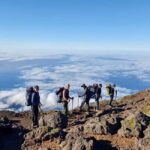
Whaling Culture and the Whaling Museum: History With Present-Day Threads
The tour’s cultural arc continues with stops connected to whaling culture, including a visit to the Whaling Museum. For many people, this is the surprise factor: Pico’s relationship with the sea wasn’t only about fishing and travel. It shaped jobs, technology, and community life.
What I like here is that the itinerary isn’t stuck in old stories. It includes historical information and nowadays facts, with special attention to the mysteries from which the island shaped. That framing matters because it helps you see whaling as both a past industry and part of the ongoing way the island interprets itself.
Museums work best on tours when you’re not left alone with a pile of labels. This one is paired with route context, so the museum visit feels like the “why” portion of the day—while earlier stops (villages, coastlines, endemic nature) provide the setting.
Practical tip: plan to spend enough time at the museum to read the explanations slowly. If you rush through it, you miss how much the island’s storytelling relies on details.
Driving, Timing, and Small-Group Comfort: Why 8 People Changes Everything
The logistics here are a big part of the value. You get hotel pickup and drop-off, plus transfers from and to public transportation. That’s not just convenience. It means you’re not wasting half the day coordinating buses, taxis, and parking—especially helpful on an island where everyone is working on their own schedule.
The small group size—limited to 8—also changes the feel of the tour. In a larger group, the guide has to optimize stops. With a smaller group, there’s room for short detours and more flexible pacing if visibility or timing shifts.
This is the kind of day where you’ll appreciate a safe driver. The route covers coast roads and volcanic terrain, and comfort matters when you’re moving for most of the day. The tour’s format supports that, and you’ll likely find the pacing gives you time to look rather than race from one stop to the next.
If you’re coming solo, this tour tends to work well too, because the group is small and the guide can handle different starting points without turning the day awkward.
Price and Value ($111): What You’re Getting for a Full Day
At $111 per person, this tour isn’t trying to be a “cheap day bus.” You’re paying for a guided route that bundles together:
- pickup and drop-off, plus transportation along the island’s key areas
- entry visits to included stops
- insurance
- a live guide in English and Portuguese
- an itinerary that covers wine heritage, endemic nature, volcanic coast features, and whaling culture
The math becomes more favorable if you would otherwise rent a car, pay for museum/entry tickets on your own, and spend time figuring out what’s worth your limited time on Pico. A car can work, but it also means you’re the navigator and driver through changing weather and road conditions. Here, you’re mostly a passenger with context.
One trade-off: food and drinks are not included, so add lunch to your mental budget. If you’re the kind of person who likes a relaxed meal break, plan for that. The tour gives you time for exploring, and you’ll want energy for the later coastal and museum segments.
Who This Tour Fits Best (And Who Might Want a Different Plan)
You’ll likely love this experience if:
- it’s your first time on Pico and you want a clear overview without car logistics
- you care about both wine culture and whaling history
- you enjoy nature stops that go beyond “stand and look”
- you’d rather have a guide point out what matters than figure it out solo
You might consider a different approach if:
- you hate full-day schedules and prefer slower, shorter outings
- you’re mainly interested in long hikes (this day focuses on route and key stops)
- you want food included in the ticket price (this one keeps meals on your own)
If you’re deciding between “car it” and “tour it,” this is a strong middle ground. It hits the main pillars of Pico—vineyards, coast, endemic nature, and whaling—without leaving you exhausted by planning.
Should You Book This Pico Island Tour?
If your goal is to understand Pico, not just “see it,” I’d book this. The route is packed in a sensible way: villages set context, Lagoa do Capitão adds the natural heritage layer, UNESCO wine culture gives you the human-land connection, and the whaling museum brings the sea story into focus.
Two practical reasons to lean yes:
1) You’re getting guided entry visits and transportation bundled together, which protects your time.
2) The small-group size makes the day feel more like a conversation than a checklist.
One last nudge: since food and drinks aren’t included, think about lunch in advance. Bring your energy plan (snacks, water, or a budget for a sit-down meal), and you’ll enjoy the whole 8.5 hours without running on fumes.
FAQ
How long is the Pico Island tour?
The duration is about 8.5 hours.
What is the group size?
It’s a small group limited to 8 participants.
What languages is the tour guide available in?
The live tour guide works in English and Portuguese.
What is the price per person?
The price is $111 per person.
Is hotel pickup and drop-off included?
Yes, hotel pickup and drop-off are included.
Are entry tickets included?
Yes, entry visits are included as part of the tour.
Are food and drinks included?
No. Food and drinks are not included.
What main sights are included on the route?
You’ll visit Lagoa do Capitão, you’ll see the UNESCO-classified Pico vineyard culture site, you’ll pass places including Cachorro and Lajido, and you’ll include whaling culture stops with a visit to the Whaling Museum.
Is there free cancellation?
Yes. You can cancel up to 24 hours in advance for a full refund.
Can I reserve now and pay later?
Yes. The option to reserve now & pay later is available.