REVIEW · PICO ISLAND
Pico island: Climb Mount Pico, highest mountain in Portugal
Book on GetYourGuide →Operated by Hominis natura · Bookable on GetYourGuide
Portugal’s highest climb rewards your legs. On Pico Island, this guided hike takes you from the Mountain House up to Piquinho (2351 m) for summit views and real lessons on the island’s geology. I especially like the Certified Pico Mountain Guide setup and how the plan focuses on safety and pacing. One possible drawback: it’s weather-dependent, and the descent can feel brutal if you’re not comfortable on loose, steep ground.
What makes this hike feel different is the way the terrain keeps changing. You start through native vegetation, then the ground shifts from mud to rock and later to loose rock and sand, with a hands-on final stretch for balance. A good fit here is someone who’s prepared for a physically demanding day, not just a casual walk.
Guides like Petro and Steffi are praised for staying helpful, keeping an appropriate pace for mixed group members, and even stepping in quickly when someone slipped on the way down. The experience runs in English, Dutch, and Portuguese, and you’ll get hiking poles plus entry into the Mount Pico Natural Reserve.
In This Review
- Key things to know before you hike Mount Pico
- Mount Pico in real terms: 8 km, 1100 m up, and a summit that changes your perspective
- The Mountain House start: where your pacing and safety get set
- Into the Natural Reserve: native vegetation and geology you can actually spot
- The summit push to Piquinho: where you use hands and keep your focus
- Summit views: 2351 m of perspective, and what clouds can change
- The descent: 3–4 hours of careful knees and confident steps
- What you get for $91 per person (and why it’s more than a ticket)
- Bring the right kit: footwear, water, and the stuff that saves your day
- Who should book this Mount Pico hike (and who should skip it)
- Weather and timing: when the mountain decides the plan
- Should you book Mount Pico with a certified guide?
- FAQ
- How long does the Mount Pico climb take?
- What is the route distance and elevation gain?
- Is Mount Pico suitable for beginners?
- What should I wear and bring?
- What’s included in the price?
- Which languages are available?
- What if the weather is bad?
Key things to know before you hike Mount Pico
- Meeting at the Mountain House with a 20-minute safety briefing before anyone starts walking
- A long crater approach: about 3 hours to reach that final zone, with terrain that changes often
- Hands for the last 15 minutes to Piquinho, so you’ll want to stay calm and steady
- Descent is the hard part (about 3–4 hours), even when the route looks familiar
- Certified guiding and real-time support, with guides like Petro and Steffi noted for pacing and help on the downhill
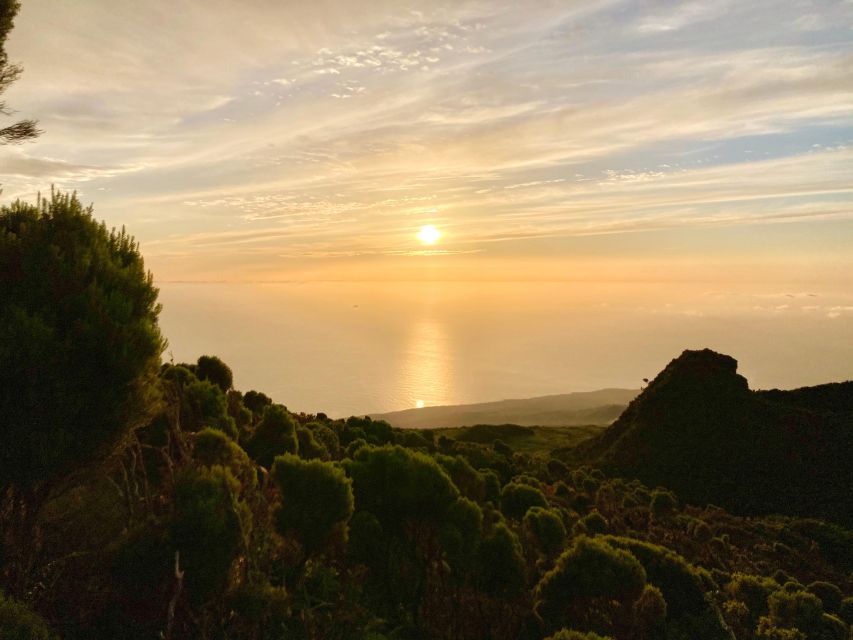
- Views depend on weather, but it’s still rewarding even when clouds roll in
Mount Pico in real terms: 8 km, 1100 m up, and a summit that changes your perspective
Mount Pico is Portugal’s highest mountain, and this route is built like a proper high-elevation workout. On paper, it’s 8 km with about 1100 m ascent and 1100 m descent, done over roughly 8 hours. That means you don’t just “walk uphill.” You climb—then you climb again with fatigue in your legs—then you spend hours managing your footing on the way down.
The good news is that the guidance is not vague. You’re hiking with a certified Pico Mountain Guide, and the day begins with a safety briefing at the Mountain House. That matters because Pico’s weather and footing can turn tricky fast, and your guide can adjust what’s safe for the group.
This hike is rated physical effort: 3 and technical difficulty: 2.5. Translated into everyday terms: expect a strong leg day and some moments where you’ll need care, balance, and grip—not constant scrambling, but definitely not a flat stroll.
You can also read our reviews of more tours and experiences in Pico Island.

The Mountain House start: where your pacing and safety get set
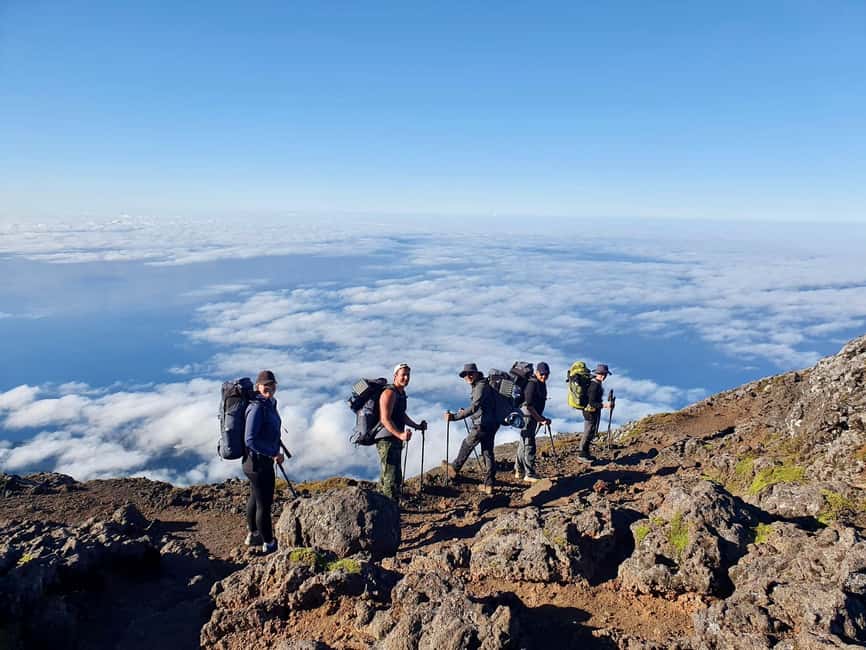
The activity begins at the Mountain House, where your guide is inside and ready to meet you. Before you move, you’ll get a 20-minute safety briefing. This is not wasted time. It’s the moment to learn what to watch for on the terrain, how the group will move, and what conditions might mean you stop earlier for everyone’s safety.
From there, you begin the hike into the Mount Pico Natural Reserve. The guide’s role here is practical: you’ll learn about the island’s flora and geology while you walk, but you’ll also get real-time advice on how fast to go and how to handle changing ground.
If you’re coming from sea level or you’re not used to elevation on a long day, this kind of guided start helps you avoid the common mistake: sprinting at the beginning because you feel good. A steady pace is the difference between finishing with energy and finishing with a heavy, shaky knee feeling.
Into the Natural Reserve: native vegetation and geology you can actually spot
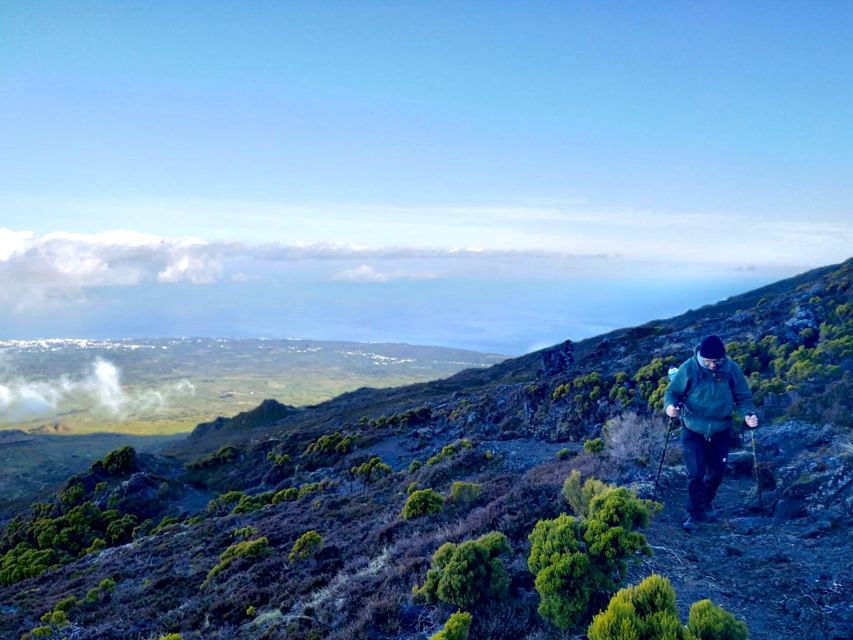
The climb’s first section goes through native vegetation and transitions into noticeable geological structures. That’s part of why this hike is more than just exercise. Pico’s environment is shaped by volcanic history, and the guide helps you connect what you’re seeing—plants, ground changes, and rock patterns—to how the mountain formed.
You’ll also get a sense of how the hike “builds” difficulty. Early on, the route acts like a preview of what’s coming. If you’re having trouble in the first part, your guide may advise stopping for safety and group well-being. That’s worth respecting: this hike has enough physical challenge without forcing it into a bad match for your current condition.
As you continue, the surface changes in clear stages:
- mud and softer ground early on
- solid rock in parts
- later, loose rock and sand that can slide under your feet
Those shifts are why good footwear matters so much. The Natural Park will refuse access if you don’t wear the right hiking boots or hiking shoes with good grip—not just any sneaker.
The summit push to Piquinho: where you use hands and keep your focus
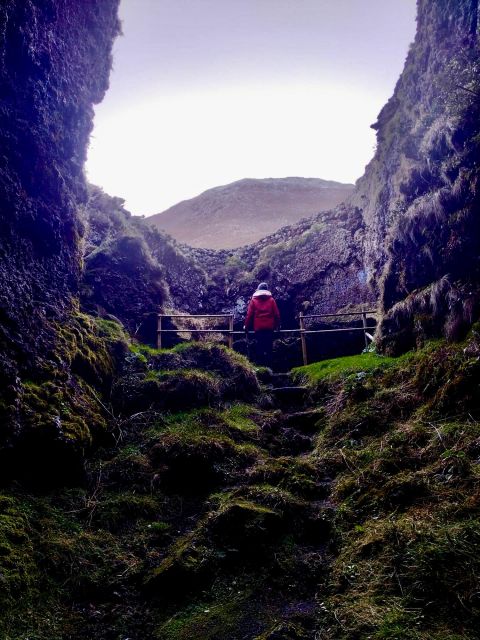
The route to the crater takes about 3 hours, with those shifting footing types along the way. Then the last segment becomes more “mountain” than “trail.”
The final 15 minutes to the top at Piquinho require using your hands for stability. That doesn’t mean it’s an ice-climb style route, but it does mean you’ll want to:
- keep a slow rhythm
- test each step before committing weight
- stay mentally calm when your footing tightens
This is where fear of heights can become a real issue. The experience is not suitable for people afraid of heights, and it’s also not a place to push through if you’re already stressed on uneven surfaces.
On the flip side, this last push is also one of the most satisfying parts of the day. When you reach the top, you feel the whole island expand around you.
Summit views: 2351 m of perspective, and what clouds can change
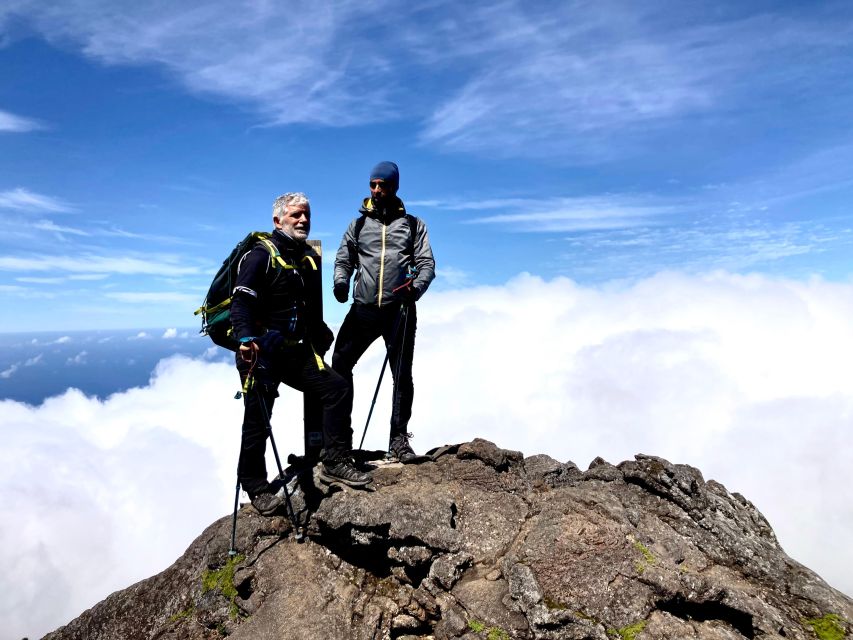
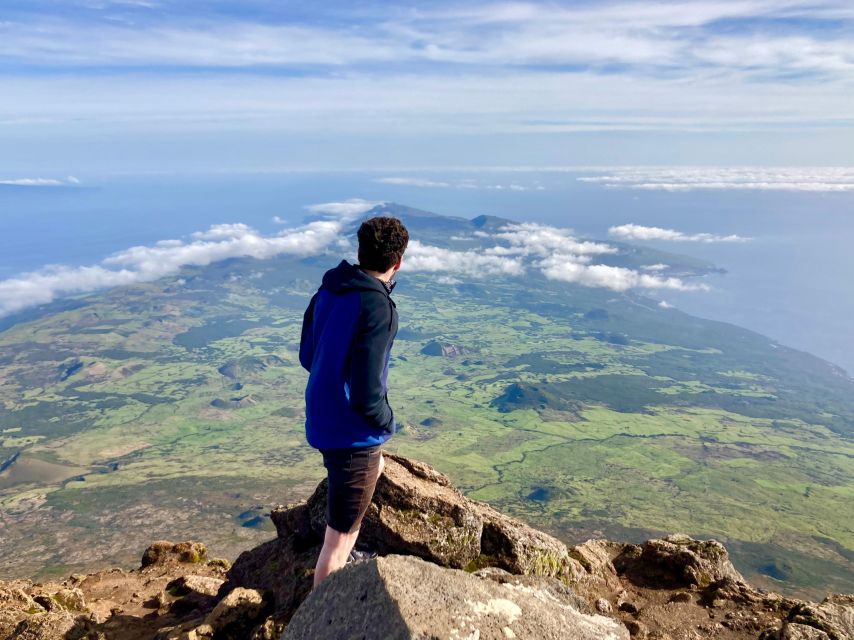
At the summit, you’re at 2351 meters above sea level. The reward is the sense of scale—immensity on Pico, and the option for a broad view across the central group islands when weather allows.
You might get clear 360° panorama conditions. Or you might get cloud cover that hides the distant islands. Either way, the moment at Piquinho is still the highlight: you’re standing on Portugal’s highest point, and the hike earns that status.
Even in cloudy weather, guides can still help you interpret what’s visible—how light changes the rock and vegetation, and what the terrain is telling you. If you’re the type who enjoys understanding what you’re looking at, this part lands well.

The descent: 3–4 hours of careful knees and confident steps
The descent is often the hardest part, and this activity clearly treats it that way. After your final impression at Piquinho, you’ll begin the return along the same main route.
Expect about 3–4 hours downhill. That length matters because gravity turns loose surfaces into trouble. The sandier and loose-rock sections are especially tricky when you’re tired, and your muscles start to lose fine control.
This is also the moment when the guide’s tips become gold. The guiding strategy here is simple: adjust foot placement, keep your center of balance over your supporting leg, and slow down before speed becomes a risk. That’s why good hiking poles are included and why you’ll want to use them during the descent.
From the guide praise you’ll see, it’s clear that the better guides don’t just talk—they actively manage safety. In particular, Steffi is mentioned for helping quickly after a mild slip on the way down, which gives you confidence that you’re in capable hands.
What you get for $91 per person (and why it’s more than a ticket)
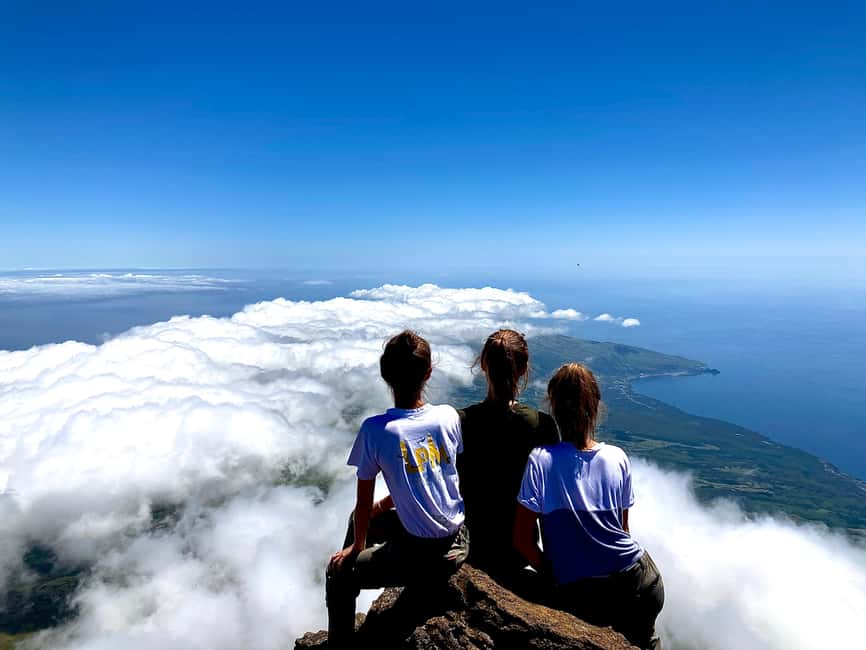
At $91 per person for an 8-hour climb, the price makes sense because you’re paying for several key things that you’d otherwise have to assemble yourself:
- a Certified Pico Mountain Guide
- access to the Mount Pico Natural Reserve
- hiking poles
- Allianz Personal Accident Insurance
- a certificate
On Pico, where conditions can shift and access has rules, having a guide and reserve access included is not small stuff. You’re not just buying views. You’re buying structured risk management and equipment support.
Also, guide languages are a practical value point. This runs in English, Dutch, and Portuguese, which helps you absorb safety guidance without guessing.
Bring the right kit: footwear, water, and the stuff that saves your day
This is where most self-guided hikers stumble: not packing for the mountain, then paying for it later. For this climb, you should bring:
- hiking shoes with good grip (sports shoes are not allowed)
- water
- a daypack
- food
- sunscreen and sunglasses
- weather-appropriate clothing plus rain gear
If you’re choosing layers, think about wind and temperature at elevation. Even in warmer months, the summit zone can feel cooler, and a sudden shower can make the footing slick.
And yes, you’ll be happy you brought trekking poles. Even though they’re included, your body still needs time to adapt to using them smoothly.
Who should book this Mount Pico hike (and who should skip it)
This is a demanding day. It’s best for people who:
- have good physical preparation
- are comfortable with steep sections and loose ground
- can handle a summit moment that involves using your hands briefly
It’s not suitable for a long list of situations: children under 12, wheelchair users, people with back problems, heart problems, respiratory issues, recent surgeries, pregnancy, or anyone with a low fitness level. It’s also not suitable if you’re afraid of heights.
If you’re on the fence because you’re worried about the descent, remember: your guide will give tips, but the terrain still demands attention. If you can’t confidently manage steep, rocky, sliding footing, you’ll feel it.
Weather and timing: when the mountain decides the plan
This climb is weather-dependent. That means the hike can be cancelled just before it starts if conditions aren’t safe. And that can be frustrating, but it’s also the right call on a volcano peak where visibility, wind, or ground conditions can shift quickly.
The duration is listed as 8 hours, and starting times vary by availability. If your trip has tight connections or you’re banking on a single window, it’s smart to keep flexibility—or plan a backup activity for Pico Island.
Should you book Mount Pico with a certified guide?
If you want Portugal’s highest point and you care about doing it safely, I think you should book. The mix of certified guiding, reserve access, poles, and structured pacing makes this a better option than trying to improvise your own hike—especially on a route that includes a hands-on final climb and a long, demanding descent.
Skip this if you’re not confident on steep, changing terrain or if any of the health and comfort restrictions apply to you. This is not a casual hike. It’s a climb with real altitude effort and a mountain that asks for attention at every step.
If you’re ready to work for that summit feeling at 2351 m, this is one of the most meaningful ways to experience Pico Island.
FAQ
How long does the Mount Pico climb take?
The hike lasts about 8 hours, including the climb, time in the Mount Pico Natural Reserve, and the descent back to the Mountain House.
What is the route distance and elevation gain?
The route covers about 8 km with roughly 1100 m ascent and 1100 m descent. The maximum height is 2351 m and the minimum height is 1250 m.
Is Mount Pico suitable for beginners?
It’s listed as difficult enough to require good physical preparation. It includes steep sections, changing terrain, and the last 15 minutes to the summit require using your hands for stability.
What should I wear and bring?
Wear hiking boots or hiking shoes with a good grip. Sports shoes are not allowed. Bring sunscreen, sunglasses, rain gear, a daypack, water, and food, plus weather-appropriate clothing.
What’s included in the price?
You get a certified Pico Mountain Guide, access to the Mount Pico Natural Reserve, hiking poles, Allianz personal accident insurance, and a certificate.
Which languages are available?
The live tour guide is available in English, Dutch, and Portuguese.
What if the weather is bad?
The activity is weather-dependent and can be cancelled just before it starts. You also can cancel up to 24 hours in advance for a full refund. If you’re bringing a drone, you must register with ANAC (Portuguese Civil Aviation Authority).