REVIEW · PICO ISLAND
Pico Mountain Climb: Portugal’s Highest Point – 2351 meters
Book on GetYourGuide →Operated by GO CLIMB Azores · Bookable on GetYourGuide
Portugal’s highest point is a real climb. This guided Pico hike to Piquinho (2351 m) mixes a serious ascent with coffee stops and photo/video coverage, so the day feels special beyond the workout. I love the way the guide handles the early safety briefing and equipment check, and I love that you get free coffee plus photos/videos on the way up. One possible drawback: the descent is steep and can feel tougher than the climb if your legs are already cooked.
Up at the volcano zone, you’ll get that rare feeling of standing near permanent fumaroles while the island spreads out below you. Expect uneven volcanic terrain, loose rock, and weather that can be anything from clear to spicy, so your best day plan is good shoes and a calm pace.
In This Review
- Key highlights I’d bookmark before you go
- Piquinho at 2351 m: what you’re signing up for
- Mountain House check-in and the safety briefing that sets the tone
- The 8 km uphill: coffee, viewpoints, and the 30% reality
- Mount Pico Natural Reserve: guided time on the real terrain
- Volcano crater pause and the lava cone moment
- Summit views, plus guides who capture it for you
- Descent timing: fewer stops, stronger leg burn
- Who this hike suits (and who should skip it)
- Price and value: what $90 really buys you
- What to bring so the hike stays fun
- Should you book this Pico Mountain Climb?
- FAQ
- Where do I meet for the Pico Mountain Climb?
- How long does the hike take?
- What’s included in the price?
- Is coffee included?
- Do I need to bring my own hiking equipment?
- What shoes are allowed?
- What languages are offered by the guide?
- Is the climb suitable for kids or older adults?
Key highlights I’d bookmark before you go
- Portugal’s highest point: Piquinho at 2351 meters for a true summit goal
- A full-day guided route on volcanic rock with an average 30% slope on the descent section
- Free coffee along the way plus photos and videos to capture the hard-earned moment
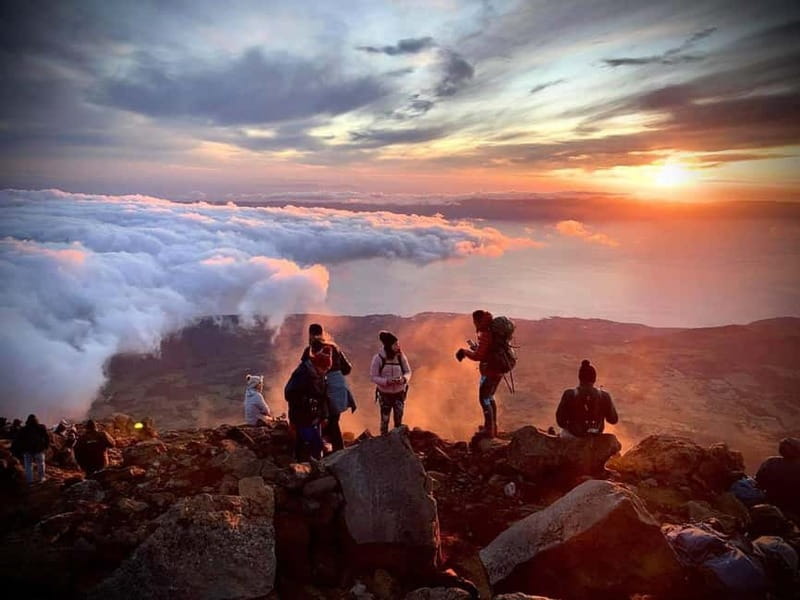
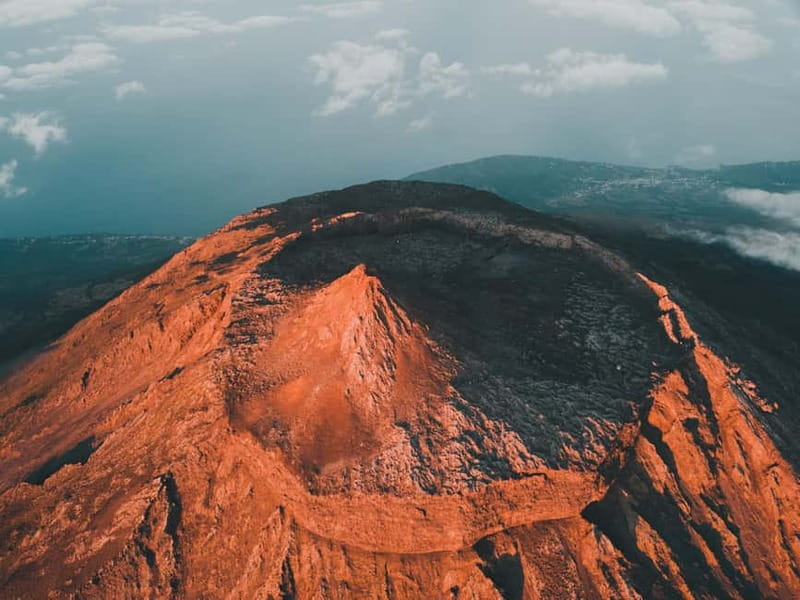
- Volcano crater + lava cone with visible fumaroles near the top
- Guides keep you moving safely through uneven ground and loose sections
- Panoramic views that can be wide enough to spot multiple islands on a clear day
Piquinho at 2351 m: what you’re signing up for
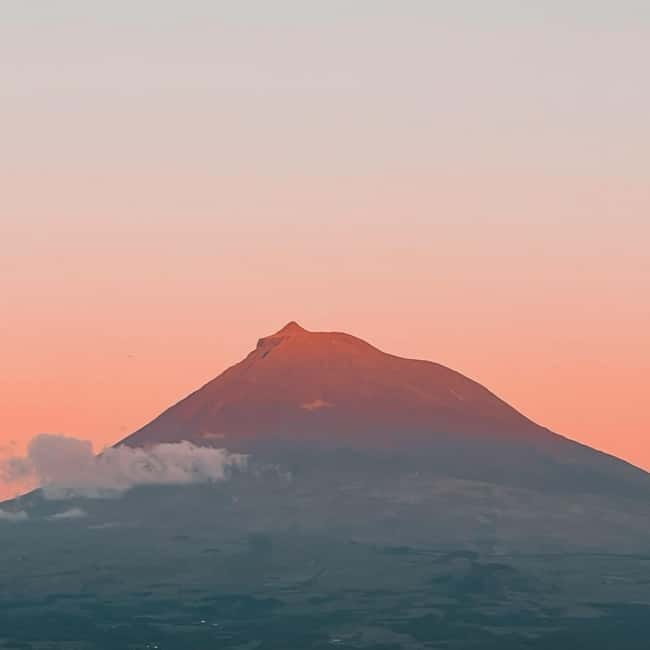
This is not a casual walk in the woods. You’re climbing to Pico Mountain’s summit area to reach Portugal’s highest point, Piquinho, sitting at 2351 meters. The route is about 7 hours total for the experience, with roughly 8 km of trail time under a guide’s direction.
You’ll be working uphill, but the bigger lesson is that the terrain changes as you go. Early on, the trail eases you in; the closer you get to the top, the ground gets harder and more demanding, with loose rocks and uneven patches that ask for your attention. If you’re hoping for a lazy day, this won’t match that mood.
You can also read our reviews of more tours and experiences in Pico Island.
Mountain House check-in and the safety briefing that sets the tone
You start at the Mountain House in Madalena, where staff check you in and your guide is waiting. Before you move, you get a focused safety briefing (around 10 minutes) and an equipment check. This matters because Pico’s terrain can be slippery, and the last thing you want is to figure things out mid-hike.
Walking sticks are provided, which is a huge help for a long day on rocky volcanic ground. You’re also covered by personal accident insurance, so the day feels more secure than going fully on your own. Guides lead the route, so you’re not left guessing turns or pacing in high-stakes terrain.
The 8 km uphill: coffee, viewpoints, and the 30% reality
Once you’re moving, you’ll hike along an 8-km trail guided throughout. The route is described as having an average 30% slope on the descent path, and in practice that means your legs will notice the gradient—especially later in the day.
There are built-in breaks. You’ll stop at a viewpoint for a short break and photo time (about 5 minutes). Then, as you progress deeper into the route through the Mount Pico Natural Reserve, you’ll hit additional photo moments designed to keep the pace reasonable without dragging the schedule out forever.
Watch your footing when the trail stiffens. Loose rocks and unevenness are part of the experience near the summit approach, and the guide’s job is to keep the group safe through that section. I’d treat this as a “slow is smooth” hike: you don’t win points by sprinting up volcano rock.
Mount Pico Natural Reserve: guided time on the real terrain
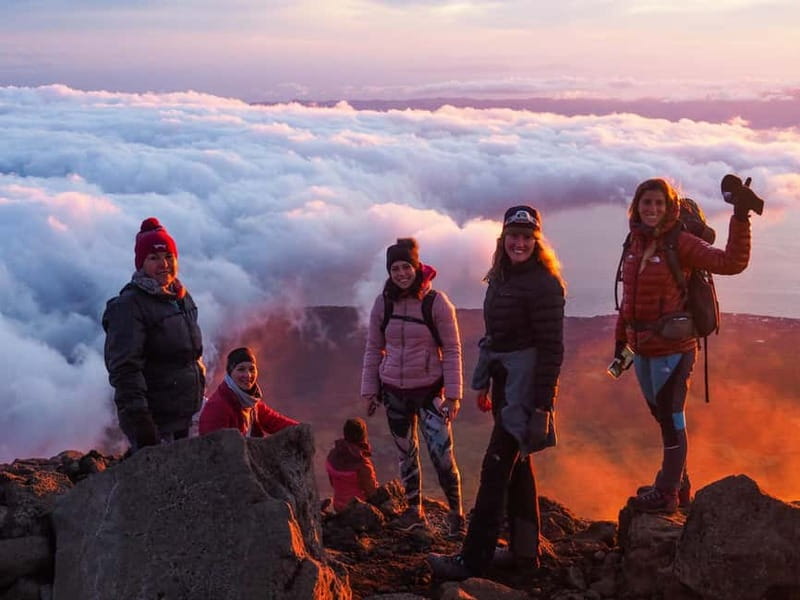
A big chunk of the day happens inside the Mount Pico Natural Reserve, where the hike shifts from “getting there” to “working for it.” You’ll get guided segments that last about 1.5 to 2 hours at a time, with short breaks and a few chances to stop for photos.
These guided stretches are valuable because they keep you oriented. Even if you’re fit, a summit hike has its own rhythm: the guide sets expectations for pacing, notes where to be careful, and helps you keep momentum without turning the climb into chaos. On a long day, that structure can be the difference between enjoying the hike and just surviving it.
You’ll also spend time at a few “secret stop” type moments for a brief break and photo pause (around 10 minutes). Think of those as sanity savers: short enough to keep you moving, long enough to catch your breath, sip water, and take the next section seriously.
Volcano crater pause and the lava cone moment
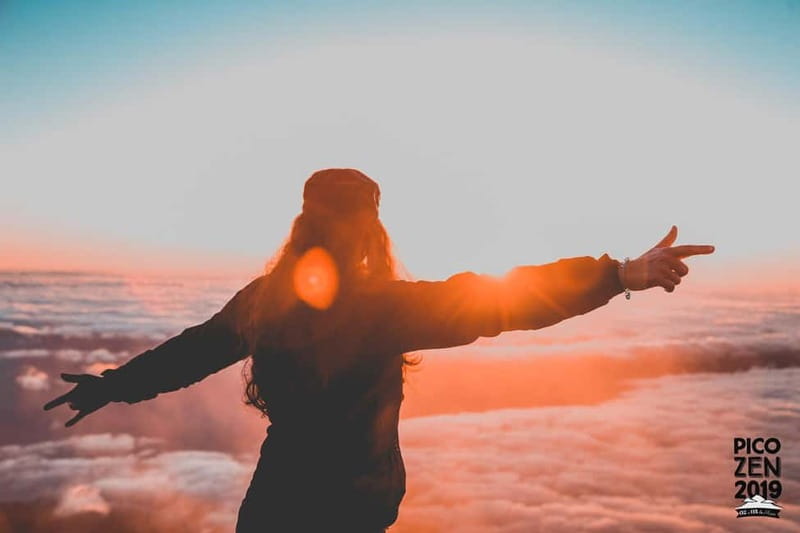
Near the top, you’ll feel the climb shift into a more intense phase. There’s a time to rest in the volcano crater near the upper area, which gives you a breather before the final push.
Then comes the distinctive part: you scale the lava cone, including permanent fumaroles—steam vents that remind you you’re on an active volcano landscape. This isn’t just a scenic stop. It’s the physical feeling of being at altitude on volcanic ground, with the environment doing the talking.
In that final stretch, take your time. Even on a clear day, air and wind can affect how fast you feel you can climb. The guide helps you navigate safely, but your job is to stay steady and keep your breathing controlled so you don’t burn out too early.
Summit views, plus guides who capture it for you
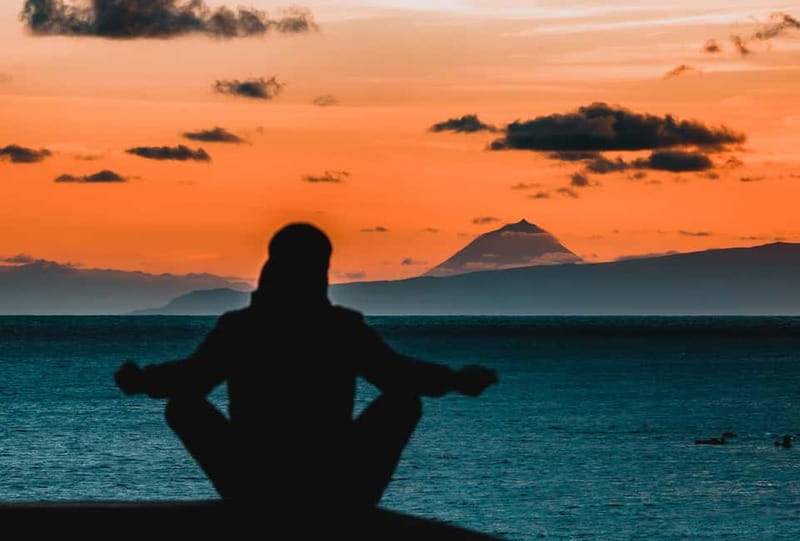
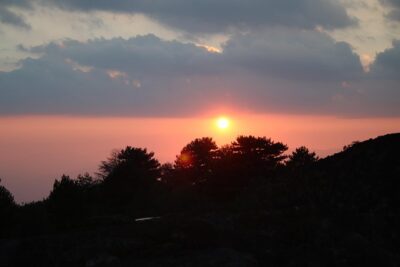
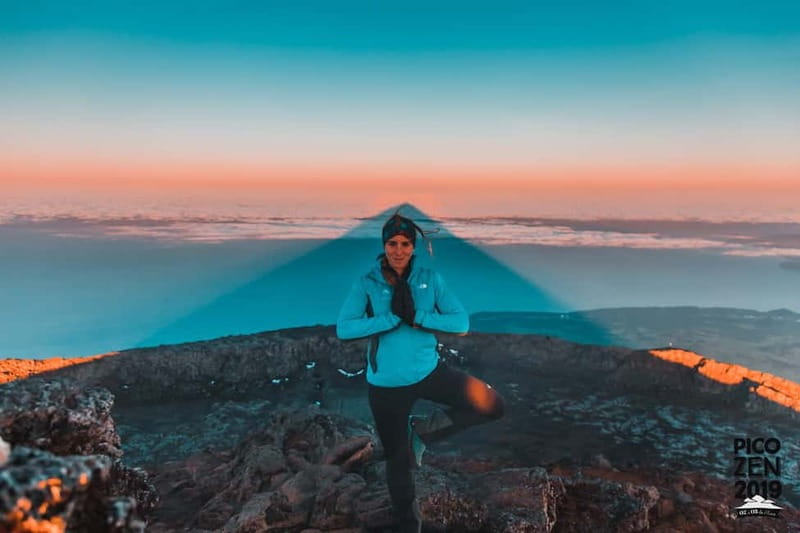
Reaching the top is the main prize, and you’ll feel it quickly: a mix of accomplishment and that breathy, quiet moment where everything else fades out. The views are panoramic across the island, and on a clear day you may be able to see multiple islands—one guide story I heard highlighted seeing four islands from a good visibility day.
The summit also includes the kind of moment you’ll want proof of later. Photos and videos are included, and guides actually capture the experience as you climb and reach the top. People talk about the guide setup in plain terms: it’s not just “there’s a camera.” It’s planned photo time.
Coffee is a standout detail too. Guides provide free coffee, and one guide’s coffee was called out as the best you’ll have at the summit. That tiny reward hits harder after a tough climb, and it’s part of why this doesn’t feel like a plain hike contract.
Descent timing: fewer stops, stronger leg burn
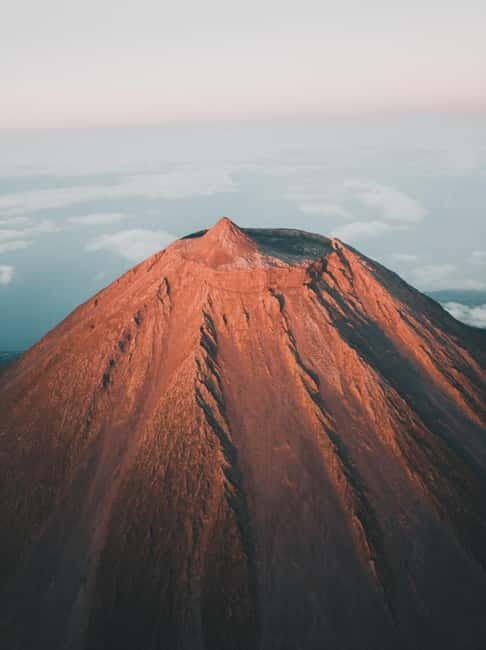
The descent is where the day tests you. You’ll head down after the summit experience, with fewer stops designed to keep your leg muscles active rather than turning the return into long waits. That approach helps the hike stay efficient, but it also means you’ll need strong downhill technique.
Given the described average 30% slope on the volcanic rock route, your knees and shins will feel it if you rush. Loose rocks and uneven ground can trip you up going down too, so stay focused even when your body wants to speed up. If you’ve ever had a hike where the bottom beat you up, this is that category.
The plus side is psychological. When you see you’re finishing, you get that mission accomplished feeling that sticks. It’s the kind of hike where you’ll remember the last turns as clearly as the summit.
Who this hike suits (and who should skip it)
This experience is not for everyone. It’s not suitable for children under 12, people with low fitness, people with back problems, pregnant women, people with mobility impairments, wheelchair users, or people over 70. If you have any medical limits that make steep descents risky, you should choose something gentler.
That said, it’s a good match if you’re comfortable with a full-day hike and can manage uneven ground. The tour provides poles to support your stride, but you still need to bring the right footwear and the energy to handle a steep route and a long day.
I’d also consider group differences. One common point from guide experiences is that group fitness can vary, and a private tour can feel better if you want a tighter match between your pace and the plan. If you’re anxious about pace, this is worth thinking about.
Price and value: what $90 really buys you
At about $90 per person, the price can sound like a “tour tax” until you break down what’s included. You’re paying for a professional guide, all applicable fees and taxes, personal accident insurance, and walking sticks. You also get photos and videos, plus free coffee during the hike.
That’s a lot wrapped into one price, and it matters because Pico is not just about the view. It’s about managing risk on volcanic terrain and still delivering a memorable summit moment—something solo hikers often have trouble doing well on their first attempt.
Meals and drinks aren’t included, so you’ll want to plan for your energy with snacks and water. The tour provides coffee, but it won’t feed you all day. If you budget snacks properly and show up with the right shoes and warm layers, the value tends to feel fair.
What to bring so the hike stays fun
The essentials are simple, but don’t wing them. Bring warm clothing, hiking shoes, weather-appropriate gear, water, and snacks. Warm layers are especially smart because volcanic areas and higher elevations can feel cold or windy even when the base town seems mild.
Shoes matter here. High-heeled shoes, open-toed shoes, and sports shoes aren’t allowed, so pack footwear that gives real grip. Also bring a backup snack mindset: this is a long day with real elevation change, and you’ll feel it.
If you forget something small, you’ll still probably be fine. If you forget proper shoes or show up underdressed for cool, windy weather, that’s when the day turns miserable fast.
Should you book this Pico Mountain Climb?
Book it if you want a guided, summit-focused hike with structure, safety support, and added touches that make the effort feel rewarded. You’ll enjoy it most if you’re up for a full day, you can handle steep uneven rock, and you want the crater-to-lava-cone moment at Portugal’s highest point.
Skip it if steep terrain, long durations, or a tough descent would put you at risk. Also skip if you fall into any of the listed unsuitability categories (age limits, pregnancy, back issues, mobility limitations, or low fitness).
If you’re on the fence, here’s my quick decision rule: if you can confidently handle downhill on rocky ground for a long stretch, this hike is likely worth your time. If not, pick a different route or a different day plan.
FAQ
Where do I meet for the Pico Mountain Climb?
You check in with staff at the Mountain House in Madalena, where your guide will be waiting. The activity ends back at the same meeting point.
How long does the hike take?
The experience lasts about 7 hours.
What’s included in the price?
It includes all applicable fees and taxes, personal accident insurance, photos and videos, an experienced professional guide, and walking sticks (provided for comfort and safety).
Is coffee included?
Yes. You’ll have free coffee on hand during the hike.
Do I need to bring my own hiking equipment?
You should bring your own hiking equipment such as boots, backpacks, and jackets. Walking sticks are provided, but footwear and clothing are on you.
What shoes are allowed?
You should wear hiking shoes. High-heeled shoes, open-toed shoes, and sports shoes are not allowed.
What languages are offered by the guide?
The live guide speaks Portuguese, English, Italian, Spanish, and French.
Is the climb suitable for kids or older adults?
It’s not suitable for children under 12 and not suitable for people over 70. It’s also not suitable for pregnant women, people with back problems, people with mobility impairments, wheelchair users, or people with low level of fitness.