REVIEW · MALTA
Wonderful Valletta, gastronomy, art, and history in the Mediterranean
Book on Viator →Operated by MORTOUR GUIDED TOURS · Bookable on Viator
Two hours, and Valletta feels personal. This small-group walk threads together centuries of Mediterranean power—Knights to British rule—while working in food stops and art stories.
I love how the route stays practical: you move through Valletta’s compact streets and come away with a clearer sense of why this place mattered, from the Ottoman era to Napoleon, then the British period. I also like the food angle, especially the focus on Maltese classics like Pastizzi, plus local tips on where to eat and drink.
One caution before you book: the day’s balance can shift depending on the guide, with some time leaning into politics or legend. If you want history and gastronomy to be the main course, make sure you’re looking for that mix.
In This Review
- Key things to know before you walk
- A small capital that packs big Mediterranean punches
- Following the city’s timeline through stone and side streets
- Caravaggio’s lanes: art stories in alleys you can walk
- Maltese food stops: Pastizzi and smart local pointers
- When politics creeps in: how to manage expectations
- Price and value for a two-hour, small-group walk
- Getting started at Victoria Gate and ending at St John’s
- Who this Valletta walk suits best
- Should you book this Valletta tour?
- FAQ
- How long is the Valletta walking experience?
- What language is the tour offered in?
- Where do we meet, and where does the tour end?
- How many people are in a group?
- Is a mobile ticket used?
- Is Maltese food part of the experience?
- Do I need good weather for the tour to run?
Key things to know before you walk
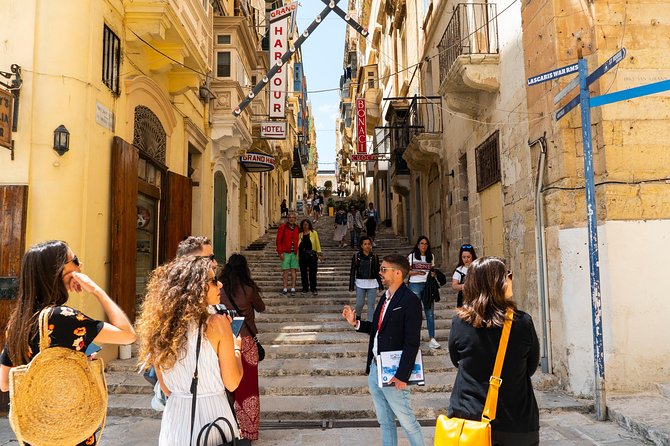
- Up to 10 people: you get real conversation time, not a lecture for a crowd
- Real locations, not just talking points: the walk starts at Victoria Gate and finishes at St John’s Co-Cathedral
- Caravaggio street stories: you’ll hear about the alley lanes tied to his escape legends
- Food-focused stops: Pastizzi is part of the plan, with guidance on pizza and a cocktail stop
- High-touch guiding: guides like Luis, Moises, and Julia are repeatedly praised for energy and care
- Weather-dependent: it needs good weather to run comfortably
A small capital that packs big Mediterranean punches
Valletta is the kind of place that makes you rethink distance. It’s the smallest capital city in the European Union, with around 6,000 inhabitants, so you can walk across real “city layers” without needing a bus hop every time.
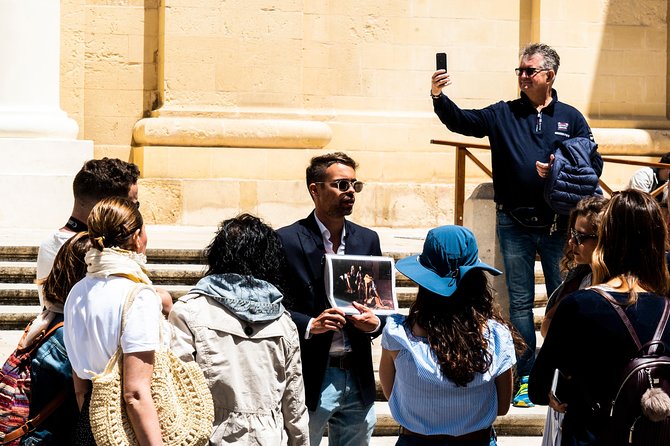
That compact size is exactly why this kind of guided stroll works. In a short window—about two hours—you get your bearings fast and you start recognizing patterns: defensive walls and doorways, grand buildings with heavy 16th-century vibes, and the tight street turns that shaped everyday life. It’s not just postcard Malta; it’s Malta with context.
What makes the experience stand out is the way the guide connects big historical swings to places you can point at. Valletta’s story is framed as a Mediterranean tug-of-war: Ottoman Empire pressure, the Knights, Napoleon, the British, and even later dark chapters associated with the Third Reich. You don’t need to be a history nerd to follow it. You just need to pay attention to where you are standing.
You can also read our reviews of more tours and experiences in Malta.


Following the city’s timeline through stone and side streets
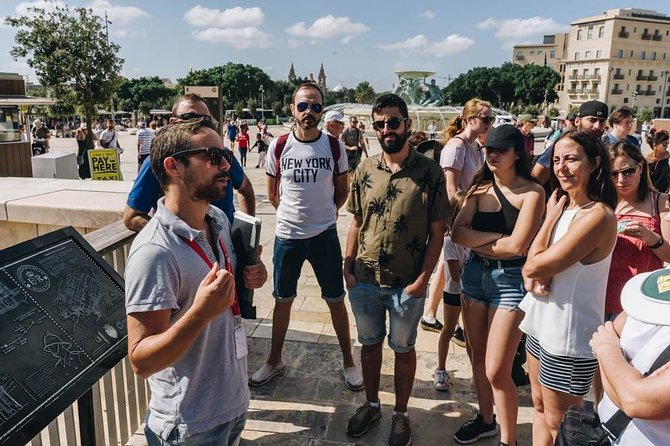
The city tour is built around a simple question: how did Valletta become such a prized target? The answer comes in layers, with the guide moving you through the “emblematic nucleus” feel of the historic center.
Early on, you’ll get the origins and the reasons the city became coveted. Then the walk works through the eras that left visible marks in architecture, city layout, and even cultural habits. This is where Valletta’s famous “capital-of-culture” moment comes in—Valletta was European Capital of Culture 2018, and that theme helps you see art and heritage as part of the living city, not a museum wall you walk past.
Expect a mix of:
- high-level historical framing (who held power and why)
- practical street-level orientation (where things are and why the city is built that way)
- anecdotes tied to specific buildings and corners
The best part is that it doesn’t stay abstract. When you’re walking, history becomes directional. You can look back and say, Oh, that explains why this neighborhood feels like it does.
Caravaggio’s lanes: art stories in alleys you can walk
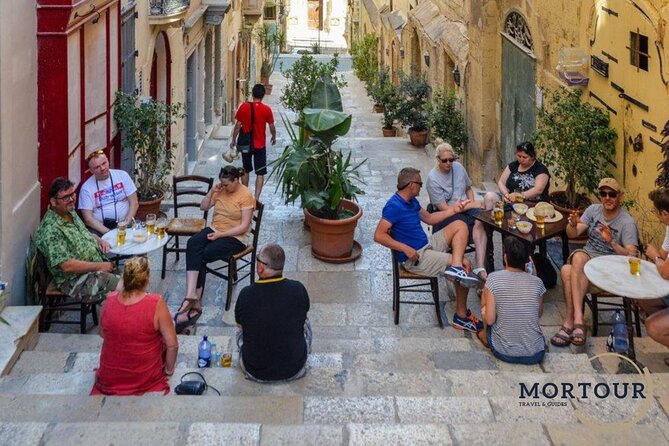
One of the tour’s signature threads is the Caravaggio connection. The plan is to move through the alleys where the story goes that Caravaggio escaped from justice.
Now, I’d treat this kind of detail with your normal healthy skepticism. A city legend can be entertaining even when you can’t verify every beat. But that’s not a deal-breaker—what matters is that the guide uses these street stories to point you toward Valletta’s mood: narrow passageways, sudden sightlines, and the way the city’s tight geometry shapes human drama.
If you like art history, you’ll also get a short art-focused discussion anchored in Caravaggio and what the guide thinks his presence means for the city. If you want a full museum-level lecture, this isn’t that. But as a walking “spark,” it works, especially if your guide keeps it anchored to the streets in front of you.
Maltese food stops: Pastizzi and smart local pointers
This tour is explicitly tied to Maltese gastronomy. The tour description frames Maltese food as heavily influenced by Italian flavors over time, which makes sense when you’re tasting the basics: pastries, simple fillings, and comfort-food patterns.
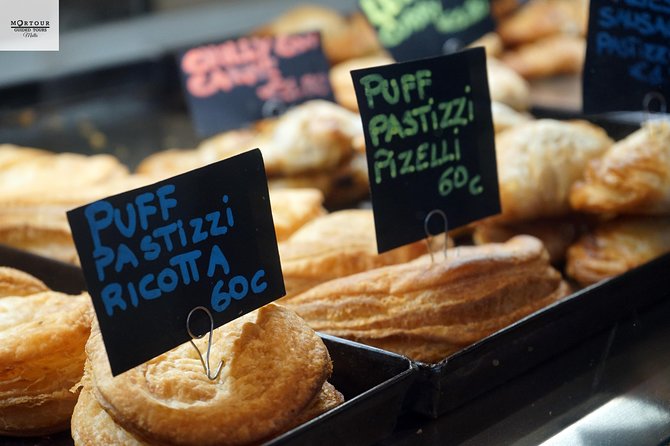
The core food item mentioned is Pastizzi. Expect the walk to include a taste related to this famous snack. Pastizzi are one of those “you can’t fake it” foods—once you’ve had a proper bite, you get why people keep bringing them up as Malta’s everyday-eats calling card.
What else can you expect? The food portion isn’t just one thing. It also includes guidance on:
- where to eat a good pizza afterward
- where to grab a cocktail
- and even a nod to the jazz-and-dolce-vita style of nightlife that showed up later in the story of Malta’s culture
Here’s the practical way to think about it: you’re not signing up for a long meal. You’re signing up for direction. The guide should help you avoid the tourist-trap chaos and instead find places that match what you actually want tonight.
When politics creeps in: how to manage expectations
There’s a bit of a tension in the experience: Valletta’s story includes heavy moments, and some guides talk about modern Malta too. That can be interesting, because current politics can affect how people live with heritage.
Still, one criticism that pops up is a sense that politics took over more than history, and that some claims were presented too confidently as fact when they’re closer to legend. I can’t help you “fix” a guide’s style, but I can help you steer your own expectations.
My advice: go in wanting history and city context first, and treat food and art as important bonuses, not guaranteed deep dives. If you’re the type who needs every anecdote separated into verified history vs. folklore, come prepared to ask questions in a friendly way during the walk.





Price and value for a two-hour, small-group walk
At $54.31 per person for about two hours, this isn’t a “cheap and cheerful” add-on, but it’s also not a luxury price. The value depends on two things: whether you get a guide who actively works the group, and whether the food-art-history balance lands the way you want it.
You’re paying for:
- curated walking flow through central Valletta
- a small group size (max 10), which means more interaction
- practical recommendations for where to eat and drink after the walk
- history and culture framing that you wouldn’t piece together as efficiently on your own
If you love guided street history and want a shortcut to figuring out where to go next, that’s where the money tends to feel worth it. If you mainly want an in-depth art session or a full guided food tour, you might feel underfed—literally and figuratively—because this one is built to be a city orientation plus highlights.
Getting started at Victoria Gate and ending at St John’s
The tour meeting point is Victoria Gate, and the walk ends at St John’s Co-Cathedral (Triq San Gwann).
That matters more than you might think. Victoria Gate is a natural “gateway” spot for orientation in Valletta, and St John’s Co-Cathedral is a strong closing landmark. Even if you come in with only a sketchy idea of Valletta’s history, you can leave with a clean mental map: start at the gate zone, then work inward toward the cathedral area, seeing the layers along the way.
The tour runs in the late-morning-to-afternoon window, with listed opening hours Monday to Sunday, 11:00 AM to 5:00 PM. If you’re trying to pair this with other plans, I’d schedule it early enough that you still have energy for lunch or an afternoon museum stop afterward.
Who this Valletta walk suits best
This is a good match if you:
- want a fast orientation to Valletta’s historic center
- enjoy short, vivid history stories tied to streets and buildings
- like getting food direction as part of sightseeing
- prefer a small group over big-bus crowds
- appreciate guides who share a mix of city life and heritage context
It may be less ideal if you:
- want a long, structured meal
- expect art to be the main event for the full 2 hours
- need strict fact-only storytelling (you might still enjoy the vibe, but the narration style can vary)
On guide style, the names Luis, Moises, and Julia show up in standout experiences. The common thread in praise is warmth, energy, and a real effort to help you move through the city like you belong there.
Should you book this Valletta tour?
If you’re visiting Valletta for the first time and you want your bearings plus a taste of Maltese culture without spending the whole day planning, I think it’s a solid booking. The small-group size and the combination of history with Pastizzi-focused food direction are the best reasons to choose it.
I’d book it especially if you’re comfortable with a guided style that uses anecdotes, local storytelling, and city vibe—not just dates and names. Just remember it’s only two hours, so it’s meant as highlights and next-step recommendations, not a full deep-education session.
If you’re picky about whether every story is perfectly footnoted, send a question to the operator ahead of time about how they handle legend vs. verified history. And if food is your top priority, ask what’s included beyond the Pastizzi stop.
FAQ
How long is the Valletta walking experience?
It’s listed as about 2 hours.
What language is the tour offered in?
The tour is offered in English.
Where do we meet, and where does the tour end?
You start at Victoria Gate and finish at St John’s Co-Cathedral (Triq San Gwann).
How many people are in a group?
The tour has a maximum of 10 travelers.
Is a mobile ticket used?
Yes, it’s listed as a mobile ticket.
Is Maltese food part of the experience?
The tour description includes Maltese gastronomy with Pastizzi tasting, plus pointers for pizza and a cocktail stop.
Do I need good weather for the tour to run?
Yes. It’s listed as requiring good weather; if it can’t run due to poor conditions, you’ll be offered another date or a refund.