REVIEW · SAN JOSE
San Jose: Insider Spots, City Highlights – small groups
Book on Viator →Operated by Barrio Bird Walking Tours · Bookable on Viator
You only need two hours to get a real feel. This San José small-group walk connects what you see on the street to culture, history, and even current politics, guided with lots of local context. I especially liked how the guide talks about daily life and global links, and how you get more than 40 stop points along the way—though one thing to consider is the pace can lean toward architecture, so you may want to ask for neighborhood and cultural-happening tips early.
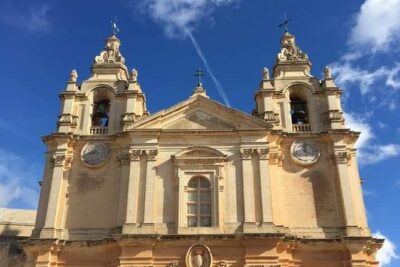
Start at Parque Morazán, under the dome temple, and you’re quickly moving through the city’s galleries, parks, and public art. The tone is conversational: you might even catch moments like concerts, demonstrations, or religious ceremonies while you walk. With a cap of 8 travelers, the tour usually stays interactive, but if you’re expecting a strict checklist of the most Instagram-friendly stops, go in with a curiosity-first mindset.
In This Review
- Key highlights I’d plan around
- Parque Morazán meet-up: the quickest way to avoid stress
- How this tour turns San José from a map into a story
- The 40+ stop style: quick sights with real context
- Galleries and public art
- Parks and historic sites
- Architecture (yes, it shows up more than you might expect)
- Street moments that can happen on the walk
- Guides and group size: why the experience can feel personal
- What you’ll likely do during the 2 hours
- Price and value check: $35 for context you can use
- Who this tour is best for (and who should reconsider)
- Book or skip: my practical call
- FAQ
- How much is the San José walking tour?
- How long does the tour last?
- Where do I meet the guide?
- What time does the tour start?
- How large is the group?
- What’s included in the price?
- Is there an admission ticket fee?
- Can children join?
- Do you allow same-day bookings and free cancellation?
Key highlights I’d plan around
- Small group size (max 8) for more back-and-forth with your guide
- Current-events framing: daily life in Costa Rica tied to history and politics
- 40+ stop points across galleries, parks, historic sites, and public art
- A route that can surprise you with street moments like concerts or demonstrations
- Guides who adapt; I saw examples of very personal, even customized tours
- Little-to-no museum ticket friction since admission is free
Parque Morazán meet-up: the quickest way to avoid stress
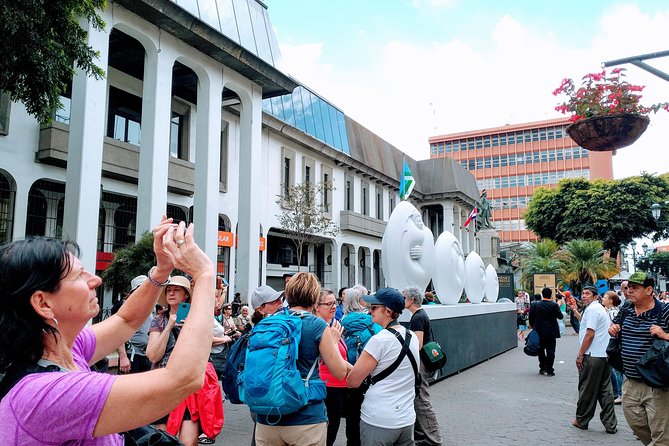
Your walking tour begins at Parque Morazán. Aim to arrive before 10:15 am, and look for your guide waiting under the dome temple. This matters more than people think. When a tour is a walking loop with lots of streets and evolving street scenes, meeting location errors can snowball fast.
I like that the meeting point is clear and anchored in a public space. It’s also described as near public transportation, which helps if you’re juggling hotel location or you’re coming from another morning activity.
Quick practical tip: give yourself a little buffer to find the dome temple reference, then hang close to your guide’s location while you wait. If you show up right at the start time, you’re more likely to miss the exact spot.
You can also read our reviews of more tours and experiences in San Jose.

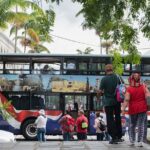

How this tour turns San José from a map into a story
The most valuable part is the way the guide explains the city. Instead of treating San José like a lineup of buildings, you get an educated impression of the country—through culture, history, and politics—and how those forces show up in everyday life.
The tour’s approach is straightforward:
- You’ll hear about current issues affecting Costa Ricans.
- You’ll connect local history to wider global patterns.
- You’ll use historic photography and real sites as visual “evidence,” not just facts.
That means you’re not just learning what something is—you’re learning why it matters. One review set the tone well: a nice first-day tour because it helps you understand what you’re seeing without drowning you in academic language.
One caution: a few people felt the focus tilted more toward architecture than toward “insider spots” in the sense of what to do at night or where to find the most active cultural areas. If that sounds like you, don’t wait until the end—ask early about neighborhoods, cultural happenings, or places to eat and linger.
The 40+ stop style: quick sights with real context
You’ll pass by 40+ stop points, including galleries, parks, architecture, historic sites, and public art. The structure tends to feel like a guided walk of short chapters. You won’t get one museum-sized explanation for each stop, but you’ll get enough context to make the sights click.
Here’s what that usually means on the ground:
Galleries and public art
You’re likely to get a street-level education in how art shows up in the city—sometimes playful, sometimes political. When public art is treated as part of daily life (not just something to photograph and forget), you start noticing themes across neighborhoods.
Practical payoff for you: you’ll know what you’re looking at, so you don’t have to guess why a mural or display is there.
Parks and historic sites
Parks in San José aren’t just “green space.” On this tour style, they become pauses where the guide ties the city’s development to human behavior: gathering, organizing, celebrating, and protesting.
Historic sites help you build a mental timeline fast. You’ll connect older layers of the city to what’s around them now.
One review flagged that some buildings shown felt abandoned. That isn’t automatically a bad sign—it can be an entry point into how the city has shifted over time. Still, if you’re the type who hates any gloom in your sightseeing, it may affect your mood.





Architecture (yes, it shows up more than you might expect)
If architecture is your thing, you’ll probably enjoy the stop density. Several comments pointed out architectural emphasis, and in one case people wanted more about places to go and experience rather than deeper building details.
So I’d frame it like this for you:
- If you like “how the city was built and why it looks like this,” you’ll be happy.
- If you want a night-out route and practical local hangouts, bring questions and steer the conversation.
Street moments that can happen on the walk
There’s a specific promise built into the description: on the way you might run into things like protests, concerts, public art demonstrations, religious ceremonies, or even meeting old friends.
That’s a big part of what makes this tour feel more alive than a standard sightseeing loop. You’re walking in a city, not through a theme park. If something is happening nearby, your guide can often explain what it means and how it connects to the broader story of Costa Rica.
For you, the upside is simple: you’ll see how flexible daily life can be. The downside is also real: street activity can change the flow of the walk, and the timing can feel a bit less rigid than tours that stay behind the scenes.
Guides and group size: why the experience can feel personal
This is capped at 8 travelers, which is a sweet spot for walking tours. You’re not fighting for attention at every corner, and questions don’t get swallowed.
Several reviews highlighted a personal feel, including instances where the tour effectively ran as a private outing. Names that came up in standout feedback include Lorena, Angie, Silvia, Carla, Alejandro/Alexandro. The common thread: friendly guides who connect stories to what you see and add practical advice.
A few practical notes based on the reported guide styles:
- One guide reportedly offered snacks during the walk and gave extra sightseeing advice.
- Another set of feedback mentioned pacing that stayed easy, with room for questions.
- English ability seems to vary by guide. One person noted English was okay but not great, so if you rely heavily on language clarity, go in with patience—and bring a few simple questions ready.
My advice: if you care about getting tailored recommendations, speak up early. A short prompt like what neighborhood vibe you like (quiet, lively, art-focused, food-focused) can shape what your guide emphasizes as you walk.
What you’ll likely do during the 2 hours
The tour is listed as about 2 hours, and it starts at 10:15 am. You’ll return to the meeting point at the end.
Think of the day like this:
- You start in Parque Morazán and you’re oriented quickly—what to notice, what questions to ask.
- You move through the city with a steady flow of stops: parks, architecture, galleries, historic sites, public art.
- Along the way, the guide layers context about culture, history, and politics, including how current issues relate back to the past.
- You finish where you started, with a better sense of where to go next.
Also, because the tour description says admission ticket free, you’re not likely to get hit with surprise museum fees. That’s a real value point for you, especially if you’re traveling on a tighter budget.
Price and value check: $35 for context you can use
At $35 per person for around 2 hours, the price isn’t trying to compete with the cheapest city walking options. It’s priced for a guided experience that costs real money in guide time and that aims to teach you how to read the city.
Here’s why it can still be good value for you:
- Small group size keeps the experience interactive.
- The guide’s role isn’t just to point; it’s to connect spots to culture and politics.
- The free admission approach reduces add-on costs.
- If you get snack/coffee-style pauses (reported by some guides), you’re also getting more “real life” time, not just marching.
Where you might feel the price isn’t worth it: if you come with an expectation of very hands-on insider logistics like specific local events, markets, or strongly curated food stops. Since one review felt the tour leaned more architecture-based, adjust your expectations and ask direct questions to steer it toward what you want.
Who this tour is best for (and who should reconsider)
This tour fits you if:
- You’re visiting San José for the first time and want context fast.
- You like learning the “why” behind what you see.
- You enjoy walking with an engaged guide rather than following a rigid script.
- You appreciate culture and politics as part of a city, not as separate topics.
It may be less ideal if:
- You mainly want practical nightlife and restaurant routing and little history.
- You strongly dislike architecture-focused storytelling.
- You need a perfectly paced, tightly timed checklist tour (street activity can add variety).
Book or skip: my practical call
I’d book this if you want a first-day foundation in San José that helps you interpret the city once you’re on your own. The small group and the guide-led connection between daily life, history, and politics is the core strength. If you’re the kind of traveler who asks questions, you’ll get more out of it quickly.
I’d double-check your expectations around architecture vs insider errands. And I’d be extra careful about meeting at Parque Morazán under the dome temple at the right time—this kind of walking tour depends on that.
If you’re flexible and curious, this is a solid way to spend two hours and come away with more than photos.
FAQ
How much is the San José walking tour?
The price is $35.00 per person.
How long does the tour last?
It lasts about 2 hours.
Where do I meet the guide?
Meet at Parada Frente al Parque Morazan, San José, El Carmen, 10101, Costa Rica, and your guide will be waiting under the dome temple.
What time does the tour start?
The start time is 10:15 am.
How large is the group?
The tour has a maximum of 8 travelers.
What’s included in the price?
You get a professional guide.
Is there an admission ticket fee?
The experience notes Admission Ticket: Free, so you’re not paying for entry as part of the tour.
Can children join?
Yes, but children must be accompanied by an adult.
Do you allow same-day bookings and free cancellation?
Free cancellation is available up to 24 hours in advance for a full refund. Also, same-day bookings through TripAdvisor aren’t accepted due to a system error; the info says to email [email protected] to check same-day availability.