REVIEW · SAN JOSE
Manuel Antonio National Park; Beach & Sightseeing Day Trip from San Jose
Book on Viator →Operated by Go Tours Costa Rica · Bookable on Viator
A long, wild day starts with a 6:00 am pickup. I like that this trip is built around wildlife viewing—crocodiles at Tarcoles, scarlet macaws, then a guided walk in Manuel Antonio National Park—instead of racing between photo stops. I also like the pacing: you get a real lunch and a chunk of beach time after the hike, not just a quick photo and go. One thing to consider is the day runs long (about 12 hours) and the park walk can feel like more walking than beach if you’re sensitive to uneven trails.
The small-group size helps. This tour caps at 20 travelers, and that usually means you can spend more time where the animals are active. If you end up with guides like Harlem, Fernando Moss, Oscar, Kenneth, or Omar (names that show up often in strong ratings), expect solid wildlife spotting and practical tips for what to watch for along the way.
In This Review
- Key Things I’d Not Pass Up
- The 6:00 am Start: Why It Matters for a Full Wildlife Day
- Orotina Breakfast and the Fruit Stand Stop That Gets You in the Costa Rica Mood
- Tarcoles Crocodile Bridge: Watching Big Reptiles Without Risky Behavior
- Playa Tarcoles for Scarlet Macaws and Quick Bird-Spotting Wins
- Jaco Mirador: Coastal Views Without Burning Extra Time
- Manuel Antonio National Park: The One-Hour Hike Plus Beach Time
- Practical footing tip: wear real shoes
- San Bada Lunch at High Elevation: Views You Don’t Have to Chase
- Meal portion note for seniors
- What You’re Really Paying For at $169 (And Why It’s Not Just a Cheap Ticket)
- Guide Quality and the Wildlife-Sleuth Factor
- Who Should Book This Manuel Antonio Day Trip (And Who Might Not Love It)
- Should You Book This Tour?
- FAQ
- How long is the Manuel Antonio National Park day trip from San Jose?
- What time does the tour start?
- Where do we meet for the tour?
- Is hotel pickup and drop-off included?
- What’s included in the price?
- Do I need to pay the Manuel Antonio National Park entrance fee separately?
- Is vegetarian food available?
- What wildlife might we see during the park hike?
- Are there age requirements?
- What should I bring regarding water bottles?
Key Things I’d Not Pass Up
- Tarcoles Crocodile Bridge from a safe viewing point with frequent crocodile sightings, sometimes up to huge sizes
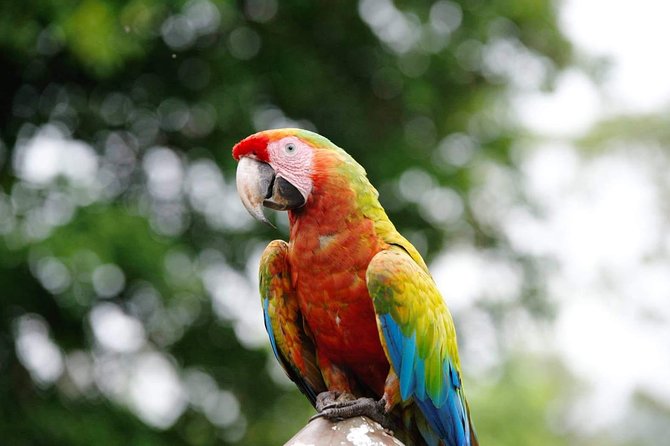
- Scarlet macaws at Playa Tarcoles plus a quick chance to add birds to your Costa Rica checklist
- A guided one-hour nature hike in Manuel Antonio where you’re coached to look for sloths and monkeys
- Free beach time after the hike to swim or simply slow down on Manuel Antonio’s Pacific sand
- Lunch at high elevation at San Bada with ocean-and-jungle views, included with the tour price
- Bring a reusable water bottle since Manuel Antonio authorities don’t allow plastic bottles
The 6:00 am Start: Why It Matters for a Full Wildlife Day
This day trip is timed for success, not convenience. You start at 6:00 am, and you’re looking at roughly 12 hours total once travel plus breakfast and lunch are included. That early departure matters because Manuel Antonio and nearby wildlife spots can be more productive earlier in the day, and you also want daylight before you’re too deep into the return drive.
The trade-off is obvious: you’ll spend time in the vehicle. Some people get antsy about the long ride, especially if traffic slows on the way back toward San Jose. On the upside, the van is air-conditioned, and you’ll have enough structure built into the day (breakfast, guided hike, lunch, sightseeing stops) that it doesn’t feel like one endless commute.
Because the group is capped at 20, you’re less likely to feel like you’re part of a cattle lineup at every stop. That small difference can be huge when your main goal is animals, not just scenery.
You can also read our reviews of more tours and experiences in San Jose.

Orotina Breakfast and the Fruit Stand Stop That Gets You in the Costa Rica Mood
Before the wildlife, you fuel up. The first meaningful stop happens on the drive near Orotina, with Costa Rican breakfast included. This isn’t just coffee and a pastry—expect a real breakfast spread (and if you choose the vegetarian option, you’ll want to mention it at booking).
Then there’s a longer-style roadside break at what’s described as the largest fruit stand in the country. It’s a quick way to get your bearings with tropical flavors: you’ll see a big variety of fruits, and it’s a fun moment to learn what you’re actually looking at when you later order juices or fruit plates.
This is also a good planning pause for practical travelers:
- Use this time to do bathroom breaks you might miss later.
- Look for what’s in season, because it makes the food stops feel less random during the rest of the day.
Even if fruit isn’t your thing, this stop helps break up the ride so the day doesn’t feel like a straight shot from San Jose to the beach.
Tarcoles Crocodile Bridge: Watching Big Reptiles Without Risky Behavior
Next up is the classic Puente Río Grande de Tárcoles crocodile bridge area. You’ll observe crocodiles in the wild from a safe viewing point. The animals here can be massive—one description notes crocodiles up to around 6 meters (18 feet)—so even if you’re not a reptile person, this stop has real wow power.
Important: this isn’t a “get close” situation. The value is that you can see them without doing anything sketchy. Also, because the stop is scheduled as a short visit (about 15 minutes), it tends to work best when you go in ready to focus, not wander.
If you want the best odds of spotting activity, keep your eyes moving:
- Watch the edges of the river where they surface or drift.
- Scan for motion in the water line rather than only looking for obvious heads above the surface.
After that, you continue toward the next bird stop.
Playa Tarcoles for Scarlet Macaws and Quick Bird-Spotting Wins
A few minutes later you reach Playa Tarcoles, where you can look for scarlet macaws in their natural habitat. This stop is also brief (about 15 minutes), which is why it’s more of a “bonus check” than a full bird tour.
Here’s how to make the most of a short bird window:
- Don’t stare only at the horizon. Macaws may pass overhead or land closer than you expect.
- Listen for movement. A lot of bird spotting starts with sound, not sight.
Some guides are known for using tools to help guests see better at a distance—one day-style description includes telescope viewing during wildlife stops. You shouldn’t count on it, but if it’s offered, it can turn a “maybe we saw them” moment into a “we really saw them” memory.
Then it’s time for your next perspective shift: coastal viewpoints.
Jaco Mirador: Coastal Views Without Burning Extra Time
At Mirador de Jaco, you get a quick look at the coastal town of Jaco from a viewpoint. This stop is short (around 15 minutes), and that’s the point: you get a sense of the coastline and the urban coastal vibe without losing your whole day in transit.
This is a “reset” moment. If you’ve been scanning for wildlife, your brain switches gears here. You can use the viewpoint to:
- Get your bearings for the Pacific coast.
- Appreciate how wild areas connect to towns along this region.
If you hate wasting time at random viewpoints, treat this as optional in your mind. It’s not the main event. The main event is still ahead.



Manuel Antonio National Park: The One-Hour Hike Plus Beach Time
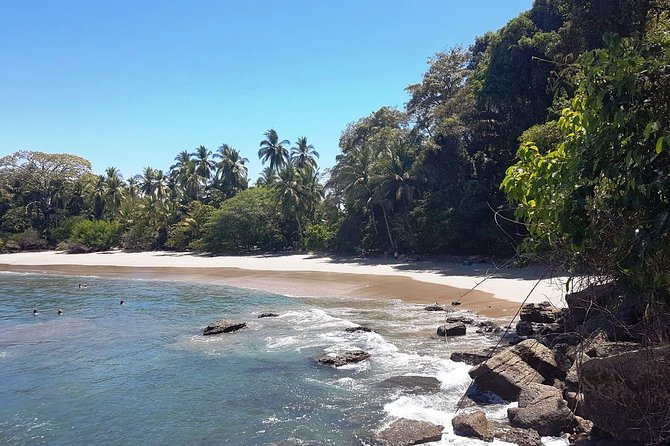
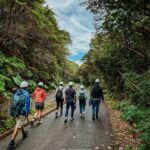
This is the heart of the trip. You’ll spend about one hour on a guided hike inside Manuel Antonio National Park, learning about rainforest ecosystems and looking for wild animals.
What makes the hike valuable is not just that you’re walking through nature. It’s that you’re not walking alone. A good bilingual guide helps you notice what you’d miss: movement in treetops, calls, and subtle signs of animals being nearby.
The kinds of wildlife you should keep an eye out for include:
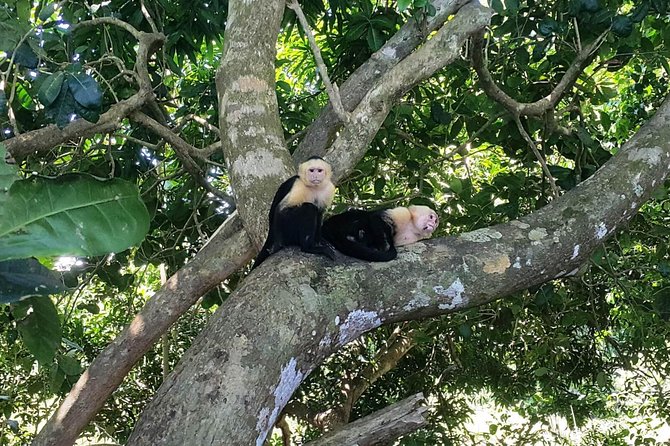
- Howler monkeys and white-faced monkeys
- Sloths
- Toucans
- Agoutis
- Tropical birds and other rainforest critters
- Squirrel monkeys, which are often described as especially adorable
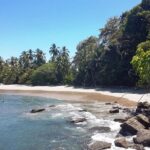
After the hike, you get a few hours of free time to relax at Manuel Antonio’s beaches. This is where the day flips from “search” to “slow down.” You can swim in the warm Pacific waters or stay on dry land and just watch what’s happening along the shoreline.
Practical footing tip: wear real shoes
This part is not a smooth, polished walkway. A few descriptions include warnings about slick mud in spots and areas where park railings may need repair. Another note suggests using waterproof, sand-proof sneakers, because at least part of the route can involve sandy or beachy walking.
If you’re going with anyone older, anyone with balance issues, or anyone who prefers minimal walking, I’d rethink the fit or plan to go at an easy pace. One senior-focused description said it felt like more walking in the preserve and less beach time than expected, even though the effort was worth it.
Also consider how heat and humidity will feel. Dress for sun and rain because the tour runs in all weather conditions, so being prepared makes the day feel easier.
San Bada Lunch at High Elevation: Views You Don’t Have to Chase
After the park, you’ll head to Hotel San Bada Resort & Spa area for lunch at a restaurant described as sitting at high elevation. The views—ocean plus jungle—are part of why this stop works.
Lunch is included, and you’ll get around one hour for the meal and a breather before you return toward the San Jose area. For many people, this is the moment the day finally clicks: you’ve done the walking, you’ve seen the animals, now you get to eat while looking out over the same coastline you just visited.
Meal portion note for seniors
One review-style note said meals were good but portions felt a bit large for seniors. If you know you eat modestly, it’s smart to go into lunch with the idea that you may not finish everything. You’ll still get the benefit of the views and included food.
What You’re Really Paying For at $169 (And Why It’s Not Just a Cheap Ticket)
At $169 per person, this tour isn’t trying to be the cheapest way to get to Manuel Antonio. What you’re paying for is the whole package:
- Round-trip transport in an air-conditioned vehicle from most San Jose hotels
- A professional bilingual guide
- National park entrance fee
- Breakfast and lunch
- Guided stops at the fruit stand, crocodile bridge area, macaw observation spot, and Jaco lookout
When you add up those pieces on your own, the value makes more sense. The cost is less about one admission ticket and more about removing the hassle of organizing transportation, park entry, and meal timing.
This also helps your day timing. The itinerary is designed so you’re not figuring out how to backtrack between spots. You’re moving in one direction with planned stops.
One more value signal: the group limit of 20 travelers. In Costa Rica, small-group control often means less waiting and better odds you’ll see what you came for.
Guide Quality and the Wildlife-Sleuth Factor
The guide is one of the biggest differences between a great wildlife day and a forgettable one. In the strong feedback tied to this tour, names like Harlem, Fernando Moss, Oscar, Kenneth, Nathaniel, Omar, Juan, and Hernan show up with praise for spotting animals and explaining what you’re seeing.
Here’s what that typically means for you, practically:
- You learn where to look so you don’t spend your whole hour scanning random branches.
- You get a better sense of behavior (what animals do, and when they’re more active).
- You leave the park understanding what ecosystem you walked through, not just that you saw something.
Even if your Spanish is limited, a bilingual guide can make the whole experience feel way less like guesswork.
Who Should Book This Manuel Antonio Day Trip (And Who Might Not Love It)
This tour is a strong match if you:
- Want Manuel Antonio National Park plus Pacific wildlife in a single day
- Love seeing animals in their habitat (sloths, monkeys, macaws, crocodiles)
- Prefer a small group over crowded bus energy
- Appreciate included meals and guided structure
It may be less ideal if you:
- Want a pure beach day with minimal walking (the park hike takes time, and the preserve portion can feel more active than expected)
- Have mobility limits or balance concerns due to uneven, muddy spots in the park area
- Get overwhelmed by long drives (the day is built around road time and traffic can affect the return)
Also note the minimum age is 5 years, with children required to be accompanied by an adult. That makes it doable for families, but you’ll want to judge whether your child handles the long day and the park walk.
Should You Book This Tour?
If your priority is wildlife plus a real dose of Manuel Antonio in one day, I’d book it—especially if you want your day planned around animal sightings, not just beaches.
Two final reasons to feel good about the decision:
- The day includes breakfast, lunch, and the park fee, which turns $169 into a true all-day package rather than a bare-bones transport deal.
- The max 20 traveler size and guided hike make it more likely you’ll actually notice rainforest life instead of just passing through it.
If you’re mainly after lounging on sand and swimming with the least walking possible, you might be happier with a slower, more flexible beach-focused plan. But if you’re aiming for a Costa Rica highlight day—this is built for that.
FAQ
How long is the Manuel Antonio National Park day trip from San Jose?
The total tour duration is about 12 hours, including travel time plus breakfast and lunch.
What time does the tour start?
The start time is 6:00 am.
Where do we meet for the tour?
The meeting point listed is Hilton Garden Inn San Jose La Sabana on Bv. de Rohrmoser, San Jose. Most San Jose area hotels also have pickup.
Is hotel pickup and drop-off included?
Yes. Hotel pickup and drop-off are included for most San Jose area hotels, and the activity ends back at the meeting point.
What’s included in the price?
You get transport in an air-conditioned vehicle, hotel pickup/drop-off (most hotels), the Manuel Antonio National Park entrance fee, breakfast and lunch, visits to the crocodile bridge, scarlet macaw observation place, fruit stand, and Jaco lookout, plus a professional bilingual guide.
Do I need to pay the Manuel Antonio National Park entrance fee separately?
No. The park entrance fee is included.
Is vegetarian food available?
Yes. A vegetarian option is available if you advise at booking.
What wildlife might we see during the park hike?
During the guided hike, you can look for howler monkeys, white-faced monkeys, sloths, toucans, agoutis, tropical birds, and squirrel monkeys.
Are there age requirements?
The minimum age to participate is 5 years, and children must be accompanied by an adult.
What should I bring regarding water bottles?
Manuel Antonio National Park authorities do not allow plastic water bottles, so bring a reusable bottle.