REVIEW · SAN JOSE
From San Jose: Secrets of Guayabo & Irazú Volcano National Park
Book on Viator →Operated by Oropopo Experience · Bookable on Viator
One early start, three big Costa Rica surprises. This full-day route ties together volcano viewpoints, highland ecosystems, and a major archaeological site, all with the convenience of hotel pickup and an air-conditioned ride. You also get small-group attention, since the tour caps at 10 people and the guide is a biologist or certified specialist.
I especially like how Irazú Volcano National Park mixes big volcanic drama with ecology: you may be able to step inside one of the park’s three inactive craters, then look for the cooler-climate Paramo tropical dwarf forest. I also like Guayabo National Monument for its “how did they build this?” factor—a prehispanic settlement recognized as a World Heritage civil engineering landmark, tucked in protected rainforest.
One drawback to plan for: the day is weather-dependent, so fog or rain can cut the views, and you should expect a long stretch of driving for a mostly sightseeing (not hiking-heavy) pace.
In This Review
- Key highlights you’ll feel right away
- The real appeal: a cooler highlands day with built-in context
- Why this day starts at 6:30 am (and why it’s worth it)
- Irazu Volcano National Park: inactive craters and Paramo micro-worlds
- Turrialba volcano area: La Central’s spooky vibe meets real farms
- Guayabo National Monument: a World Heritage engineering marvel in rainforest
- The guides: biologist-level explanations (and real names you might hear)
- Private transportation and long drives: comfort matters at 6:30 am
- Price and value: what $183 usually covers (and what it doesn’t)
- Weather reality: clear skies give you the headlines
- What to pack and how to stay comfortable
- Who this tour is perfect for (and who might want a different style)
- Should you book Secrets of Guayabo & Irazú?
- FAQ
- What time does the tour start and how long does it last?
- Is lunch included in the price?
- Are entrance fees included?
- How big is the group?
- What’s included for transportation?
- What happens if the weather is poor?
Key highlights you’ll feel right away
- Air-conditioned private transportation from hotel pickup to drop-off
- Irazú crater access plus Paramo ecosystem scenery in one morning stop
- Turrialba area agriculture: potatoes, carrots, beets when conditions and timing line up
- Guayabo’s rainforest ruins with cultural context and a chance at wildlife sightings
- Small group (max 10) with a biologist or certified guide who explains what you’re seeing
- Flexible inclusions based on weather and your interests
The real appeal: a cooler highlands day with built-in context
This is the kind of Costa Rica day trip that works even if you only have a short window. You’re not just chasing views. You’re also getting the “why” behind the views—how volcano activity shapes the land, how people adapted to the highlands long ago, and how ecosystems shift with elevation.
The early start matters because the central highlands cool down fast, especially in the morning. By the time you reach Irazú, you’re often in that sweet spot where the air feels good and the park roads are passable. Then the day keeps moving through different climates and different kinds of stops—nature, farming country, and an archaeological site—without feeling like you’re stuck in one type of experience.
You’ll also like the pace balance. It’s mostly sightseeing, with some walking on several stops, not long hikes. That’s a good fit if you want to cover a lot of ground from San José without turning your day into an endurance test.
You can also read our reviews of more tours and experiences in San Jose.



Why this day starts at 6:30 am (and why it’s worth it)
The tour begins at 6:30 am, with hotel pickup and drop-off included. That means you’ll be leaving before the city has fully woken up, which can feel early. But the payoff is that you’re using daylight well across multiple regions in one long outing.
This also affects your planning for comfort:
- You’ll likely want layers, since high elevations can feel chilly early on.
- If the day turns hot later, you may wish you had something lighter ready, even if you can’t predict that in advance.
From what people describe afterward, the drive time is part of the deal. It’s not a quick hop between two close sites. You’re getting a “back roads” style journey through changing environments, and that takes hours.
Irazu Volcano National Park: inactive craters and Paramo micro-worlds
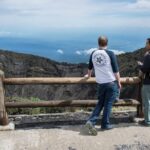
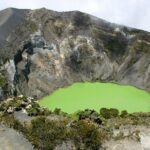
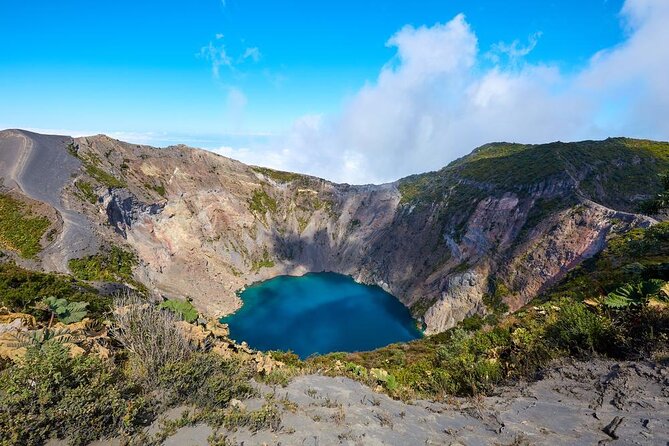
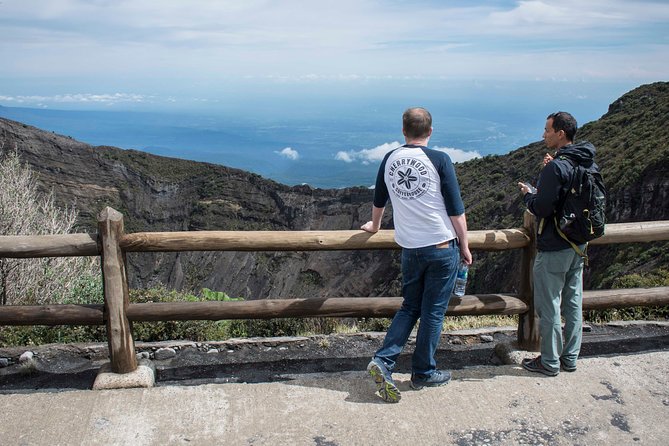
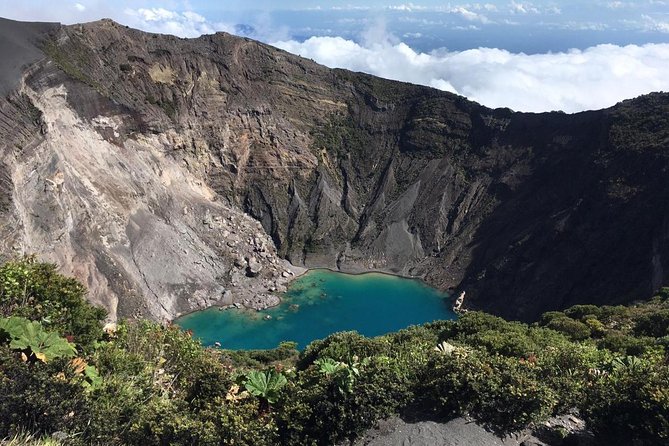
Irazú Volcano National Park is the headline for a reason. You’re going to the highest volcano in the country, and the park is set up so you can experience volcanic features up close—potentially including the chance to check, and even be inside, one of the three inactive craters.
That crater access changes the feeling of the visit. You’re not just looking at a smoking dot on a map. You’re standing in a space where the land’s volcanic history is physically right there, with views that can feel dramatic when weather cooperates.
Then there’s the Paramo piece, where the day gets smarter. Beyond volcano rock, you’ll get a glimpse of the highland ecosystem of Paramo, described as a tropical dwarf forest. In plain terms: the plants look different up there, and the whole feel of the environment shifts. If you’ve ever wondered how elevation changes Costa Rica’s “rules,” this is one of the stops that helps you notice it.
Practical tip: since entrance payment is paid by cash on the day, plan to have the cash ready so you’re not stuck at a counter at the wrong moment.
Turrialba volcano area: La Central’s spooky vibe meets real farms
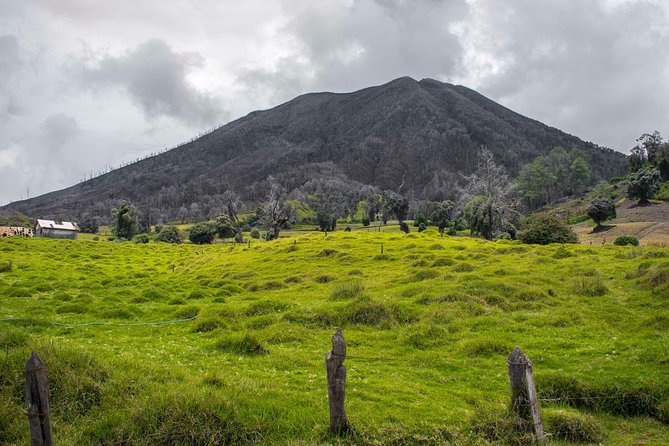
Next comes Turrialba’s orbit, starting with La Central Town, which is described as the closest town area to the volcano. This stop has an unusual contrast.
On one hand, recent volcanic activity has created a barren, striking terrain close to town. People describe the town itself as kind of abandoned, with a spooky feel. That makes it a strong “impact of nature” stop—one of those places where you can see how quickly life and land can be reshaped.
On the other hand, the surrounding area is full of farms, with views that look postcard-perfect once you step away from the rougher ground. When timing works, you may get sightings of harvested vegetables like potatoes, carrots, and beets. Even if you don’t see every crop, you’ll learn how Costa Rican agriculture works in this region, and the explanation helps you connect the dots between volcanic land and the food that grows there.
This stop is relatively short—about 30 minutes—and the admission here is free. That makes it a flexible, low-pressure break in the day. It’s also a good moment to ask your guide what you’re seeing, because the mix of “damaged land” and “working farms” gives them plenty to explain.
Guayabo National Monument: a World Heritage engineering marvel in rainforest
If I could pick one stop that adds “wow” plus meaning, it’s Guayabo National Monument. This prehispanic settlement is the most important archaeological landmark in the country, and it’s recognized as a World Heritage site for civil engineering. That’s a key detail. You’re not just looking at old walls—you’re trying to understand planning, structure, and how people shaped their built environment.
The monument sits in a protected area surrounded by lush rainforest, so you’re also in that green, cool-feeling zone where sound and air change. People also mention that this is a place where you might spot interesting fauna with some luck. Even if you don’t see wildlife, the setting helps the ruins feel like they belong to the ecosystem, not just a museum piece.
The visit runs about 1 hour 30 minutes, which is a nice length: long enough to slow down, read the context, and ask questions, but not so long that it starts dragging on.
Just like Irazú, you’ll pay entrance by cash on the day. Having that money ready helps you keep the day moving smoothly.





The guides: biologist-level explanations (and real names you might hear)
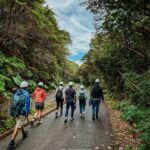
This tour includes a biologist or certified guide, and that shows up in the way people describe the experience afterward. The best days are the ones where your guide turns “just seeing stuff” into a story you can follow.
For example, guides such as Rigo are specifically noted for knowing how volcano systems work and for using back roads to reach better viewpoints. Another guide named José is described as bringing an extra layer to the day by connecting what you see to local life, including coffee-related context on the drive. If your guide adds small practical stops based on weather and interest, it’s usually in this same spirit: nature + people + explanation.
Ask questions early. Guides do well with curious travelers, especially because this route changes from one ecosystem to the next. If you care about birds, plants, geology, or farming, you’ll get good mileage out of those topics.
Private transportation and long drives: comfort matters at 6:30 am
You’re in an air-conditioned vehicle, and that’s not a small detail. In Costa Rica, the difference between an okay day and a great day can come down to whether you can relax during transit.
Because the tour is approximately 10 to 12 hours, your comfort during the ride counts. This also explains the “mostly sightseeing” style. Instead of heavy hiking, the route is designed to place you near enough to get the photos and the explanations without turning the day into a trail day.
A common consideration: even with the comfort, you’ll be spending a lot of time driving. If you dislike long car stretches, this might feel like too much of your day. If you can settle in, the changing scenery becomes part of the fun, especially when weather is clear.
Also, this is a small group, max 10. That usually makes it easier to hear explanations and helps with pacing, particularly on early-morning stops.
Price and value: what $183 usually covers (and what it doesn’t)
At $183 per person, the price can feel steep at first glance. Here’s why it can still be good value.
Included:
- Hotel pick-up and drop-off
- Private transportation
- Entrance fees for the national park and archaeological site
- A biologist or certified guide
- A small-group format
Not included:
- Lunch, typically $8–$14 per person
So you’re paying for a day where you’re not hunting for tickets, not renting a car, and not coordinating between distant stops. Entrance fees and a guide are easy costs to overlook when you compare “DIY vs tour,” but they add up fast here.
How to budget: set aside lunch money plus a little buffer for snacks and water. If the day ends up wetter than expected, having a plan for how you’ll eat and stay comfortable helps.
Also, the tour is described as weather- and interest-tailored. On the best weather days, you’ll get the full payoff of views plus crater access plus rainforest context.
Weather reality: clear skies give you the headlines
The biggest variable is weather. There’s no way around it. A volcano day can turn into a misty day where the crater views disappear. When that happens, the experience can still be informative, but the photo ops take a hit.
So I treat this like a “high potential, weather-sensitive” plan. If you can be flexible with your schedule, that helps. If the tour is canceled due to poor conditions, you’re offered an alternative date or a full refund, which gives you some protection against a totally ruined day.
What you can do right now:
- Plan layers for early cool air.
- Bring something that works in rain if the forecast looks shaky.
- Have realistic expectations: the guide can explain everything even when visibility drops, but the mountains decide how clear it gets.
What to pack and how to stay comfortable
You’ll be moving between cooler highland areas and hotter stretches during the day. One piece of advice that keeps showing up: plan for temperature swings.
Bring:
- Layers (even if you pack light)
- Something for rain, just in case
- Comfortable shoes for short walks at multiple stops
If you run hot on volcano viewpoints, consider having a way to change into something lighter after cooler crater areas. One visitor even wished they’d brought shorts as the day warmed up.
Who this tour is perfect for (and who might want a different style)
This is a strong fit for you if:
- You want a one-day “big hits” day: volcano + culture + rainforest ruins
- You appreciate explanations from a guide with science training (biologist or certified)
- You’d rather sit back in an air-conditioned vehicle than drive yourself on unfamiliar roads
- You like a balance of nature and human stories
It may not be ideal if:
- You hate long driving days
- You’re expecting big amounts of hiking (the pace is described as mostly sightseeing, with walking on several stops)
- You’re traveling with very tight timing buffers (this is a 10–12 hour commitment)
Should you book Secrets of Guayabo & Irazú?
I’d book it if you want an efficient, guided Costa Rica day that connects geology, ecology, agriculture, and archaeology in one smooth loop from San José. The price starts making sense once you account for guide time, private transport, and entrance fees, plus the fact that the tour is designed to adapt to conditions and interests.
I’d think twice if you’re highly weather-sensitive and absolutely need clear crater views, because rain can reduce what you see from the volcano. Still, even on less-than-perfect days, the crater context and the Guayabo rainforest setting keep the experience from feeling hollow.
If your goal is a memorable “see it all” day with real local explanations and not just quick photo stops, this tour is a smart bet.
FAQ
What time does the tour start and how long does it last?
The tour starts at 6:30 am and runs about 10 to 12 hours.
Is lunch included in the price?
No. Lunch is not included, and typical lunch costs range from $8 to $14 per person.
Are entrance fees included?
Yes—entrance fees to both Irazú Volcano National Park and Guayabo National Monument are included in the tour. You pay the park and site entrance fee on the day of the tour by cash.
How big is the group?
It’s a small-group tour with a maximum of 10 travelers.
What’s included for transportation?
Hotel pick-up and drop-off are included, along with private transportation in an air-conditioned vehicle.
What happens if the weather is poor?
This experience requires good weather. If it’s canceled due to poor weather, you’ll be offered a different date or a full refund.