REVIEW · MALLORCA
Palma: Walking Tour with Mediterranean Delicacies
Book on GetYourGuide →Operated by Elysee Tours UG (Haftungsbeschränkt) · Bookable on GetYourGuide
Palma can feel like it has chapters. This walking tour strings the story of the city together as you move from Parc de la Mar past the harbor to the old streets, with a market tasting to close the loop.
I love how the guide connects places to eras, from Roman and Moorish influence to the political power centers you still see today. I also really like that you finish at Mercat de L’Olivar, where regional products make the Mediterranean food story instantly practical.
One thing to plan for: it’s a walking-focused route (and it isn’t wheelchair-friendly), and entry fees for any indoor stops are not included. Bring comfortable shoes and be ready for some old-street unevenness.
In This Review
- Key highlights at a glance
- How Palma’s story actually comes alive on foot
- Getting your bearings: Lennox The Pub to Parc de la Mar
- The harbor-to-trade segment: Consulado del Mar and maritime life
- Es Baluard viewpoint break: old fortress energy
- The old town maze and Paseo del Borne
- Upper-city landmarks: Almudaina Palace, parliament, and the cathedral look
- Mercat de l’Olivar: the Mediterranean food lesson that ends the tour
- Price and group size: when $347 feels like value
- Who this Palma tour suits best (and who might want a different plan)
- Should you book this Palma walking tour?
- FAQ
- How long is the Palma walking tour?
- Where does the tour start and where does it end?
- How much does it cost?
- What is included in the tour price?
- Are entry fees included?
- What languages are available for the live guide?
- Is the tour suitable for wheelchair users?
- What should I bring for the walk?
- Can I bring luggage or large bags?
- Is free cancellation available and can I pay later?
Key highlights at a glance
- Millennia of Palma, in walking form: Romans, Ostrogoths, Vandals, Byzantines, Moors, and Aragon royalty all show up in the route’s talking points
- Fishing trade to power: you pass through the story of the harbor and the maritime exchange tied to Consulado del Mar
- Es Baluard viewpoints: the fortress complex gives you major city-and-harbor perspective without needing a separate plan
- Paseo del Borne stroll: romantic promenade + former aristocracy houses now used as 5-star hotels
- Upper-city landmarks: Almudaina Palace, the town hall, and the parliament area shaped by centuries of rule
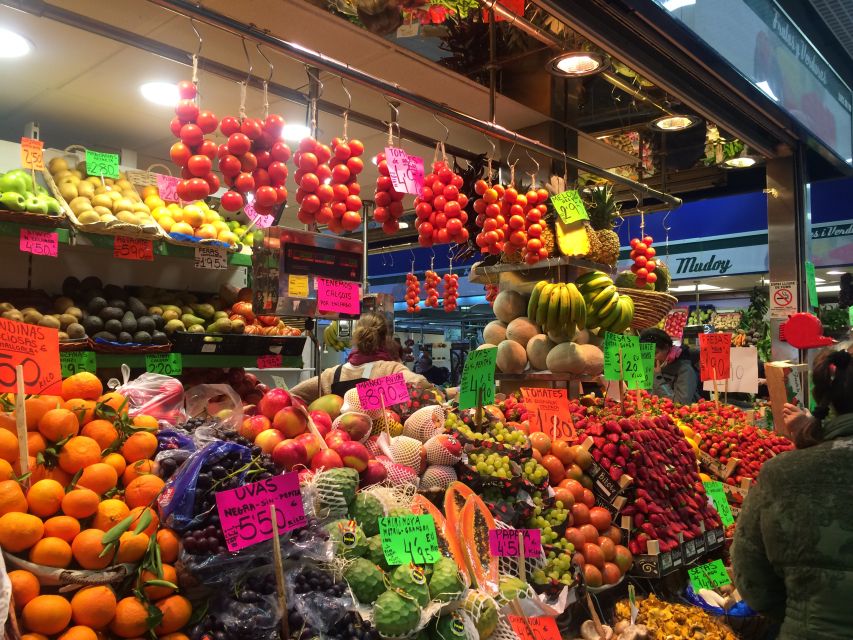
- Mercat de l’Olivar tasting: you try local specialties and learn what makes Mediterranean cuisine tick
How Palma’s story actually comes alive on foot
Palma isn’t one thing. It’s layers, stacked. In about 2.5 hours, you walk through the kinds of locations where power, trade, and everyday life kept changing hands, and the guide helps you read those changes in the streets you see.
I like tours where the talking points match the physical route, not just random stops. This one does that: you start near the cathedral area, then shift toward the harbor and old fishing district, then climb into the upper city. That progression makes the whole “millennia” claim feel real instead of abstract.
You’ll also get a clear sense of the city’s maritime backbone. The route keeps circling back to fishing, maritime exchange, and how those industries shaped where important buildings ended up.
You can also read our reviews of more tours and experiences in Mallorca.
Getting your bearings: Lennox The Pub to Parc de la Mar
The meeting point is easy to find once you know what to look for: Lennox The Pub in Palma, at Avinguda d’Antoni Maura 22, near the corner of Carrer de Vallseca. It’s positioned along the Paseo del Borne side toward the sea, under the Almudaina Palace.
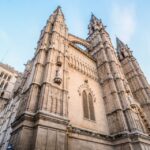
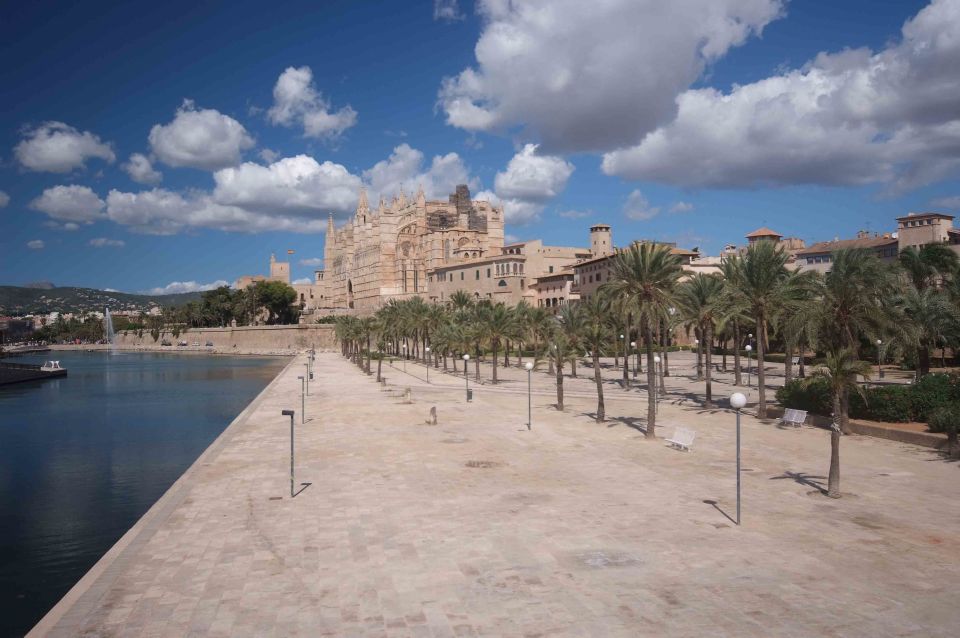
From there, the walk begins near Parc de la Mar, under the cathedral. This is where you’re given the foundation: where the city started, and how political conditions changed over time. It’s a good way to start because you’re orienting before you hit the maze of older streets.
Practical tip: if your navigation app sometimes sends you off to the wrong “Antonio Maura” street, double-check you’re in central Palma. The correct spot matters because the route is built around walking between close-in neighborhoods.
The harbor-to-trade segment: Consulado del Mar and maritime life
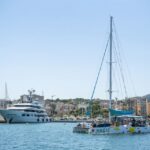
A big reason this tour works is that it treats the harbor as more than scenery. You walk toward the fishing area past the maritime trade exchange to Consulado del Mar, a historic building with shifting uses over the years.
Even if you’ve never heard the name, you’ll get the meaning of it fast. The guide frames Consulado del Mar as a place tied to maritime organization, and today it functions as an important political building for the Balearic islands. So you’re not just looking at an old structure—you’re learning why it mattered.
Keep your eyes up during this stretch. This part of Palma is all about the relationship between sea access and authority. Once you “see” that relationship, the later upper-city stops make more sense too.
Es Baluard viewpoint break: old fortress energy
Next comes a change of mood. You pass through the older fishing district and head toward Es Baluard, a fortress complex where the views are the point.
This is the stop that helps you understand the city layout with your own eyes. From there, you can take in the harbor and the way Palma folds around it. It’s not a long detour, but it’s a useful pause: you get your bearings while the guide’s explanations still fresh in your mind.
There’s also a nearby museum stop in the route—Museu d’Art Modern i Contemporani—which you’ll glide past as part of the movement toward the old streets. You’re not forced to do extra ticketed stops here, which keeps the pace realistic.
The old town maze and Paseo del Borne
After the viewpoint, you shift into the old city’s street grid: the kind of place where every turn can feel like a new angle on the same story. You move into the maze of lanes and the guide points out patterns you might miss on your own.
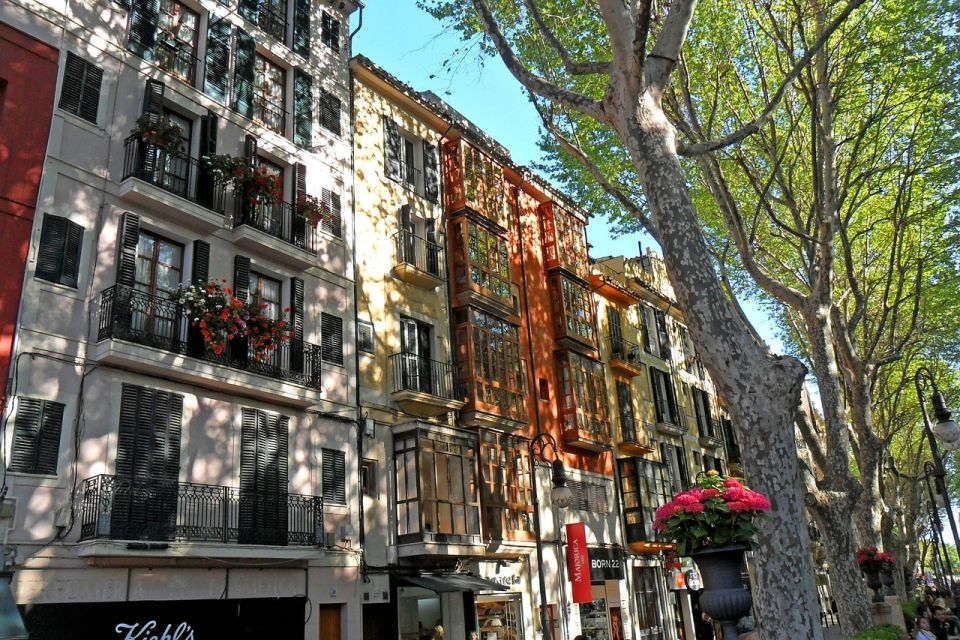
Then you hit Paseo del Borne, described as romantic, and it earns that label. You walk along a promenade where you can still sense the prestige that used to live here. The route includes former aristocracy houses that are now operating as 5-star hotels, so the past and present sit close together.
This section is where the tour turns “history facts” into “street reading.” When you understand who lived where and why, the city stops looking like just a pretty old center.

Upper-city landmarks: Almudaina Palace, parliament, and the cathedral look
The walk continues uphill into the upper city, and the tone changes again. You’ll pass by major civic and political areas, including the historical town hall and the parliament. You also visit the Almudaina Palace area as part of this climb.
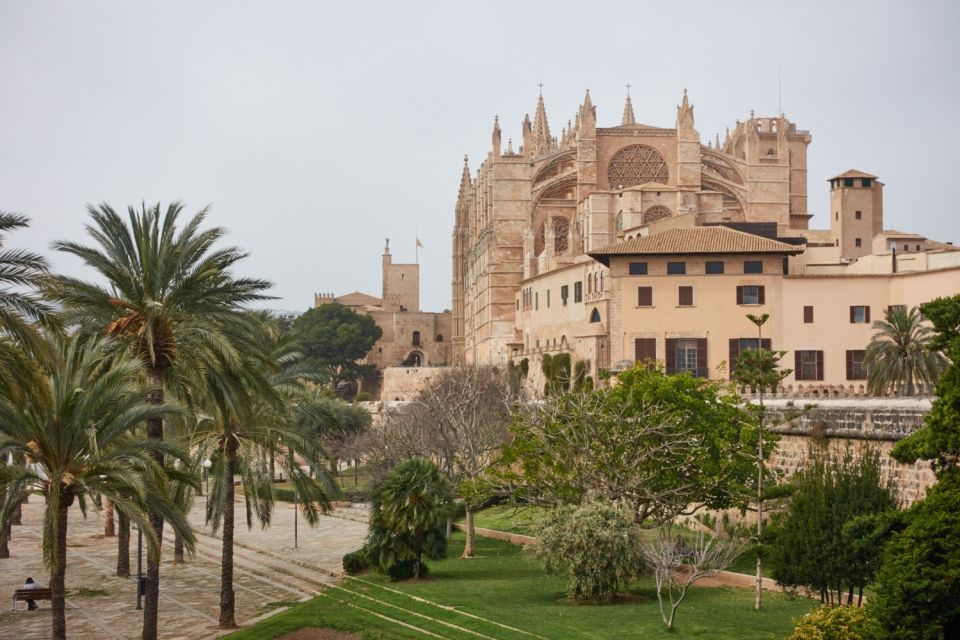
One of the nicest things here is the cathedral framing. You get impressive views of the cathedral, and the guide ties those views to the cathedral’s place in the city’s long timeline. You’re seeing it from the perspective of how it dominates the skyline, not just how it looks up close.
Real talk: this upper-city segment can feel like the most “active” part of a walking tour. It’s worth wearing shoes you trust. You’re on cobbles and uneven surfaces, and you’ll want steady footing rather than speed.
Mercat de l’Olivar: the Mediterranean food lesson that ends the tour
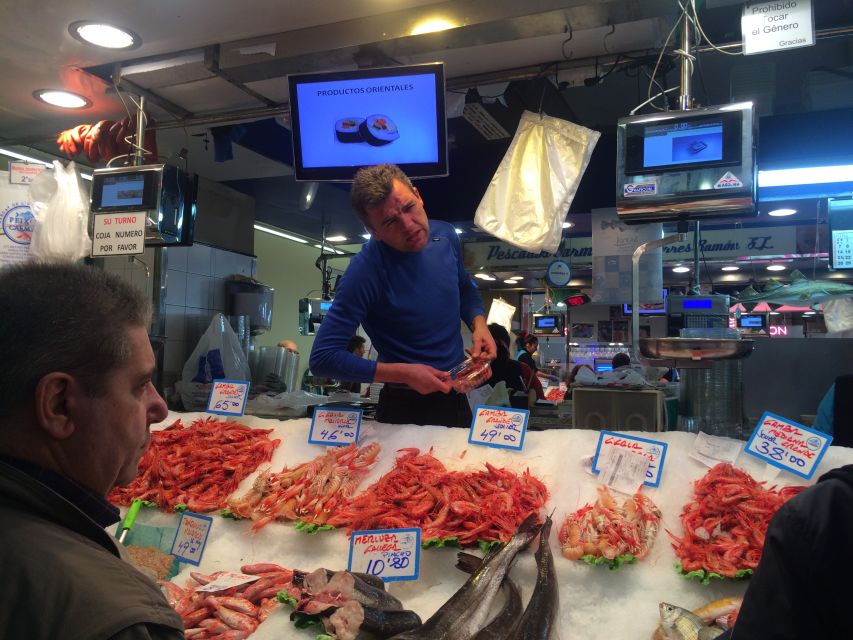
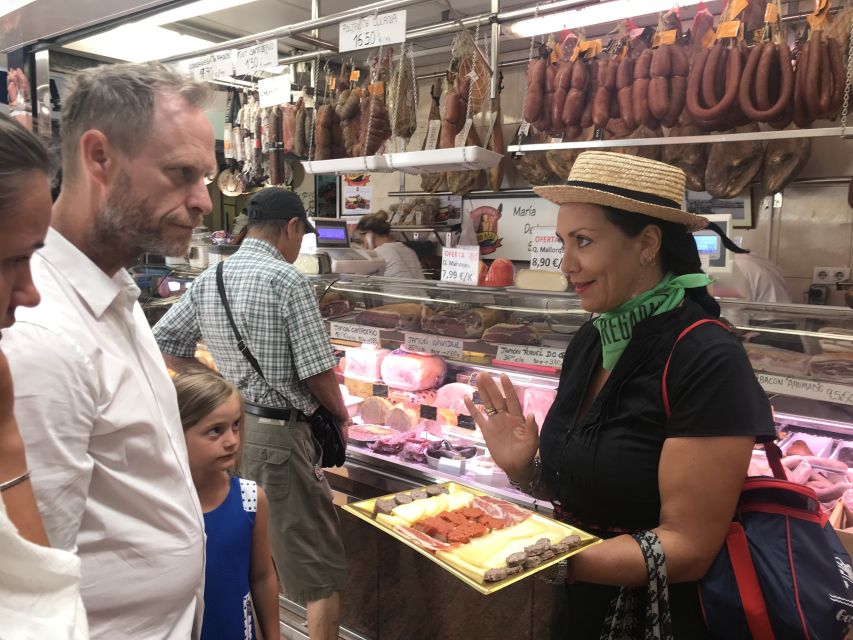
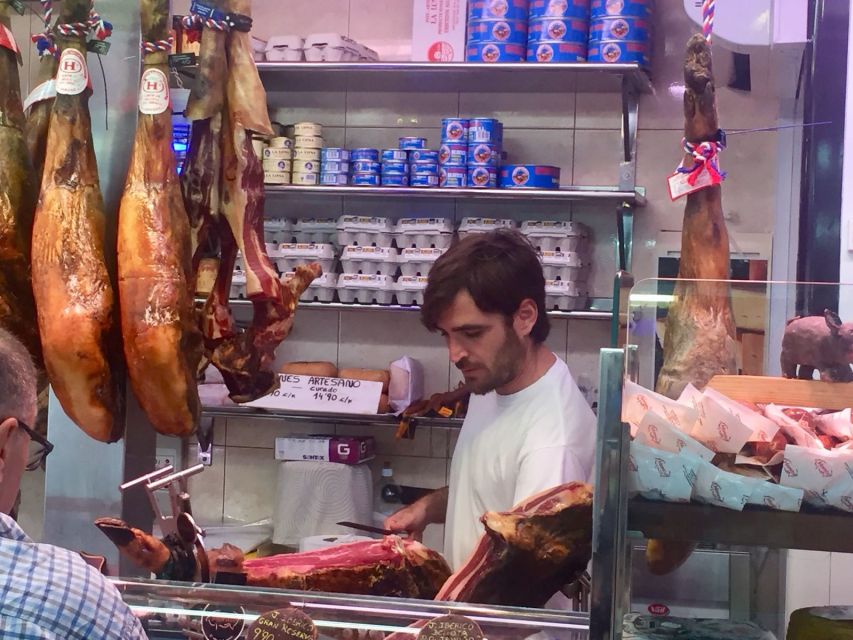
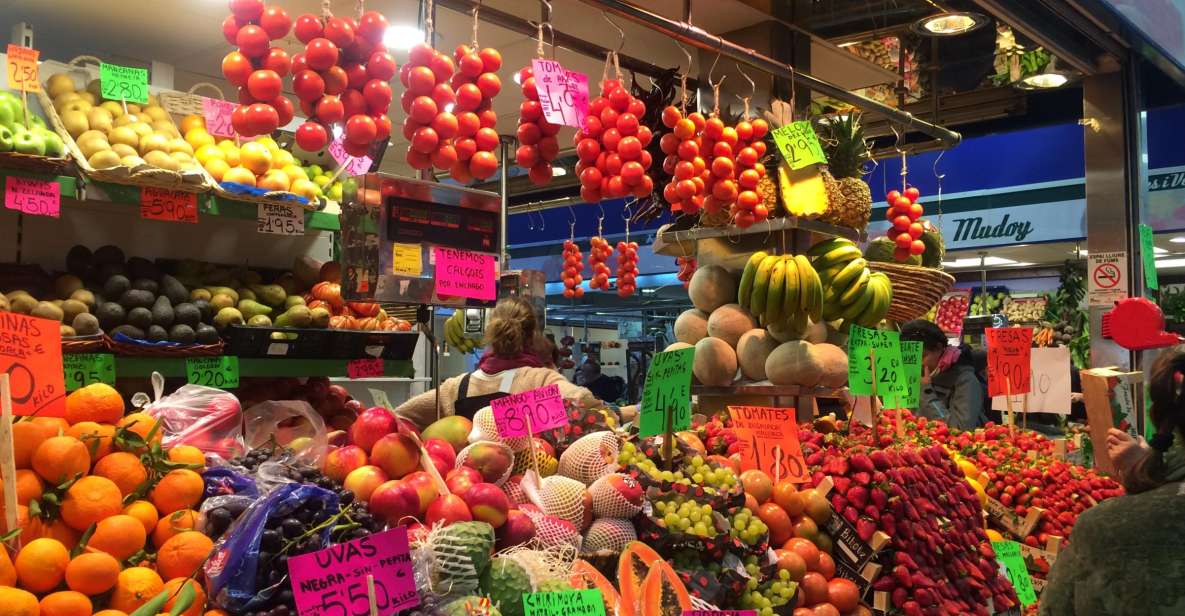
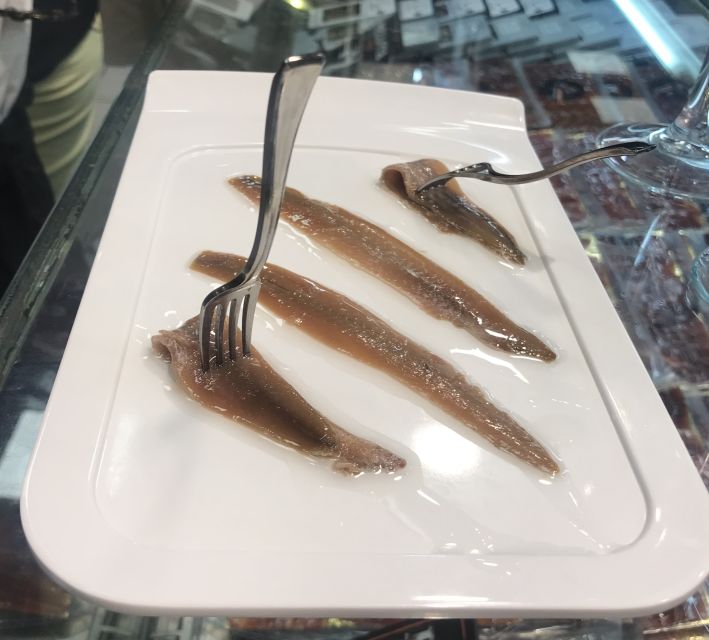
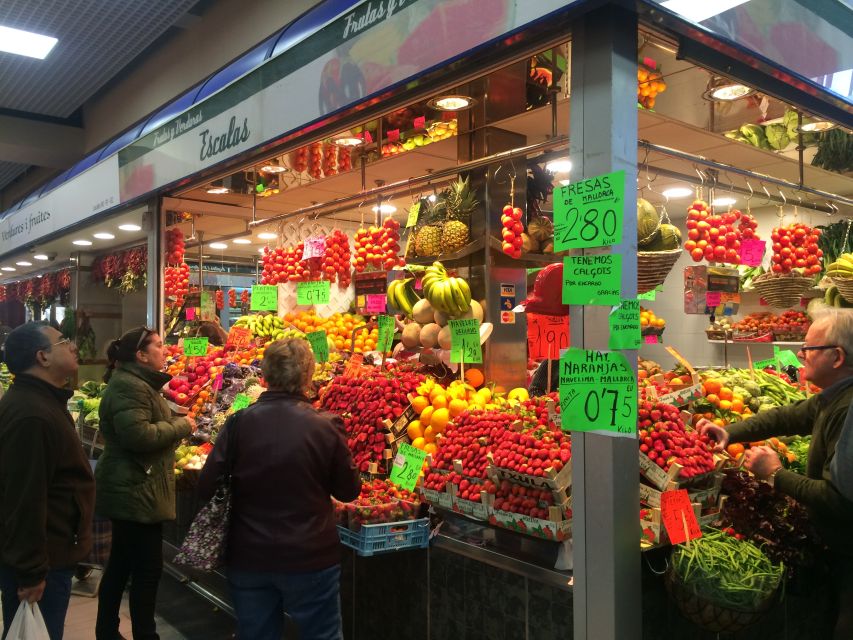
The finish is at Mercat de l’Olivar, where you get the tasting portion of the experience. This is more than snack time. You’re given a way to connect Mediterranean cuisine to the products you’re seeing: oils, cured meats, cheeses, produce, and the general logic of regional ingredients working together.
You’ll try a selection of local specialties. Names that come up in the experience feedback include cured ham and cheese, and some tastings include local wine. Even if your exact samples vary by timing, the point stays the same: the market makes Mediterranean food make sense fast.
What I like about ending here is that it closes the circle. Early on, the tour teaches you why Palma’s economy and culture leaned on the sea. At the market, you feel that same logic through the flavors—simple ingredients treated well, built for sharing, and tied to the region’s real supply.
Price and group size: when $347 feels like value
The price is $347 per group up to 4, for a duration of about 2.5 hours. That means the “effective cost” per person drops a lot when you come as a small group.
If you’re a solo traveler, it’s pricier than per-person tourist tickets. But you may still find it worthwhile because you’re buying two things at once:
- a guided walk through major historical zones that sit close enough to do in one pass
- a market stop with tasting included, which adds genuine local value
For couples or two friends, this format can be especially strong. You’re not trying to manage map logistics during the tastings, and you get a structured route that prevents wasted time circling the center.
For a family of four, it’s often a good trade: the tour covers multiple “Palma priorities” without forcing you into a museum-by-museum day. It’s a practical way to get grounded before you branch out on your own.
Who this Palma tour suits best (and who might want a different plan)
This is ideal if you want a guided, high-context walk and you like food that actually reflects place. It’s also a great match if you enjoy architecture and city planning because you’ll be repeatedly shown how buildings relate to power, trade, and eras.
It’s not ideal if you need full wheelchair access, since the experience is listed as not suitable for wheelchair users. Also note the rule about luggage: you can’t bring luggage or large bags, so travel light.
If you’re the type who enjoys asking questions, this tour can pay off. A common theme with the guides associated with this experience is their responsiveness to individual interests—so if you care more about the cathedral, the maritime trade angle, or the market food, you can usually steer the conversation.
Should you book this Palma walking tour?
Yes, you should book it if your idea of a great Palma day includes history you can see, walking views over the harbor, and a market tasting that ends the experience on something you can taste instead of just remember.
Skip it if you hate walking, want lots of indoor entry time (entry fees aren’t included), or prefer to explore totally unstructured. This tour is built for a guided route and a food finish, not for long museum breaks.
If you do book: wear comfortable shoes, plan to carry nothing bulky, and show up at Avinguda d’Antoni Maura 22 so the first minutes don’t turn into a hunt. Once you’re moving, the city’s story clicks quickly—and the market stop makes the whole walk feel like more than sightseeing.
FAQ
How long is the Palma walking tour?
The tour lasts about 2.5 hours.
Where does the tour start and where does it end?
It starts at Lennox The Pub – Palma (Avinguda d’Antoni Maura 22) and finishes at Mercat de l’Olivar.
How much does it cost?
The price is $347 per group up to 4.
What is included in the tour price?
You get a guided tour, an informative guide, a visit to the marketplace, and a tasting.
Are entry fees included?
No. Entry fees are not included.
What languages are available for the live guide?
The live tour guide is available in German and English.
Is the tour suitable for wheelchair users?
No, it is not suitable for wheelchair users.
What should I bring for the walk?
Wear comfortable shoes.
Can I bring luggage or large bags?
No. Luggage or large bags are not allowed.
Is free cancellation available and can I pay later?
Yes. You can cancel up to 24 hours in advance for a full refund, and you can reserve now and pay later.