REVIEW · CRETE
Kleanthi Olive Farm: Guided Tour with Local Delicacies Tasting
Book on Viator →Operated by Kleanthi · Bookable on Viator
Olive oil tourism gets real here. I like the walk through the olive groves and the guided tasting that turns a simple snack into a lesson you’ll remember. One caution: if you go off-season, the mill may not be running, so the day can feel quieter.
It’s a family-run farm visit in English, timed at about 1 hour 15 minutes with a max group size of 40. You’ll get a mix of scenery, how-to details, and food pairings—without feeling like you’re stuck in a classroom.
In This Review
- Key highlights you should notice before you go
- Where Kleanthi Olive Farm Fits in Crete (and why it’s worth the stop)
- The olive grove walk: the first lesson starts with your feet
- Inside the olive mill: what you’ll see (and what changes off-season)
- The tasting table: olive oil paired with Cretan comfort foods
- The shop experience: take home bottles without the pushy feeling
- Price and value: is $25.34 a fair deal?
- Who this tour is best for (and who might want a different plan)
- Practical tips to get the most from your visit
- Should you book Kleanthi Olive Farm?
- FAQ
- How long is the Kleanthi Olive Farm guided tour?
- How much does the tour cost?
- Is the tour offered in English?
- Where does the tour start and end?
- What group size should I expect?
- What happens during the tour?
- Do I need to print anything, or is there a mobile ticket?
- Is the tour available year-round, and is it weather dependent?
- What is the cancellation policy?
Key highlights you should notice before you go
- Grove walk + mill visit: you see the full olive-to-oil story, not just the tasting room
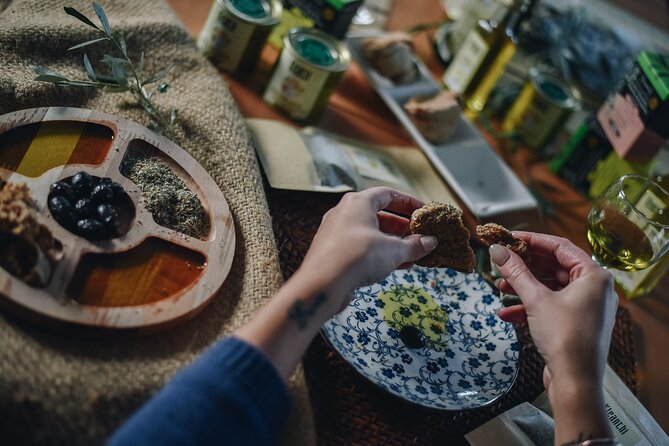
- Award-winning oil tasting: you sample their extra virgin olive oils alongside local bites
- Food pairings that teach: bread, cheeses, fruit, honey, herbs, and more show different flavor matches
- Friendly, no-pressure vibe: you can buy from the shop, but it doesn’t feel like a sales sprint
- Off-season reality: if the mill is idle, expect more history and less live production
Where Kleanthi Olive Farm Fits in Crete (and why it’s worth the stop)
Kleanthi Olive Farm is the kind of place that makes you rethink what olive oil tasting means. Instead of just sampling a few drops, you get the story behind the oil: how olives are grown, how the farm runs, and how the mill process fits into the season. It’s a short trip, but it’s paced so you actually absorb it.
You’re in a real working farm environment on Crete, at Skalani 715 00. That matters, because the atmosphere feels grounded. You’re not touring some themed exhibit. You’re walking through trees and then seeing the equipment used to produce the oil.
Timing is another practical point. This is roughly 1 hour 15 minutes, so it’s easy to slot into a day even if you’re bouncing around the island. It also helps that it’s offered in English, and you get a mobile ticket.
You can also read our reviews of more tours and experiences in Crete.


The olive grove walk: the first lesson starts with your feet
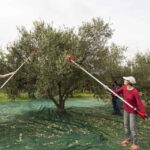
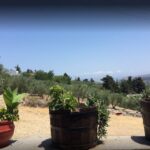
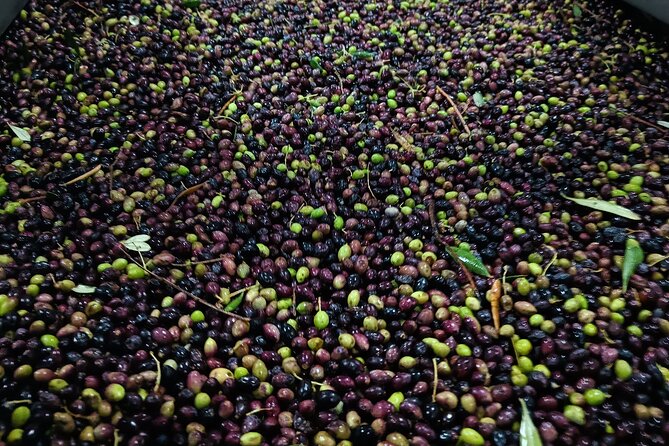
The visit begins back at Kleanthi Olive Farm. Then you head into the olive groves for a guided walk. This is where the tour earns its keep. Olive oil is all about long cycles—trees, seasons, picking, and careful handling—so starting outdoors makes sense.
On this part of the experience, you’ll learn what to look for in an olive grove and why harvesting timing matters. You’ll also get a feel for how olive cultivation shapes the farm’s day-to-day life. Even if you don’t consider yourself an olive expert, this section gives you enough context to understand what you’re tasting later.
A big theme that shows up repeatedly is that the guides make the farm feel personal. People mention guides such as George, Mary, Yannis, and Theodora for their clear explanations and warm hosting style. Names change from day to day, but the format stays the same: short, walk-and-talk pacing with room for questions.
Inside the olive mill: what you’ll see (and what changes off-season)
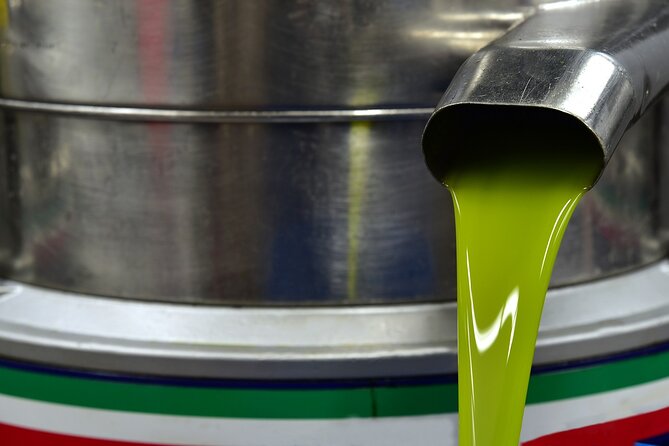
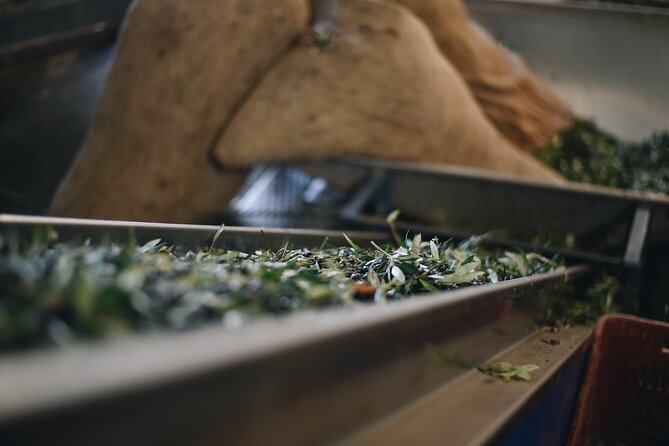
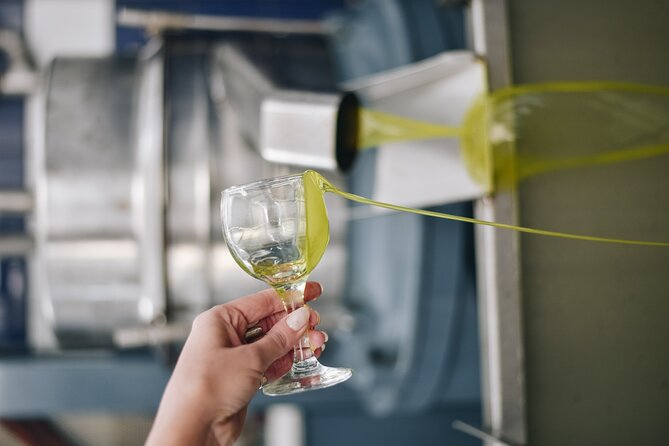
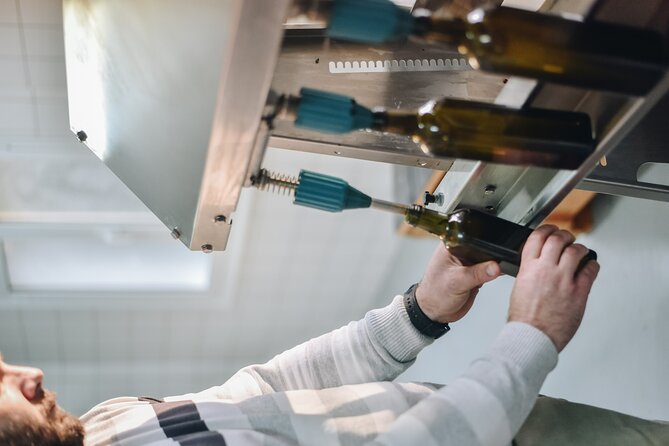
After the grove walk, the tour shifts to the olive mill and the production process. This is the part that turns your tasting from a fun bite into a real understanding of the work behind the bottle.
The key thing to know: the mill activity depends on the time of year. During harvest time, the production line is in operation and you can see the process live. Off-season is different. One guest put it plainly: don’t go expecting machinery to be running if harvest has not started yet. In quieter months, the experience leans more on history of cultivation and the farm’s general methods, with less live production.
So if your dream is to watch the whole system in action, plan around harvest months. If your goal is mainly to learn and taste their oils and local foods, off-season can still work. It’s just not the same show.
Either way, you’re likely to see demonstrations of the equipment and hear how the farm approaches sustainability and careful farming practices. The tour is short, so don’t expect a super long factory tour. Instead, it’s designed to be clear, focused, and tied directly to the oil you taste at the end.
The tasting table: olive oil paired with Cretan comfort foods
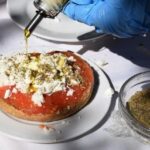
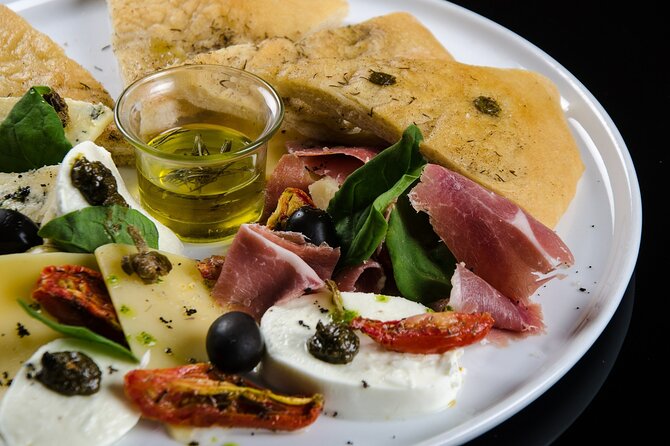
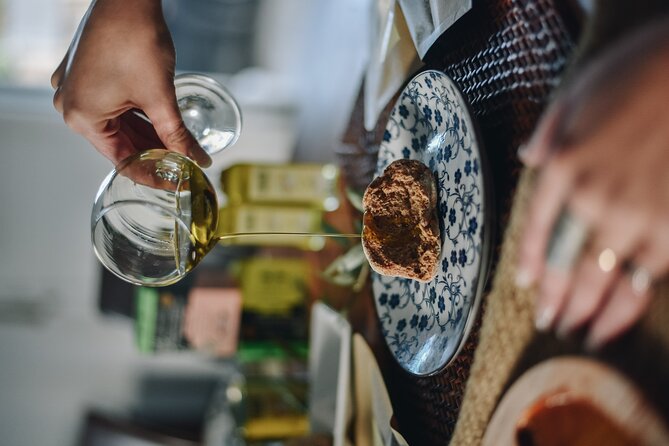
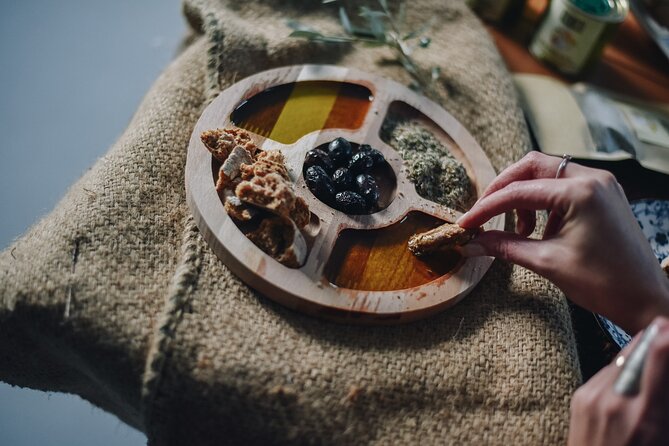
This is the payoff. You finish the tour in a tasting area where you sample their extra virgin olive oils alongside a spread of local delicacies. This is where people talk about the experience most—because the pairings don’t feel random. They’re set up to show you how olive oil can change with what you eat it with.
What you might expect at the tasting can include:
- bread (often artisanal-style)
- cheeses and other savory items
- fruit, including fruit served with syrup
- honey and herbs
- yoghurt and other local dairy options (sometimes described in the spread)
- smoked meat (mentioned by some guests)
- additional items like olives and tomatoes may show up in the pairing lineup
One nice detail from guest experiences: you may notice how the oil flavor responds to different add-ons. Some tastings include oil poured with ingredients like oregano or thyme, or blended with elements such as honey and syrup in different parts of the table. That kind of setup is practical. It helps you learn how to use olive oil at home, not just how it tastes straight.
If you’re a foodie, this part is fun because it teaches by eating. If you’re not, it still works because the flavors are approachable. You’re not hunting for esoteric bites. You’re tasting common Cretan foods in ways that highlight olive oil as the star.
The shop experience: take home bottles without the pushy feeling
When the tour ends, you visit the onsite store. This is where you can buy bottles of their olive oil to keep the flavor going after you head back to your hotel or vacation rental.
What stands out in the feedback is the tone. People mention there isn’t a hard sell. You can browse and purchase if you want to. That matters, because some tours treat the tasting as a sales funnel. Here, the experience seems to focus on teaching and sharing first, then giving you a chance to take the oil home.
For olive oil lovers, this is ideal. Even if you came for the tour, you’ll leave with a reason to shop—because you’ll have tried the oils in context.



Price and value: is $25.34 a fair deal?
At $25.34 per person for about 1 hour 15 minutes, this is priced like a solid half-day activity. It’s not a budget impulse buy, but it’s also not a full-day excursion price. The value comes from getting multiple parts of the process in one visit: grove walk, mill visit, and the tasting spread.
If you only want the tasting, you’d likely pay less elsewhere. But the tasting alone is stronger because you understand what you just saw. The combination is the value: education plus food, in a short time window.
It also helps that the group size is capped at 40. You’re less likely to feel lost in a crowd, and you can actually pay attention during explanations and while tasting. Most people rate it very highly, with a 4.9 overall rating and a 98% recommendation rate from the set of reviews you provided. That’s not a guarantee, but it’s a good sign that the experience hits its mark.
One more practical value point: the tour is offered in English and includes a mobile ticket, which makes it simpler to plan and show up.
Who this tour is best for (and who might want a different plan)
This experience fits best if you like:
- food + learning together
- short guided activities with clear structure
- olive oil as a real ingredient, not just a souvenir
It’s also a decent choice for families. One review specifically mentioned that kids liked it. It’s not just lectures; it’s a walk outdoors and then a tasting. That combination usually works for younger attention spans.
You might consider a different option if:
- you only want something happening nonstop, every minute
- you’re traveling strictly off-season and you expect live mill operations
- you’re the type who hates guided groups and prefers wandering alone
If you’re flexible about the mill running, you’re still likely to get a good visit. The tasting and the farm explanations can carry the experience even when production isn’t running.
Practical tips to get the most from your visit
Here are the small, real-world things that make the difference.
Wear walking shoes. The grove walk is on farm terrain, and you’ll enjoy it more if your feet aren’t fighting you.
Go with a tasting mindset. Take your time. Smell first, then taste, then try a bite with bread, cheese, honey, or herbs. Olive oil can taste very different depending on what’s on your fork.
Ask questions. The guides are described as friendly and responsive. If you want to know about picking, process basics, or how to use olive oil at home, this is the moment.
Plan for weather. The tour requires good weather. If it’s canceled due to poor conditions, you’ll be offered another date or a full refund.
Should you book Kleanthi Olive Farm?
Yes, you should book this if you want a short, high-satisfaction farm experience that includes both olive groves and a tasting with local foods. The price feels fair for what you get, especially because the tasting connects to what you see in the groves and mill.
If you’re traveling in off-season, book with realistic expectations. You may not see the full production line running, so you’ll be there for the farm story and the tasting more than live machinery. Still, the day can be enjoyable if you like learning how olive oil is made and tasting it with Cretan pairings.
FAQ
How long is the Kleanthi Olive Farm guided tour?
The tour runs about 1 hour 15 minutes (approx.).
How much does the tour cost?
The price is $25.34 per person.
Is the tour offered in English?
Yes, the tour is offered in English.
Where does the tour start and end?
It starts at Kleanthi Olive Farm, Skalani 715 00, Greece, and ends back at the meeting point.
What group size should I expect?
The activity has a maximum of 40 travelers.
What happens during the tour?
You walk through the olive groves with a guided explanation, see the olive mill and processes, and then enjoy an olive oil tasting paired with local delicacies.
Do I need to print anything, or is there a mobile ticket?
You’ll receive a mobile ticket.
Is the tour available year-round, and is it weather dependent?
It requires good weather. If it’s canceled due to poor weather, you’ll be offered a different date or a full refund.
What is the cancellation policy?
You can cancel for a full refund up to 24 hours in advance. If you cancel less than 24 hours before the experience starts, the amount paid is not refunded.