REVIEW · SICILY
Sicilian Cooking Class in Taormina
Book on Viator →Operated by Noema Viaggi Srl · Bookable on Viator
Food lessons in Taormina feel like a party. This cooking class turns fresh pasta and Sicilian classics into a practical, chef-led morning or evening right at Porta Messina.
What I like most is the hands-on setup: you get a table ready for cooking, an apron, all the ingredients, and clear instruction even if you’ve never cooked like this before. You also get a proper sit-down tasting at the end, so you’re not just chopping and hoping.
The one thing to keep in mind: the menu rotates and can run fish-forward on some days, and in hotter months you may feel the room heat while you’re working.
In This Review
- Key things worth knowing before you go
- Where Porta Messina makes this class easy to fit into Taormina
- The 4-hour structure: what happens from arrival to the final tasting
- Market time in Taormina: the quick stop that changes how you cook
- Fresh pasta lessons: what makes the teaching method work
- Caponata plus rotating Sicilian specialties: how the menu stays local
- Lunch, wines, and liquors: eating your way through Sicily
- The chef-led energy: names you might recognize from different sessions
- Recipes in English and a participation certificate
- Price and value: what $126.72 buys you in real terms
- Who should book this Taormina class (and who might want a different option)
- Should you book? My straight answer
- FAQ
- How long is the Sicilian Cooking Class in Taormina?
- What time does the class start?
- Where is the meeting point?
- Do I need cooking experience to join?
- What dishes will I make during the class?
- Is lunch included?
- Are drinks included?
- Do I get recipes or documentation?
- Can I cancel for a full refund?
Key things worth knowing before you go
- Market-to-meal flow: you buy produce used right in the cooking
- Fresh pasta practice: taught with a traditional method and lots of guidance
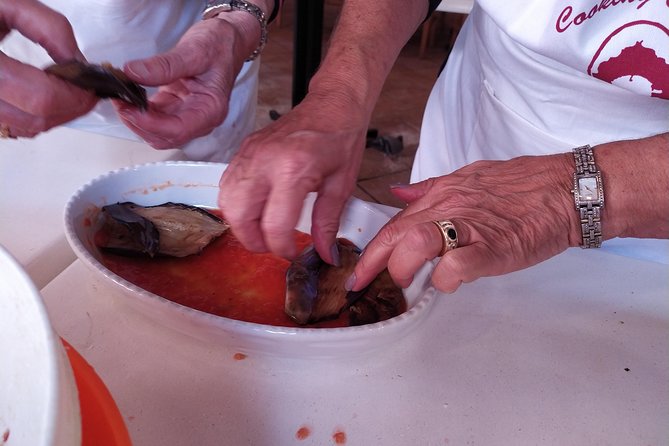
- Caponata is a centerpiece: made from vegetables purchased at the market
- Small group size: maximum 20 people keeps the pace manageable
- You eat what you make: tasting with Sicilian wines and liquors
- You leave with proof: printed recipes in English plus a participation certificate
Where Porta Messina makes this class easy to fit into Taormina
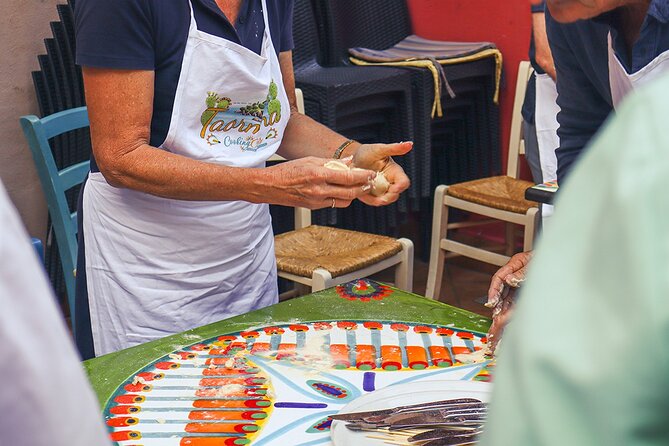
Taormina is small enough that you can walk a lot, but the main thing you’ll love about this class is how straightforward the start is. You meet at Ristorante Pizzeria Porta Messina (Largo Giove Serapide, 4, Taormina), and the lesson is built around that single location. By the time you arrive, the tools are already set out and you’re given an apron, so you don’t waste energy figuring out where to stand and what to do first.
This matters because cooking classes can turn chaotic fast when the group is big or the kitchen setup is unclear. Here, the rhythm is organized: arrive, get geared up, start cooking. That gives you time to actually learn what you’re doing, not just watch.
Also, the class runs in two daily sessions—10:00 am and 18:30—so you can choose based on your day. If you’re touring beaches and viewpoints earlier, go for the morning. If you want a late dinner-type experience that still feels like lunch, the evening slot can work nicely.
Finally, the group limit (up to 20) is a big deal. In practice, it tends to mean more hands-on time and a better chance that staff can help when your dough or pan skills are still getting up to speed.
You can also read our reviews of more tours and experiences in Sicily.



The 4-hour structure: what happens from arrival to the final tasting
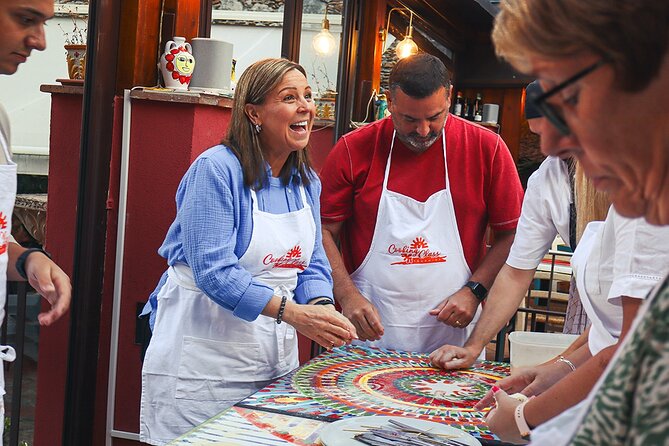
Expect about 4 hours in total. The lesson doesn’t just move from recipe to recipe—it moves through phases, each with a job to do.
1) Prep and first cooking steps
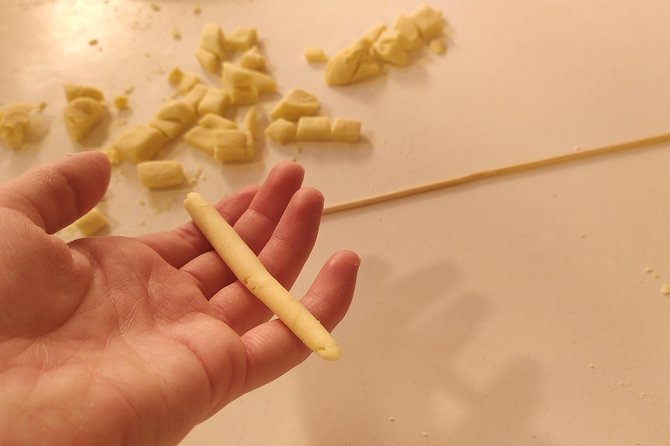
You start at the restaurant with everything ready. The early focus is making fresh pasta using a traditional method. Even if you’re not confident with dough, the class is designed for beginners: full instruction is provided and you’re not left to figure out the technique alone.
2) Caponata and Sicilian vegetables
After the pasta, you shift to a Sicilian classic: homemade Caponata. What makes it feel more real is that the vegetables are tied to the market portion earlier—so it’s not just a dish name. You’re working with actual ingredients you selected.
3) More seasonal dishes during the lesson
Along the way, you’ll prepare additional Sicilian items. The exact menu changes month to month, but you might see dishes like fresh sardines, zucchini flowers, and other seasonal plates. Some sessions also include preparations that end up as bigger dishes to bake or serve later.
4) Sit down to eat, with drinks
Once the cooking is finished, you all sit together for a meal made from the dishes you prepared. You’ll get tasting with Sicilian wines and liquors, plus mineral water and coffee included. It’s the kind of ending that makes the work feel worth it, because you’re not just tasting tiny samples—you’re eating a full lunch-style spread.
5) Go home with recipes and a certificate
You receive printed recipes in English and a certificate of participation from the chef. That turns the day into something you can repeat after you’re back home.
Market time in Taormina: the quick stop that changes how you cook
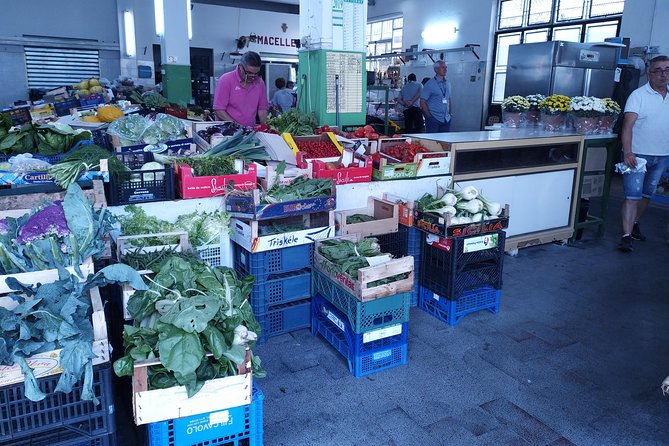
A standout part of the experience is the market component. You go to buy vegetables (and in some sessions, you may pick up ingredients connected to fish dishes too), and then those choices show up in what you cook.
The market part is not presented as a long walking tour. It’s more like: quick orientation, pick seasonal produce, go back to the kitchen and turn it into food. This is good if you want value without spending half your day shopping.
One note: not everyone loves the market stop. If you prefer a longer, more detailed lesson with nonstop instructor interaction, you may feel that the market is a short detour. On the other hand, the people who get the most out of the class tend to like that the ingredients feel local and tied to the dishes you’ll make immediately.
If you’re booking during summer, also keep in mind that you may be moving through warmer outdoor spots. Bring a light layer if you run hot, and plan to hydrate before you start cooking.
Fresh pasta lessons: what makes the teaching method work
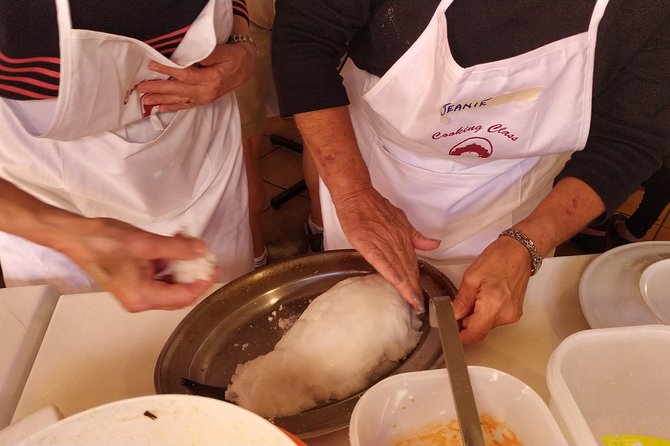
Fresh pasta sounds simple until you’re standing there with flour on your hands. The key here is that the class is structured for learners: no experience necessary, and instruction is built around getting you to produce something you can eat at the end.
You’ll start with pasta using a very traditional method—the type of approach that focuses on technique and feel rather than shortcuts. You’ll likely be doing enough steps yourself that you can remember what worked and what didn’t.
Why this is valuable for you: when you’re trying to recreate a pasta dish later, the details that matter are usually the hands-on ones—how dough responds, how you handle it, and what “right” texture looks like. A class like this gives you those reference points. The recipes you take home help, but the real advantage is having done the process at least once.
If you’ve cooked pasta at home before, the class can still be fun because you’re comparing techniques and learning how Sicilians think about simple dough and tradition. If you’re brand-new, you’ll still come away with confidence that you can make something similar without needing a pasta degree.
Caponata plus rotating Sicilian specialties: how the menu stays local
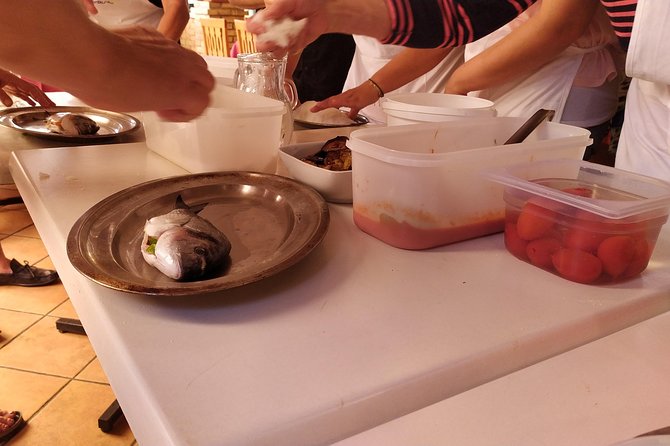
Caponata is a centerpiece for this class, and it’s also one of the best “Sicily in a dish” foods for learning. The lesson version includes vegetables you bought at the market, which grounds the recipe in seasonal produce rather than imported predictability.
After pasta and Caponata, you’ll prepare other Sicilian dishes of the culinary tradition. The exact items change monthly, but the broader pattern stays: seasonal ingredients, classic flavors, and practical cooking steps that end up tasting like a proper meal.
Here are examples that show up across different sessions:
- Fresh sardines (some days are more fish-forward)
- Zucchini flowers
- Dishes like eggplant parmigiana
- Fish preparations such as sea bass in a salt crust, swordfish rolls, or similar baked/served fish items depending on the day
- Sicilian sweets like cannoli, and sometimes lemon-based liqueur like limoncello as part of the after-meal vibe
That’s the practical part: you’re not locked into one fixed dish list. The benefit is variety and seasonality. The trade-off is that if you strongly dislike seafood—particularly sardines or fish dishes—you may want to think about whether the likely menu tilt fits you.
If you’re flexible and hungry, this rotation is part of the fun. It lets you taste more sides of Sicilian cooking than a one-dish class would.






Lunch, wines, and liquors: eating your way through Sicily
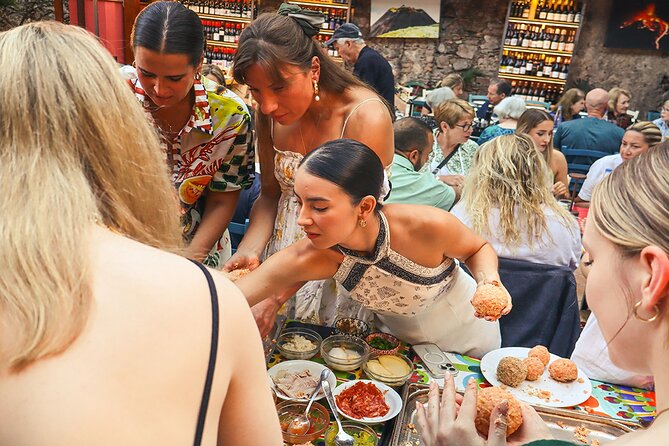
The end of the class is where it clicks: you sit down and eat the dishes you cooked. This isn’t a light snack. It’s a full spread with multiple courses, and the schedule is designed so the meal happens after the cooking is done.
What’s included:
- Mineral water and coffee
- Sicilian wines and liquors with the tasting
The exact courses follow a monthly-changing pattern, but you can expect the class to cover a starter, pasta, a second course (meat or fish), and a Sicilian dessert. Starters and second courses change every month, and desserts do too—so your plate is linked to what’s fresh and seasonal.
In real terms, this matters for value. Many cooking classes sell the kitchen time but underdeliver on the meal. Here, you do both: you learn and you eat. The included wine/líquor component also turns it into a social experience, which is a big reason people say it feels like more than a class.
Hydration tip: since you’re working with food and likely sipping, plan to pace drinks and drink water during breaks.
The chef-led energy: names you might recognize from different sessions
This class is run by professional chefs, and the team changes by session. You may cook with chefs including Paolo/Paulo, Francesca, Giovanni, or Luca, with supporting staff such as Antonio or Mauricio.
Across the experiences described, the common thread is that the chefs bring both instruction and personality. You’re not just learning how to follow steps—you’re picking up the reasoning behind ingredients and prep methods, plus stories that connect food to the Sicilian way of cooking.
One caution from the real world: teaching styles differ. If you’re hoping for constant, hands-on coaching from the lead chef at every step, know that some sessions may feel more like a team effort where the head chef checks in while other staff guide you closely. That doesn’t mean the day fails—it just affects how much direct back-and-forth you get from the chef at every moment.
Recipes in English and a participation certificate
I like this part because it makes the class useful after you return home. You get printed recipes in English, plus a certificate of participation from the chef.
The recipes help you repeat what you cooked—especially pasta steps and how to approach Sicilian staples like Caponata. And since the menu rotates, having the English recipes means you can still recreate your specific dishes even if the next batch cooks something different.
If you’re traveling with a goal—like learning one or two Sicilian recipes to actually make again—this is the kind of souvenir that’s more than a postcard.
Price and value: what $126.72 buys you in real terms
At $126.72 per person for about 4 hours, this class isn’t the cheapest way to eat in Taormina. But it also isn’t just a meal.
Your money goes to:
- The cooking instruction by a professional chef and kitchen team
- All ingredients and utensils used during the class
- Lunch (the full tasting meal you sit down for)
- Sicilian wines and liquors during the tasting
- Printed recipes in English
- A participation certificate
For many people, the biggest value is the combination. You’re paying for the whole package: market sourcing, hands-on cooking, and a sit-down feast with drinks, all in a small group.
If you compare it to paying separately for a guided experience, a meal, and a recipe handoff, the math starts looking more reasonable. And if you’re the type who wants to come home with skills—not just photos—this class tends to land in the sweet spot.
Transportation isn’t included, so you’ll want to plan how you’ll get to Largo Giove Serapide.
Who should book this Taormina class (and who might want a different option)
This class fits best if you:
- Like hands-on activities and don’t mind getting involved
- Want to learn a few core Sicilian techniques, not just watch
- Prefer a small-group feel (max 20)
- Enjoy tasting food paired with Sicilian wines and liquors
- Want recipes in English to take home
It may not be ideal if you:
- Dislike fish dishes and get stuck on one specific ingredient (some sessions can be fish-forward)
- Need very constant one-on-one instruction from the head chef
- Are sensitive to heat during summer cooking (some kitchens can get warm when you’re actively working)
A practical way to decide: if you’re excited about cooking fresh pasta and learning Caponata, book it. If you’re mostly there for a calm, minimal-effort meal, you might enjoy a different food experience more.
Should you book? My straight answer
Book this cooking class if you want a real skill-based Sicilian experience in Taormina—fresh pasta, Caponata, seasonal dishes, and a full lunch tasting with Sicilian wine. The small group and the fact that you get recipes in English makes it especially worth it if you’re the kind of traveler who cooks after the trip.
Skip it (or consider another option) if seafood is a hard no for you, or if you hate the idea of being actively hands-on in a busy kitchen environment. And if you’re traveling in midsummer, plan for heat and bring water patience.
If those fit your style, this is one of the best ways to turn Taormina time into something you can repeat at home.
FAQ
How long is the Sicilian Cooking Class in Taormina?
It lasts about 4 hours.
What time does the class start?
You can choose a 10:00 am appointment or an 18:30 appointment.
Where is the meeting point?
You meet at Ristorante Pizzeria Porta Messina, Largo Giove Serapide, 4, 98038 Taormina ME, Italy.
Do I need cooking experience to join?
No. The class is set up with full instruction and no experience is necessary.
What dishes will I make during the class?
You’ll make fresh pasta and homemade Caponata, plus additional Sicilian dishes that change every month. The menu includes a starter, pasta, a second course (meat or fish), and a Sicilian dessert, depending on the season.
Is lunch included?
Yes. Lunch is included, along with the tasting of the dishes you prepare.
Are drinks included?
Yes. The tasting includes Sicilian wines and liquors, plus mineral water and coffee.
Do I get recipes or documentation?
Yes. You receive printed recipes in English and a certificate of participation from the chef.
Can I cancel for a full refund?
Yes, free cancellation is available up to 24 hours before the experience start time for a full refund.