REVIEW · SAN JOSE
Poás Volcano and Coffee Tour with Tasting and La Paz Falls
Book on Viator →Operated by Inside Tours Costa Rica · Bookable on Viator
Poás is a weather drama you can plan for. This tour strings together Poás Volcano, a working coffee plantation, and La Paz Waterfall, with a rural stop in between and plenty of time for photos when the skies cooperate.
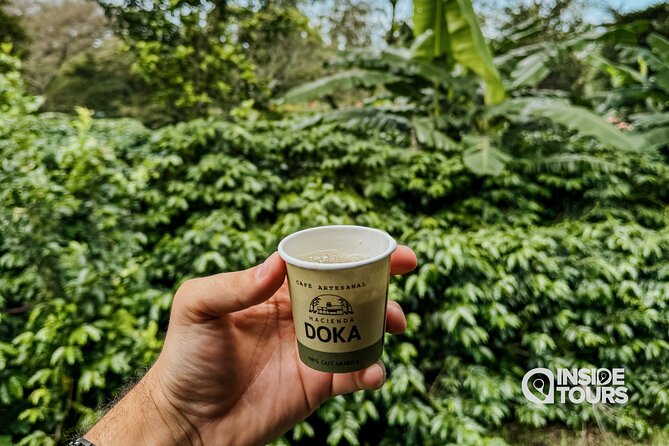
I especially like the coffee experience at Doka Estate, where you get a guided lesson on how coffee is grown and processed plus coffee and chocolate tastings. I also like having a local guide such as Nela or Marcella mentioned in past groups, who focus on what you’re seeing and why it matters.
One thing to keep in mind: Poás visibility is not guaranteed. Fog and volcanic conditions can limit what you see at the crater, so you’re choosing a trip with real weather risk.
In This Review
- Key highlights worth your attention
- An early start that matters for Poás Volcano
- Stop in San Jose’s rural rhythm: strawberries, dairy, and quick sights
- Doka Estate coffee tour: history, process, and chocolate tasting
- Poás Volcano crater: the view, the lagoon, and the weather rules
- La Paz Waterfall near Vara Blanca: short stop, good photos
- What the day feels like: van time, group size, and cold mornings
- Price and value: when $105 makes sense
- Who should book this tour (and who should skip it)
- Should you book Poás, coffee, and La Paz Falls?
- FAQ
- What time does the tour start?
- How long is the trip?
- What’s included in the price?
- Is lunch included?
- How big is the group?
- Can I cancel and get a full refund?
Key highlights worth your attention
- Poás Volcano early timing that boosts your odds of a clearer crater view
- Doka Estate coffee tour plus chocolate tastings with guided explanations
- Short, guided nature time at the crater rather than a rushed checklist
- La Paz Waterfall is quick and best for a photo moment, not a long hike
- Cold mountain weather is common—plan for a jacket and water
- Small group size up to 20 for a more manageable day
An early start that matters for Poás Volcano
This is the kind of day that starts before the sun feels friendly. The schedule shows a morning window of 4:30 AM to 6:00 AM (Monday), and the whole trip runs about 7 to 8 hours. That early push matters because Poás sits in high elevation clouds. The higher you go and the later you go, the more likely it is that you’ll hit mist.
Here’s the honest tradeoff: you can do everything right and still get fog. That’s not a tour failure; it’s just how Poás behaves. Some days the crater is sharp and dramatic; other days the view is muted or limited for safety if volcanic gases are high. In those cases, I’d expect your guide to follow the rules on access and adjust the timing where possible.
If your top priority is the crater view, treat this as a gamble you’re allowed to try. The upside is that even when the volcano is shy, the coffee farm portion tends to be a strong consolation prize—full of smells, stories, and tastings.
You can also read our reviews of more tours and experiences in San Jose.



Stop in San Jose’s rural rhythm: strawberries, dairy, and quick sights
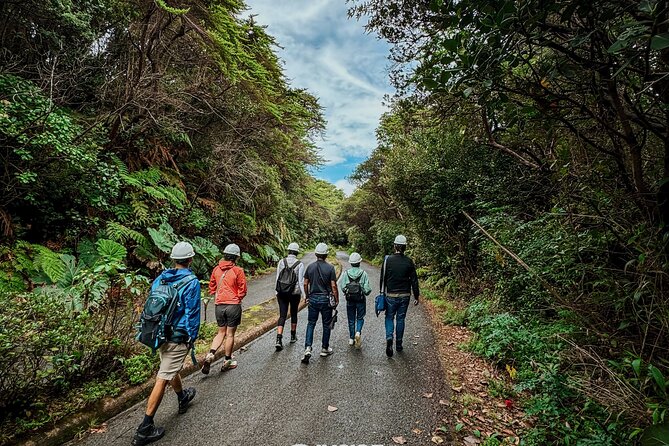
Before the volcano and the coffee, you’re driven through the countryside around San Jose, heading toward a rural area where the local economy leans on strawberry and dairy production. The point of this stop isn’t a big attraction with a ticket booth. It’s more about context—seeing how people live when you’re not in the city grid.
This stretch is also practical: it gets you out of town early so the rest of the day doesn’t collapse under traffic. The ride passes through hilly areas with mountains and trees, which makes the early morning feel less like one long transfer and more like part of the experience.
Don’t count on this being the emotional peak of the day. Think of it as orientation and breathing room: the countryside version of getting your bearings fast, before you head for Poás and the tasting portion.
Doka Estate coffee tour: history, process, and chocolate tasting
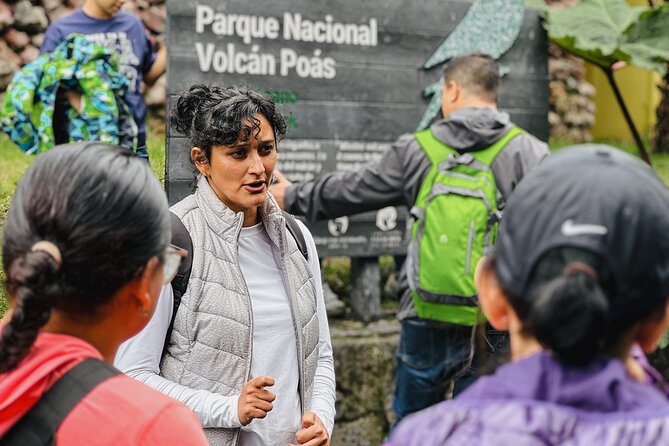
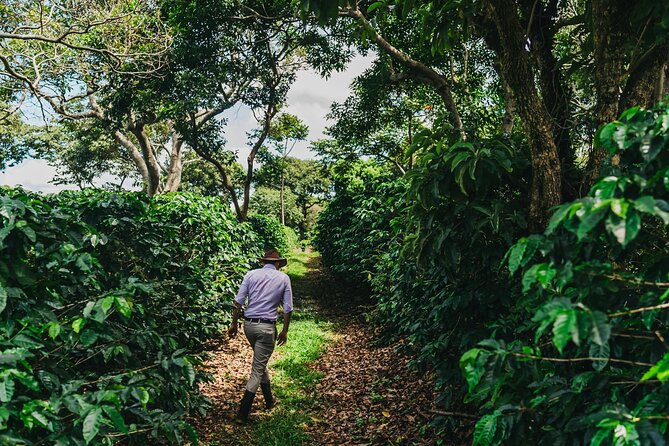
The day’s biggest “hands-on” section is the coffee farm at Doka Estate Costa Rica. The schedule includes two back-to-back coffee-focused blocks. That’s not just repetition; it usually means you get a broader learning arc rather than one short demo.
Expect a local guide to talk about:
- the history of coffee and how it became part of Costa Rica’s identity
- how coffee moves from farm to processing
- coffee culture—how people drink and think about it
Then you get what I’d call the payoff: coffee tasting and chocolate tasting. Coffee and chocolate are a classic pairing because both have strong flavors that make it easier to notice differences from batch to batch. It’s also a nice way to reset after the drive.
When the volcano part goes sideways (fog or access limits), this segment is often the section that still feels complete. If you like food-and-craft experiences—rather than just “look at scenery”—this is a big reason this tour can be worth it.
A few practical tips for this portion:
- If you’re sensitive to caffeine, pace yourself. You might get more than one tasting.
- Wear something comfortable. You may walk around the plantation areas, even if the walking is easy.
- If you’re thinking about souvenirs, this is where you’ll usually have the most patience for tasting and browsing, rather than doing it later in a hurry.
Poás Volcano crater: the view, the lagoon, and the weather rules
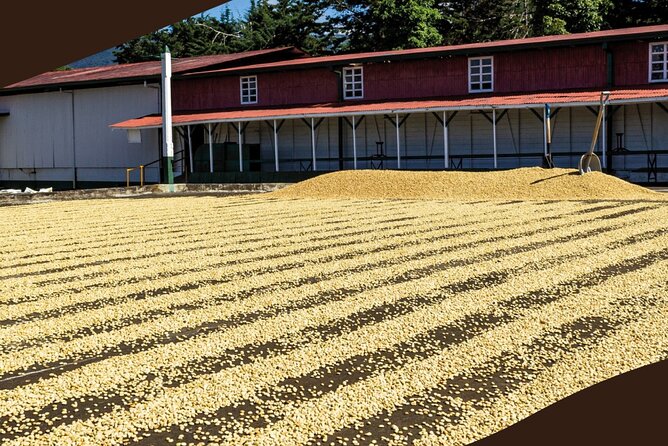
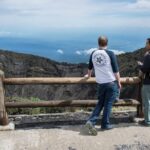
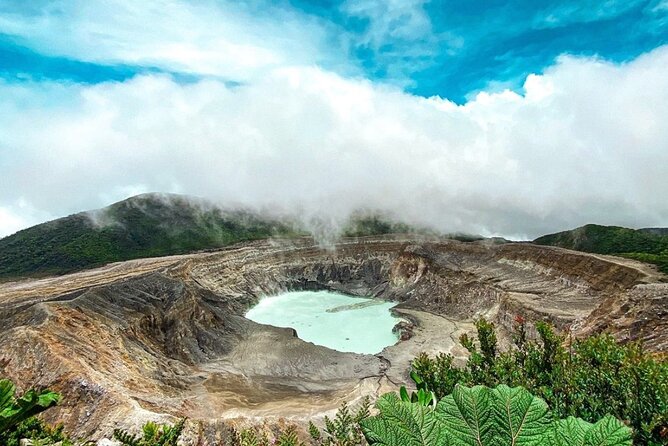
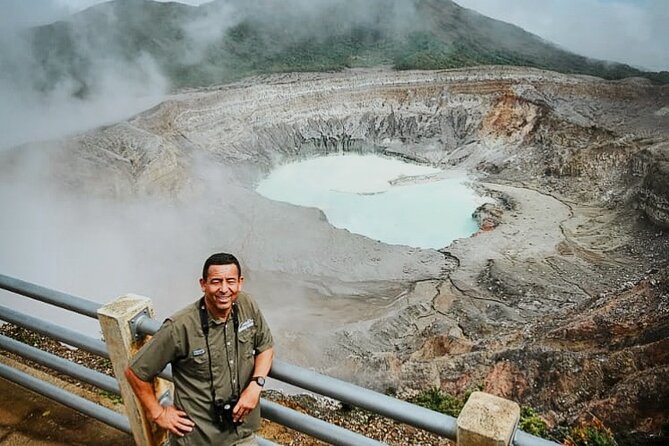
Poás Volcano is the headline act for a reason. The plan is to visit the crater area with a guide and focus on the crater lagoon—a striking natural feature when visibility is good.
But you’re also dealing with reality. Poás can be obscured by clouds, and volcanic gases can affect access. At times, entry to the crater can be restricted for safety, which means you might spend the time waiting for conditions to improve or shifting to other parts of the experience if the access rules don’t change.
What you can control is your mindset and your prep:
- Dress for cool air. One of the most repeated practical comments is to bring a jacket, because it can feel cold as you go higher.
- Bring water. If the day includes extra walking near viewpoints, you’ll thank yourself later.
- Keep your expectations flexible. If the crater is hidden, you haven’t “wasted your money,” you’ve chosen a volcano tour with real-world conditions.
When Poás is visible, it’s one of those rare places where the guide’s explanation makes your photos look better. You understand what you’re seeing—why the crater looks the way it does and how the lagoon fits into the bigger volcanic system. In good conditions, that context turns a viewpoint into a story.
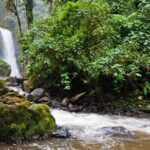
La Paz Waterfall near Vara Blanca: short stop, good photos
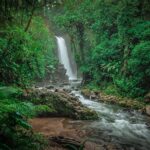
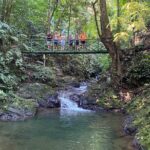
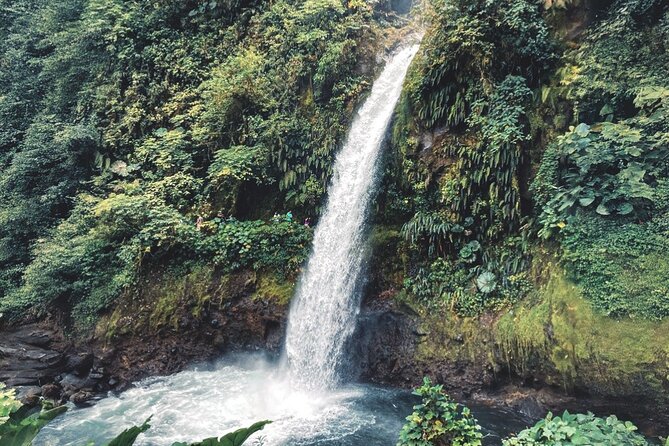
After Poás, the tour heads to Vara Blanca for a visit to La Paz Waterfall. The stop is short—about 25 minutes—and that timing is key to set expectations.
This isn’t a full hike. It’s more of a roadside sightseeing moment, with a chance to see the falls and grab photos. Some angles can be better from viewpoints like bridges, so aim for the spot that gives you the cleanest view rather than rushing to the first overlook you see.
Because the time is limited, you’ll get the falls and move on. If you came for a long nature walk with lots of quiet time, this part might feel “too quick.” If you came for variety—volcano, coffee, then a waterfall photo—the short visit works well as a final visual cap to the day.





What the day feels like: van time, group size, and cold mornings
The tour runs about 7 to 8 hours, but the reality of shared pickup can stretch that feel. Pickup happens at hotels, and groups can be collected over a period of time, especially with an early start. That’s the biggest reason some days can feel longer than the “on paper” duration.
Good news: the maximum group size is 20, so you’re not dealing with a huge bus crowd. Also, the vehicle is air-conditioned, which matters when the day starts cold and ends warmer in the city.
Here’s how to make the day feel smoother:
- Plan for extra van time even if the schedule is tight. This tour is about hitting several places, not staying one place longer.
- Bring a jacket and something warm for the car. Cold mornings plus mountain air can creep up on you.
- Bring water and a snack if you get hungry between segments. Lunch is not included, and you’ll make a stop to buy food.
If you get a guide like Hugo or Victor (names that have come up with strong impressions in past groups), you’ll usually get the benefit of good humor plus practical directions—where to look, when to move, and what to expect next. That kind of guidance helps the day feel organized, even when weather is doing its own thing.
Price and value: when $105 makes sense
At $105 per person, this tour isn’t a budget “just hop on a bus” deal. The value comes from what’s included:
- all fees and taxes
- national park entrance
- air-conditioned vehicle
- coffee tour at an authentic coffee farm plus coffee tastings
- La Paz Waterfall
You also get a structured day that combines three major themes: volcano, coffee, and waterfall. If you were to do these separately with transportation, timing, and entry tickets, costs add up fast.
What’s not included:
- tips
- lunch (you’ll stop so you can buy it)
So the real value question is this: do you want a guided day with multiple stops rather than driving yourself? If yes, $105 can feel fair, especially because the included coffee tastings and park entrance carry weight.
The one scenario where value can feel weak is when Poás is cloudy enough that you don’t get the crater view you hoped for. If your heart is set on seeing the volcano clearly, understand that you’re betting on weather and safety conditions. In that case, the coffee portion becomes even more important—and it’s often the part that still delivers.
Who should book this tour (and who should skip it)
This tour is a good fit if you:
- want a single-day hit list from San Jose: Poás + coffee + waterfall
- like coffee experiences where you actually learn how it’s made and taste it
- don’t mind an early start and can handle some van time
- travel in a group setting and enjoy having a guide coordinate your movement
It’s a less ideal match if you:
- need the volcano crater view in perfect visibility. Poás can be fogged, and access rules can change.
- prefer long, slow nature stops. La Paz Waterfall is short.
- dislike spending most of the day in transit. Some people find the driving time the least fun part.
Should you book Poás, coffee, and La Paz Falls?
I’d book this if your day in Costa Rica needs a mix of “wow factor” (Poás), “learning with tasting” (Doka Estate), and “easy scenery” (La Paz Waterfall). The coffee portion is a strong anchor, and the guide-led format makes it easier than trying to stitch these stops together solo.
I’d also book with one mindset: weather at Poás is the wild card. If you come prepared—with a jacket, water, patience for timing, and flexible expectations—you’ll likely walk away with at least one unforgettable moment.
If Poás visibility is your only goal and you’re traveling at a time when clouds are common in your plans, consider building a backup plan. Even the best schedule can’t command the sky.
FAQ
What time does the tour start?
The schedule lists an early start window of 4:30 AM to 6:00 AM on Monday, and the tour runs about 7 to 8 hours.
How long is the trip?
Expect roughly 7 to 8 hours total.
What’s included in the price?
The tour includes all fees and taxes, national park entrance, air-conditioned vehicle, coffee tour at an authentic coffee farm with coffee and chocolate tasting, and La Paz Waterfall.
Is lunch included?
Lunch is not included. The tour includes a stop where you can purchase lunch.
How big is the group?
The tour has a maximum of 20 travelers.
Can I cancel and get a full refund?
Yes. Free cancellation is available up to 24 hours in advance for a full refund.