REVIEW · AVATORU
BLUE LAGOON | Eco-tour | Snorkeling Avatoru | Secret Green Lagoon
Book on Viator →Operated by Rangiroa Excursion · Bookable on Viator
Four lagoons, one long day of snorkeling. I like how this Rangiroa outing blends black-tip reef sharks sightings with an on-shore eco-tour, then finishes with lunch on a private motu. The one real catch is the boat: it can be long and choppy, so plan for motion if you’re sensitive.
What makes it especially interesting is the mix of water time and land time. You’ll snorkel the calm Blue Lagoon area, then later hope for good conditions at Avatoru Pass, and end at the Secret Green Lagoon for coffee and cakes.
In This Review
- Key highlights worth aiming for
- Rangiroa’s Blue Lagoon, Avatoru Pass, and Secret Green Lagoon
- Getting there matters: pickup timing and a small-group rhythm
- Le Lagon Bleu: the first snorkeling stop in the Bay of Sharks
- Eco-tour on the main island: shark nurseries, seabirds, corals, and beaches
- Snack time, bathing breaks, and why the pace works
- Braiding workshop and traditional music: culture that’s hands-on
- Aperitif and lunch on a private motu: the meal you’ll actually remember
- Free time on the motu: when to shade up and when to go back in
- Avatoru Pass snorkeling: the later stop that depends on currents
- Secret Green Lagoon: coffee, cakes, and one last nature hit
- What to pack: water shoes and sun protection are non-negotiable
- Price and value: does $139.68 make sense in Rangiroa?
- Who this tour fits best, and who might want a different day
- Should you book Blue Lagoon with Rangiroa Excursion?
- FAQ
- How long is the Blue Lagoon eco-tour?
- What snorkeling stops are included?
- Do you visit the Secret Green Lagoon?
- What do you eat during the day?
- Should I bring my own snorkel gear and water shoes?
- Do I get a ticket on my phone?
- What if weather is bad or the minimum group size isn’t met?
- Can I cancel for free?
Key highlights worth aiming for
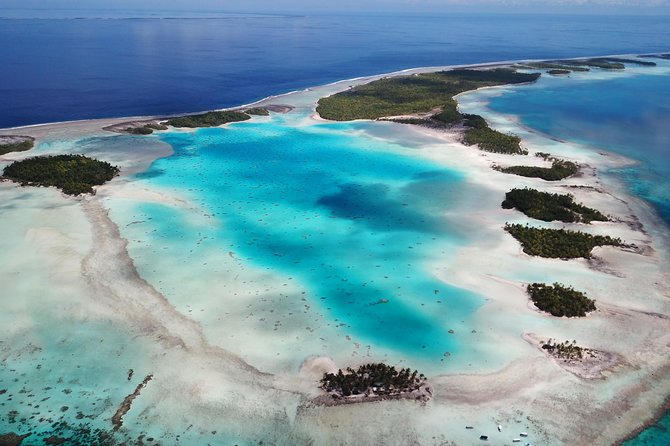
- Bay of Sharks snorkeling: clear, calm water and plenty of curious marine life close to the group
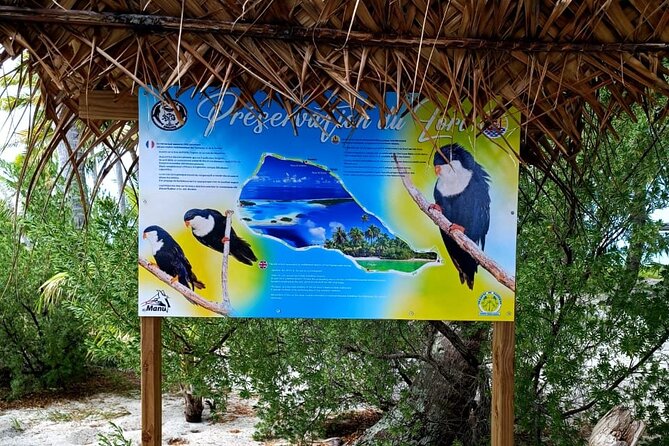
- Eco-tour by foot: shark nurseries, seabirds, skates, corals, and beach ecology taught along the way
- Braiding workshop + traditional music: hands-on culture time, not just a stop for photos
- Motu lunch that actually feels local: shaded beach meal, aperitif, and food made on site by the hosts
- Avatoru Pass snorkeling when currents cooperate: a later snorkel chance that can be the day’s wow moment
- Small-group format (max 12): more time with your guide and less waiting around
Rangiroa’s Blue Lagoon, Avatoru Pass, and Secret Green Lagoon
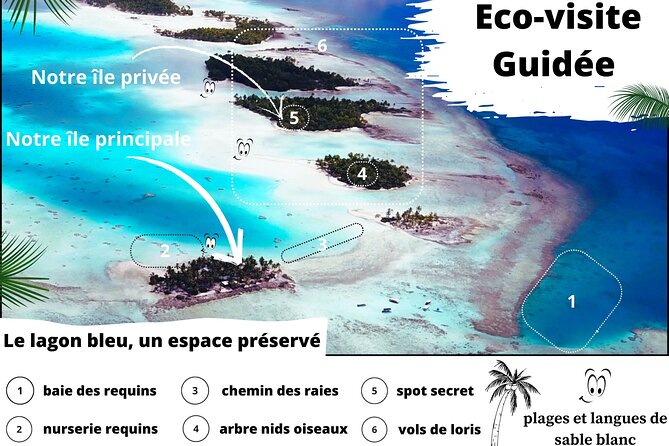
This is a full-day Rangiroa lagoon tour built around one simple goal: show you how the atoll works in real life. You get multiple water stops, but you also get the “why” behind what you’re seeing through an eco-tour walk on the motu.
The day starts with the famous Le Lagon Bleu area and moves through other lagoon zones, including the Green Lagoon side and a final stop at the Secret Green Lagoon. If you love snorkeling, you’re getting repeated chances to get back in the water. If you prefer a more balanced day, you still have real time on land for culture, shade, and a proper meal.
Getting there matters: pickup timing and a small-group rhythm
The schedule is built around boat travel, so your day starts early. Pickup runs at about 08:20 from your accommodation, and the tour process begins shortly after at the harbor. It’s set up so you’re on the water by around 09:00, which helps you hit the best light and calmer conditions.
This is capped at 12 travelers, which is a big deal in Rangiroa. Smaller groups mean less crowd pressure at snorkeling spots, and it’s easier for guides to keep an eye on everyone while you’re in the water. That also shows up in the way people describe the guides: fun, friendly, and willing to help with comfort and timing.
One practical note: the boat trip can be long and can feel rough. People mention the scenery is worth it, but it’s still smart to come ready with a calm mindset, and help yourself out with sea-sickness basics if you need them.
Le Lagon Bleu: the first snorkeling stop in the Bay of Sharks
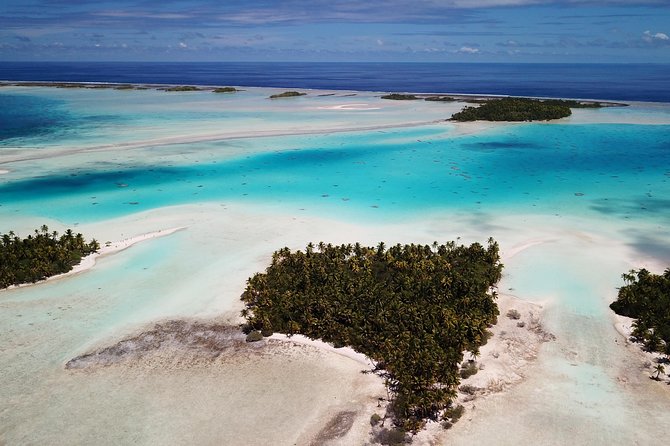
Your first major water stop lands around 10:00 at the Bay of Sharks. This is where you’ll see black-tip reef sharks and a lot of “close up” marine life in a setting that feels like a floating aquarium. The best part is that it isn’t just a quick pass; you’re given time to get oriented, get in the water comfortably, and enjoy the moment rather than rush through it.
I like this start because it helps you set expectations fast. You learn what “snorkeling with wildlife” looks like in Rangiroa, and your guide can show you how to stay relaxed so the animals keep acting natural. If you come with a calm approach, you’ll usually spend less time worrying about gear and more time watching what’s right in front of you.
If you’re the type who’s nervous in open water, this stop is still manageable because the tour is guided and structured. You’ll also get a snack and time to reset after you come back to the main island.
Eco-tour on the main island: shark nurseries, seabirds, corals, and beaches
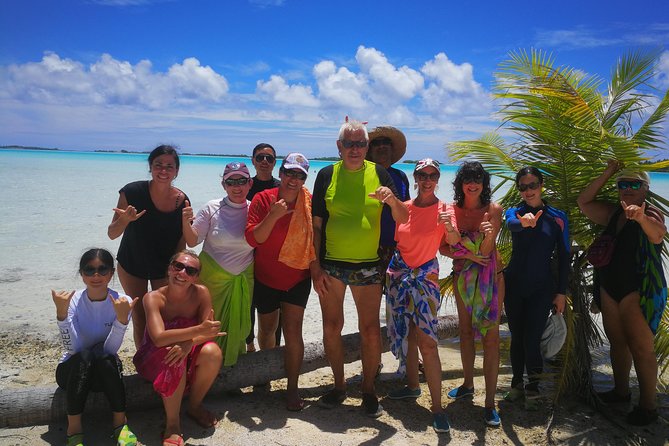
Around 11:15, the day shifts from water to land with an eco-tour led through the island environment. This is not a lecture where you’re stuck listening the whole time. It’s taught as you walk and look, covering shark nursery zones, seabirds, skates, and how flora and corals connect to what you see in the lagoon.
This part is a key value point for your money. A lot of lagoon tours stop after snorkeling. Here, you get context that makes the wildlife sightings feel more meaningful. When you understand the nursery areas and the beach ecology, you’re less likely to treat the sharks as random “cool animals” and more likely to notice how the whole system is working.
People also describe the guide style as relaxed and humorous. Names that come up often include Brando, who gets credit for being cheerful and easy to be around, and Poema Burns, mentioned as an especially memorable guide when you’re lucky enough to be with her. Either way, the format seems designed to keep you engaged without turning it into a classroom.
Snack time, bathing breaks, and why the pace works
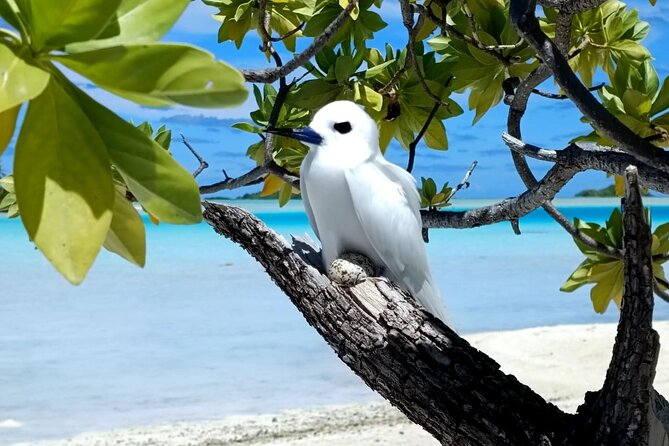
After the first snorkeling, you arrive back around 10:30, then around 10:45 you get a snack and bathing time. That matters more than it sounds. It’s one of the ways you avoid the classic full-day snorkeling problem: you overdo it early and then spend the second half tired and grumpy.
This break also gives you time to adjust your gear, rinse salt off, and take a breather before the cultural workshop and lunch. You’re still outdoors a lot, though, so keep sun protection high on your list.
Braiding workshop and traditional music: culture that’s hands-on
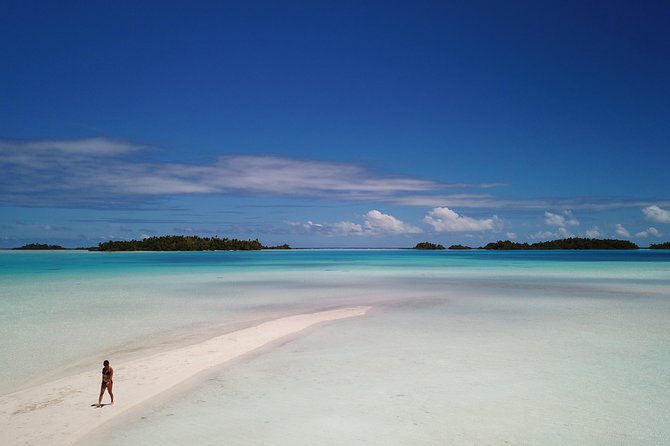
Around 12:00, you switch gears again to culture: a braiding workshop plus traditional music. This is one of the smartest moves on the itinerary because it keeps you from feeling like you’re only “doing nature.” You’re getting a tangible connection to island life and skills.
What I like here is the hands-on angle. Braiding isn’t just watching someone else perform; it’s interactive enough that you can walk away with a real memory. It also gives your body a chance to cool down after time in the sun and water.
In the reviews, you’ll see repeated praise for the warm, welcoming hosts and families involved in these stops. Even when people focus most on the lagoon, they usually rate this cultural segment as part of what made the day feel complete.
Aperitif and lunch on a private motu: the meal you’ll actually remember
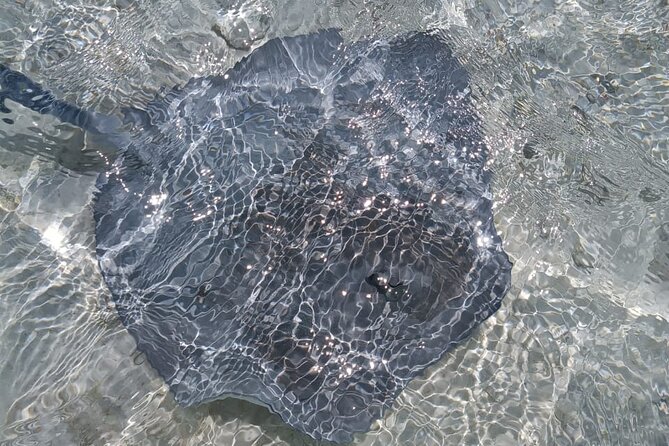
Lunch happens around 12:45, with an aperitif first, then a local meal on a private motu. This is where the tour often earns its highest praise.
People talk about lunch being delicious, shaded, and breezy. Some mention a BBQ-style meal and even the idea that fresh fish was sourced from a local fisherman on the way to the beach. Another detail that comes up: a hands-on coconut opening lesson, which turns lunch into something more playful than just eating.
If you’ve ever had “motu lunch” that’s basically a sandwich on a towel, this isn’t that. The way the day is designed suggests you’re meant to treat the motu like a place, not a photo stop. You get time to relax after eating too, with free time starting around 13:30.
Free time on the motu: when to shade up and when to go back in
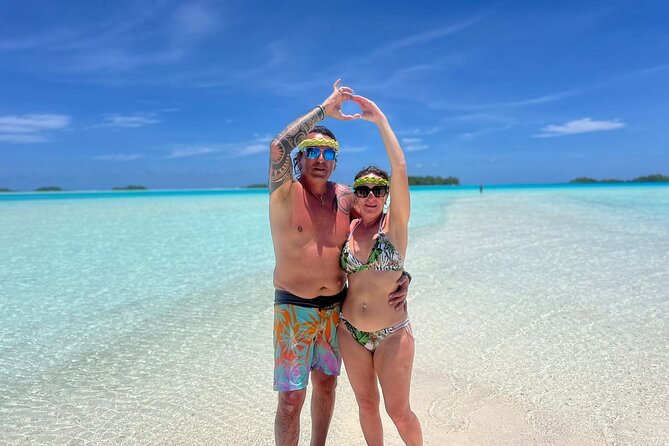
From about 13:30 to 14:15, you have breathing room before the next checks and departures. This is your moment to slow down. If you’ve been out snorkeling already, you’ll probably appreciate that you can sit in the shade, dry off, and let your body reset.
If the sun is strong (it usually is in French Polynesia), this segment is also when you decide whether to keep things gentle. Some people mention being concerned about sun exposure, and the tour’s setup includes shaded and breezy areas for lunch, plus time on land when you’re not in the water.
Avatoru Pass snorkeling: the later stop that depends on currents
Around 15:15, you may head for snorkeling in Avatoru Pass, but the key phrase is if the current is favorable. That’s important for you to understand up front. Some days the conditions line up for a great pass snorkel; some days it’s not worth the risk or the effort.
When it does work, Avatoru Pass gets described as a jaw-drop moment. People mention the “chute” feeling through the pass, plus sightings like dolphins and rays on the way to or from the Green Lagoon stop. You might not see everything every day, but the point is that this section can add a second surge of excitement after the earlier lagoon snorkeling.
Even if Avatoru Pass isn’t perfect that day, the tour isn’t a letdown because you still have the motu experience and the final Secret Green Lagoon stop with a proper break.
Secret Green Lagoon: coffee, cakes, and one last nature hit
The final stop is at the Secret Green Lagoon around 15:45, where you get coffee and cakes and a last chance to enjoy the water. This is also a great moment for photos and just sitting still for a minute.
People describe wildlife surprises in this final phase too. Mentions include things like rays and other large marine life spotted en route. Even when you don’t get something dramatic, it’s still a strong finish because your day isn’t over yet—you’re not sprinting to a bus after the last snorkel. You’re winding down properly.
What to pack: water shoes and sun protection are non-negotiable
I’d pack for comfort first, photos second. From the advice shared, water shoes are strongly recommended because of how you move between boat, sand, and motu terrain. If you prefer your own gear, bring your own snorkel and mask since some people like having their own setup.
For clothing, consider long sleeves for sun, especially if you’re the type to burn quickly. Reviews also mention the boat has sun protection like a bimini, which helps, but you’re still exposed a lot during transfers and breaks.
Other practical thoughts:
- Bring reef-safe sunscreen and reapply during land breaks
- Bring a dry bag for phone and camera
- Expect you’ll get saltwater on everything, so plan accordingly
Price and value: does $139.68 make sense in Rangiroa?
At $139.68 per person, you’re paying for a full, structured day: multiple lagoon/snorkeling segments, an on-land eco-tour, a cultural workshop, and a motu lunch with aperitif and dessert. In a place like Rangiroa, those costs are tied to boats, guiding, and time on private islands.
The value comes from the mix. You’re not just doing one snorkel spot and leaving. You’re getting several parts that each add something:
- early lagoon snorkeling in an iconic area
- an eco-tour that explains what you’re looking at
- a cultural braiding and music block
- a real lunch on a motu that’s part of the experience
- a later snorkeling option with Avatoru Pass, if conditions allow
- a final Secret Green Lagoon pause with coffee and cakes
If you’re the kind of person who wants snorkeling plus culture plus a proper meal, the price fits that ambition. If your goal is only one quick swim and you don’t care about motu time or the eco-tour, you might decide a shorter option could be a better match. But for people who want one full day done right, this format looks like solid value.
Who this tour fits best, and who might want a different day
This tour is a great match for nature lovers who like being active but also want cultural context. It’s especially good if you want a guided experience with a small group and you like the idea of multiple water chances in one day.
It also suits families, based on repeat praise for small-family friendliness. The day has built-in pacing: snorkeling, snack, eco-tour walk, culture workshop, shaded lunch, then optional second snorkel depending on currents.
It may be less ideal if you:
- get motion sick easily on boats and don’t have a plan
- want a super relaxed day with minimal movement (there’s a lot of switching between boat and motu)
- hate sun exposure and aren’t willing to use long sleeves and shade strategies
Should you book Blue Lagoon with Rangiroa Excursion?
If your dream is a full Rangiroa day that combines serious snorkeling with an eco-tour explanation and a motu lunch, I’d book it. The strongest reason is how the day is balanced: you get wildlife time, land time, and food time, all tied together.
Here’s how I’d decide in one minute:
- If you want to see black-tip reef sharks and spend real time in the water, book.
- If you enjoy culture through hands-on activities like braiding and music, book.
- If you’re worried about rough boat rides, take it seriously and come prepared.
If you end up with a guide like Brando or Poema Burns, you’re likely to get a day that feels light and fun, not stiff. And if you’re lucky with conditions for Avatoru Pass, the back half of the day can turn into pure magic.
FAQ
How long is the Blue Lagoon eco-tour?
The tour runs about 8 hours (approx.) from pickup to return.
What snorkeling stops are included?
You’ll snorkel at the Bay of Sharks in the Blue Lagoon area, and there is also snorkeling in Avatoru (Pass) when the current is favorable.
Do you visit the Secret Green Lagoon?
Yes. The Secret Green Lagoon is part of the later schedule, with coffee and cakes.
What do you eat during the day?
Lunch is served on a private motu, along with an aperitif and later coffee and cakes. The meal is local, and it’s described as delicious in feedback.
Should I bring my own snorkel gear and water shoes?
Bring water shoes. If you prefer your own snorkel and mask, that’s recommended.
Do I get a ticket on my phone?
Yes. A mobile ticket is offered.
What if weather is bad or the minimum group size isn’t met?
The experience requires good weather. If it’s canceled due to poor weather, you’ll be offered a different date or a full refund. If the minimum number of travelers isn’t met, you’ll also be offered a different experience/date or a full refund.
Can I cancel for free?
Yes. You can cancel up to 24 hours in advance for a full refund. If you cancel less than 24 hours before the start time, the amount paid is not refunded.