REVIEW · SAN JOSE
Day Trip from San Jose to Sloths & other wildlife Rescue Center
Book on Viator →Operated by Destiny Travel Costa Rica · Bookable on Viator
Sloths in Costa Rica, no long drive. This half-day outing from San Jose brings you to Toucan Rescue Ranch for close-up encounters with rescued wildlife—plus the story behind how a rescue center works—without making you slog through hours of transit. Hotel pickup and a private air-conditioned vehicle keep it stress-free.
I like that the ranch visit is built around the animals’ real life stories: who arrived injured, who can’t be released, and what rehab looks like day-to-day. I also like that you get a timed visit with admission included, and you move at a comfortable small-group pace for about two hours on site.
One consideration: the center is serious about animal welfare, so expect rules that limit touching and often limit selfies. If you want casual, zoo-style photo freedom, the educational format can feel a bit strict.
In This Review
- Key things to know before you go
- From San Jose to the ranch: the easy logistics that make it work
- Toucan Rescue Ranch: what that 2-hour visit is really like
- Sloths and toucans up close: getting the right kind of wildlife viewing
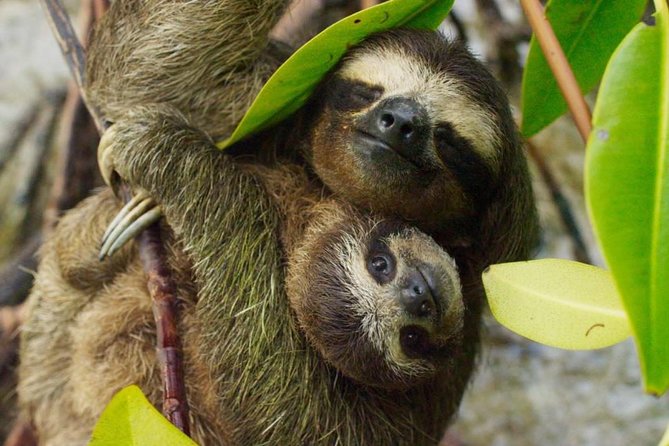
- What makes the sloth experience special
- The other rescued residents: parrots, owls, monkeys, and more
- Guides, rules, and how to get the most from your visit
- The no-contact approach (and why it exists)
- Donation-style support happens here
- Price and value: what $150 is paying for (and what it isn’t)
- Timing and pace: how to fit it into your Costa Rica day
- Who should book this day trip from San Jose?
- Should you book the San Jose Sloths & Other Wildlife Rescue Center trip?
- FAQ
- What time does the tour start?
- How long is the trip?
- Where do I get picked up and dropped off?
- Is admission to the rescue center included?
- Is the transport private?
- Will I be alone with the guide the whole time?
- What animals will I see?
- Is there any limit on what I can do around animals?
- Can I cancel and get a full refund?
- Is service provided if weather is poor?
Key things to know before you go
- A true half-day schedule: about 4 hours total, starting at 9:00 am from your hotel
- Private transport, small-group ranch visit: you’ll ride privately, then join a smaller group inside the center
- Sloths plus more than sloths: toucans, parrots/macaws, owls, spider monkeys, and other rescued residents
- Guides with animal-side experience: you may meet vets or staff who explain rehab and release decisions
- Animal rules matter: a no-contact approach plus limited photo behavior keeps the focus on welfare
- Your ticket supports the rescue: the tour price bundles admission and funds the work the center does
From San Jose to the ranch: the easy logistics that make it work
If you’re staying in San Jose and want wildlife that feels real—rather than a rushed drive-by—this trip is built for you. You start at 9:00 am, get picked up from your hotel, and ride in an air-conditioned vehicle with a driver who handles the route. The whole plan is designed to fit inside a half-day, so you can still have the afternoon for exploring Costa Rica at a slower pace.
A big practical win here is that you don’t need to coordinate transport, tickets, or timing on your own. The tour includes admission, taxes and fees, and a small-group experience once you arrive. And because it’s typically booked about a month in advance, it’s the kind of plan that tends to run on schedule—so you’re not gambling on last-minute availability.
Dress is smart casual. Think comfortable shoes and light layers. You’ll be walking around the ranch grounds and spending time watching wildlife up close, so don’t show up in anything fussy.
You can also read our reviews of more tours and experiences in San Jose.



Toucan Rescue Ranch: what that 2-hour visit is really like

Your ranch time is about two hours, and it’s structured to help you understand what you’re looking at. You’re not just shown pretty birds. You learn why each resident is there and what the rescue team hopes for long-term.
Expect a guided walk through enclosures with a focus on rainforest wildlife and conservation. The center’s philosophy is simple: rescue when necessary, rehabilitate when possible, and protect the animals’ well-being while they live out their recovery—or their permanent stay—under careful care.
You might notice something important early on: some animals are not going to be released. That’s not a failure of the rescue effort. It’s often the reality when an animal has injuries that won’t fully heal. Guides explain this clearly, so the visit doesn’t feel like a sad story with no meaning—it feels like a working plan, backed by daily care.
If you get a guide with veterinary experience, pay close attention. In some departures, the person leading your visit has direct medical knowledge of the animals at the center. That can add extra weight when you hear why a particular species or individual can or can’t return to the wild.
Sloths and toucans up close: getting the right kind of wildlife viewing
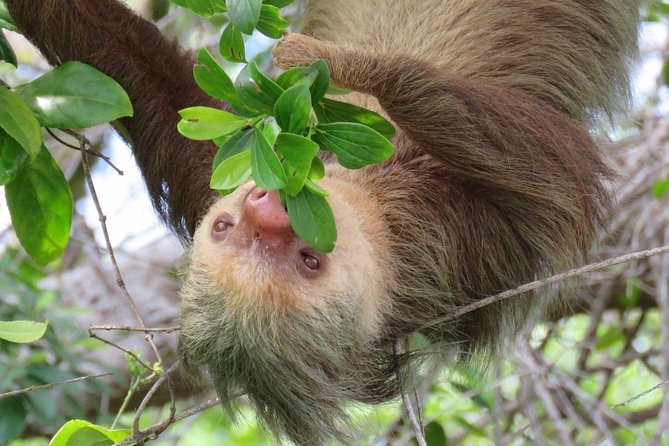
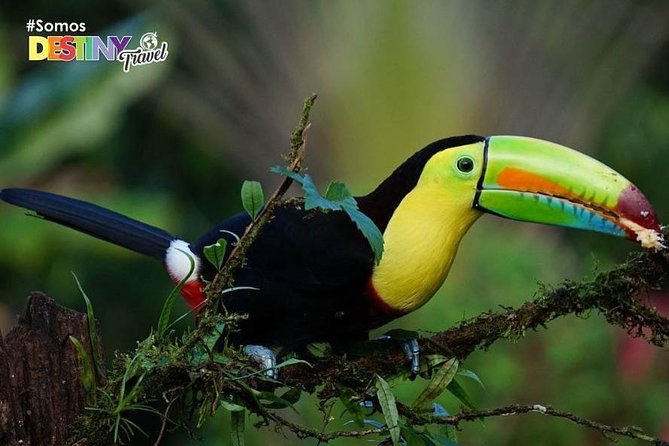
The headline attraction is sloths, but the visit is set up so you don’t leave feeling like you only saw one thing. You’re likely to see sloths and toucans, along with a range of other rescued residents such as parrots, macaws, owls, and even spider monkeys. One guide experience even included a clouded oncilla, a type of small wild cat.
Here’s the key value for you: the “up close” feeling is intentional, but it isn’t about crowding the animals. The ranch approach keeps the focus on watching behavior, not stressing the residents. In some slots, you may even experience a sloth-centered moment—coffee and pastries have been part of at least one departure style—where you can observe a sloth with no cage view in the way.
You should also know that sightings vary by the day. Enclosures and resident activity can change, and you might see more of one species than another depending on who’s active. That’s normal for wildlife. What matters is that the guides can still explain what you’re seeing—so even if an animal is resting, you’re not just waiting around.
What makes the sloth experience special
Sloths are often hidden by nature, so seeing them clearly feels like a small miracle. Guides commonly explain behaviors like how sloths move, how they eat, and why some individuals arrive with specific needs. If you’re lucky, you may meet stories about baby two-toed sloths and learn how early care connects to later release plans.
If you’ve only ever seen sloths in books or faraway videos, this kind of viewing teaches you something practical: how slow behavior still carries meaning, and how conservation work is often long-term.
The other rescued residents: parrots, owls, monkeys, and more
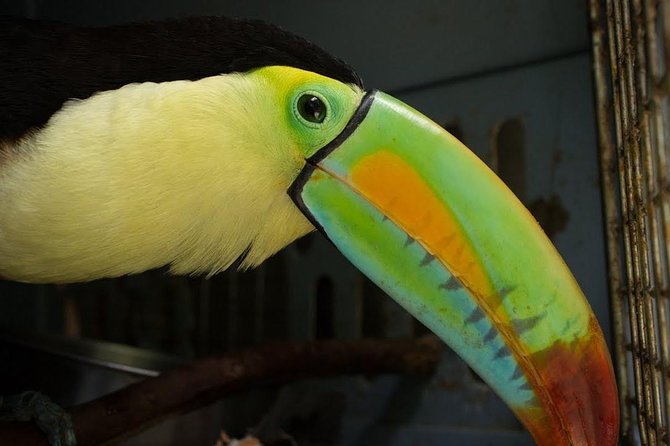
This ranch visit is a mix of animals, not a one-species show. Toucan species and other rainforest birds are a major part of the walk, and parrots and macaws often show up as well. Owls are also part of the tour in many cases, and you might see monkeys such as spider monkeys if they’re active.
Some visitors also mention otters and a grison (a small wild mammal) as part of the animal mix on their day. That doesn’t mean you’ll definitely see every one of these species, but it does signal that the center’s collection is broad enough to keep the visit interesting even if your first stop is slow.
What I like about this variety for your trip: it helps you place the sloths in context. Instead of thinking, Sloths are cool, you start thinking in ecosystems—how injured wildlife comes from the same human-pressure world, and why rescue work matters beyond one animal.





Guides, rules, and how to get the most from your visit
Your guide shapes the entire experience. In past groups, guides have included people like Natasha, Josie (often called Jos), Javier, and Daniel, and there are also cases where the guide has veterinary knowledge. Some drivers are frequently praised too—names like Nelson, Jorge, Oscar, and Arturo come up in accounts of safe, friendly pickups and good local context during the drive.
So here’s your best move: ask questions. The guide will have answers, and you’ll get more out of seeing an animal once you know what it means medically and ecologically. People who focus on the animal stories tend to enjoy the tour more, because the time is built for learning, not just ticking off sightings.
The no-contact approach (and why it exists)
The center operates with animal welfare rules. That often includes a no-contact policy and limits on how close you should be when viewing. Some visitors have been frustrated by the “rules-first” approach, especially when educational videos and restricted selfies come into play.
If you’re thinking about it practically: you can still take photos, but expect the staff to guide where you can stand. Your best experience will come from treating it like a nature visit with boundaries—because that’s what keeps animals calmer and reduces stress for residents.
Donation-style support happens here
Many wildlife rescue centers rely on donations and volunteers, and this one is described that way in multiple experiences. You may also hear requests at the end of the visit, which is part of how the center sustains daily care.
That’s not a problem for you if you’re comfortable supporting conservation directly. But if you prefer a strictly transactional experience with no appeals, mentally prepare for some fundraising messaging.
Price and value: what $150 is paying for (and what it isn’t)
At $150 per person, it’s not the cheapest thing you can do from San Jose. The question is whether it matches your priorities.
Here’s what the price includes: private transport in an air-conditioned vehicle, hotel pickup and drop-off, a private professional guide, small-group time at the ranch, and the admission ticket. Taxes and fees are also included. On top of that, the ranch is supported by the tour’s donation component, and one provider explanation states that about 65% of the tour cost goes as a donation to the rescue.
That changes the math. Instead of paying only for viewing, you’re also contributing to the work that makes the viewing possible in the first place: housing rescued wildlife, feeding residents, and funding rehab or long-term care when release isn’t possible.
Still, you should go in with open eyes. If you compare it to the cost of DIY transport, the tour price might feel high. But the tour does you a favor by bundling transport, guiding, and admission into one clean plan—no searching, no negotiating, and no uncertainty.
Timing and pace: how to fit it into your Costa Rica day
With a start time of 9:00 am and an about 4-hour total duration, this is a good morning plan. It also makes sense if you don’t want a long full-day excursion on your limited days.
You’ll spend about two hours at the ranch, with time before and after for the drive. One review-style detail that matters for you: the title may say private, but once you’re at the center, you may still join a small group for the ranch portion. The vehicle ride is private; the viewing experience can be shared at the ranch with a handful of other people.
That small-group format is usually a benefit. It keeps the guide from rushing and gives you a chance to ask follow-up questions when you’re standing in front of an enclosure.
If your schedule is tight, this trip is easier to plan than a longer wildlife outing. You can pair it with lunch in San Jose and still keep a relaxed afternoon buffer.
Who should book this day trip from San Jose?
This trip is a great fit if you want:
- A sloth-focused wildlife experience without long-distance travel
- A guided explanation of rescue, rehabilitation, and release decisions
- A half-day plan with hotel pickup and included admission
- A chance to see multiple species beyond one animal
It’s also a solid choice for families, couples, and first-timers to Costa Rica wildlife. People commonly mention learning far more than they expected about sloths and birds, and enjoying the well-maintained grounds and care for the residents.
You might think twice if:
- You strongly dislike educational videos and fundraising-style messaging
- You expect a free-form, “step anywhere for selfies” photo experience
- You’re very price-sensitive and want the lowest-cost option, even if that means DIY logistics
Should you book the San Jose Sloths & Other Wildlife Rescue Center trip?
Yes, if your goal is a smart, time-efficient wildlife day with clear learning and responsible animal viewing. The combination of private transport, included admission, and a guided walk among rescued residents makes it feel like more than a ticket—it feels like support for the rescue work itself.
Book it with the right expectations: this is a welfare-first center, so the experience will have rules, and the educational content is part of the package. If that fits how you like to travel, you’ll likely come away feeling informed and genuinely moved by how rescue and rehab work in real life.
If you want, tell me your travel dates and whether you’re going as a family or couple. I can suggest a simple San Jose day plan around this half-day slot.
FAQ
What time does the tour start?
The start time is listed as 9:00 am.
How long is the trip?
The duration is approximately 4 hours.
Where do I get picked up and dropped off?
Hotel pickup and drop-off are included.
Is admission to the rescue center included?
Yes. Admission ticket is included as part of the tour.
Is the transport private?
Yes. You get private transport by an air-conditioned vehicle, plus a private driver/guide.
Will I be alone with the guide the whole time?
It’s a private tour for your group, but once you reach the ranch you may be placed with a small group for the ranch visit.
What animals will I see?
You should expect rescued wildlife such as sloths, toucans, parrots, macaws, owls, spider monkeys, and other animals mentioned during the visit.
Is there any limit on what I can do around animals?
The tour emphasizes learning about rescued wildlife and follows a no-contact style of viewing, with restrictions on behavior around enclosures.
Can I cancel and get a full refund?
Yes. Free cancellation is available if you cancel up to 24 hours in advance for a full refund.
Is service provided if weather is poor?
This experience requires good weather. If it’s canceled due to poor weather, you’ll be offered a different date or a full refund.