REVIEW · SAN JOSE
Pacuare River Whitewater Rafting from San Jose
Book on Viator →Operated by Costa Rica Groups Travel Company · Bookable on Viator
The Pacuare starts before sunrise. I love this day because you get a real whitewater education: class II-III rapids up front, then the famous Pacuare River Gorge with named hits and the big Huacas Waterfall.
Two things I really like are the way the crew runs the day and the quality of the guiding. Guides such as Roberto and Esteban focus on clear instructions and good paddling technique, and you still get a fun, lively vibe while staying safety-first.
One fair heads-up: wildlife sightings aren’t guaranteed. On some days animals are active and close, and on others they’re there but farther away, so manage expectations.
In This Review
- Key highlights to know before you go
- Pacuare River Gorge: why this run earns its reputation
- Leaving San Jose at 5:30 am: the logistics part that matters
- The first 4 miles: class II-III rapids that teach you the day
- The gorge stretch: rapids, coaching, and the moment you realize you’re in Costa Rica
- Huacas Waterfall: when the river turns scenic
- After the gorge: Valle del Pacuare and the chance to breathe
- Food and gear: included means you travel lighter
- The Siquirres finale: shower, fresh clothes, and a mental reset
- Price and value: is $119 a fair deal?
- Safety and weather: what can change during a Costa Rica river day
- Who should book (and who should pause a moment)
- Should you book this Pacuare River rafting from San Jose?
- FAQ
- What time is the pickup for Pacuare River rafting?
- How long is the rafting experience?
- What does the $119 price include?
- Where does the tour take you?
- What rapids will you face?
- Is there a waterfall on the route?
- Do you get breakfast and lunch?
- What should I bring for a wet day?
- Who is this tour for?
- What if the weather is unsafe?
- Can I cancel and get a full refund?
Key highlights to know before you go
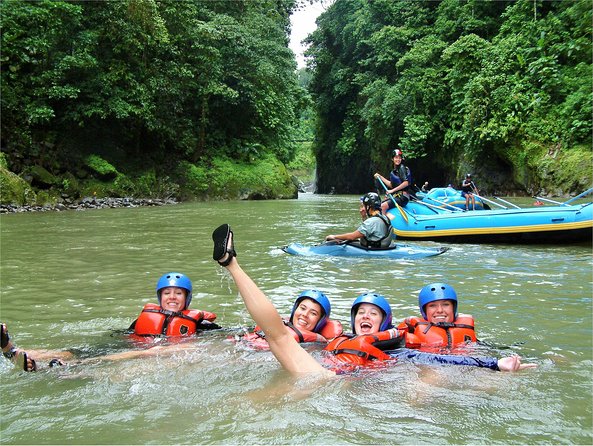
- Class II-III warm-up then gorge rapids with named stretches like Terciopelo Snake and Double Drop
- Huacas Waterfall (150 ft / 45 m) you’ll see as the river funnels you onward
- Small group size (max 20 people) that keeps coaching practical
- Free San Jose hotel pickup and drop-off plus air-conditioned transport
- Breakfast + lunch included so you don’t get hangry mid-rapids
- Siquirres end-of-trip reset with a shower, fresh clothes, and a chance to unwind
Pacuare River Gorge: why this run earns its reputation
If you’re choosing one rafting river in Costa Rica, the Pacuare is the one people talk about for a reason. This itinerary is built around the best parts: a first section that ramps up your confidence, then a longer, more dramatic gorge stretch with rapids that have personality and names you’ll remember.
The gorge portion is where the “wow” comes from. You’ll hear the rapid names as you go—Terciopelo Snake, Double Drop, Upper and Lower Huacas, and Pin Ball—and you’ll move through river walls and tight turns where you feel the current working hard.
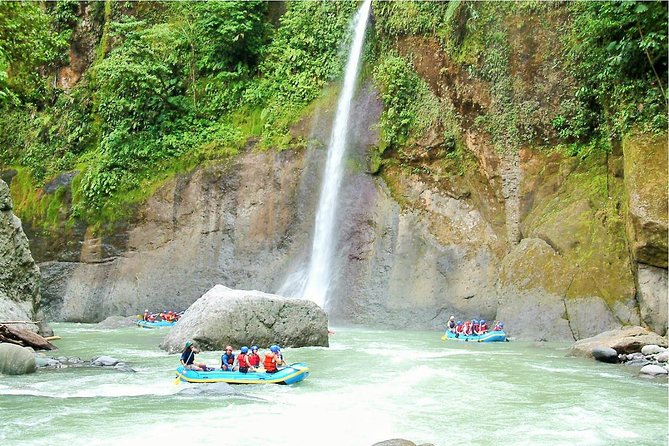
Then there’s the Huacas Waterfall, a 150-foot (45-meter) drop into the river. Even if you’re not trying to film every second, you’ll feel the sense of scale when you come near it. It’s one of those moments where the day stops being just adrenaline and turns into scenery you can’t fake.
You can also read our reviews of more tours and experiences in San Jose.



Leaving San Jose at 5:30 am: the logistics part that matters
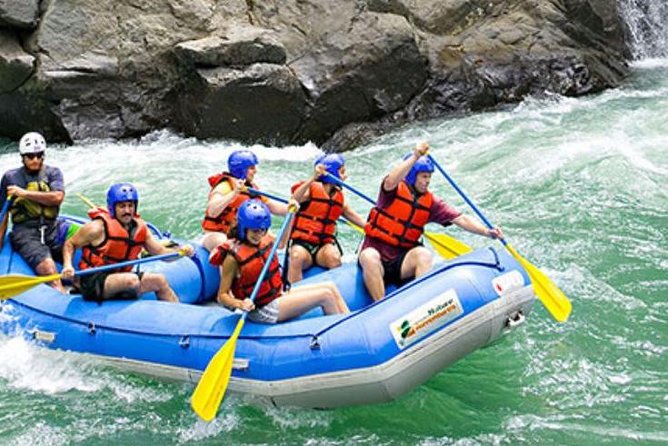
Plan to be up early. The start time is 5:30 am, and the day runs long—about 12 hours. In practice, this is the kind of full-day excursion where your comfort depends on how well you prepare for the early call and the wet ride.
Most importantly, transportation is included: free hotel pickup and drop-off, plus air-conditioned transportation. That’s a big deal for value because you’re not paying extra for transfers or spending your energy figuring out meeting points in a city you don’t know yet.
One thing to watch: timing can shift slightly. A couple of accounts mention pickup running later than expected, and the return trip can stretch because traffic can be rough. You don’t need to panic, but you should keep your evening plans flexible. This is not a “book dinner right after” kind of day.
The first 4 miles: class II-III rapids that teach you the day
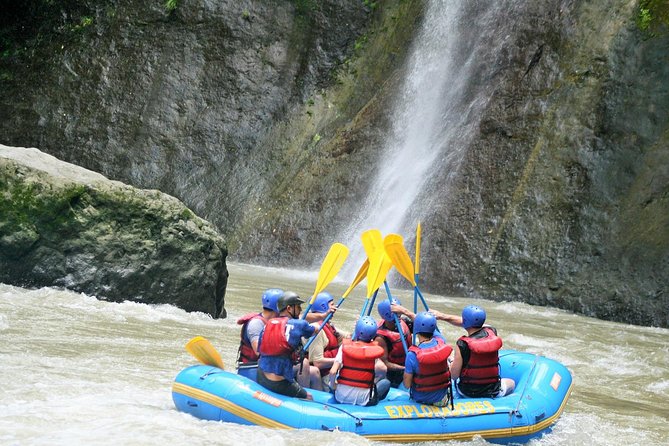
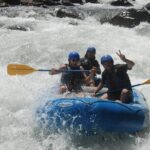
The tour starts with about four miles of thrilling class II-III rapids. That matters because it’s not just entertainment—it’s practice in teamwork. You’ll learn how to sit the right way, brace when the raft bumps, and follow paddle cues instead of guessing.
This “warm-up” section also helps first-timers. I like that the day doesn’t toss you straight into the hardest water. It gives you a chance to find your rhythm with your guide calling out what’s coming next.
A good guide makes the difference here. Reports highlight guides like Roberto teaching people how to paddle correctly, and that instruction shows up fast when you hit choppier sections later. If you listen and stay focused, class II-III can feel like a controlled roller coaster: exciting, but not chaotic.
The gorge stretch: rapids, coaching, and the moment you realize you’re in Costa Rica
After about 40 minutes, you enter the Pacuare River Gorge for roughly five miles (8 kilometers) of the core whitewater experience. This is where the itinerary shifts from learning to doing.
You’ll paddle through rapids such as:
- Terciopelo Snake
- Double Drop
- Upper and Lower Huacas
- Pin Ball
The names sound fun, but the real value is what they represent: changing currents, different angles, and repeated moments where your crew has to react together. The guide’s job is to keep you moving as a unit, not just surviving one rapid at a time.
Wildlife and jungle moments can show up here too. One review mentions the guide spotting animals from afar and explaining what you were looking at, which is exactly how to make the scenery meaningful instead of background noise. That said, another account notes wildlife wasn’t visible on their particular day. So: enjoy nature as a bonus, not as a guarantee.
Huacas Waterfall: when the river turns scenic
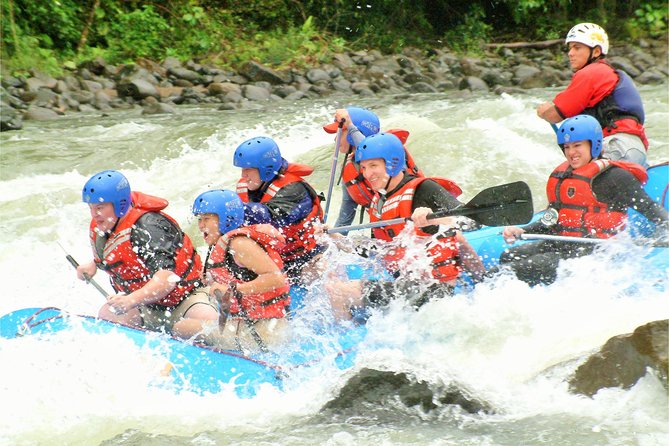
Huacas Waterfall is a 150-foot (45-meter) drop into the river, and it’s included in the gorge experience. This is one of the rare spots where you get both a dramatic river moment and a big visual payoff.
What I like about it is the timing. You’re not staring at a waterfall in a park setting. You’re seeing it as part of the river’s work—how water shapes the canyon, how the current carries you forward, and how the gorge funnels everything into the next rapid.
If you want a practical approach, keep one eye on the guide and one on the surroundings. You’ll get plenty of chances to look up between paddling cues, especially when the raft slides into smoother stretches.





After the gorge: Valle del Pacuare and the chance to breathe
Once you’re out of the gorge, the river broadens into the Valle del Pacuare. This is another five-mile (8-kilometer) section, but the feel changes: it’s calmer, and it’s built for relaxing and wildlife spotting.
You’ll still have fun rapids in the mix, like Cimarrones, The Play Hole, El Indio, and Magnetic Rock. The key difference is tempo. You’re not constantly in survival mode. Instead, you can pay attention to birds, insects, and the way the forest changes along the river.
This part is also where the day transitions from “whitewater focus” to “memory mode.” If you’ve been tense earlier, this is the stretch where you can loosen up, take a breath, and enjoy the slower motion of the water.
Food and gear: included means you travel lighter
This tour includes breakfast and lunch, plus the necessary equipment, and it’s a huge part of the value. Long rafting days punish empty stomachs, and you’ll be out there early enough that breakfast really matters.
Multiple accounts call out that breakfast was a good Costa Rican start, and lunch hit the spot midway down the river. It’s not fancy dining, but it’s the right kind of fuel: enough energy to keep paddling without feeling stuffed.
For gear, the important part is that you don’t have to guess what you need to rent or buy. You’ll be issued rafting equipment, and the day is structured around people using it on the water right away.
My best practical advice from experience-style accounts: be ready for a wet day. Bring water shoes (a review specifically suggests tennis/wet-foot-friendly footwear) and consider a rash guard for sun protection. You’ll likely get wet anyway, so your goal is comfort and less irritation.
The Siquirres finale: shower, fresh clothes, and a mental reset
The journey ends in Siquirres, and that last hour matters more than you’d expect. You get a shower to rinse off, time to change clothes, and a chance to unwind in the gardens or on the terrace.
A few people mention grabbing a beer and sharing the day’s highlights after you’re dry and done paddling. That’s a nice touch because it turns the experience into something social without forcing it. You’re also less likely to feel drained for the ride back.
This stop is also where your body catches up with you. Rafting is work—arms, shoulders, core—and even if you’re having fun, you’ll feel it later. The shower and change of clothes help the end of the day feel like recovery instead of just transition.
Price and value: is $119 a fair deal?
At $119 per person, this tour is priced like a full-day activity that includes real support, not just a seat in a raft. Here’s what you get that supports the cost:
- Free hotel pickup and drop-off
- Air-conditioned transportation
- Equipment included
- Breakfast and lunch included
- Professional guide
- Max group size listed as 20 people
In other words, you’re paying for the whole system: early start, river transport, a guided coaching plan, and food. If you were to add up the cost of transportation, meal stops, and renting gear elsewhere, the math usually gets messy fast.
So the value is strong if you show up prepared to be on the water and accept that the day runs long. If you’re hoping for a quick half-day activity with guaranteed wildlife at your exact favorite moment, your expectations might not match what rafting actually delivers.
Safety and weather: what can change during a Costa Rica river day
This experience requires good weather. If it’s canceled due to poor weather, you’ll be offered a different date or a full refund.
That’s the official safety logic. But in the real world, weather can also mean “different plan, still a day on the water” instead of a total cancellation. One account describes a situation where the operator couldn’t run the Pacuare and switched to another rafting river, which changed what they were expecting. The takeaway for you: if weather looks unstable the day before, keep your phone charged and confirm your plan with the office if needed.
Another common theme is guide safety and instruction. Even people who were nervous as beginners report they were told what to do and then guided through tougher sections successfully. Still, your job stays the same: listen closely, follow paddle commands, and don’t treat it like casual sightseeing.
Who should book (and who should pause a moment)
This is a solid fit for:
- People who want a beginner-friendly start and coaching that builds confidence quickly
- Folks who like nature and want the river and rainforest in the same day
- Solo participants too—some accounts note they were placed into a group and had fun with others
It may be less ideal if:
- You want guaranteed close wildlife viewing. Sightings can be hit-or-miss depending on time and distance.
- You’re looking for a day that ends early and cleanly. Between the early pickup and possible traffic on the return, it’s a long day.
- You expect the entire route to feel like the first few miles. The gorge rapids are serious enough that water level can push intensity up.
Also note the basics: minimum age is 12, and you should have moderate physical fitness. Rafting isn’t a sit-and-watch sport. If you can stay alert and paddle when asked, you’ll fit the day better.
Should you book this Pacuare River rafting from San Jose?
If your goal is a full-day whitewater experience on one of Costa Rica’s standout rivers, I think this is a strong choice. The included meals, free pickup/drop-off, and consistent praise for guides like Roberto, Esteban, Luis, Kay, and David point to a well-run operation where you’re not left to figure things out.
Book it if you can handle an early start and a long, wet, active day. Go in expecting excitement plus scenery, not guaranteed wildlife on demand.
And do one smart thing before you go: pack water shoes and a rash guard, bring patience for early timing, and accept that the river (and the weather) call the shots. That mindset is what turns a good day into a story you’ll keep repeating later.
FAQ
What time is the pickup for Pacuare River rafting?
The tour starts at 5:30 am.
How long is the rafting experience?
The total duration is about 12 hours.
What does the $119 price include?
It includes breakfast, lunch, a professional guide, hotel pickup and drop-off, air-conditioned transportation, and equipment.
Where does the tour take you?
You’ll raft on the Pacuare River, and the schedule includes a stop connected to Costa Rica Groups Travel Company.
What rapids will you face?
The first part includes class II-III rapids, and the famous gorge section includes named rapids such as Terciopelo Snake, Double Drop, Upper and Lower Huacas, and Pin Ball, plus later rapids like Cimarrones, The Play Hole, El Indio, and Magnetic Rock.
Is there a waterfall on the route?
Yes. The trip includes Huacas Waterfall, which is 150 feet (45 meters).
Do you get breakfast and lunch?
Yes. Breakfast and lunch are included.
What should I bring for a wet day?
You should plan to get wet, and it’s smart to bring water shoes. A rash guard is also suggested for sun protection.
Who is this tour for?
The minimum age is 12 years, and you should have moderate physical fitness.
What if the weather is unsafe?
The experience requires good weather. If it’s canceled due to poor weather, you’ll be offered a different date or a full refund.
Can I cancel and get a full refund?
Yes. You can cancel up to 24 hours in advance for a full refund.