REVIEW · CRETE
Chania: Sightseeing & Tastings Tour
Book on GetYourGuide →Operated by Crete Local Adventures · Bookable on GetYourGuide
Chania tastes better with a local guide. This 4-hour food walk pairs Dimotiki Agora market samples with Old Town myths and Ottoman and Jewish quarters stories. I love the pacing—it keeps you moving but never rushing—and I love how the food acts like a map for understanding Chania. The downside: you’ll cover a lot of old-street ground, so bring comfortable shoes.
You start at Kydon, The Heart City Hotel (look for the Crete Local Adventures sign at the entrance), and you finish with a table of Cretan mezedes plus raki and wine. At $114 per person, it’s a good value when you want guided wandering and multiple tastings, not just one meal.
In This Review
- Key highlights
- Why Chania’s Old Town fits a tasting tour so well
- Price and value: what $114 buys you (and what to check in advance)
- Meeting at Kydon: the one logistics detail that can save your day
- Stop 1: Dimotiki Agora (Municipal Market) tastings that set the tone
- Old Chania on foot: Venetian and Ottoman sights plus a coffee reset
- Artisan time: where you see craft up close (and maybe try it)
- Hidden corners of history: the Ottoman and Jewish quarters walk
- Harbor time: mezedes, raki, and wine as the perfect finale
- Shopping smarter after the tastings (so you don’t waste your vacation)
- Who this Chania tour suits best
- Quick tips so you enjoy every bite (not just the first few)
- Should you book this Chania: Sightseeing & Tastings Tour?
- FAQ
- Where do I meet the guide for the Chania tasting tour?
- How long is the tour?
- What does the tour include?
- Is there alcohol on the tour?
- What kind of food will I taste?
- Can vegetarians or people with dietary restrictions join?
- What language is the guide?
- Is it wheelchair accessible?
- What should I bring?
- Is there free cancellation?
Key highlights
- Dimotiki Agora tastings: a market founded in 1913 that sits right between old and new Chania
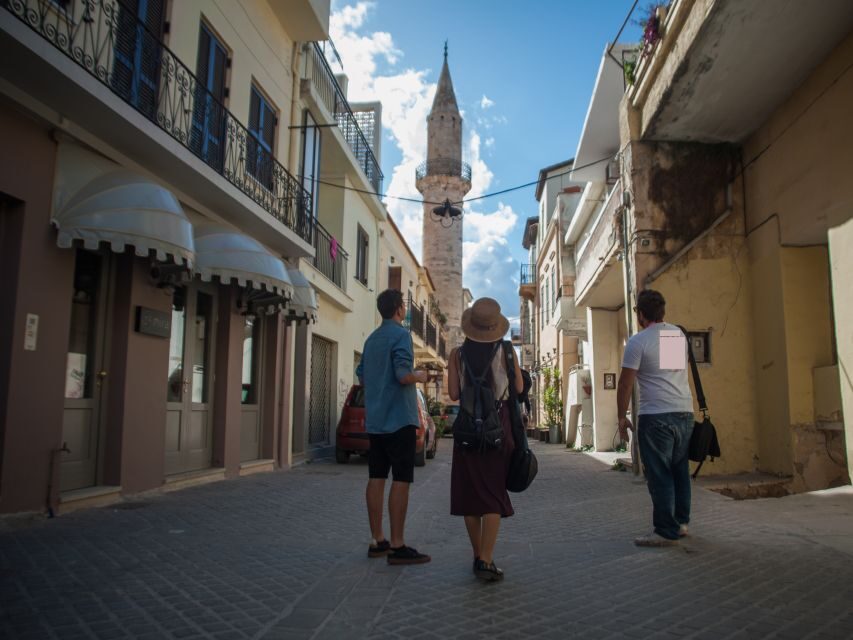
- Old Town stories on foot: Venetian and Ottoman monuments, plus legends tied to sailors, merchants, and more
- Hands-on artisan stop: see traditional craft at work, including a workshop for handmade Cretan knives
- Ottoman and Jewish quarters: walk lesser-known lanes and learn how different cultures shaped daily life
- Harbor-side finish: mezedes plus raki, with wine as part of the tasting flow
- Real shopping guidance: you’ll get direction on what to buy and where to go back for it
Why Chania’s Old Town fits a tasting tour so well
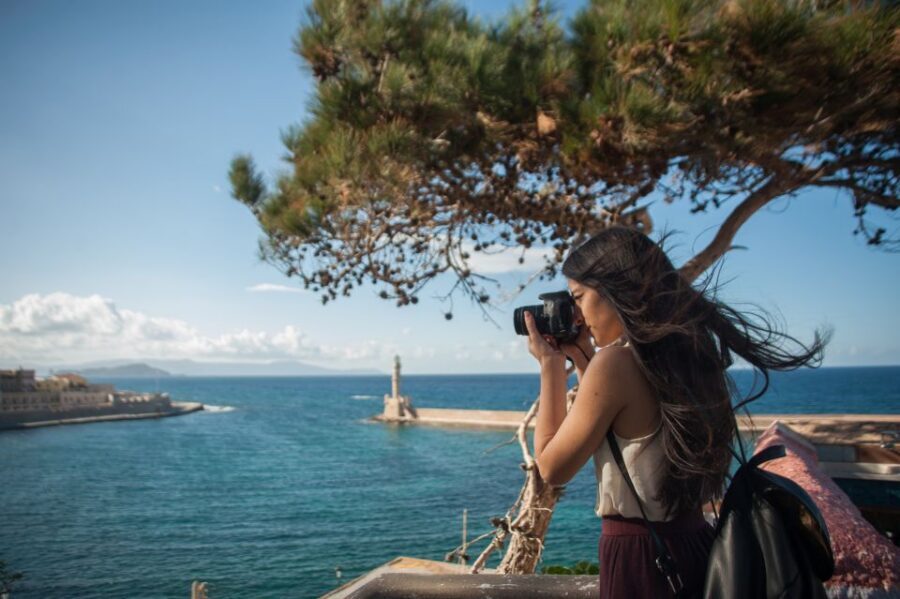
Chania is built on layers. You’re walking through the footprint of Neolithic settlement, then later Romans, Byzantines, Arabs, Venetians, Ottomans, and Germans—all pressed into the streets, doorways, and neighborhood layout. A walking tasting tour is one of the best ways to make sense of that mess. Food gives you a timeline you can actually taste.
I like that this experience is designed as a story you walk through. You start with basics you’d never pick up on your own—olive oil, honey, sweets, and other regional bites—then you carry that understanding into the Old Town lanes. By the time you’re sipping raki near the harbor, the city feels less like a postcard and more like a place with routines, crafts, and local pride.
You can also read our reviews of more tours and experiences in Crete.


Price and value: what $114 buys you (and what to check in advance)
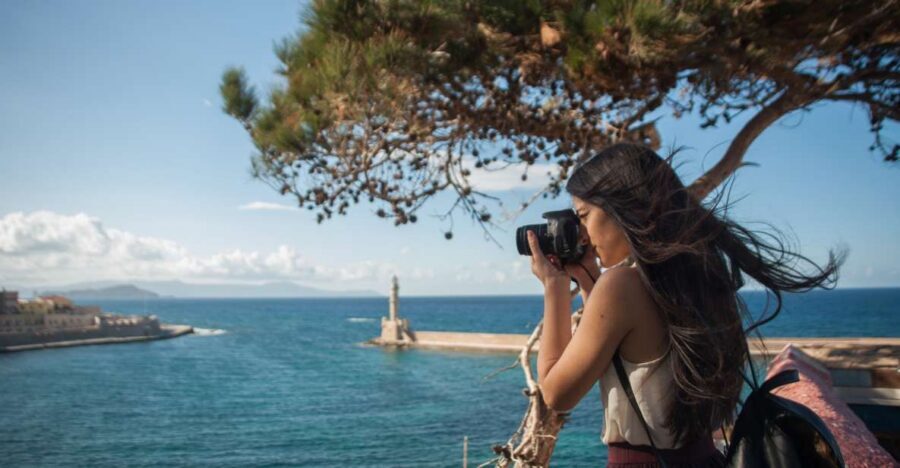
At $114 per person for about four hours, you’re paying for three things at once: guidance, multiple tastings, and context. The tour includes Greek coffee, local sweets, olives, honey, olive oil, mezedes (tapas), raki, and a wine tasting portion. You also get stops focused on neighborhoods and monuments, plus a craft experience where you can learn and possibly try your hand.
Here’s how I judge value on a tour like this: would you pay separately for (1) a guided walking orientation and (2) a string of multiple food stops? For most people, the answer is yes—especially on a first visit when you’re still figuring out where to eat and what’s worth buying.
Before you book, do a quick “fit check” for yourself:
- Are you the type who likes to eat your way through a city?
- Do you want local shop recommendations, not just photos?
- Are you okay with a lot of walking over old stone streets?
If all that sounds like your vibe, the price starts to feel fair fast.
Meeting at Kydon: the one logistics detail that can save your day
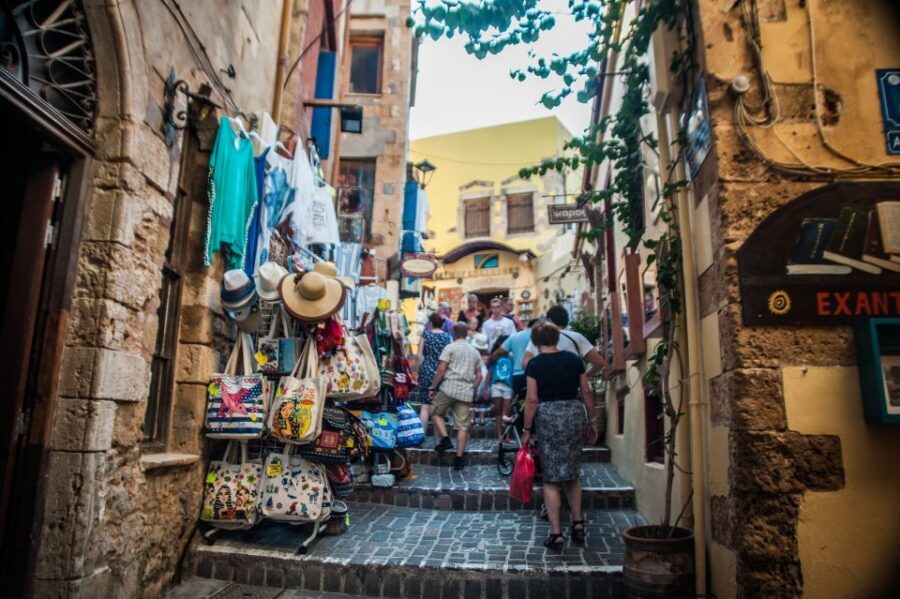
Meet at the entrance of Kydon, The Heart City Hotel, with your guide holding a Crete Local Adventures sign. A couple of people mentioned it can be easy to miss the meeting spot if you’re not looking right at the entrance.
So do this: arrive a few minutes early, stand by the entrance, and wait for the sign. If you’re coming from cruise landings, build in extra time to get there without stress.
Stop 1: Dimotiki Agora (Municipal Market) tastings that set the tone
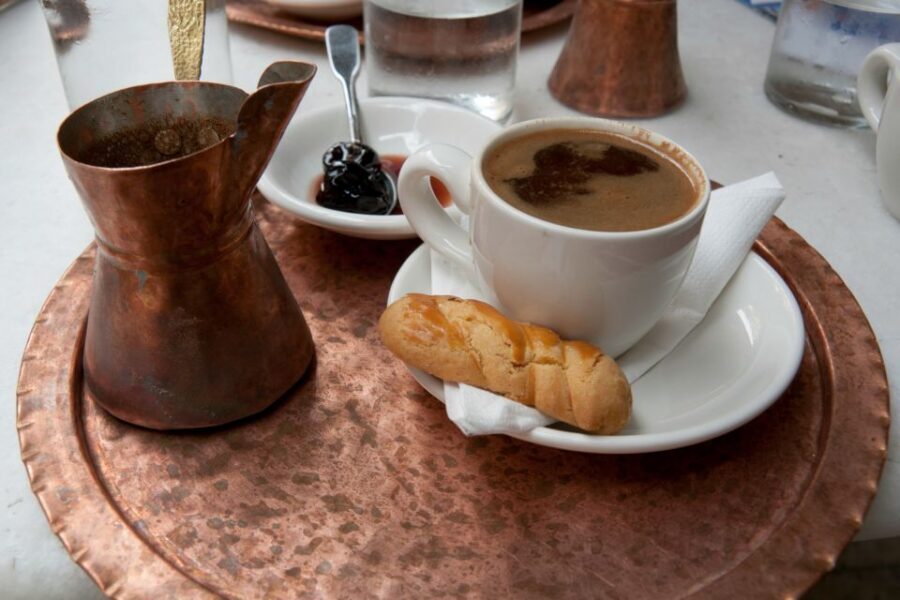
Your first big stop is Dimotiki Agora, the Municipal Market at the boundary between old and new Chania. Established in 1913—the same year Crete was unified with Greece—it’s the kind of place where you immediately feel the everyday heartbeat of the city.
You’ll spend about two hours here, sampling and learning as you walk among over 70 family-owned businesses. This isn’t random snacking. The tastings are meant to introduce you to Cretan staples and explain why they matter in local life. I like starting at a market because it changes how you taste later. Once you understand what olive oil or honey is supposed to be like here, the Old Town stops feel more grounded.
Practical tip: if you’ve got a “light breakfast” habit at home, break it. People repeatedly stress that you should come hungry. You’ll be eating through the morning/early afternoon, not grabbing one or two bites.
Old Chania on foot: Venetian and Ottoman sights plus a coffee reset
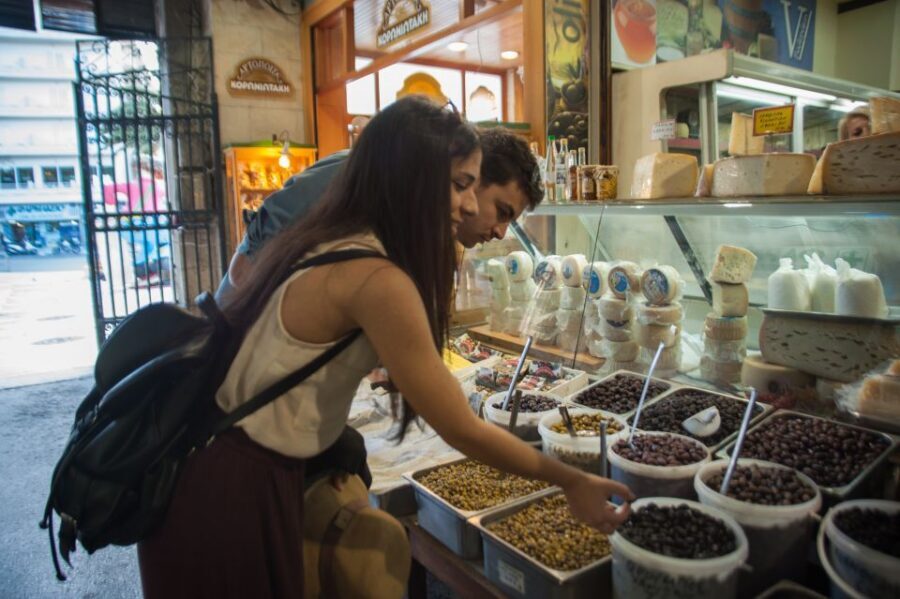
After the market, the tour heads into the Old Town maze. Expect narrow lanes, backstreets, and monument-hopping with stories that connect buildings to people—kings, sailors, merchants, heroes, lovers, and artists. This is where Chania’s strategic position really shows: it became a crossroads between East and West for centuries, and the city’s architecture and neighborhoods reflect that.
You’ll take a coffee break here—about 30 minutes—so you can catch your breath and keep pace. The coffee also works as a social reset. On small-group or sometimes even near-private tours (when group numbers are low), the coffee break is where you’ll usually get the most helpful “where to go next” recommendations.
Guides can make or break a tour like this, and the tour’s reviews consistently mention names like Yannis, Adonis, Yiorgos, Manos, Ioannis, and George. The common thread: they talk with energy, answer questions easily, and connect food to the places you’re walking past.





Artisan time: where you see craft up close (and maybe try it)
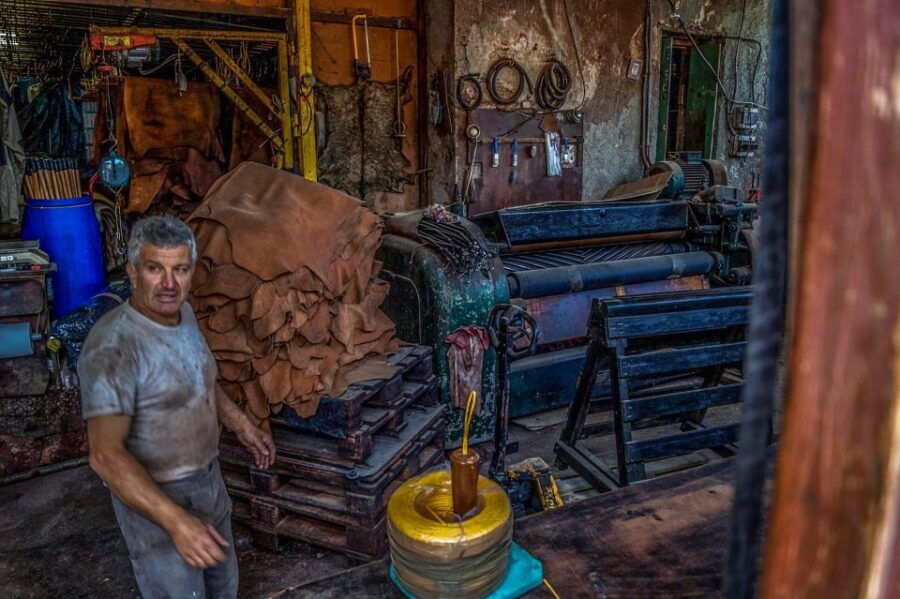
One of the coolest parts is the artisan stop. You’ll meet local craftsmen working on handmade products and hear their stories. This isn’t a “look but don’t touch” show. The idea is that you might test your skills, or at least interact enough to understand the process behind what you’ll want to buy later.
A specific example you can expect on this tour: a workshop connected to handmade Cretan knives. You’ll hear stories from the knife maker and see the craft in action. Even if you don’t buy, it’s a strong reminder that Cretan food culture isn’t separate from craft culture—it’s all part of local identity.
When you’re at the craft stop, ask practical questions:
- What products are truly Cretan-made?
- What’s good to pack?
- What would you take home as a gift that won’t turn into a suitcase problem?
That’s how you turn “cool souvenirs” into smart buys.
Hidden corners of history: the Ottoman and Jewish quarters walk
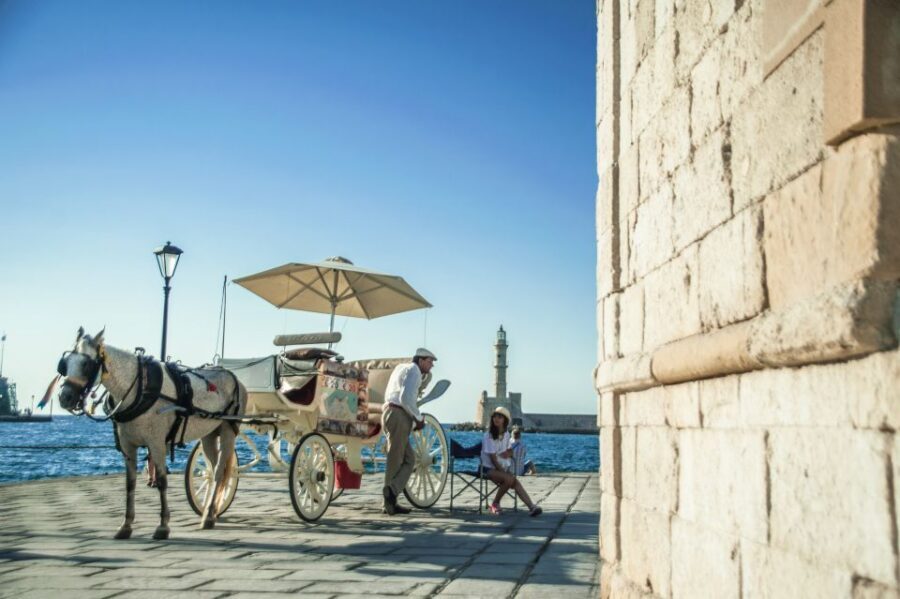
One of the tour’s strongest selling points is the time spent in the Old Jewish and Ottoman neighborhoods. This is where you slow down and see Chania as a multicultural city shaped by everyday life over time—not just landmark photos.
You’ll meander through lesser-known lanes, learning how multiculturalism influenced locals for generations. It’s the kind of walking that helps you understand why some streets feel intimate and tucked away, while other areas feel open and trade-oriented.
I like this portion because it balances the market’s energy and the harbor’s scenic pull. You get texture: doorways, alley turns, and the sense that people lived their lives right here long before today’s visitors arrived.
Harbor time: mezedes, raki, and wine as the perfect finale

The tour ends near the harbor promenade. You’ll take a stroll along the historic waterfront, then settle down for a local favorite meal: Cretan mezedes (tapas) with raki. Wine tasting is part of the flow too, with about one hour set aside for it.
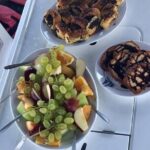
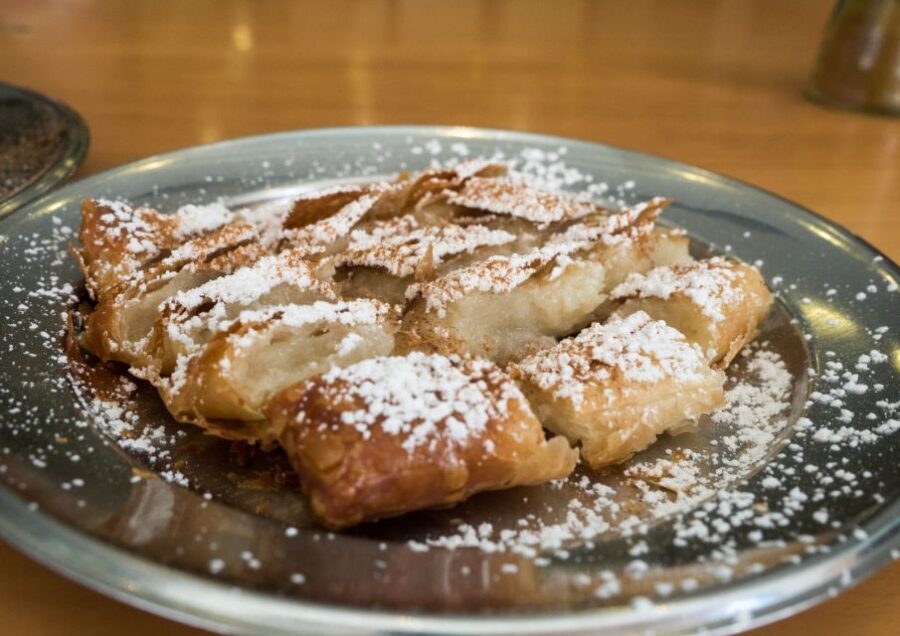
This ending matters. It’s not just about eating more. It’s about consolidating everything you learned so far. When you’re tasting a spread of Cretan bites—often including items like cheeses, pies, and other local favorites you’ll hear about during the tour—it’s easier to remember what goes where and why.
Also, alcohol rules are straightforward: alcoholic beverages are provided for participants age 18 or older, while anyone under 18 gets non-alcoholic drinks instead.
One more practical point: because the tastings are spread out, most people report they don’t end the tour feeling stuffed—just satisfied. Still, I’d treat it like a “no breakfast” situation. Many people mention they were glad they listened to that advice.
Shopping smarter after the tastings (so you don’t waste your vacation)
By the time you reach the end, you’ll know what to look for. The tour emphasizes meeting shop owners and family-run businesses selling Cretan-only products, so you’ll leave with a shopping “map” rather than random wandering.
You’ll often have tasting touchpoints for items like:
- olives
- honey
- olive oil
- local sweets
A craft stop like the Cretan knife workshop also gives you a practical direction for what to buy if you want something handmade and tied to the place. And since the guides are on the ground with their neighborhood knowledge, you can ask where to go back for lunch or dinner after the tour.
Who this Chania tour suits best
I think this is a strong fit if:
- you’re a first-time visitor and want fast orientation by walking
- you like history, but you want it paired with real daily life (food and neighborhoods)
- you enjoy guided tastings where someone else handles the “where and what” choices
It’s also a good choice for couples and small groups because the pace stays relaxed, and the guide can spend real time answering questions. Some people describe their group turning into a more personalized experience when the tour group was smaller.
If you’re the type who wants only museums or only major monuments, this might feel too food-forward. But if you want to understand Chania through what people actually eat and make, this tour is built for that.
Quick tips so you enjoy every bite (not just the first few)
- Wear comfortable shoes. The Old Town is walk-heavy and uneven in spots.
- Come without a heavy breakfast. People repeatedly say you’ll have plenty of food to taste.
- If you have dietary needs, tell the partner in advance so substitutions can be arranged.
- If you want to buy anything, pay attention to what the guide describes—Cretan-only products and workshop-made items are usually the best targets.
- Bring your curiosity. A big part of the value is asking why something tastes the way it does and where it fits in the city’s story.
Should you book this Chania: Sightseeing & Tastings Tour?
Book it if you want a guided Old Town walk where food does double duty as both entertainment and context. The tour’s structure—market tastings at Dimotiki Agora, coffee and monuments in the Old Town, artisan craft time, Ottoman/Jewish neighborhood corners, then a harbor-side finish with mezedes, raki, and wine—creates a satisfying loop. You’ll leave with full stomach confidence and a better sense of how Chania worked over the centuries.
Skip it (or choose something else) if you hate walking, or if you only want one big meal and no neighborhood wandering. This is a “pace plus tastings” experience, not a sit-down lecture and not a quick snack sprint.
If you do book, do one thing: arrive ready to eat and ask your guide for where to go next. That last step often turns a great tour into a great trip.
FAQ
Where do I meet the guide for the Chania tasting tour?
You meet at the entrance of Kydon, The Heart City Hotel. Your guide will be holding a Crete Local Adventures sign.
How long is the tour?
The tour lasts about 4 hours.
What does the tour include?
It includes the guided tour, a guide, Greek coffee, local sweets, olives, honey, olive oil, mezedes (tapas), raki, and wine tasting.
Is there alcohol on the tour?
Yes. Alcoholic beverages are allowed for participants age 18 or older, and participants under 18 are provided non-alcoholic beverages.
What kind of food will I taste?
You’ll taste Cretan specialties at the market, plus mezedes (tapas) at the end. The tour also includes items like olives, honey, olive oil, and local sweets.
Can vegetarians or people with dietary restrictions join?
Yes. Vegetarians and other dietary restrictions can be accommodated if you notify the local partner in advance.
What language is the guide?
The tour has a live guide in English.
Is it wheelchair accessible?
Yes, the tour is listed as wheelchair accessible.
What should I bring?
Wear comfortable shoes.
Is there free cancellation?
Yes. You can cancel up to 24 hours in advance for a full refund. Reserve now and pay later is also available.