REVIEW · CRETE
Cooking Lesson in Heraclion
Book on Viator →Operated by Cooking Lessons in Heraclion · Bookable on Viator
Crete hits different when you cook it. This 4-hour lesson in Krousonas pairs hands-on cooking with a real farm visit, so you’re not just tasting Cretan food, you’re learning where it comes from.
I love the way the menu works: you choose what you’ll cook, with vegan (or not) options, so the class fits picky eaters and kids alike. I also like the “farm to plate” flow, where you feed animals, then pick seasonal produce from the orchard, then cook it with Sevi and her family.
One consideration: it’s outdoors and active. Wear comfortable shoes and clothes, because you’ll be walking the farm grounds and doing vegetable prep at a working pace.
In This Review
- Key highlights to look for
- Cooking in Krousonas: where the day actually feels local
- Meet Sevi and pick your menu (vegan included)
- The farm visit: goats, sheep, and the donkey show
- Harvesting from the orchard: the lesson behind the ingredients
- Cheese, season, and the Cretan production view
- Cooking time: classic dishes you can actually repeat at home
- Starters you might cook
- Mains that feel like Crete on a plate
- Desserts that make the whole day stick
- Eating on the veranda: the payoff view and the slower moment
- Duration, group size, and timing you can plan around
- Price and value: is $114.13 per person actually fair?
- Who should book this (and who might want a different style)
- Should you book Cooking Lessons in Heraclion at this farm?
- FAQ
- How long is the cooking lesson in Krousonas?
- Where does the experience start?
- Is the class offered in English?
- How big is the group?
- Can I choose what I cook, and is there a vegan option?
- What farm activities are included?
- Do you gather ingredients before cooking?
- Is cheese production part of the experience?
- What should I wear?
- What is included and how much does it cost?
- Can I get a full refund if my plans change?
Key highlights to look for
- Choose your dishes from a seasonal menu, including vegan choices
- Farm time first: feeding goats and sheep, and sometimes milking goats in summer
- Harvest the ingredients from the organic orchard before you cook
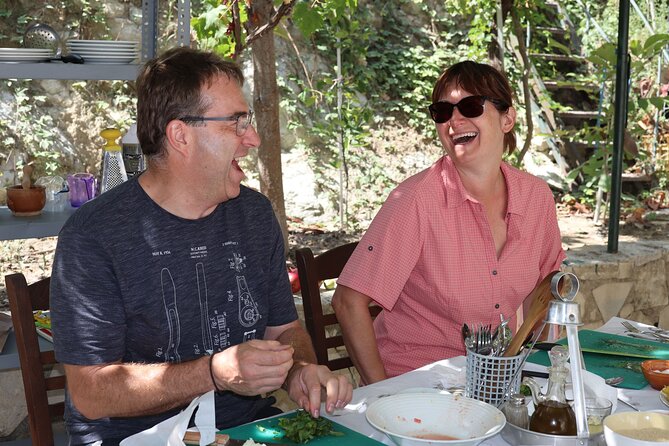
- Cook under grapevines with a family-style, relaxed rhythm
- Seasonal extras may include cheese production (when it’s the right time of year)
- Eat with a view on the veranda after cooking
Cooking in Krousonas: where the day actually feels local
This experience runs in Krousonas, a village setting just outside Heraklion. The structure is simple and practical: you arrive, settle in with Cretan bites and drinks, then you move through the day like you’re helping out on a family farm.
That “no fuss” rhythm matters. Most cooking classes teach recipes, but here the focus is on building a fuller picture of Cretan food culture: animals, orchards, seasonal produce, and the kind of cooking that comes from doing it often—not from showing off.
It’s also small. With a maximum of 8 people, you’re more likely to get real attention while you chop, stir, and ask questions. If you’ve ever done a big group class where you barely get a turn, this format feels calmer.
You can also read our reviews of more tours and experiences in Crete.

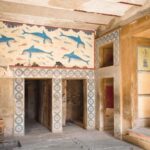
Meet Sevi and pick your menu (vegan included)
The start is welcoming and menu-driven. You’ll be greeted with Cretan delights and refreshments, then you talk through what you can cook that day.
What I like is that you don’t have to guess. You select your dishes up front, either vegan or non-vegan, and the cooking follows from your choices. That makes it easier for families where one person wants lamb or seafood and another wants plant-forward dishes.
Sevi is the key teacher in the story. She’s the host who keeps the day moving and the vibe friendly, and the group stays engaged—especially important when kids are part of the mix. One detail that keeps showing up in people’s experiences: she and her family adjust how they explain things so the whole day works, not just the cooking part.
The farm visit: goats, sheep, and the donkey show
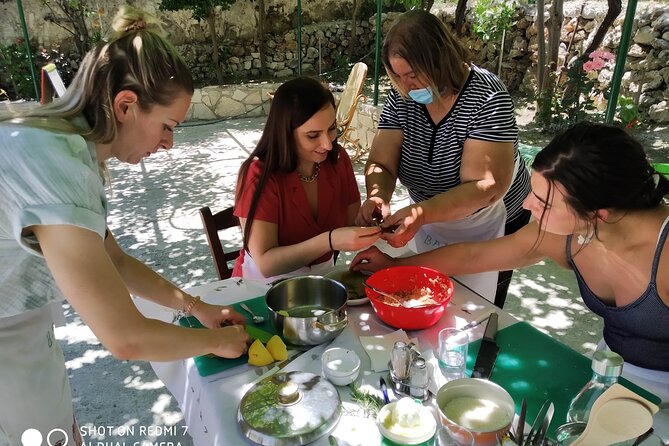
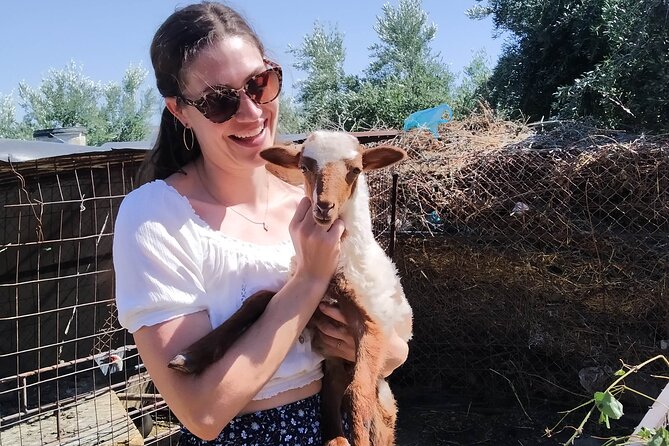
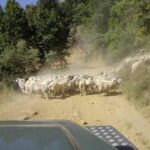
After the menu talk, you head to the farm. This is where the class stops being theoretical. You’ll feed goats and sheep, and in summer there’s a chance to milk the goats, if the season and routine allow it.
You may also see other farm animals as part of the day’s flow—like chickens and a donkey named Heracles. In a place like this, animal time isn’t a quick photo stop. It’s part of the same rhythm that leads to eggs, milk, and the general idea of using what’s available.
Why this farm segment is valuable: it gives you context for what you cook later. When you’ve watched animals cared for and you’ve seen the orchard and herbs, the food stops feeling like a finished product from a restaurant. It becomes something you understand.
Practical note: farm time means uneven ground. Bring shoes that can handle it, and expect to be outside for at least part of the morning-afternoon flow.
Harvesting from the orchard: the lesson behind the ingredients
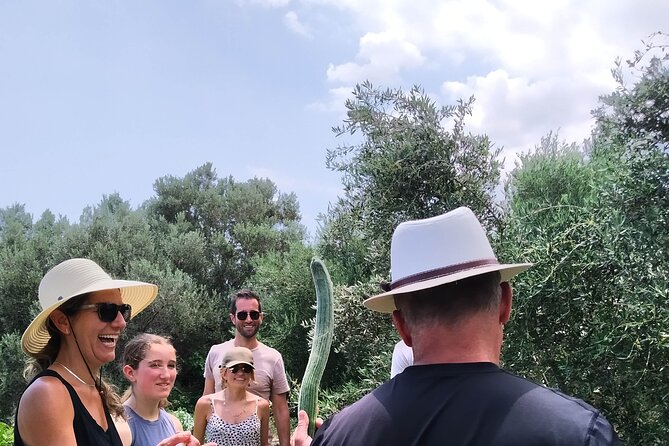
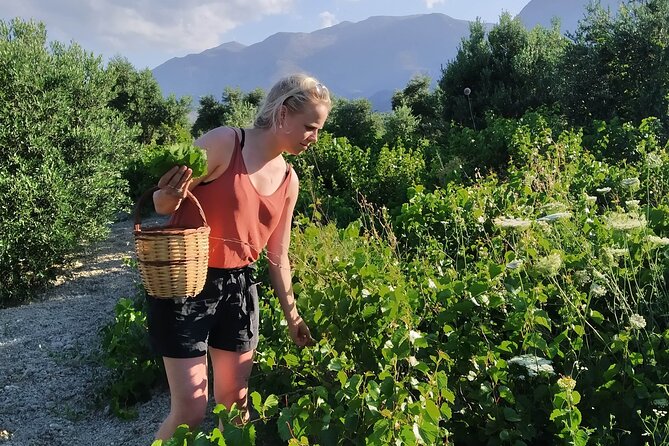
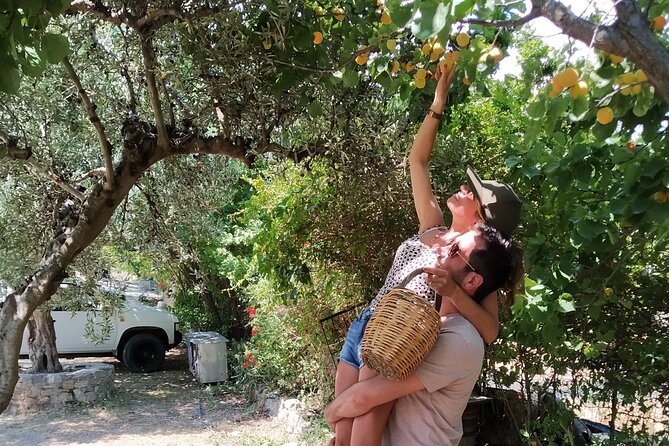
Next comes the “wait, we’re picking this?” moment. You gather vegetables and fruit from the orchard and then you spend time walking, exploring nature, and learning plant information along the way.
This portion is doing double duty. Yes, you get fresh ingredients for the meal. But you also learn what people in the area pay attention to—what’s in season, what grows nearby, and how plant flavors show up in cooking.
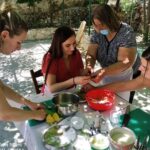
You’ll then get hands-on: cutting vegetables and fruit, using herbs you picked, and prepping for cooking. People consistently describe the activity as fun and not stressful, which is exactly what you want in a class that includes families and mixed ages.
If you’re thinking about food souvenirs, this is the best part. You leave knowing what ingredients to look for at home—and what to do with them—because you saw them in the place they grew.
Cheese, season, and the Cretan production view
Cooking lessons usually stick to finished dishes. Here, the experience may include seasonal extras, like tasting or watching cheese production depending on what’s happening at the farm during your visit.
This matters because Cretan cuisine isn’t one style. It’s a set of food traditions that change with the year—what animals are producing, what herbs are ready, and which products are available.
So if you’re traveling in the right season, you’re getting more than a meal. You’re getting a window into how food moves from farm work into everyday cooking.




Cooking time: classic dishes you can actually repeat at home
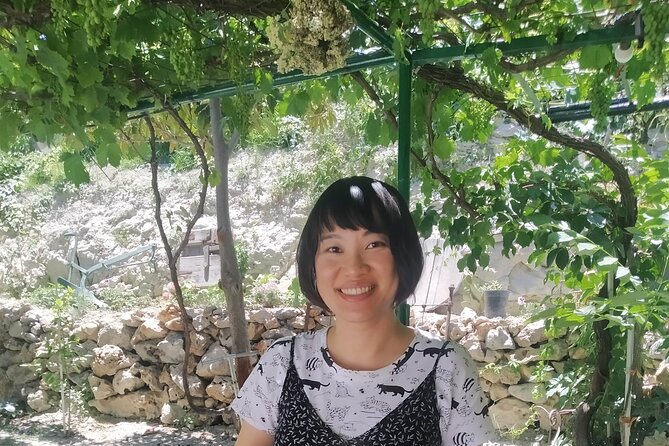
Once the ingredients are collected, the cooking starts in earnest. You’ll learn Cretan cooking “secrets” in the way that counts: technique, timing, how to treat flavors, and how dishes are built.
You cook based on your chosen menu. The sample dishes show a strong mix of starters, mains, and desserts, with lots of recognizable Cretan comfort food.
Starters you might cook
- Zucchini balls (fried traditional zucchini balls)
- Tzatziki (the famous sauce)
- Fried snails with rosemary and vinegar (yes, it’s a real Cretan thing)
That last one is for the adventurous. If you want to keep it approachable, pick items like zucchini balls or tzatziki. Either way, the class gives you a way to understand the building blocks: herbs, dairy balance, and frying or sauce basics.
Mains that feel like Crete on a plate
- Greek giouvetsi (slow-cooked lamb with pasta and tomato sauce)
- Cretan gamopilafo (pilaf style with boiled goat/lamb and rice)
- Gemista and ntolmadakia (stuffed vegetables with rice and herbs, plus rolled stuffed vine-leaf-style dishes that people call Cretan sushi)
Giouvetsi and pilaf-style dishes are the kind of food that makes you understand why Cretan meals feel hearty without being complicated. Slow cooking and sauce work are the heart of it, and you’ll taste the payoff while you’re cooking.
Desserts that make the whole day stick
- Loukoumades (Greek honey dumplings with bio honey)
- Rice pudding with mastiha and cinnamon, including a goat-milk version
- Must pudding (the must on summer in Crete)
Desserts are often where cooking classes lose people—too short, too theoretical, or too sweet without context. Here, desserts are treated like a real finish to the meal, and mastiha shows up as a unique Cretan ingredient. If you’re a coffee shop sweets person, this is the chance to expand your dessert world.
Also, at least one highlighted dish people mention is dessert cheese pies. If those are on offer during your season, it’s a great example of how the family teaches things that go beyond a basic cookbook version.
Eating on the veranda: the payoff view and the slower moment
After cooking, you eat on the veranda and relax with an amazing view. This part is not just downtime. It’s when the day’s work makes sense.
You’ll have the food you made in front of you, plus the satisfaction of knowing you helped create it from ingredients you picked and animals you fed. That’s why the meal feels more rewarding than “just dinner.”
If you want a photo moment, this is where you get it. The family farm setting and the vineyard shade show up in people’s descriptions again and again, and the veranda is where it lands.
Duration, group size, and timing you can plan around
Plan on about 4 hours. That’s long enough to include farm time, harvesting, cooking, and eating, but not so long you’ll burn your whole day.
The group is capped at 8 people, which helps with pacing. It’s easier to keep the cooking station flowing and still give you time to ask questions while you handle ingredients.
Language is English, which matters if you’re visiting from outside Greece. And because the day moves through multiple activity zones, a smaller group helps reduce waiting around.
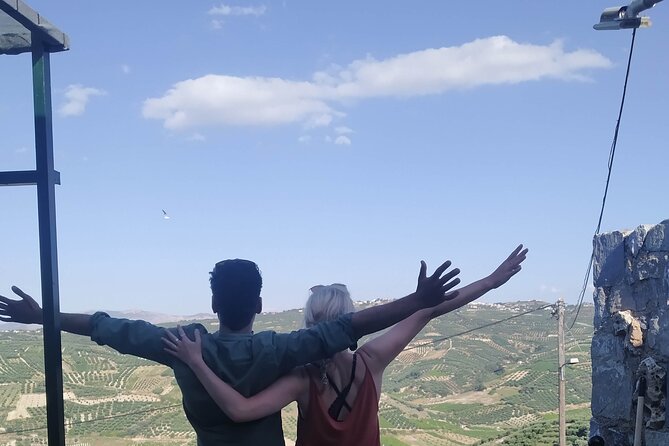
If you’re trying to fit this into a Heraklion-based itinerary, note that the farm is described as around 20 to 30 minutes from Heraklion in people’s experiences. That makes it realistic for a half-day plan.
Price and value: is $114.13 per person actually fair?
At $114.13 per person for about 4 hours, this isn’t a bargain-basement deal. But it also isn’t priced like a quick cooking demo.
You’re paying for several things at once:
- A small group format
- A farm visit with animal care time
- Ingredient harvesting from an orchard
- A full cooking class with a shared meal
- Seasonal add-ons that may include cheese production
- Recipes provided for dishes (so you can cook again later)
When you compare that to classes that only cover recipes and then send you home, the value gets clearer. Here, the day is the product. You’re buying time with a family, plus the ingredients and techniques that make Cretan cooking repeatable.
One more practical signal: it’s been booked around 40 days in advance on average, which suggests demand. If you’re traveling in peak season, don’t wait until the last week.
Who should book this (and who might want a different style)
This is a great fit if you:
- Want real Cretan food, not just a single dish lesson
- Like farm experiences but still want a structured cooking class
- Travel with kids or a wide age range and want activities that keep everyone moving
- Prefer learning by doing: cutting, mixing, frying, assembling
It might be less ideal if you:
- Want a mostly indoor, quiet class with minimal walking
- Are looking for a fast, purely educational cooking lecture
- Have mobility limits that make farm ground and outdoor prep tough (you’ll need to manage the physical part carefully)
The bright news is that many people describe the day as family-friendly and engaging, including moments like kids feeding animals. The host also works to keep the group comfortable and on track.
Should you book Cooking Lessons in Heraclion at this farm?
I’d book it if you want a Cretan day that feels lived-in. The combination of menu choice, farm time, orchard harvesting, and cooking under grapevines turns this into more than dinner—it becomes a story you can retell and recipes you can repeat.
I’d skip or choose carefully if your ideal activity is short, indoor, and low-activity. This day is outdoors and hands-on by design.
FAQ
How long is the cooking lesson in Krousonas?
The program lasts about 4 hours.
Where does the experience start?
It starts at a meeting point in Krousonas, Greece (listed as 8G766XXX+29C6XXX+29C) and ends back at the meeting point.
Is the class offered in English?
Yes, the experience is offered in English.
How big is the group?
The group is limited to a maximum of 8 travelers.
Can I choose what I cook, and is there a vegan option?
Yes. You discuss the menu and can choose from season options, including vegan or non-vegan.
What farm activities are included?
You visit the farm to feed goats and sheep. In summer, you may also be able to milk the goats.
Do you gather ingredients before cooking?
Yes. You pick organic vegetables from the orchard, with time to explore nature and learn about plants before you start cooking.
Is cheese production part of the experience?
It depends on the season. The program notes that you can taste and watch cheese production when it’s available.
What should I wear?
Wear comfortable shoes and clothes, since you’ll be active during farm and harvesting time.
What is included and how much does it cost?
It costs $114.13 per person and includes the Cretan welcome refreshments, the cooking lesson, and enjoying the meal on the veranda.
Can I get a full refund if my plans change?
Yes. You can cancel for a full refund up to 24 hours in advance. If you cancel less than 24 hours before the start time, the amount paid is not refunded.