REVIEW · CRETE
Koumoulia Ceramics / Ceramics courses
Book on Viator →Operated by Koumoulia / Pottery Classes · Bookable on Viator
A pot can start as a lump of clay. What makes Koumoulia Ceramics fun is the mix of a quick workshop orientation and then real hands-on practice using both handbuilding and the wheel. I like the small group setup, and I also love that you learn the clay process from mass to finished object, not just the final trick. The one thing to watch is homecoming: what you take with you depends on drying, optional glazing, and the second firing cost.
Before you get your hands dirty, you’ll get a guided tour of the workshop and see the stages clay goes through to become a useful piece. Then you’ll learn multiple techniques and make your own items in the atelier. I like that the teaching is practical and method-focused, and that there’s friendly support while you experiment. The potential drawback is timing and logistics: pieces need days to dry, and the second baking for glazed work is not included.
If you’re the kind of traveler who likes to do one honest activity deeply (not just watch it), this is a strong match. With a maximum of five people, you’ll get more attention than you would in a bigger demo. Just read how take-home works—especially if you’re thinking about shipping.
In This Review
- Key highlights you’ll care about
- Two hours that turn into a “days later” souvenir
- The afternoon flow: Rouvas Gorge and Knossos before the pottery work
- Where you meet and how to plan your arrival
- Inside the workshop: what you learn before you shape anything
- Handbuilding and the wheel: techniques you can actually use
- The part everyone forgets: drying takes 3–4 days
- Glazing choice and the cost of the second baking
- Taking your pottery home: pickup vs shipping (and why it gets expensive)
- Price and value: what $96.11 actually buys
- Who should book this ceramics course
- My booking checklist (so you don’t get burned by timing)
- Should you book Koumoulia Ceramics in Crete?
- FAQ
- How long is the Koumoulia ceramics course?
- What language is the course offered in?
- Where does the activity start and end?
- Will I be able to take my pottery home the same day?
- Is the second baking included in the price?
- Can my fired pottery be shipped to me?
Key highlights you’ll care about
- A short workshop tour first so you understand how clay becomes a usable object before you start shaping
- Hand techniques plus wheel practice so you can try more than one way to make a piece
- Small group (max 5) which helps you get questions answered while you’re working
- Drying takes days and depends on your piece and the weather
- Glazing means a second bake that is not included in the price
- Pickup or shipping is available, but overseas shipping can be pricey
Two hours that turn into a “days later” souvenir
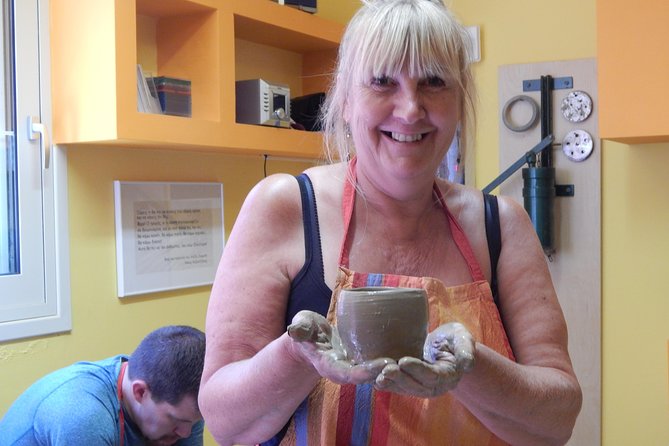
This isn’t the type of activity where you finish, pay, and walk away with a fully ready pottery item in hand. The workshop flow is built around the real pottery timeline: create, let it dry, and only then finish it with glazing and firing (if you choose that route).
Because the class is about learning and making, you’re paying for instruction and the atelier time—not for a same-day magic trick. That distinction matters when you’re planning what to bring home and how you’ll pack it.
Also, the pace is tight. The afternoon includes a couple of major stops (Rouvas Gorge area and the Palace of Knossos) before or alongside the pottery portion. If you’re sensitive to a rushed schedule, plan your expectations around a moving itinerary and a hands-on class that still requires patience afterward for drying.
You can also read our reviews of more tours and experiences in Crete.


The afternoon flow: Rouvas Gorge and Knossos before the pottery work
The experience includes two sightseeing stops in the middle of your day plan:
Stop 1: Rouvas Gorge (Agiou Nikolaou)
This is a scenic, nature-forward stop. Even if you’re not doing a long hike, it’s a good contrast to the workshop: you get outdoors time and Cretan atmosphere before you return to craft.
Practical tip: bring sun protection and water. Gorge-area weather can feel different from the city, and you’ll likely want to be comfortable while you’re waiting for the group to move on.
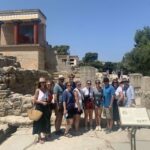
Stop 2: Palace of Knossos
Knossos is a big-name site, and it works well as a cultural anchor right before you switch gears to clay. Seeing something historical helps the pottery class feel more grounded—like you’re continuing a Cretan craft tradition rather than doing a random activity.
Practical tip: keep your camera ready, but also keep your feet comfortable. If your time is limited, you’ll want to focus on the sections you can reach easily without burning your energy before the workshop.
The key drawback here is simple: with an outing that includes two stops and a pottery session, you may not have much buffer time. If you’re the type who likes slow travel, build in flexibility around the afternoon and keep your schedule loose.
Where you meet and how to plan your arrival
You’ll start at Unnamed Road, Iraklio 700 13, Greece at 3:00 pm, and the activity ends back at the same meeting point. It’s also a small group situation—maximum 5 travelers—which usually means the host has less flexibility to wait around.
I’d treat the meeting point like a check-in you shouldn’t guess on. If you’re driving or using public transport, double-check your route ahead of time and leave extra margin. One review called out that finding the location was a pain, and that’s a totally avoidable problem if you arrive early enough to get your bearings.
You’ll receive confirmation at the time of booking, and you’ll use a mobile ticket, so make sure your phone battery is topped up. It sounds basic, but in real travel it’s one of those details that prevents stress.
Inside the workshop: what you learn before you shape anything
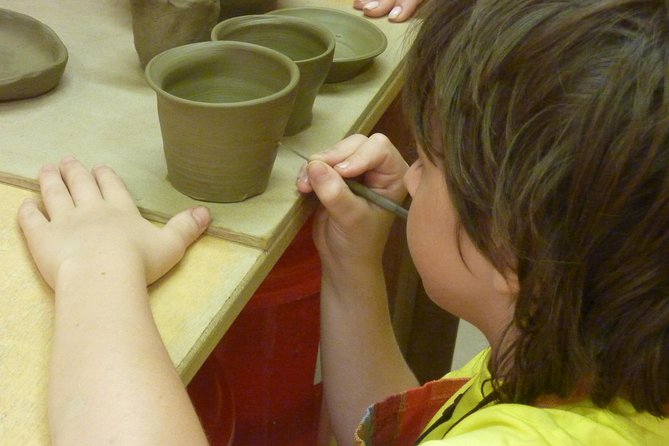
At the start of the seminar, you’ll get a quick guided tour of the workshop. The focus is on how clay moves from a formless mass into an actual object you can use. That matters more than it sounds.
Why? Because pottery isn’t just about making something pretty. It’s about understanding the process—drying, firing, and how the clay behaves at each stage. When you know what comes next, you can make better choices right now, like how thick to leave a wall or what kind of shape will survive the drying stage.
You’ll also get a clear idea of the workflow inside the atelier. The goal is to help you avoid the most common beginner frustration: thinking you’re “done” once the piece looks right at the table.
Handbuilding and the wheel: techniques you can actually use
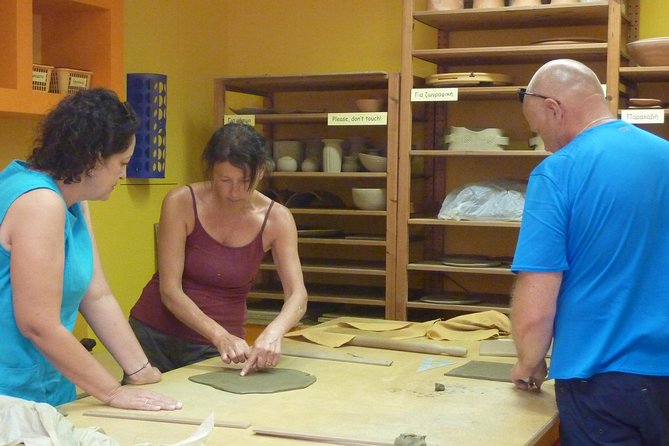
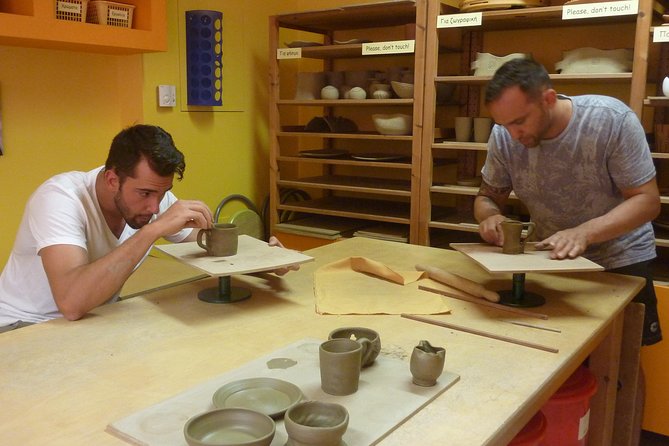
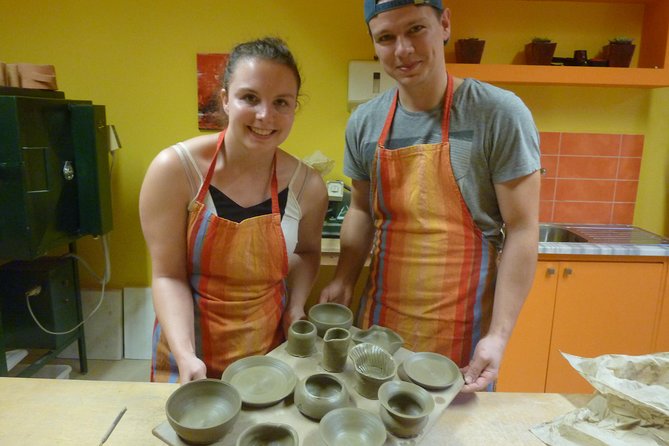
After the workshop tour, you’ll learn various techniques to create your own unique items. The class covers both hand methods and wheel work, so you’re not stuck doing one style the whole time.
Here’s what I think is especially valuable about this setup: you get more chances to succeed. Some people click with wheel work, others get more comfortable shaping by hand. Trying both means you’ll probably leave with at least one method that feels natural.
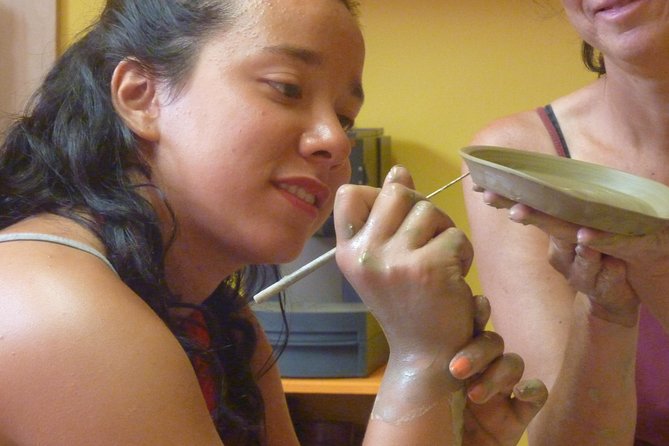
You’ll also get support from the instructor while you experiment. Reviews highlighted that the teaching felt friendly and the support was responsive, which is what you want in a hands-on craft class. Pottery can be frustrating in the moment, so having someone guide your technique helps you keep momentum.





The part everyone forgets: drying takes 3–4 days
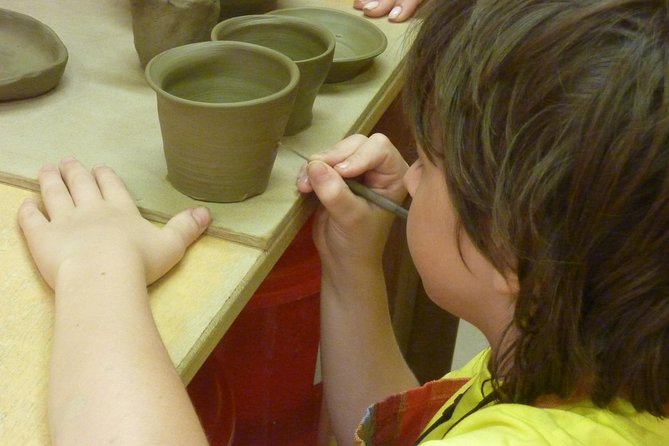
Once you create your piece in the atelier, it’s not ready right away. Your work will take 3–4 days to dry, and that timing can change with the weather and how your specific piece was made.
This is where you should think like a potter, not like a souvenir shopper. If you’re traveling with tight luggage limits, assume your final item won’t be ready instantly. Also, don’t plan on last-minute museum stops right after the class as if your pottery will be done.
What you can do is plan your logistics:
- You can pick your creation up later from the workshop after it dries.
- Or, if you choose to glaze, you’ll need additional time for the next firing step.
If you want a smooth outcome, treat the workshop as step one of a multi-day process.
Glazing choice and the cost of the second baking
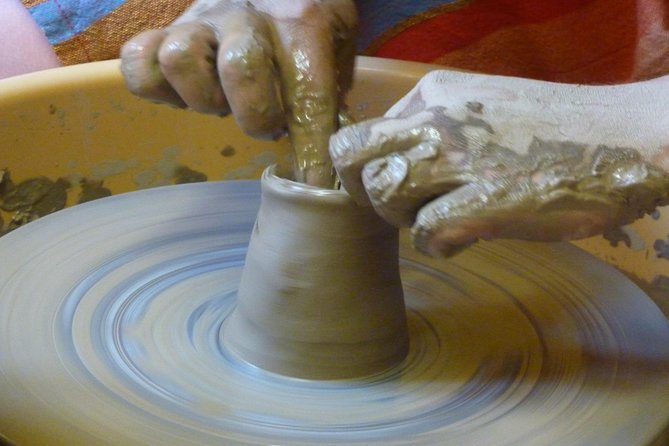
Here’s the most important money-and-time detail: if you glaze your piece, you’ll need to wait another 2 days for the second baking.
That second firing is not included in the price. In other words, your $96.11 buys the class and the main workshop process—but glazing means extra time and extra cost.
This is also the part that can cause disappointment if you don’t read carefully. One negative review complained about not getting something usable to take home and said their pieces weren’t fired. The provider’s explanation was practical: shipping overseas is expensive, and customers may choose not to fire due to shipping costs. The same logic applies even if you don’t ship overseas—you still need firing for a finished glazed item.
So before you pick your glazing color, think in terms of outcomes:
- If you want the best chance of a finished take-home souvenir, plan for the second bake.
- If you’re avoiding extra charges, you may end up with something less travel-ready than you expected.
Taking your pottery home: pickup vs shipping (and why it gets expensive)
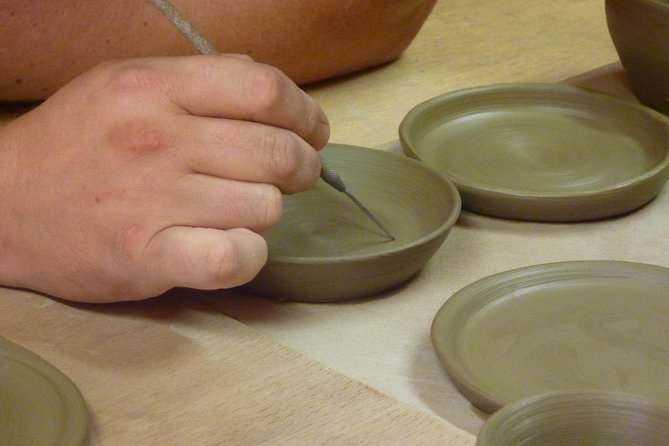
After your piece is cooked, you can obtain it from the workshop. If you prefer, it can be sent to your address at your own expense.
The big caution is shipping. The information provided notes that shipping overseas can be fairly expensive. That doesn’t mean it’s impossible—it means you should budget for it if you’re mailing your pottery outside Europe.
If you’re flying home soon, pickup often makes more sense than shipping, because it avoids the surprise of packing and delivery costs at the end. But if you’re traveling light or don’t want to store a fragile item in your luggage, shipping can be worth the convenience—just be ready for a higher total bill.
A final practical point: pottery is fragile. Even when something is fired, it still needs careful packing. If you’re shipping, ask how they handle packaging and protection—those details aren’t listed here, so it’s worth clarifying directly.
Price and value: what $96.11 actually buys
At $96.11 per person for roughly 2 hours, you’re paying for an intimate workshop experience with instruction and guidance while you create your own pieces. The class is offered in English, and the group size is capped at 5, which is a big part of the value.
But the true cost depends on what you want at the end:
- The base price includes the seminar experience and the workshop activity around making.
- Second baking for glazed work is not included, and that can change your total.
- Shipping is at your own expense, and international shipping can be expensive.
That’s not a trap—it’s simply how pottery works. If you approach it like a craft class plus a multi-step production process, the price starts to make sense. If you approach it like a one-and-done souvenir workshop, you might feel surprised when extra steps are needed.
So the best way to judge value is to decide what you want: learning and trying techniques is included. A fully finished, ready-to-gift item with glazing may require additional payment for firing.
Who should book this ceramics course
This activity is a good fit if you:
- Want hands-on learning, not just a watch-and-leave demo
- Like small-group activities where you can ask questions while you work
- Enjoy crafts enough to plan for drying time and follow-up firing steps
- Want to try both handbuilding and wheel techniques in one session
It might be a weaker fit if you:
- Need a finished pottery piece to take home the same day
- Are unwilling to handle extra costs for firing or shipping
- Hate logistics and prefer activities with instant results
My booking checklist (so you don’t get burned by timing)
If you want this to go smoothly, do these three things:
- Plan your take-home strategy before you glaze. Decide whether you’re aiming for a finished glazed item or just practicing techniques.
- Ask about the total path to a usable piece. Second baking isn’t included, and shipping is extra—so clarify what applies to you.
- Arrive early to the meeting point. Finding the location was a pain for at least one person, and you’ll have an easier afternoon if you give yourself margin.
A pottery class is fun. But the parts that determine satisfaction are usually the unglamorous ones: time, firing, and what you actually receive at the end.
Should you book Koumoulia Ceramics in Crete?
I’d book it if you want an honest craft lesson with real instruction, a small group, and the chance to try both hand techniques and wheel work. The overall rating is strong, and the comments emphasize how much fun people had while learning technique—not just making something that looks okay.
Skip it or at least go in with eyes open if you’re expecting a ready-to-pack souvenir in two hours. Drying takes days, glazing triggers a second firing step that’s not included, and shipping overseas can get costly. If you’re willing to plan for the process, you’ll likely feel it was money well spent.
FAQ
How long is the Koumoulia ceramics course?
The duration is listed as about 2 hours.
What language is the course offered in?
The course is offered in English.
Where does the activity start and end?
It starts at Unnamed Road, Iraklio 700 13, Greece and ends back at the same meeting point.
Will I be able to take my pottery home the same day?
Not right away. Pieces created in the atelier take 3–4 days to dry, and if you glaze, you’ll need to wait another 2 days for the second baking.
Is the second baking included in the price?
No. The second baking for glazed pieces is not included.
Can my fired pottery be shipped to me?
Yes. You can pick it up from the workshop, or it can be sent to your address at your own expense. Shipping overseas can be fairly expensive.